REVIEW · LOMBOK
Mount Rinjani Second Summit Trekking ( 2Days-1Night )
Book on Viator →Operated by Dhyns Rinjani Hiking · Bookable on Viator
A crater-rim sunrise on an active volcano. That’s the hook of this 2-days-1-night Mt. Rinjani trek, starting from Senaru and ending with big views over the crater lake and the three Gili islands. I love that the trekking is designed around a simpler format (guide-led with porters carrying kitchen and camping gear), so you can focus on walking and not logistics. I also love the setup for comfort at camp: tents, sleeping bags, mattresses, chairs, plus a dedicated toilet tent.
The main drawback to plan for: even though it’s pitched as beginner-friendly for less-experienced hikers and families with older kids, the crater-rim route can still feel like a serious workout. If the weather turns rough, you may feel it even more, and shared departures can sometimes mean day-by-day pacing differences with longer treks.
In This Review
- Quick highlights before you commit
- Mt. Rinjani in 2 days: what this trek really delivers
- Day-by-day: your walk from Senaru to crater-rim sunset and morning light
- Day 1: Start from the official meeting point and hike to camp
- Night: Sleep at the crater rim
- Day 2: Crater views early, then back to Senaru
- Your guide and porters: why the team approach is the point
- Camping gear and included meals: comfort that actually helps
- Price and value: what $170 covers, and what to budget extra
- Luggage storage: the smart trick for a lighter trek
- Difficulty reality check: beginner-friendly, but not easy
- Where the magic comes from: crater lake and island sunrise views
- Weather and safety: how to think like a rim-camper
- Who should book this 2Days-1Night Rinjani crater-rim trek
- Should you book? My practical take
- FAQ
- Is the Mt. Rinjani crater rim trek only, or does it include the summit?
- What’s included in the trekking price?
- What entrance fees should I budget for?
- How much water do I get during the trek?
- Is there a limit on group size?
- Where do I meet for the trek?
- What time does the meeting point operate?
- What happens if weather is bad?
Quick highlights before you commit
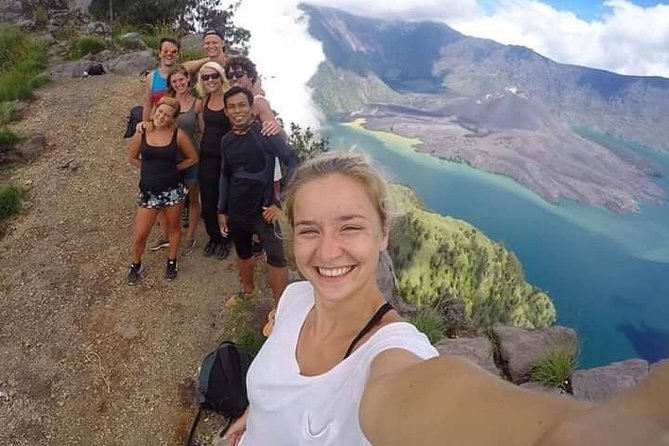
- Crater rim camp at Senaru for sunset and sunrise views over the crater lake and surrounding islands
- Guide-led trekking with porters carrying food, kitchen items, and camping equipment
- Camping gear included: tent, toilet tent and paper, sleeping bag, mattress, pillow, and chair
- 3 litres of mineral water per person per day to keep you moving without constant stops
- Luggage storage at Dhyns Rinjani Hiking office, so your trek pack stays lighter
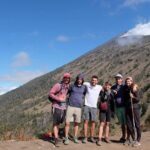
- Small group size (maximum 10), which usually means less crowding on the trail and at camp
Mt. Rinjani in 2 days: what this trek really delivers
Mt. Rinjani is famous for big, hard climbs. This package takes aim at the best part: the crater-rim experience with sunrise and wide views, without the full multi-day push to the highest, toughest targets.
You’ll camp on the rim of an active volcano, which sounds dramatic because it is. The practical value is this: you’re getting a high-impact environment and world-class views in a shorter time window than most Rinjani itineraries. And since the trek is guide-led with porters, you’re not hauling a heavy pack up the slope.
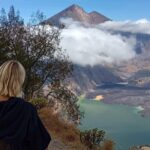
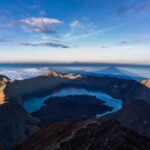
The trek is built around Senaru crater rim, which is known as a viewpoint. From there, you can see the crater lake, plus the surrounding islands—people often talk about the three Gili islands in this area and the way the view changes as the light shifts.
Day-by-day: your walk from Senaru to crater-rim sunset and morning light
Even when a booking calls it 2 days and 1 night, the rhythm matters more than the label. Here’s the flow you should expect based on what the experience is designed around.
Day 1: Start from the official meeting point and hike to camp
You meet at Rinjani Trekking Official on Jln. Pariwisata, Senaru, Kec. Bayan, Kabupaten Lombok Utara, Nusa Tenggara Bar. It runs daily during daytime hours (Monday to Sunday, 7:00 AM to 1:00 PM).
From there, your guide leads while porters handle the heavy lifting—food, kitchen equipment, and camping gear. This matters because it changes how you hike. Instead of managing a full load on your back, you can keep a steady pace and save energy for the steep parts.
The goal is to reach the crater rim area in time for the evening light—when views become extra dramatic. One hiker described the hike as tough even for beginners, but also said the reward was overwhelming. That’s a fair expectation: tough legs, payoff scenery.
Night: Sleep at the crater rim
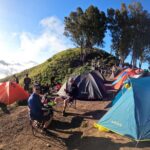
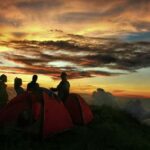
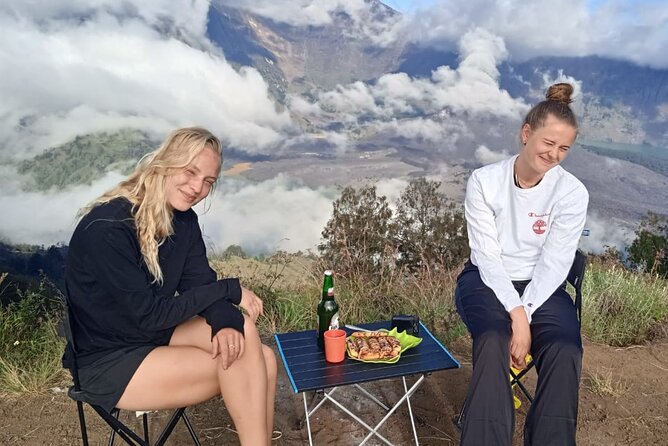
Camping on the crater rim is the heart of this trek. Your gear is included, so you won’t be scrambling to rent or improvise basics. You’ll have a tent setup, plus a dedicated toilet tent with paper, sleeping bag, mattress, and pillow.
One of the best practical parts here is that camp is handled as camp, not as a crash pad. The provided mattress, pillow, and chair are small comforts that help you actually recover. When you wake up the next day, that recovery time can be the difference between enjoying the sunrise and just surviving it.
Day 2: Crater views early, then back to Senaru
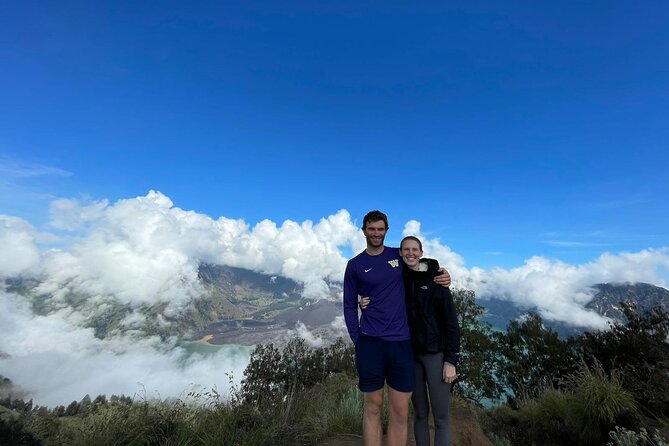
The second morning is about sunrise and crater views. This is where the experience earns its reputation: sunrise over the area’s island views, with the crater lake visible from the rim. The way the light hits the terrain can make the whole area feel unreal—wide, still, and otherworldly.
After the early views, you hike back down and the activity ends back at the meeting point in Senaru.
Your guide and porters: why the team approach is the point
This trek isn’t just walking. It’s a system: an experienced English-speaking guide plus professional porters.
A guide can do a lot on a volcano trek. They set pace, manage route choices, and handle the little details that make a big difference—like when to slow down, how to rest without freezing, and how to keep morale up when the climb feels never-ending.
From the names shared by hikers, you’ll hear examples like Adet, Ali, Oky, Nur, Darwin, Jen, and Saleh tied to positive experiences. I can’t promise you’ll get the same people, but it tells you the team is visible and memorable in real lives—often a sign that the service style is personal, not robotic.
Porters matter too. Since they carry cooking gear and camping equipment, you’ll keep your load reasonable. That helps not only for comfort, but also for safety. A lighter pack means fewer chances of losing footing when legs get tired.
Camping gear and included meals: comfort that actually helps
What’s included makes a difference. This trek provides:
- Tent, toilet tent, and paper
- Sleeping bag, mattress, pillow, and chair
- Food and drinking water (3 litres mineral water per person per day)
That’s a lot to get in one package, and it’s why the price is easier to justify. You’re not just paying for a guide. You’re paying for the infrastructure of camp—sleeping setup and basic hygiene included.
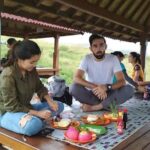
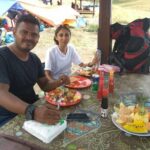
Meals are also part of the included value, and they get strong praise in real stories. One hiker described the food as the best they tasted around Bali and the Gili islands. Even if every meal isn’t identical, that kind of comment usually points to consistent cooking and a real effort to keep trekkers fueled.
One more practical benefit: since the restroom tent is included, you’re not relying on improvised solutions at night. That keeps the experience feeling controlled, even when you’re camping in a dramatic environment.
Price and value: what $170 covers, and what to budget extra
The price is $170 per person and the booking pace is often about 21 days in advance on average. You’re also issued a mobile ticket.
So what do you really get for the money?
- Guide and professional porters
- Food and 3 litres mineral water per person per day
- Full camping setup (including restroom tent and paper)
- Luggage storage at the Dhyns Rinjani Hiking office
What you must add:
- Lombok entrance fee: IDR 410,000 per person
- Tips for guide and porters (not included)
- Transport pick up before and transfers after the trek (not included)
- Extra porter for your own luggage (not included)
Here’s the key value calculation: if you tried to piece this together yourself—finding camping gear, arranging porters, handling meals, and dealing with restroom setup—you’d spend more and spend more time organizing. This package compresses all of that into one deal.
Also, small group size matters. With a maximum of 10, the experience can feel less chaotic than larger mixes. It won’t turn a volcano into a spa, but it tends to make the flow smoother.
Luggage storage: the smart trick for a lighter trek
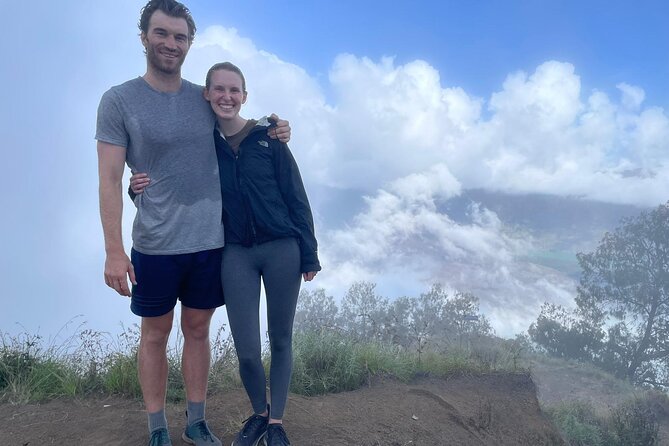
A big practical win is luggage storage at Dhyns Rinjani hiking office. That means you can bring what you need for your trip, but you don’t have to haul everything up the trail.
If you’re used to packing light, this is still helpful. If you packed heavy (easy to do when you’re thinking about cold nights at elevation), storage helps you avoid paying extra for an additional porter or overloading your own pack.
One caution: the trek is shared. Shared group trekking can sometimes create uneven timing if you’re grouped with people on longer formats. If you want strict day-by-day certainty for a 2-day plan, I’d make sure your guide confirms your exact return timing early on.
Difficulty reality check: beginner-friendly, but not easy
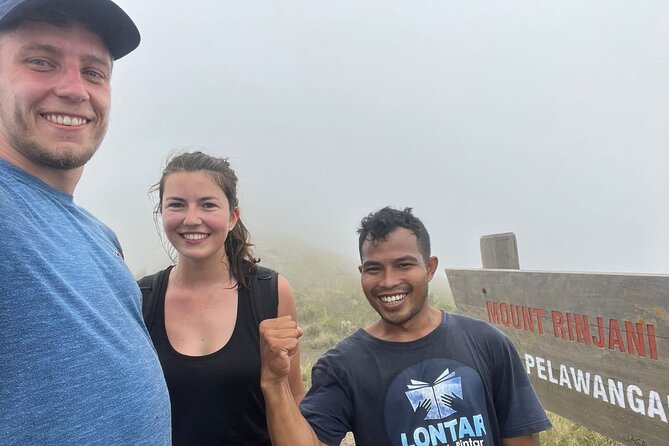
This trek is described as suitable for less-experienced trekkers and families with older children. That’s a helpful message. But the honest part is still this: Mt. Rinjani terrain is steep, and “beginner-friendly” usually means guided, supported, and structured—not that it’s a stroll.
One hiker specifically mentioned a climb that rose over 2641 meters above sea level and called it hard for a beginner. That matches how volcano rim hikes feel: lots of climbing effort, a slow burn of fatigue, and big payoffs at the viewpoint.
If you can walk uphill for hours, you’ll likely be fine with the right pacing. If you’ve been mostly doing flat-day activities, you’ll still finish if you’re patient—but you should prepare for aching legs.
Rain season can add friction too. Early December hikers described climbing in less pleasant conditions, yet praised the trekking team. Translation: expect weather changes, and trust the guide to adapt.
Where the magic comes from: crater lake and island sunrise views
The most memorable part here is the viewpoint experience:
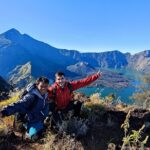
- Crater lake visibility from Senaru crater rim
- The changing light during sunset and sunrise
- Island views, including the three Gili islands
- Clear-sky moments that connect the scene to Bali’s Mt. Agung in the distance (when conditions allow)
This is the kind of payoff you can’t get from a photo alone. The crater rim view isn’t just pretty. It changes your brain when you see the scale of an active volcano close up, then watch the light move across the terrain.
If you time your hike well and protect your energy, sunrise can feel like the whole trek was worth it. Even hikers who started unsure or nervous still tend to describe the view as the turning point.
Weather and safety: how to think like a rim-camper
This is an outdoor volcano trek, and it depends on weather. The experience is described as requiring good weather. If it’s canceled due to poor conditions, you’ll be offered a different date or a full refund.
So how should you pack and prepare?
- Wear layers you can manage because it can be warmer during climbs and cooler near sunrise.
- Bring shoes you trust on uneven dirt and rock.
- Keep your trekking pace slow enough that you can still breathe and talk.
And on the team side: guides and porters are there to manage safety and pacing. In multiple positive stories, hikers credited their guides for motivation and support when the route felt harder than expected.
Who should book this 2Days-1Night Rinjani crater-rim trek
This is a good fit if you want:
- A short Mt. Rinjani experience focused on crater rim views
- A trek with porters carrying camping and kitchen gear
- Camping basics included (tent, toilet tent, sleeping gear)
- Sunrise and crater lake viewpoints without a longer, higher-stakes route
It may be less ideal if:
- You need total predictability with no shared-group timing differences
- You’re expecting a flat, casual hike
- You want entrance fees or transport to be included in the price
It’s also a good choice if you’re traveling with older kids and you can manage a serious uphill day with breaks.
Should you book? My practical take
If you’re choosing between a full-on multi-day summit plan and a shorter crater-rim trip, this one makes a lot of sense. You get the core drama—active volcano crater rim camping, sunrise views, and the crater lake viewpoint—without adding extra days of fatigue.
I’d book it if you:
- Can handle a steep hike and want strong support
- Appreciate included camping gear and water
- Want a structured experience with an English-speaking guide and professional porters
- Think $170 plus an entrance fee is fair for all the camp infrastructure you’d otherwise need to arrange
I’d pause and think harder if you’re extremely sensitive to physical effort, or if you’re the type who needs the schedule to be rock-solid down to the minute with no group-mix surprises. In that case, ask your operator about how your day plan works when the group has different trek lengths.
FAQ
Is the Mt. Rinjani crater rim trek only, or does it include the summit?
This package is described as going to the crater rim only, with sunrise views and crater lake viewpoints.
What’s included in the trekking price?
The price includes a guide and porters, food and drinking water (3 litres mineral water per day per person), camping gear (tent, sleeping bag, mattress, pillow, chair), and a toilet tent with paper. Luggage storage is available at the Dhyns Rinjani hiking office.
What entrance fees should I budget for?
Entrance fees are not included. The listed Lombok entrance fee is IDR 410,000 per person.
How much water do I get during the trek?
You’re provided with 3 litres of mineral water per person per day.
Is there a limit on group size?
Yes. The tour/activity has a maximum of 10 travellers.
Where do I meet for the trek?
You start at Rinjani Trekking Official on Jln. Pariwisata, Senaru, Kec. Bayan, Kabupaten Lombok Utara, Nusa Tenggara Bar. The activity ends back at the meeting point.
What time does the meeting point operate?
The opening hours are listed as Monday to Sunday, 7:00 AM to 1:00 PM.
What happens if weather is bad?
The experience requires good weather. If it’s canceled due to poor weather, you’ll be offered a different date or a full refund.