A quiet path at Inari changes everything. This private hike focuses on the less-crowded Mt. Inari trails while you still get the iconic orange-red gate views. I especially like the private guide attention (so you don’t waste time guessing routes) and the photo help along the way. One thing to consider: it’s a 3-hour walk with moderate fitness needs, and the experience runs outdoors, so you’ll want shoes you trust.
For me, the value here is the mix of logistics and meaning. Your guide doesn’t just point things out; they explain Japanese history, culture, and Shinto beliefs as you move through the shrine grounds and the mountain paths. The one drawback is that there’s no hotel pick-up or drop-off, so you’ll start at a specific meeting point and reach the end on your own.
Key details that matter
- Private, English-speaking guide for a smoother route through Inari’s maze of paths
- Quieter trails near Mt. Inari, away from the busiest main entry lines
- Torii gate photo moments with help from your guide at key viewpoints
- Tofuku-ji and Momoyama Castle views that add variety beyond the shrine gates
- DSLR photos included, shared after the tour for an easier souvenir workflow
In This Review
- Why Fushimi Inari’s quiet trails change the whole experience
- Meeting at 8:30am: the practical advantage of a set start time
- Tofuku-ji viewpoints before the torii gates: a calm warm-up
- Vermilion torii, bamboo groves, and the quiet climb to Senbon Torii
- The main shrine moment: seeing Inari with meaning, not just miles
- Downhill views of Fushimi Momoyama Castle from the mountainside
- DSLR photos included: why it’s worth caring about this detail
- How the private guide prevents “Inari stress”
- Price and value: what $62.26 really buys you
- Timing, transportation, and what to plan around
- Weather, shoes, and moderate fitness reality check
- Who this private hike is best for
- Should you book this Kyoto Fushimi Inari Hidden Hike?
- FAQ
- How long is the Kyoto Fushimi Inari private hike?
- Is this tour private or shared?
- What language is the guide?
- Are there any admission fees included?
- Where do I meet the guide?
- Where does the tour end?
- Is hotel pick-up or drop-off included?
- Are food and drinks included?
- Are photos included?
Why Fushimi Inari’s quiet trails change the whole experience
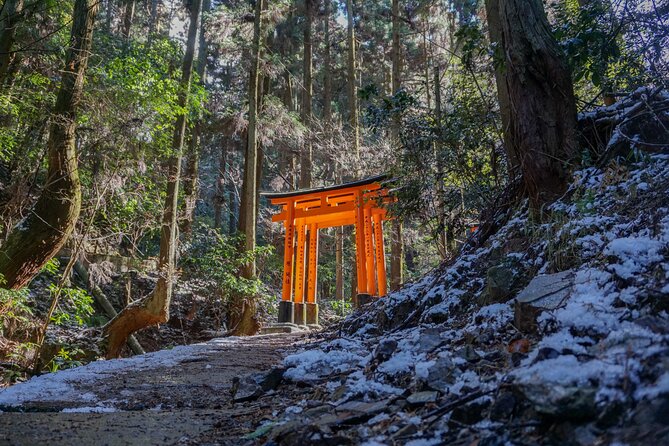
Fushimi Inari Taisha is famous for a reason: endless orange-red torii gates, a shrine atmosphere, and views that feel bigger the farther you walk. But the main paths can get crowded fast, and crowds make it harder to slow down, notice details, or take good photos without weaving.
This private hike is built to solve that. You’re guided away from the busiest routes and onto serene mountain paths where the shrine experience feels more personal. Even if you’ve seen photos online, walking there with breathing room is a different kind of wow.
You also get the benefit of interpretation while you’re walking. Instead of treating Inari like a photo stop, you understand how the shrine, the torii gates, and the mountain setting connect through Shinto practice and Japanese cultural context.
Meeting at 8:30am: the practical advantage of a set start time
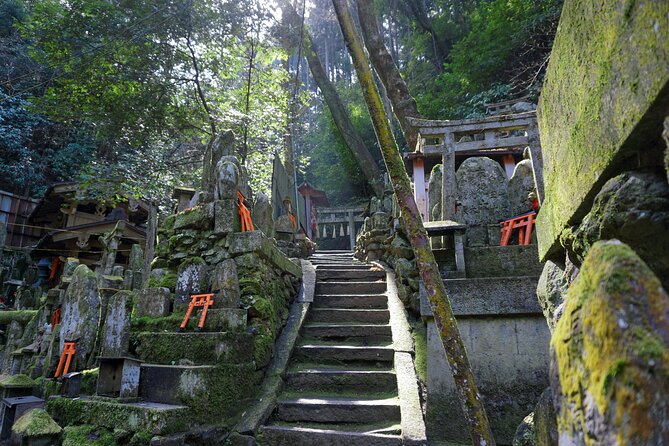
The tour starts at 8:30 am, which is exactly when Inari is usually still manageable compared with later hours. You’ll meet at FamilyMart Nakai Tofukuji in Higashiyama Ward, then finish at the Romon Gate area just before the main hall of Fushimi Inari Taisha.
Because it’s a private group only, you’re not sharing your guide’s attention with strangers. That matters more than it sounds. When the route turns, when you pause for photos, or when you want time to look around, you don’t feel rushed.
One more practical note: there’s no hotel pick-up or drop-off. That’s normal for many Kyoto walking tours, but it means you should plan how you’ll reach the meeting point and how you’ll get from the end gate back to your day.
You can also read our reviews of more private tours in Kyoto
Tofuku-ji viewpoints before the torii gates: a calm warm-up
Before you hit the shrine’s most recognizable gates, you get a scenic warm-up. On the way up toward Mt. Inari, you’ll enjoy views of Tōfuku-ji, one of Kyoto’s Five Great Zen Temples.
This stop is more than a quick postcard moment. It sets the tone for the day by reminding you that Kyoto is layered: temple traditions are all around, and Inari sits within that broader religious and cultural landscape. If you’ve been bouncing between must-see spots all morning, this gentle start helps your brain switch from sightseeing mode into walking-with-purpose mode.
You should expect this part to be about orientation and momentum. It’s an early segment that helps you settle in before the torii sequence begins.
Vermilion torii, bamboo groves, and the quiet climb to Senbon Torii
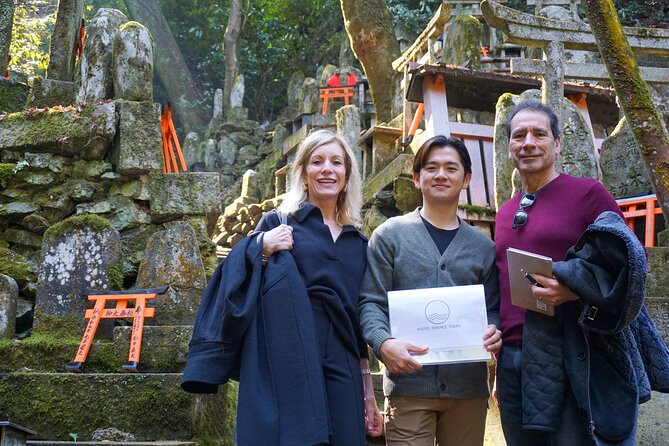
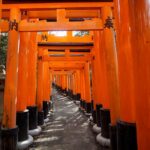
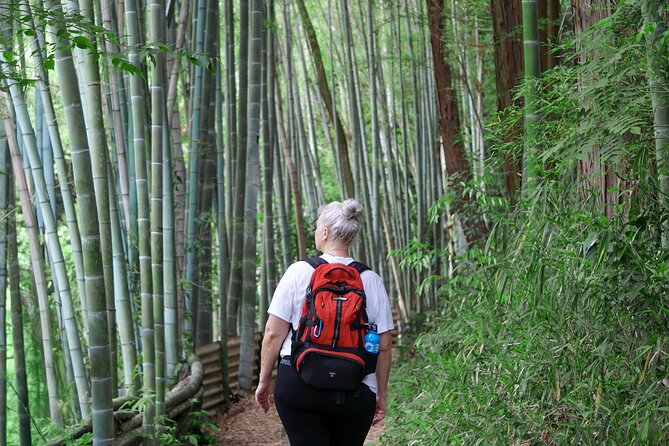
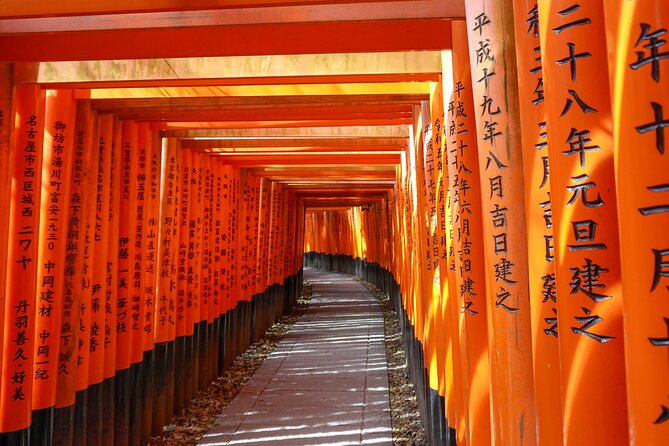
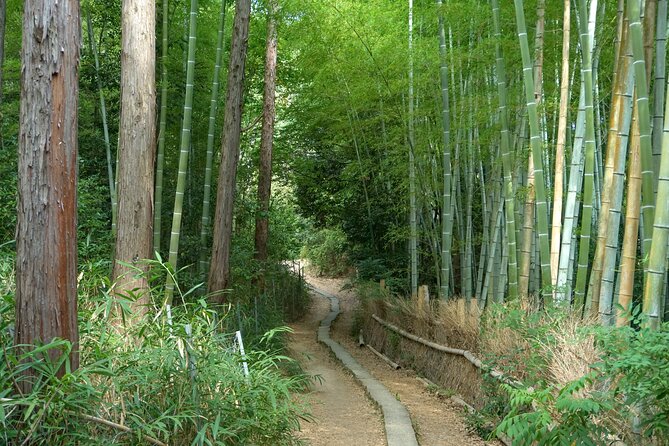
Once you enter the shrine area, you’ll move through vermilion torii gates and wild bamboo groves along mountain paths that feel calmer than what most people experience right away. This is where the guide’s routing makes a big difference. You’re not simply walking from point A to point B—you’re traveling through a sequence of spaces.
Along the way, you’ll pass through to reach the iconic Senbon Torii Gates area and continue toward the main shrine. The Senbon section is the one everyone recognizes, but I think what makes it special here is timing and context. When you’re not constantly stuck behind lines, you can look upward at the repeating gate rhythm and appreciate how the route draws you deeper.
The tour is also designed for photos that feel intentional rather than accidental. Your guide can help you choose spots where gates frame the scene well and where you can pause without blocking other visitors.
The main shrine moment: seeing Inari with meaning, not just miles
At the main shrine area, you’ll get more than the usual quick look. The point of a private guide is that you can slow down and ask yourself what you’re actually seeing: why torii gates are placed, how the shrine relates to Shinto practice, and what the mountain setting suggests in terms of belief.
Your guide provides English narration on Japanese culture, history, and Shintoism, so you’re not left piecing things together with signs alone. This is especially helpful at Inari, where there’s a mix of ritual space and walking route, and it’s easy to miss how they connect.
If you’re the type of traveler who likes to understand before you photograph, this stop will feel like the payoff. If you’re purely photo-focused, you’ll still enjoy it—but you might spend less time absorbing the explanations and more time taking pictures at the best angles.
Downhill views of Fushimi Momoyama Castle from the mountainside
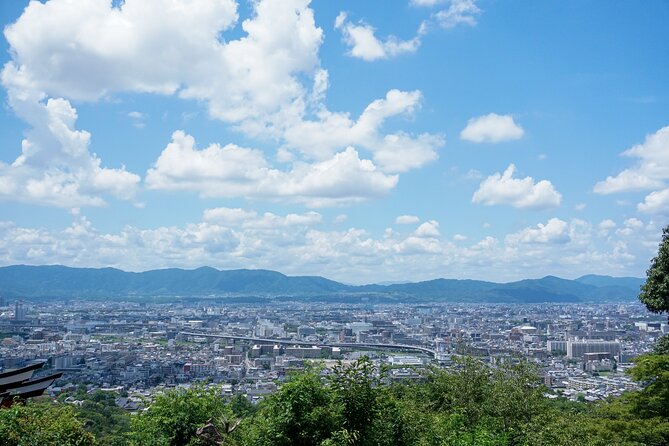
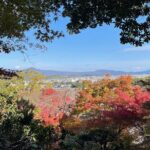
The route keeps things varied on the way back down. From the mountainside, you’ll enjoy scenic views of Fushimi Momoyama Castle. It’s a nice change from the torii-gate pattern, and it adds a broader sense of Kyoto’s geography.
This downhill segment is also psychologically helpful. Going down tends to feel easier, but your eyes are still catching new angles. A guide who knows the timing and path can make the return feel like a second highlight, not just the walk back to your meeting point.
You can also read our reviews of more hiking tours in Kyoto
DSLR photos included: why it’s worth caring about this detail
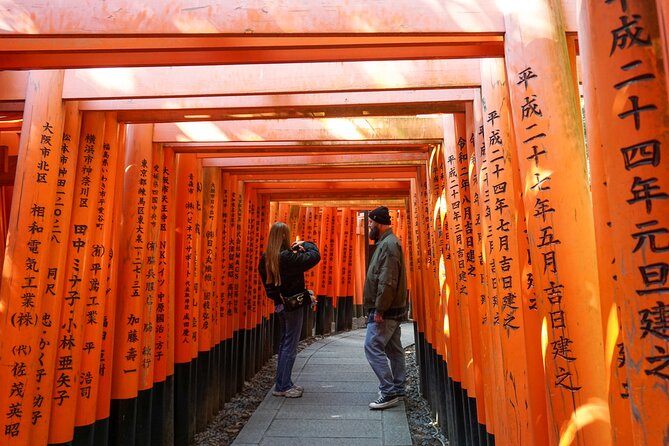
One of the most underrated parts of private walking tours is the photo workflow. Here, you get complimentary photos taken with a DSLR camera, shared after the tour.
That means less scrambling for your own camera at the exact moment you want the shot. It also helps avoid the common problem of gate photos where the framing looks rushed or tilted. Even if you’re a confident photographer, having someone else handle timing and composition at the best points is a real time-saver.
If you want a few strong, shareable photos without turning the whole hike into a self-managed photo shoot, this inclusion is one of the best parts of the experience.
How the private guide prevents “Inari stress”
Inari’s routes can feel confusing even when you know the landmarks. The shrine has multiple paths, turns, and gate concentrations, and it’s easy to accidentally end up on the busiest line if you’re trying to follow crowds.
This is where the private setup earns its keep. You get no getting lost benefits and a route designed to keep your energy focused on what matters most: the quieter trails, the iconic gate sequences, and the views that support the story of the day.
The best part is that the guide’s attention isn’t split. When you pause, when the group wants a moment for photos, or when you want clarification about what you’re seeing, the guide can respond right away.
And yes—if your day includes rain, the quiet-routing approach can still pay off. One of the guides highlighted in feedback (Louis) was noted for adapting the experience so it still felt special even in rainy conditions.
Price and value: what $62.26 really buys you
At $62.26 per person, this tour is priced like an experience with a real labor component: a private English-speaking local guide, narration, route planning, and the DSLR photo service.
If you’ve ever done a self-guided Inari day, you might think this is expensive for a walk. But compare what you get:
- You’re not paying for “walking with a map.”
- You’re paying for route expertise (to avoid crowds and keep the pacing right).
- You’re paying for meaningful context while you walk, not after you’ve already missed the moment.
- You’re paying for photo help that saves time and improves results.
Is it worth it? If you value good photos, want a smoother route, and prefer understanding Shinto culture from a human guide rather than reading on the fly, you’ll likely feel the value quickly.
If you’re the type who likes to wander freely with no structure and you’re comfortable navigating Kyoto shrine areas solo, you could do it cheaper on your own. But you’ll be trading away the guided context and the time-saved route planning.
Timing, transportation, and what to plan around
The tour is about 3 hours (approx.). That’s long enough to feel like you did something substantial, but short enough to fit into a Kyoto itinerary without killing your whole day.
You’ll be close to public transportation at the start, which helps. Still, you should build in a little buffer for getting to FamilyMart Nakai Tofukuji and finding the guide.
The tour ends at the Romon Gate, just before the main hall. From there, you’ll be able to continue your day on your own, whether that means grabbing a snack nearby or connecting to another part of Kyoto.
Food and drinks are not included, so plan for it. I recommend treating this as a morning activity, then eating afterward.
Weather, shoes, and moderate fitness reality check
This experience requires good weather, and if it’s canceled due to poor conditions, you’ll be offered a different date or a full refund. That’s important because this is still a walking hike on paths.
You should have moderate physical fitness. The tour is described as a mountain-path experience that includes stairs and walking segments that can add up. Comfortable shoes are not optional here—your feet will thank you later.
Bring a small day bag with what you need for weather (like a light rain layer if forecasts look iffy). Even with rain, a good guide can keep the route focused on quieter areas, but you still need to be physically ready to walk.
Who this private hike is best for
This is a great fit if you:
- Want to see Inari’s gates but also escape peak crowds
- Like learning as you go, especially about Shintoism
- Care about photography and would rather have a guide handle key photo moments
- Prefer a private, flexible pacing style over a shared group schedule
It’s also smart for first-timers to Kyoto who feel overwhelmed by logistics. A guide helps you enjoy the experience without spending your energy on navigation.
If you’re an ultra-fast walker who hates explanations, you might find a longer narrative pacing less satisfying. But even then, the quieter trails and photo help make the walk worth it.
Should you book this Kyoto Fushimi Inari Hidden Hike?
I’d book it if your goal is a high-quality Inari visit that feels calm, meaningful, and photo-ready. The biggest win is the combination of quiet route planning plus English narration plus DSLR photos. You’re not just buying access to Fushimi Inari; you’re buying a smoother way to experience it.
I’d skip it if you’re going for maximum freedom, minimum structure, and you don’t care much about guided context or professional photo help. In that case, a self-guided walk might fit your style better.
A good middle-ground decision rule: if you want the iconic gates but also want the hike to feel less like a crowd corridor, this private approach is exactly the type of investment that pays off in real memories.
FAQ
How long is the Kyoto Fushimi Inari private hike?
It’s listed at about 3 hours.
Is this tour private or shared?
It’s a private tour/activity, so only your group participates.
What language is the guide?
You’ll have an English-speaking local guide and English narration about Japanese culture, history, and Shintoism.
Are there any admission fees included?
The shrine visit shown includes an admission ticket marked as free.
Where do I meet the guide?
The start meeting point is FamilyMart Nakai Tofukuji, 12-chōme-232 Honmachi, Higashiyama Ward, Kyoto 605-0981.
Where does the tour end?
It ends at the Fushimi Inari Shrine Tower Gate, in front of the Romon Gate just before the main hall.
Is hotel pick-up or drop-off included?
No, hotel pick-up and drop-off are not included.
Are food and drinks included?
No, food and drinks are not included. Plan to eat on your own before or after the hike.
Are photos included?
Yes. Complimentary photos are taken with a DSLR camera and shared after the tour.