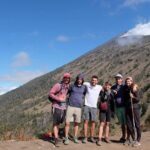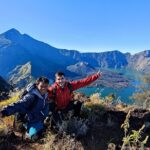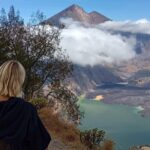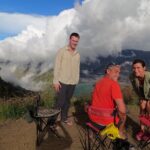
This is the kind of hike where sunset and sunrise are the main event, not an afterthought, and it’s also built around real on-the-mountain pacing with help from guides like Ajes and Dul. I especially like how the plan reaches the crater rim (2639m) the evening before your summit push, so you’re not scrambling for views at the last minute. The main drawback is simple: this is a serious trek—expect up to 8.5 hours of walking a day and a prolonged steep climb, so it’s not ideal if you’re new to hiking or easily wiped out.
You’ll start with pickup from Senaru, roll into Sembalun around 8:00am, stop for breaks and lunch at set points (1300m, 1500m, 1800m), camp on the rim, then wake up around 2:00am to begin the summit trek at 3:00am. It’s capped at 10 travelers, so the group stays manageable, and the guides keep the tone calm when the going gets gritty.
In This Review
- Quick Highlights
- Crater-Rim Timing: Why This Trek Feels Like a Two-Show Deal
- Route Rundown: Senaru Pickup to Sembalun Trail and the Crater Rim
- The climb to the first checkpoints
- Pos 3 and the shift toward the rim
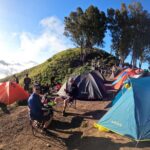
- Camp on the rim for sunset and sunrise positioning
- The 2:00 a.m. Plan: Pre-Summit Prep Without Guesswork
- What Makes the Team and Pace Feel Smooth
- Small group size
- Pickup and return
- Responsive ownership and real help
- Price and Value: Is $215 Fair for This Mountain Time?
- What You’ll Do Each Day (Without the Foggy Parts)
- Day 1: Sembalun trail, three checkpoints, rim camp
- Day 2: Wake in darkness, summit push early
- Fitness Reality Check: Who This Is For (and Who Should Think Twice)
- Tickets, Weather, and the One Thing You Can’t Control
- Admission tickets
- Weather rules
- Should You Book This 2-Day Sunrise and Sunset Rinjani Hike?
- FAQ
- FAQ
- What does this 2 days 1 night Mount Rinjani trek include?
- What time do you start on Day 1?
- When do you start the summit trek on Day 2?
- Where are the main stops and what altitude levels are included?
- How hard is the trek and who is it for?
- Is hotel pickup included?
- Is the admission ticket included in the price?
- How many people are in the group?
- What happens if the weather is bad or I need to cancel?
Quick Highlights
- Crater-rim camping at 2639m for a full evening plus pre-dawn sunrise positioning
- Structured stop system at 1300m, 1500m (with lunch), and 1800m to break up the climb
- Early summit start around 3:00am after a hot drink and light breakfast
- Small-group pace with a maximum of 10 travelers for tighter attention on the hike
- Guide support you can feel—Ajes is noted for staying calm, Dul for being professional, and teams for being helpful with gear
Crater-Rim Timing: Why This Trek Feels Like a Two-Show Deal
The core reason this trek works is timing. You don’t just hike up to a random viewpoint—you camp on the Sembalun crater rim at 2639m, which is a high, exposed spot where the sky matters. Day 1 is designed so you can settle in, then enjoy the view as the light changes. That sets you up for the other half of the story on Day 2, when you head for the summit while the world is still dark.
That matters because pre-dawn hikes can turn into stress marathons. With this plan, you get the rim first. So when you wake up around 2:00am under darkness and start climbing at 3:00am, you’re already where you need to be. You’re not losing time to logistics or extra transfers that eat away at your energy.
I also like that the trek has a “step-by-step” feel rather than a nonstop grind. You’re walking through open meadow on the way up, then moving into the steep sections later. Even if you’re fit, it helps to know when the hard part is coming.
Route Rundown: Senaru Pickup to Sembalun Trail and the Crater Rim
Day 1 begins with real-world logistics: pickup at 7:00am from your hotel, then a drive to the trail start point in Sembalun Village around 8:00am. That buffer is useful. You arrive fed, not rushed, and ready to move when the walking begins.
The climb to the first checkpoints
From the start, you begin with a gentle climb through open meadow. It’s not the steep part yet, but it’s a great way to get your body warm and your pace settled. About 2 hours in, you reach Pos 1 at 1300m. Then it’s roughly 40 minutes more to Pos 2 at 1500m.
At Pos 2, you take lunch. That stop is more than a meal break—it’s a rhythm reset. When you’re doing a mountain trek, small planning moments like lunch time can be the difference between “I’ll be okay” and “why did I ignore that warning.”
Pos 3 and the shift toward the rim
After lunch, the route continues to Pos 3 at 1800m. The time you spend there gives you a chance to rest before the biggest step: the push to the crater rim at 2639m.
From Pos 3 to the crater rim is about 3 hours, including a prolonged steep climb. That line is important. If you’re the type who can do cardio but hates steep grades, this is where you’ll feel it. It’s not a “walk and forget” stretch. It’s work.
Camp on the rim for sunset and sunrise positioning
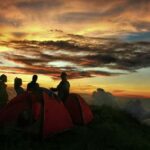
Once you reach the crater rim, you camp overnight. The point of camping here is not just convenience. It’s so you can enjoy the sunrise and sunset from the same dramatic high spot without burning daylight on extra travel.
And yes, you will likely be tired. But tired in the good way: the kind that makes the sky look unfairly beautiful.
The 2:00 a.m. Plan: Pre-Summit Prep Without Guesswork
Day 2 starts with a wake-up that’s early enough to feel personal: you wake up around 2:00am. You’ll get a hot drink and a light breakfast, then begin the summit trek at 3:00am.
The practical value here is simple: you’re not relying on guessing whether you packed the right snacks or whether you can eat fast enough in darkness. The trek runs as a sequence—wake, warm up your body with something hot, eat lightly, then move.
Still, keep expectations realistic. A 3:00am summit start means you’ll want to move steadily when it’s cold and your legs are half-asleep. This is where guides make a difference. The standout you’ll want to look for is a guide who stays calm and reassuring, especially during the steep, demanding moments. Ajes is specifically noted for that kind of steady presence, and Dul is praised for professional support.
If you tend to second-guess yourself at night or when it’s cold, this structure helps. It also means you should be mentally ready for a tough first phase of Day 2, before any big sense of reward hits.
What Makes the Team and Pace Feel Smooth
A lot of hiking tours sell the view. This one also puts effort into keeping the experience organized.
Small group size
The program caps at 10 travelers. That may sound like a detail, but it affects everything: pace control, space at checkpoints, and whether you can get attention if something goes wrong.
Pickup and return
You’re not left to navigate between places on your own. You start with pickup from your hotel area in Senaru and return back to the meeting point after the experience ends. If you’re juggling your first day timing, that direct pickup-to-trail approach saves stress.
Responsive ownership and real help
The owner/operator (Sultan) is repeatedly described as responsive when booking, and helpful when transport gets tricky. There’s also an example of the team replacing broken gear like flashlights, which is the kind of practical problem-solving that prevents a hike from turning into a scramble.
That’s especially relevant for an early-start trek. Pre-dawn hiking depends on visibility and getting your gear sorted quickly. When a team can swap gear, you lose less time and panic.
Price and Value: Is $215 Fair for This Mountain Time?
At $215 per person, you’re paying for more than a “walk to a volcano.” You’re paying for a 2-day/1-night mountain program with guided support, overnight logistics on the crater rim, and a route built around multiple elevation checkpoints (1300m, 1500m, 1800m, up to 2639m).
The value is strongest if you want structure and don’t want to piece together the climb yourself. For solo hikers, this type of group departure can be cheaper than private options. One person noted they went solo and got grouped with other solos, which can lower cost while still keeping the small-group feel.
What’s not included matters too: admission tickets are not included. That’s not unusual, but it’s the kind of detail you want to confirm when budgeting.
Bottom line: $215 can feel like good value if you’re the kind of traveler who values a guided pace, meal timing, and someone handling the “where do we go next” part. If you already know how to self-organize a difficult volcano trek, you might find cheaper options—but you won’t get the same level of packaged coordination.
What You’ll Do Each Day (Without the Foggy Parts)
Here’s the schedule rhythm you should expect, in plain terms.
Day 1: Sembalun trail, three checkpoints, rim camp
- 7:00am pickup from your hotel area (Senaru)
- Drive to the trail start in Sembalun Village around 8:00am
- Gentle climb through open meadow
- Pos 1 (1300m) after about 2 hours
- Pos 2 (1500m) after about 40 minutes more; lunch here
- Continue to Pos 3 (1800m) after lunch and rest
- Push to Sembalun crater rim (2639m) in about 3 hours, including a prolonged steep climb
- Camp on the rim
- Enjoy sunset and sunrise views from the crater rim area
Day 2: Wake in darkness, summit push early
- Wake around 2:00am with a hot drink and light breakfast
- Start the summit trek around 3:00am
- (After the summit work, the experience returns you back through the program end point, with the activity ending back at the meeting point)
Note: the provided information doesn’t list the exact walking time for the summit segment, but it clearly signals a serious early start. Plan to bring energy for a demanding day.
Fitness Reality Check: Who This Is For (and Who Should Think Twice)
The program is described as good for experienced climbers or for trekkers with a strong fitness level who can walk up and down for about 8.5 hours per day.
That 8.5 number is your clue. This is not a stroll. It’s also not a “barely moderate” hike. You’ll face a prolonged steep climb segment on Day 1 and then the early summit start on Day 2.
What I’d watch for:
- If you’ve only done short hikes with minimal elevation, this is likely going to be too much.
- If you hike regularly and manage uphill stamina, you’ll probably feel more in control.
- If you’re okay with being cold and tired before sunrise, you’ll adapt faster.
Also, you should be honest about your gear and your pacing. The team can help, but no one can do the steep part for you.
Tickets, Weather, and the One Thing You Can’t Control
Two practical reminders:
Admission tickets
The admission ticket is not included. Budget time to check what applies to your booking and how to handle it when you arrive.
Weather rules
The trek requires good weather. If conditions are poor, the operator will offer a different date or a full refund. That’s key because a mountain plan like this depends on visibility and safety.
So yes, you can be confident that the company has thought about weather. But you should also build flexibility into your Lombok schedule.
Should You Book This 2-Day Sunrise and Sunset Rinjani Hike?
If you want a volcano trek with a real reason to wake up at night—sunrise that’s timed by design, not luck—this package fits well. It also suits you if you like structured breaks at fixed points (1300m, 1500m, 1800m) and you value a small group where the guide can keep an eye on the hike pace.
Don’t book if you’re hoping for an easy introduction to mountain hiking. The route includes long walking days and a prolonged steep section, and the summit work starts extremely early.
My decision rule:
- Book if you’re fit, comfortable with steep grades, and you want sunrise and sunset from the rim.
- Skip or choose a gentler program if your hiking experience is limited or you’re nervous about early pre-dawn starts.
FAQ
FAQ
What does this 2 days 1 night Mount Rinjani trek include?
It’s a trekking program starting from Sembalun, going up to the crater rim, continuing to the summit, and then trekking back to Sembalun, with one night camp on the crater rim.
What time do you start on Day 1?
You’ll be picked up at 7:00am, then driven to the Sembalun trail start area around 8:00am.
When do you start the summit trek on Day 2?
You wake around 2:00am with a hot drink and light breakfast, then start heading to the summit at 3:00am.
Where are the main stops and what altitude levels are included?
The route includes Pos 1 at 1300m, Pos 2 at 1500m (lunch here), Pos 3 at 1800m, and camping on the Sembalun crater rim at 2639m.
How hard is the trek and who is it for?
It’s good for experienced climbers or trekkers with good fitness who can walk uphill and downhill for about 8.5 hours per day.
Is hotel pickup included?
Yes, pickup is offered, starting from Senaru (with the trail drive into Sembalun around 8:00am).
Is the admission ticket included in the price?
No, the admission ticket is not included.
How many people are in the group?
The group size is capped at a maximum of 10 travelers.
What happens if the weather is bad or I need to cancel?
The trek requires good weather. If it’s canceled due to poor weather, you’ll be offered a different date or a full refund. You can cancel for a full refund up to 24 hours in advance.