REVIEW · LOMBOK
3 Days and 2 Nights Summit Via Sembalun
Book on Viator →Operated by Rinjani Hero · Bookable on Viator
Rinjani rewards the effort fast. This 3-day summit trek brings you to Pelawangan Sembalun, sleeps two nights on the mountain, then gives you more than just a top photo with lake + volcanic hot springs time.
What I especially like is the small-group feel (up to 15) and how porters handle the camping setup and cooking gear so you can focus on the hike. One thing to factor in: you still pay extra on your end for items like proper trekking clothing and the Sembalun Village entrance fee.
The route is challenging, but it’s guided in a way that helps you avoid the classic problems on mountains: getting lost, moving too fast, and feeling stuck when conditions turn. In past groups I’ve heard praise for specific guides by name—Joe, Awal, and Sapar—credited with keeping pace and stepping in during tough sections.
If you want a Rinjani trip that feels organized (tents, sleeping bags, meals, and a plan for the summit day), this one is built for that. Just don’t underestimate Day 2, and don’t assume the trek shoes and layers you need will be included.
In This Review
- Key takeaways before you commit
- Day 1 to Pelawangan Sembalun: the climb that sets your rhythm
- Two nights of camping: what you really get (and what you don’t)
- Summit day (Day 2): big views, plus lake and hot springs time
- Day 3 descent to Senaru: sunrise, then an earned downhill
- Guide and porters: where the trip quality really shows
- Price and logistics: is $220 good value on Rinjani?
- Who should choose this trek (and who should pass)
- Should you book the Mt. Rinjani summit via Sembalun with Rinjani Hero?
- FAQ
- What does the tour price include?
- Are meals and cooking handled during the camping nights?
- How many people are in the group?
- Is the Sembalun entrance fee included?
- Do I need travel insurance?
- What personal trekking gear should I bring?
- Can I cancel or change the booking for a refund?
Key takeaways before you commit
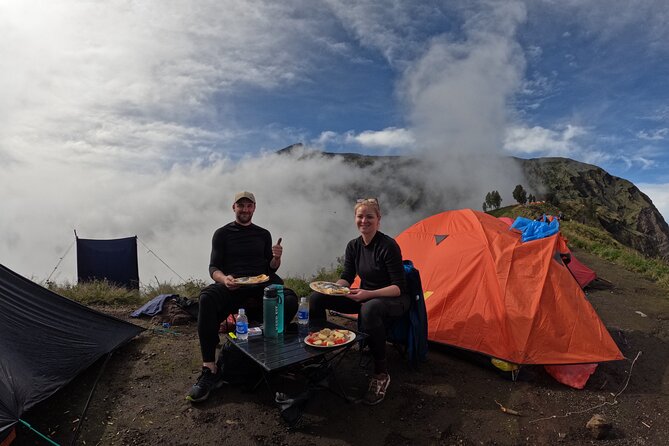
- Porters carry your load: cooking gear and camping equipment go with the team, not on your back
- Camping gear is included: tent, sleeping bag, mattress, pillow, and even a toilet tent setup
- More than a summit run: you get time at the lake area and volcanic hot springs
- Small group, max 15 people: you’re less likely to feel like a number
- Bring the right personal layers: trekking shoes and cold/rain gear are not included
Day 1 to Pelawangan Sembalun: the climb that sets your rhythm
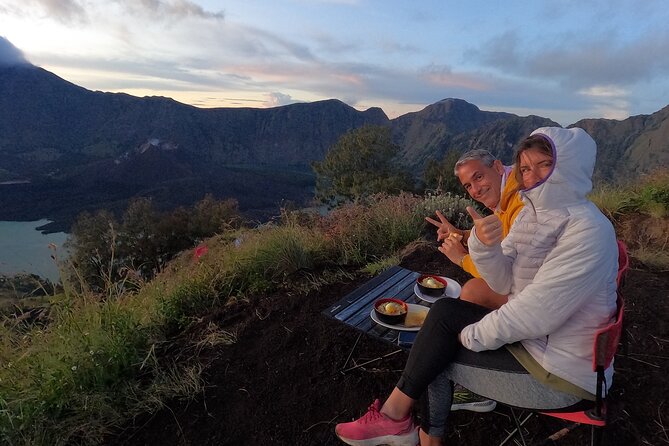
Your trek starts with a move from Senaru to Sembalun, then you spend Day 1 working your way up to Pelawangan Sembalun at about 2,639 meters. The big moment here is the steep climb—plan for a slow, steady pace. The schedule builds in time (around 7 hours total on Day 1), but you’ll feel that prolonged steep section in your legs more than you expect.
What makes this start worthwhile is that it’s not just a jump straight into “summit mode.” Day 1 is a warm-up in the real sense: you learn how your body handles altitude, how you breathe when the ground tilts, and how to conserve energy without stopping every two minutes.
Two practical notes I’d take seriously:
- Pace early. If you sprint Day 1, Day 2 will punish you.
- Expect dust, wind, and cool air at elevation, even if the morning feels mild.
Two nights of camping: what you really get (and what you don’t)
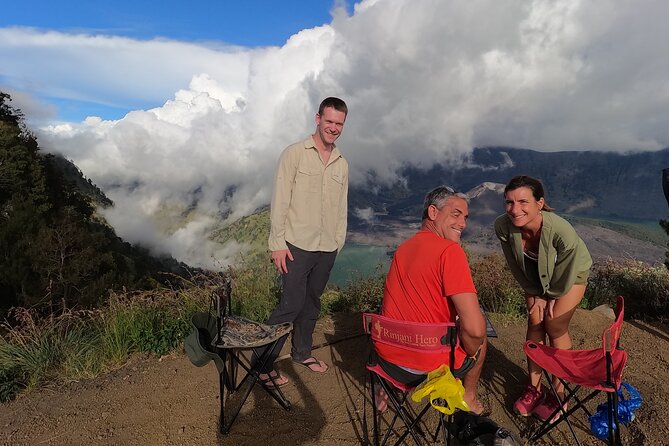
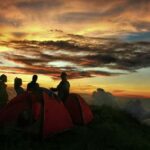
This trek is designed around comfort at altitude. You camp two nights on the mountain, and the essentials are included: a tent, a toilet tent, sleeping bags, mattress, pillow, and even a chair and table. That means your “camp life” doesn’t depend on luck or last-minute improvising.
The porter help is a major value point. Porters handle the cooking gear and camping equipment, so your personal job is mostly to hike (plus manage your own small daily pack). The tour also includes a plastic rain coat, which is one of those items that can turn a miserable rainy stretch into a tolerable one.
What’s not included is also important:
- You’ll need a small bag/daily pack (the tour doesn’t provide it)
- Trekking shoes and personal clothing (long pants, gloves, jacket) are on you
In other words, this isn’t a “you show up in flip-flops” situation. But it is a very good deal if you don’t want to carry the bulk of camping logistics yourself.
Summit day (Day 2): big views, plus lake and hot springs time
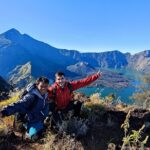
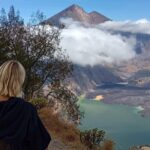
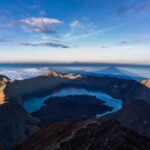
Day 2 is the heart of the trip, clocking in around 10 hours. From the summit, you’re looking out over Lombok, Bali, Sumbawa, and Segara Anak Lake—the kind of panorama that makes you forget the burn in your calves for a few minutes.
The standout advantage on this tour is that it doesn’t end at the top. The program includes time for the lake and access to volcanic hot springs. There’s even a detail worth knowing: after walking about 100 meters from the lake, you can enjoy the hot springs and swim/bathe in the area. That short distance matters. On Rinjani, the difference between “we reached something eventually” and “we can actually relax there” is huge.
How I’d plan your mindset for this day:
- Treat the summit push as a goal with patience, not a race.
- Save your energy after the summit for your lake/hot springs time. That’s where the trip’s meaning comes through.
Also, because this is a guided experience, you get someone watching the flow of the group. That matters when weather shifts or when energy levels drop.
Day 3 descent to Senaru: sunrise, then an earned downhill
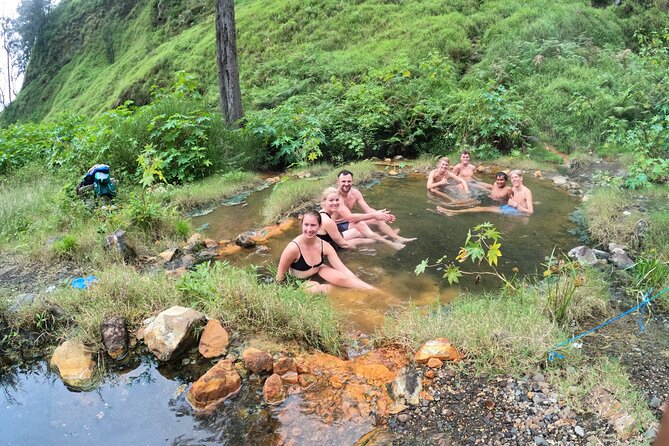
Day 3 starts with breakfast and sunrise, plus time to take in the lake scenery before the descent. The plan then takes you down toward Senaru for about 4–5 hours.
This final day can feel strangely emotional. You’ve already done the hardest part, but you’re still at altitude long enough to notice the air change and feel your body shift from “climb mode” to “finish mode.” If you’re the kind of person who likes to savor a view before it disappears, the sunrise and lake time are a good match.
One thing to keep expectations realistic: the descent is long enough that you’ll still use your muscles, especially knees and ankles. Even when the job is going down, you’ll want solid footing and good trekking habits.
Guide and porters: where the trip quality really shows
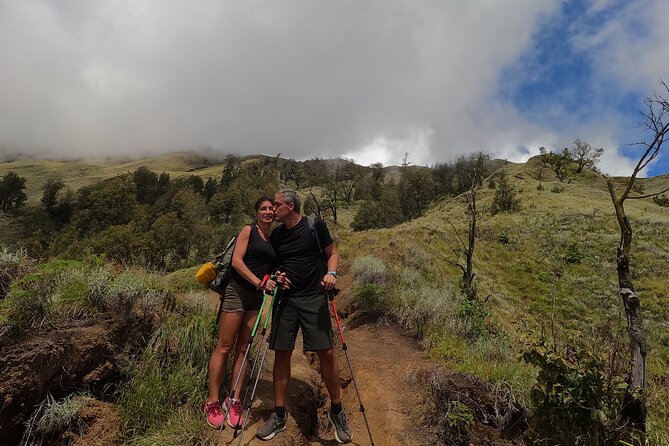
This trek caps at 15 travelers, and the model is “small group with personalized attention.” In practice, that usually means you don’t feel shoved along with a crowd, and you’re more likely to get help when you hit a difficult section.
The team includes a trekking guide plus porters who carry the cooking gear and camping equipment. The porters are a core reason this tour feels doable for a moderately fit hiker without turning into a carry-heavy expedition.
I also like that the tour includes a medical check (listed at 25,000 per person) and provides a plastic rain coat. Those items are simple, but they show the operator is thinking about the realities of a mountain hike.
From the guide names praised in the experience, you may run into guides such as Joe, Awal, and Sapar, with support described as helpful during tough passages. I’d still encourage you to talk with your guide early in the trek about pace and how you want breaks to work.
Price and logistics: is $220 good value on Rinjani?
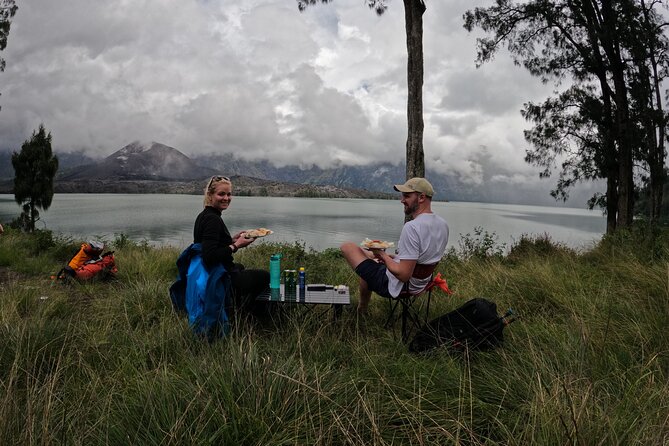
At $220 per person, this trek can feel like a good deal for what’s included—especially if you’d otherwise have to pay for guiding and camping setup separately. Your included value covers:
- Trekking guide and porters
- Camping equipment (tent, sleeping bags, mattress, pillow, toilet tent, chair/table)
- Cooking gear handling by porters
- Medical check (listed)
- Plastic rain coat
- Transport from Senaru to Sembalun to start the trek
Your extra costs are where people can get surprised:
- Tipping for porter and guide (not included)
- An extra porter option at $25/day (only if you choose it)
- Personal trekking gear like shoes and cold/rain layers (not included)
- Sembalun Village entrance fee at IDR 600,000 per person
If you add the entrance fee and think about clothing you may need to buy (or rent elsewhere), the total can climb. But even with that, this package tends to hold value because it handles the heavy camping logistics for you.
Two small logistics bonuses:
- There’s a mobile ticket
- The average booking window is around 52 days in advance, which suggests you’ll want to plan early rather than wait until the last minute
Who should choose this trek (and who should pass)
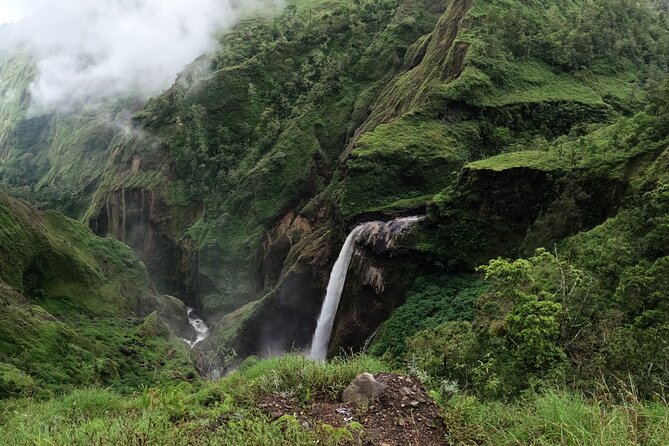
This hike is built for people with moderate physical fitness who enjoy hiking and camping. If you’re comfortable with long hours on foot, and you can handle altitude pressure on a tough Day 2, you’re a strong fit.
You should consider another plan if:
- You don’t have the trekking clothing basics (proper pants, jacket, gloves)
- Your knees or ankles struggle with steep climbs and longer descents
- You want a totally casual day with minimal physical effort
And be honest about the summit day. Even when the tour is guided and planned, Rinjani is still Rinjani. The difference between a great day and a miserable one is usually pace, hydration, and not going out too hard on Day 1.
Should you book the Mt. Rinjani summit via Sembalun with Rinjani Hero?
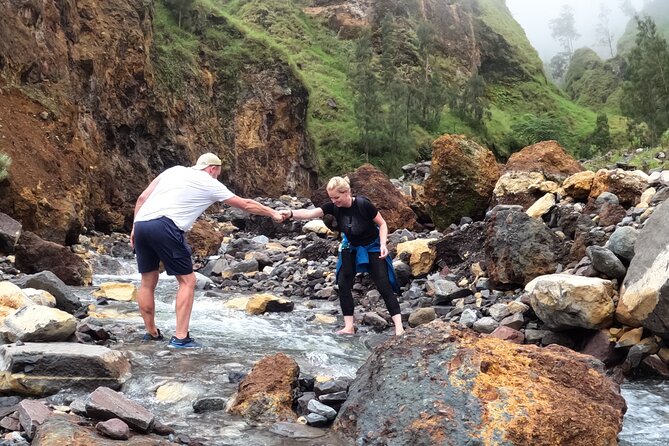
If your goal is a guided 3D/2N summit trek that includes serious mountain time and real relaxation options at the lake and hot springs, I think this tour is a smart choice. The included camping gear and porter carrying make it feel structured, not chaotic. And with a very high satisfaction signal (a 5-star rating and 100% recommended in the provided record), you’re choosing an operator with a track record of getting the basics right.
I’d book if you:
- Want a small-group experience (max 15)
- Prefer to hike while someone else manages the camp setup
- Want more than a summit photo and a quick return
I’d pause if:
- You’re counting every extra dollar and don’t want to deal with add-ons like tipping and the Sembalun entrance fee
- You’re not ready to bring personal trekking gear
FAQ
What does the tour price include?
The price includes a trekking guide and porters (who carry cooking gear and camping equipment), camping gear like a tent and sleeping bags, a toilet tent setup, a mattress, pillow, chair and table, plus a medical check (listed at 25,000 per person) and a plastic rain coat. It also includes transport from Senaru to Sembalun to start the trek.
Are meals and cooking handled during the camping nights?
Yes. The included porters carry the cooking gear and camping equipment, which means meals are handled as part of the trek operation while you camp.
How many people are in the group?
This activity has a maximum of 15 travelers, which is part of what keeps the guide attention more personal.
Is the Sembalun entrance fee included?
No. The entrance fee is listed as IDR 600,000 per person and is not included.
Do I need travel insurance?
Personal travel insurance is not included, so you should arrange it yourself.
What personal trekking gear should I bring?
The tour does not include trekking shoes or personal clothing such as long pants, gloves, and a jacket. You should also bring your own small daily pack.
Can I cancel or change the booking for a refund?
No. The experience is non-refundable and cannot be changed for any reason. If you cancel or ask for an amendment, the amount you paid will not be refunded.