REVIEW · KYOTO PREFECTURE
Kyoto: Hike and Hot Springs in Kurama
Book on GetYourGuide →Operated by Kyoto Fun · Bookable on GetYourGuide
Curves of cedar and faith. I love how this half-day trip blends a real Mount Kurama climb with the calm of Kurama Temple, and I love the stop at Kibune shrine where you can make a prayer for good relationships. One possible drawback: the climb up steps is no joke, and if you don’t come ready with comfy shoes and some fitness, you’ll feel it.
After the temple, you drop into the small mountain village of Kurama with an easy set of choices: late lunch, a stroll, or the famous Kurama Hot Spring soak. And since guides like Philippe, Chris, Kevin, and Salome often share stories as you hike, the day feels more meaningful than a checklist. Just know the tour ends in Kurama, not back at your starting point.
If you want Kyoto’s big-ticket temples and shopping streets, this is not that day. This is the Kyoto countryside you can feel in your legs, followed by steam and mountain air.
In This Review
- Key highlights worth penciling in
- Meeting at Demachiyanangi: starting the day at the Eizan line
- The mountain train ride from Kyoto to the gorge
- Kibune shrine and the prayer for relationships
- The hike up through cedar shade toward Kurama Temple
- Pace matters more than you think
- Wildlife moments that make the trail feel alive
- Kurama Temple: the “power spot” viewpoint and what to look for
- Extra temple areas and the bell
- Kurama village after the temple: where the day loosens up
- Kurama Hot Spring (Onsen): the soak that makes the hike worth it
- A note on clothing and comfort
- Price and value: is $80 fair for a 4-hour mountain day?
- Guides can make (or break) the vibe
- Who should book this Kurama hike (and who should skip it)
- Should you book Kyoto: Hike and Hot Springs in Kurama?
- FAQ
- How long is the Kyoto: Hike and Hot Springs in Kurama tour?
- Where do we meet for the tour?
- What is included in the price?
- Is lunch included?
- Is the hot spring fee included?
- What should I bring?
- What fitness level do I need?
- What language is the guide?
- Who is this tour not suitable for?
- Does the tour end back at Kyoto in the same place it starts?
Key highlights worth penciling in
- Train ride through the gorge that sets the mood before you hike
- Kibune shrine stop with a relationship prayer
- Kurama Temple at the top, reached after a 30–40 minute climb
- Ancient forest walking with frequent scenic breaks
- Kurama village time to choose lunch, a walk, or an onsen
- Onsen payoff after hiking, with hot-spring fees not included
Meeting at Demachiyanangi: starting the day at the Eizan line
This tour starts at Demachiyanangi Station exit 7, right in front of the Eizan railway. It’s a good location because you’re already set up for the mountain train route, and the day doesn’t feel like it’s made of transfers and guessing.
The biggest practical win here is that transportation is included as part of the tour package. So you’re not spending your first 30 minutes figuring out which train goes where. Still, keep in mind a key detail: the tour does not include transportation back to the meeting point. You’ll end in Kurama village, and you’ll take the train back on your own (or do lunch/onsen first).
The mountain train ride from Kyoto to the gorge
Once you’re on the train, the whole tone shifts. You move from Kyoto’s urban rhythm into a quieter, greener corridor of valleys and ridgelines. It’s not just scenic; it’s pacing. The ride helps you warm up mentally, so the hike feels like the next natural step, not a random jump into exercise.
I like this because it’s the rare Kyoto day trip that starts gently. Reviews repeatedly mention the ride through the gorge as part of the charm. If you’re the type who gets stressed when a plan depends on you reading signage in a hurry, this is a relief. Your guide is with you from the start.
Kibune shrine and the prayer for relationships
Kibune and Kurama sit in the same north Kyoto world: rivers, cedar shade, and routes that feel older than your phone GPS. The tour begins with a sacred start, and one of the most human moments is the stop at Kibune shrine, where you’re invited to make a prayer for good relationships.
That might sound small, but it changes how you walk the trail. Instead of treating the day like cardio plus photos, you slow down and take the spiritual layer seriously. Even if you’re not big on rituals, you’ll likely find that the shrine stop resets the day. It’s quiet, it’s focused, and it puts the hike in context.
Also, you’ll be dealing with small outdoor realities. Bring water and wear comfortable shoes. If bugs are an issue for you, plan on long pants. That tip matters more in shaded forest areas than you might expect.
The hike up through cedar shade toward Kurama Temple
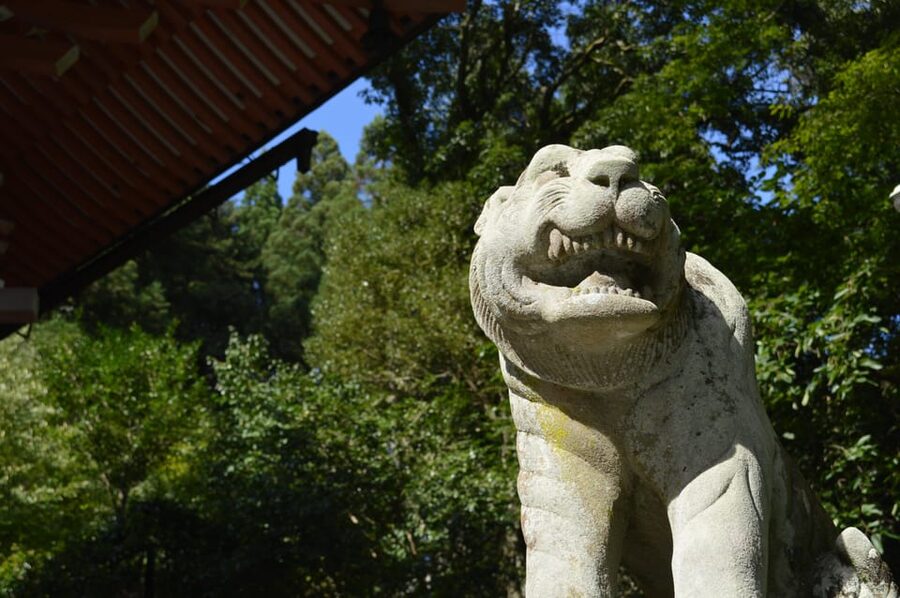
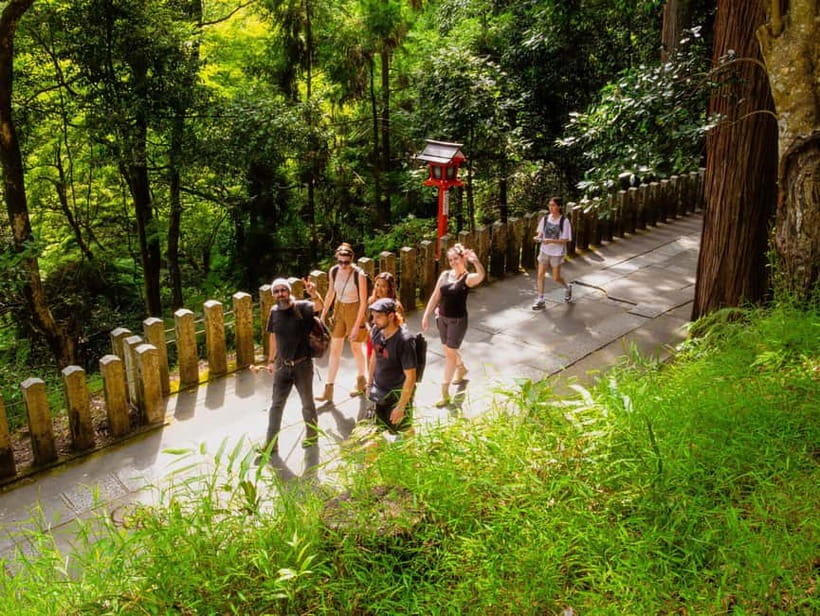
This is where your day becomes a workout. The hike is described as moderate, but that word can be misleading in Japan. You’re not just walking on flat paths. You’ll be climbing steps to reach the top, and the peak is reached in about 30–40 minutes once you’re on the main ascent.
I like that the route includes plenty of stops. The forest isn’t just pretty; it’s a breathing space. Your guide will point out sights and share stories as you go, and those short pauses help you keep a steady pace instead of burning out.
Pace matters more than you think
If it’s hot, the climb feels longer. One of the most useful things you can do is treat this as a hike, not a race. Stop when your guide stops. Take water sips. Let the shade do its job.
If you’re coming from sea level or you’re not used to long stairs, you may feel it in your legs even if you’re not winded. Plan to move slower than your normal walking speed.
Wildlife moments that make the trail feel alive
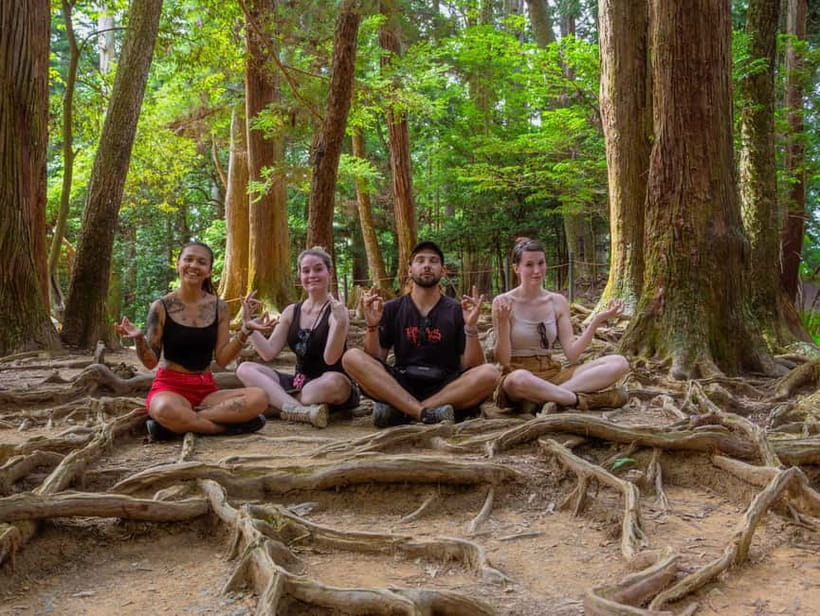
One reason this feels special is that you’re walking through real mountain territory, not a staged theme park trail. Some people have spotted deer on the way up. Others have even had a chance to spot a monkey higher on the route. That’s not something to count on, but it’s a hint of what kind of place this is.
Kurama Temple: the “power spot” viewpoint and what to look for
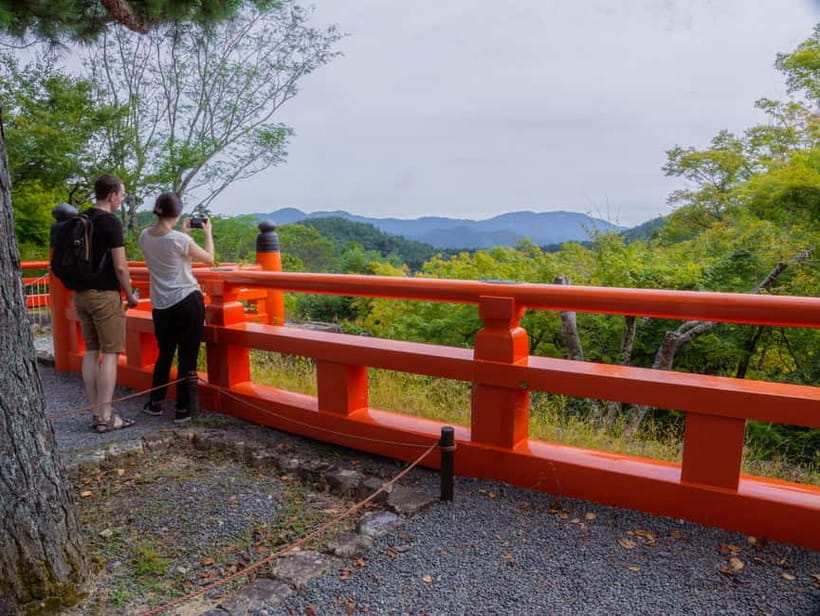
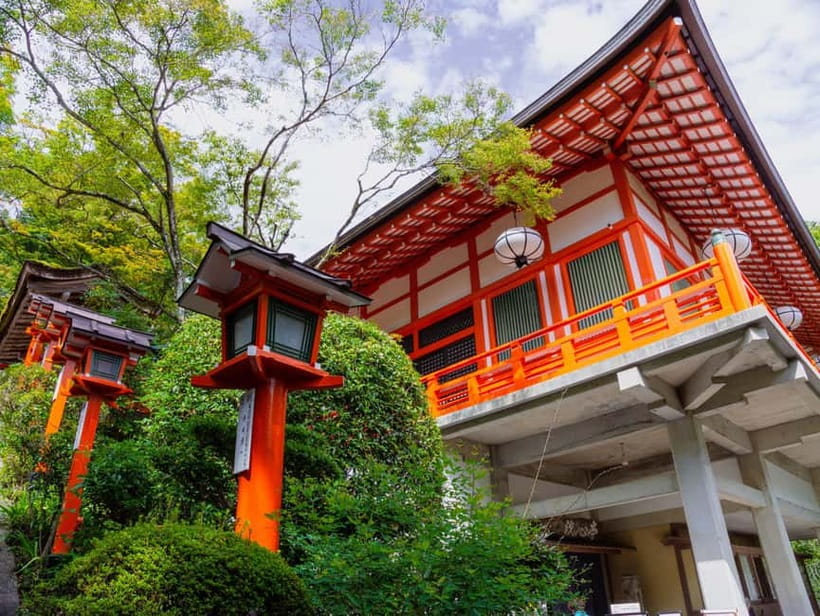
Reaching Kurama Temple at the mountaintop is the payoff for the climb. Locals consider the area a power spot, and that belief shows up in how people act once they’re there—quiet, reverent, and taking in the view instead of rushing for the next stop.
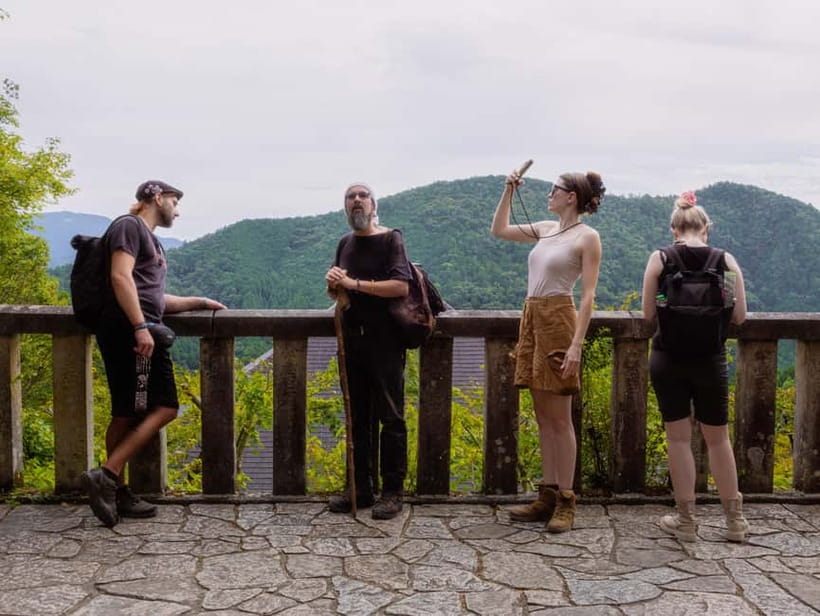
From the temple you get amazing views over the valley below. You’ll want a moment here where you don’t just look at the scenery; you actually take it in. The air feels different up there, and it’s one of those places where your brain stops buzzing for a minute.
Depending on timing and ongoing maintenance, parts of the temple area can sometimes be under scaffolding. That can limit what you see visually, though you may still be able to go inside. The key takeaway for you: if visibility matters a lot, accept that temple maintenance is a normal reality in Japan, not a personal failure on your part.
Extra temple areas and the bell
I also like that some guides manage to include extra temple details—on certain days, people have been shown areas like the crypt and maze-like spaces underneath the temple. You might also get a chance to interact with the large bell in the hills above the temple, which adds a memorable, physical moment to an otherwise still stop.
Not every group will see exactly the same side areas, but the theme is consistent: your guide helps you go beyond the surface.
Kurama village after the temple: where the day loosens up
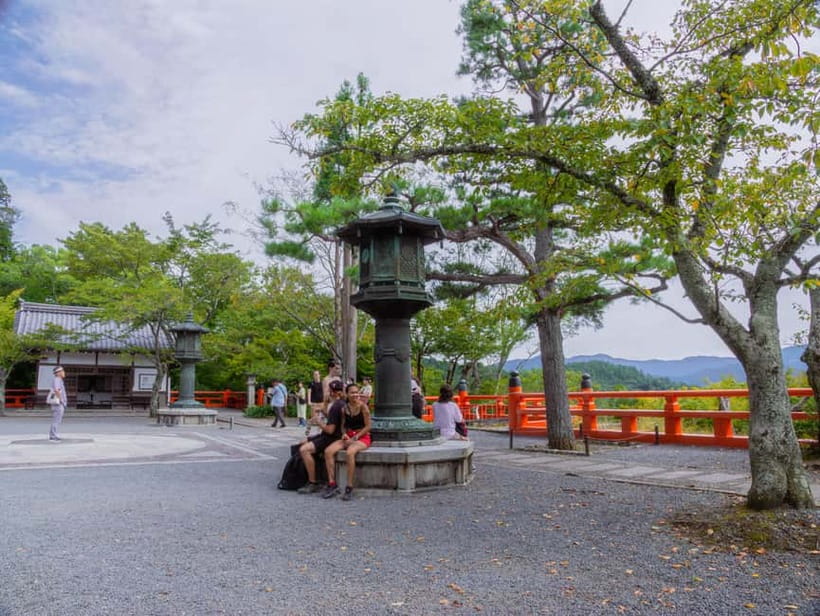
After Kurama Temple, the tour heads back down the steps and into Kurama village. This part is important because the day finally becomes less intense.
You get time to choose what you want next:
- Late lunch
- A stroll through the village
- The optional hot springs soak
This free-choice timing is a real value. It helps if your group has different energy levels. Some people want to eat immediately. Others want a slow walk and photos. Your guide provides guidance on what to do next.
You’re also not trapped in a one-option script. That matters because even a great hike can feel long if you’re hungry or tired.
Kurama Hot Spring (Onsen): the soak that makes the hike worth it
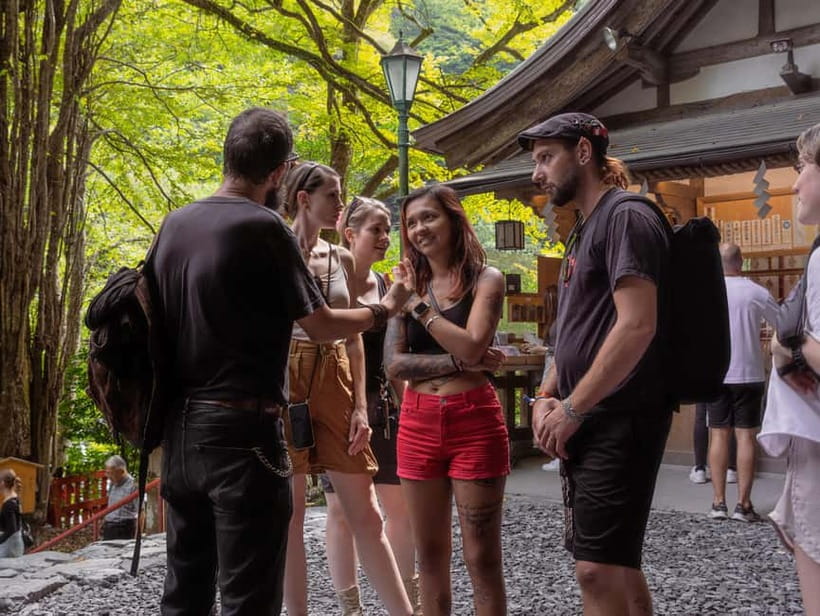
The onsen is the big exhale at the end. The hot spring bath in Kurama is known for outdoor views, so you’re not just sitting in warm water—you’re watching the mountain world while you recover.
Hot-spring fees are not included, but there can be a discounted ticket option through the tour. So if you’re on the fence, I’d plan to at least budget for it. In this kind of mountain hike day, skipping the onsen is like skipping dessert after a long meal.
What helps most is the order of operations:
- You hike and climb.
- You cool down a bit in the village.
- You soak while your muscles are still warm.
That’s when the onsen feels best.
A note on clothing and comfort
You’ll want to keep your hike gear simple. After the hike, the last thing you need is to be scrambling. Wear quick-dry layers if you can, and keep water/refreshments in mind before your soak.
Price and value: is $80 fair for a 4-hour mountain day?
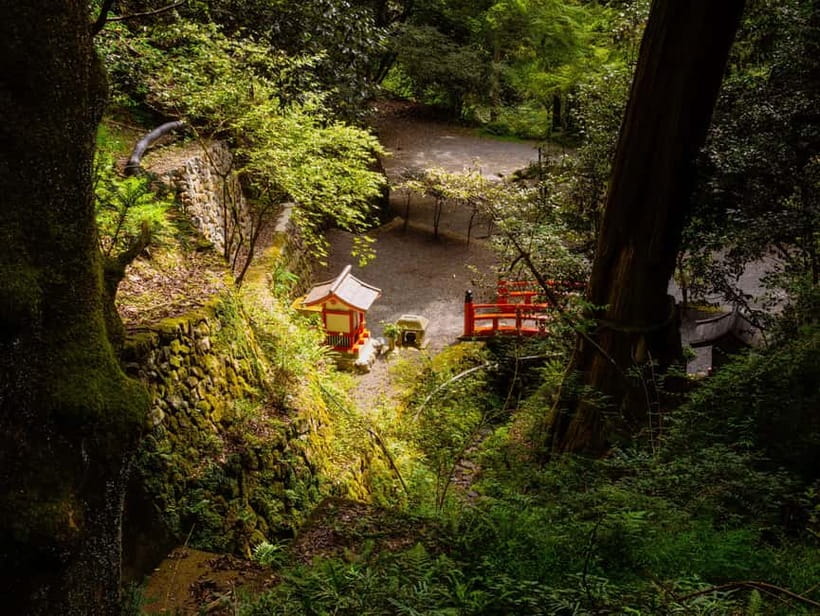
At $80 per person for a 4-hour experience, the value depends on what you usually spend in Kyoto on short day tours.
What’s included:
- Guide fee
- Temple admission
- Transportation (to get you out to the hiking area)
What’s not included:
- Hot spring fee
- Lunch
- Transportation back to the meeting point
For a half-day with actual hiking, a guide who manages the route, temple admission handled, and a mountain train segment included, I think the price is reasonable. The main cost you’ll add is the onsen and your own food.
The other value point is time. You’re getting a countryside experience without losing half a day to planning. And since guides often share context and route tips, you’re not just following a trail—you’re learning how the area fits together spiritually and historically.
Guides can make (or break) the vibe
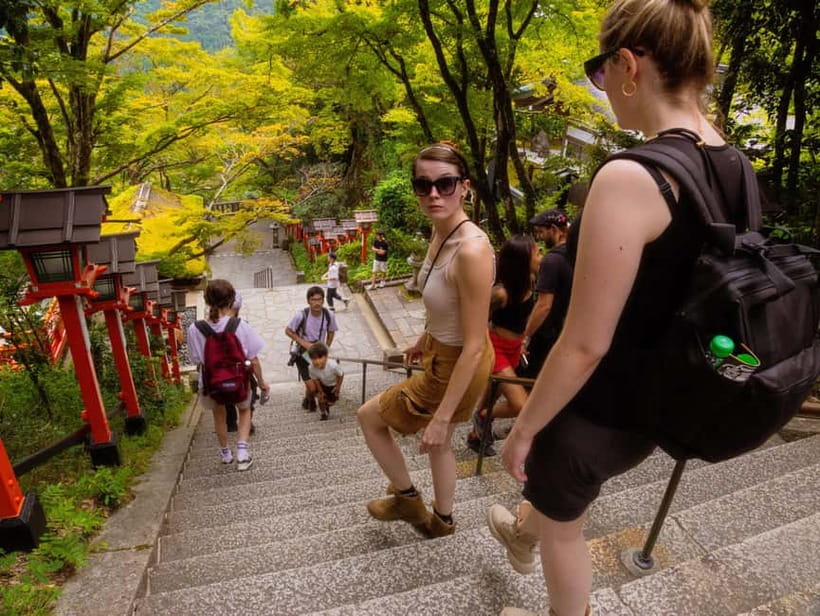
This tour’s quality often comes down to the guide’s style. The best examples in feedback highlight guides like Philippe, Chris, Kevin, Salome, and Eric as friendly, patient, and story-driven. People also mention that guides tailor pacing when the group is small, which can make the hike feel more personal and less rushed.
That said, one caution comes through: your comfort depends on the guide’s habits and your expectations. If you’re sensitive to things like smoking behavior during a tour, it’s worth choosing a private or small group and setting expectations early.
Also, if the temple area is under maintenance on your day, your guide may still offer access to what’s possible and help you focus on what you can see and do.
Who should book this Kurama hike (and who should skip it)
This tour is a great fit if you:
- Want a break from Kyoto’s busiest neighborhoods
- Like moderate hiking with stairs
- Enjoy cultural stops that feel connected to the place, not just photo stops
- Want an onsen reward at the end
It’s not for you if:
- You need wheelchair access or have mobility limitations (not suitable for wheelchair users and people with mobility impairments)
- You’re traveling with kids under 11
- You don’t have experience hiking trails with steps
- You hate hills and long stair climbs
If you’re fit but still worried, go for proper footwear and take the climb slowly. The route is designed to be doable within a half day, but you still need to respect the steps.
Should you book Kyoto: Hike and Hot Springs in Kurama?
I’d book this if you want Kyoto with real altitude, cedar shade, and a temple at the top—followed by the kind of onsen that feels earned. The mix of Kibune shrine, Kurama Temple, and village time makes it more balanced than many single-focus day trips.
I’d think twice if you want an easy stroll, if you hate stairs, or if the idea of ending in Kurama village (with your own train back) doesn’t work for your schedule. Also keep in mind that temple maintenance can affect what you see in some cases.
If you match this day to your fitness level and expectations, it’s exactly the kind of half-day reset Kyoto does best.
FAQ
How long is the Kyoto: Hike and Hot Springs in Kurama tour?
The tour lasts about 4 hours.
Where do we meet for the tour?
Meet at Demachiyanangi Station exit 7, in front of the Eizan railway.
What is included in the price?
The tour includes the guide fee, temple admission, and transportation for the route during the experience.
Is lunch included?
No, lunch is not included.
Is the hot spring fee included?
No, the hot spring fee is not included, though there may be a discounted ticket option.
What should I bring?
Bring comfortable shoes and water. Long pants are recommended to help avoid bug bites.
What fitness level do I need?
You should have a decent level of fitness. There is a moderate climb with stairs, and reaching the peak takes about 30–40 minutes.
What language is the guide?
The live guide is available in English and French.
Who is this tour not suitable for?
It is not suitable for children under 11, wheelchair users, people with mobility impairments, and people without hiking experience.
Does the tour end back at Kyoto in the same place it starts?
No. The tour concludes in the village of Kurama, and you’ll need to take a train back on your own if you want to return to your starting area.