REVIEW · LOMBOK
3D/2N Rinjani trekking summit,lake and hot springs.
Book on Viator →Operated by lombok trekking info · Bookable on Viator
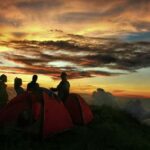
Rinjani’s sunrise hits hard. This 3D/2N trek threads Sembalun grasslands, rim camps at Sembalun Crater Rim and Senaru Crater Rim, the jaw-dropping Segara Anak lake, and a soak in the hot springs. If you want the big-ticket combo in Lombok, this route is one of the most popular for a reason.
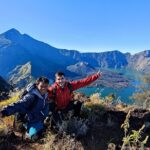
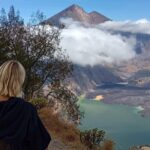
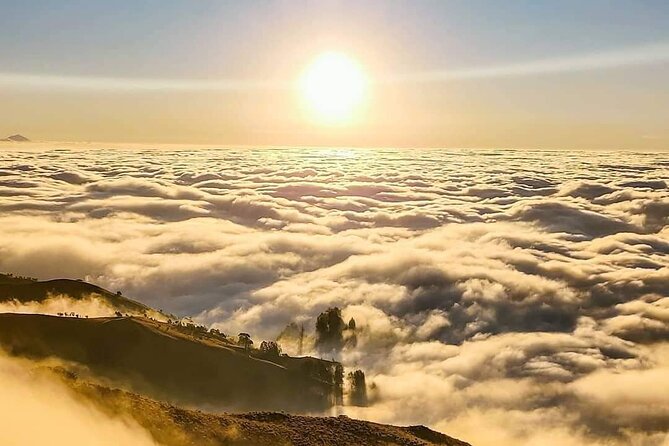
What I love most is how the views stack up: sunset from the rim looking over the crater lake and the volcano, then sunrise from the summit before you drop down toward the lake. The itinerary is built around those high-impact moments without wasting the whole day staring at your boots.
My other big plus is the on-trail support and camp setup. You get a Rinjani trekking guide, porters for trek logistics (not your personal bag), and full camping gear like tents, mattresses, and sleeping bags, so you’re not doing chaos math at altitude.
One consideration: you’re paying for a serious physical effort and very early starts, and the entrance fee is not included (250,000 IDR per day per person, listed as 750,000 IDR total). Factor that into your budget and plan for long walking days.
In This Review
- Key things you’ll remember
- Trek overview: Sembalun, the rims, Segara Anak, and Rinjani hot springs
- Day 1: From Sembalun grasslands to Sembalun Crater Rim
- Day 2: The 3:00 AM summit push and sunrise over the crater
- Day 2 afternoon: Lake time, hot springs soak, and Senaru Crater Rim camp
- Day 3: Sunrise, breakfast, and the 5–6 hour descent to Senaru
- Camping setup: what’s included and what that changes for you
- Price and logistics: where the real cost can shift
- Pace, fitness, and packing for this exact itinerary
- Who should book this Mount Rinjani 3D/2N trek?
- Should you book it?
- FAQ
- What is the duration of this Mount Rinjani trek?
- Where do you get picked up?
- Is this a private tour?
- What is included in the trek meals?
- Do porters carry my personal bag?
- Is camping equipment provided?
- Is bottled water included?
- Are entrance fees included?
- What items are not included that I should bring?
- What time do you leave for the summit?
Key things you’ll remember
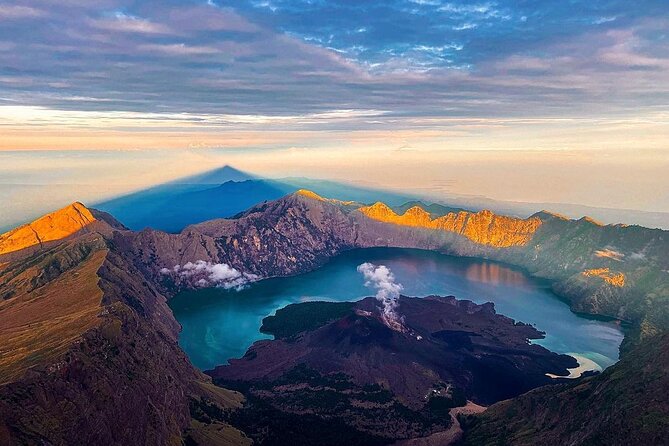
- Sunrise and summit timing: leave at 3:00 AM on Day 2 for the summit push.
- Segara Anak lake day: after sunrise, you continue down to the lake for lunch beside it.
- Hot springs included: you get time to relax after lake time before moving to the next rim camp.
- Comfort upgrades vs. barebones trips: camping equipment includes tents, mattress, sleeping bags, and even a toilet tent.
- Porters carry logistics, not your personal bag: you still need to travel smart with a small daily pack.
- Two rim camps: Sembalun Crater Rim then Senaru Crater Rim gives you different crater angles and timing.
Trek overview: Sembalun, the rims, Segara Anak, and Rinjani hot springs
This is a classic Mount Rinjani “big hits” trek: you start in the Senaru area, ride to Sembalun Village, climb through open grasslands to rim camps, and then spend Day 2 linking the summit, Sembalun Crater Rim breakfast, Segara Anak lake, and the hot springs. Day 3 is the long descent back toward Senaru village.
Why this is a good value route is simple: you’re not just hiking to say you summited. You’re stacking multiple payoff points in a tight 3 days. In practice, it means you’ll walk a lot, but the walking keeps leading somewhere. You get crater rims, lake time, and a soak in the same circuit—without needing extra days to chase each highlight.
Also, the structure matters. Camps are built around rim stops (Sembalun Crater Rim first, then Senaru Crater Rim), so you’re not scrambling to pitch camp randomly mid-route. The tour also includes daily water from safe bottled water and full board meals during the trek program, which helps you avoid the usual “survival shopping” stress.
Day 1: From Sembalun grasslands to Sembalun Crater Rim
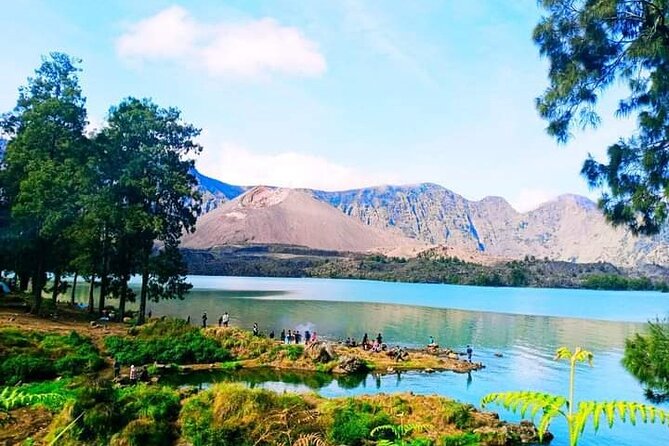
Day 1 begins with a 7:00 AM pickup in Senaru, then about a one-hour drive to Sembalun Village. From there, you start trekking to POS1 in about two hours. You’ll get short rests—10 minutes after POS1 and another short break after POS2—before continuing onward.
Then comes POS3, with an approximate one-hour trek to reach it, followed by a longer rest of about two hours. This is a smart pacing choice. It breaks the day into chunks so you don’t burn out before you even reach the rim.
After lunch, you continue to Sembalun Crater Rim, which takes around three hours. This is where the day starts to feel cinematic. You’re trekking through open grasslands up toward the crater viewpoint, and you’re lining up the rim experience for that late-day glow—sunset over the crater and the wider view of northern Lombok.
A quick note on rhythm: Day 1 is “build your legs” time. You’re not doing the summit yet, but you are practicing the mental switch you’ll need for Day 2’s early start.
Day 2: The 3:00 AM summit push and sunrise over the crater
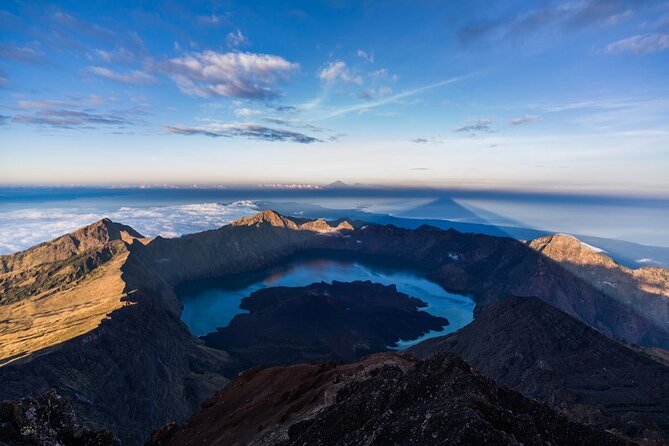
Day 2 starts early: wake up at 2:30 AM for light breakfast, then leave at 3:00 AM to begin the summit trek. The climb to the summit takes about 3.5 hours. After that, you watch sunrise, then you descend back to Sembalun Crater Rim for breakfast.
This matters for your planning because the day is designed as a “split” experience:
- Summit + sunrise first
- Crater rim breakfast, then straight down toward the lake
After breakfast at Sembalun Crater Rim, you continue toward Segara Anak lake, taking about three hours. Lunch is provided beside the lake. This is one of the most valuable parts of the whole program. Many trekkers reach the lake exhausted and eat whatever they can find. Here, you get a real meal experience in a place you’ll remember.
If you’re sensitive to cold or wind during very early hours, treat the summit window like the “gear priority” moment. Bring layers you can actually manage on the move and that you can zip up quickly after sunrise.
Day 2 afternoon: Lake time, hot springs soak, and Senaru Crater Rim camp
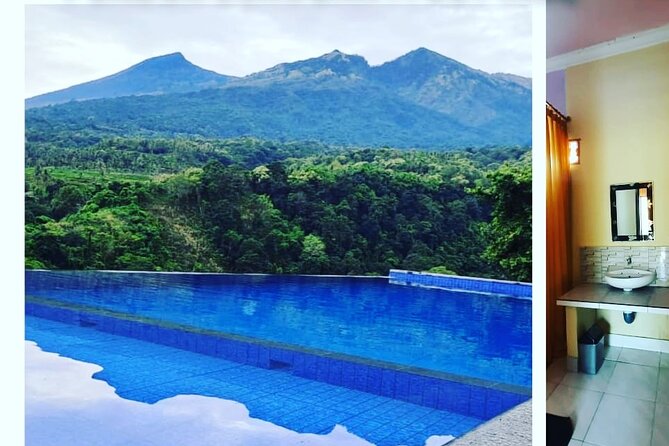
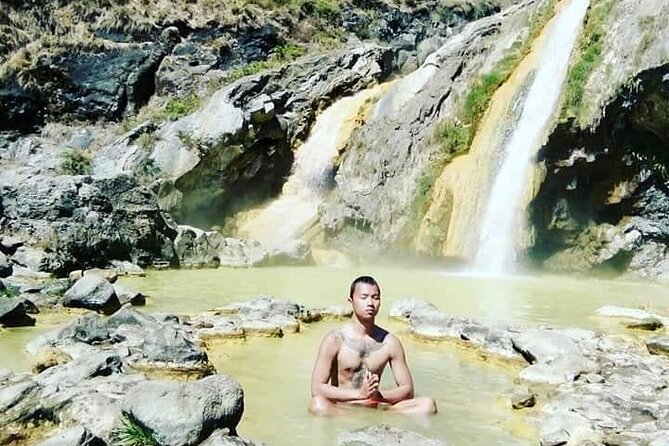
After lunch by Segara Anak, you go to the hot springs. The tour gives you time to enjoy the soak before moving on.
Then you head toward Senaru Crater Rim, taking around three hours. This is your second rim camp, and it sets up Day 3’s departure. Think of Day 2 night as a recovery buffer: you’ve already done the summit and lake, so the rim camp position helps you finish the trek without turning it into an all-day grind.
The hot springs stop is also strategically placed. You’re not supposed to sprint from the lake straight into a brutal climb with no reset. A soak helps your legs feel less like angry cables when you wake up.
Also pay attention to your personal kit: a headlamp or hand torch is not included, so when you’re moving in early darkness or around camp, you’ll want your own light ready to go.
Day 3: Sunrise, breakfast, and the 5–6 hour descent to Senaru
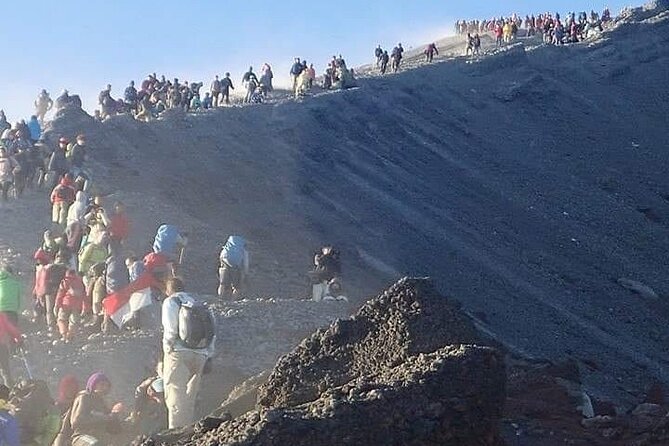
Day 3 begins with breakfast and enjoying the sunrise. Then you descend to Senaru village, which takes about 5–6 hours.
This is the part where your fitness shows itself in a different way. The climb days are hard, but the descent asks for control: careful foot placement, steady knees, and a pace that doesn’t turn into a late-day shuffle.
The good news is you’ve already built the routine the past two days: you know you’ll get a meal schedule, you’ll have camp gear handled, and you’ll have guides organizing the route timing.
When you finally reach Senaru, it feels like a real finish, not just another stop. You started in the Senaru area, rode to Sembalun, circled through the crater world, and you come back down to the village side with a full story.
Camping setup: what’s included and what that changes for you
This trek is not “sleep on the ground and figure it out.” You get all camping equipment, including:
- double size camping tents
- mattress
- sleeping bags
- toilet tent
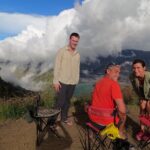
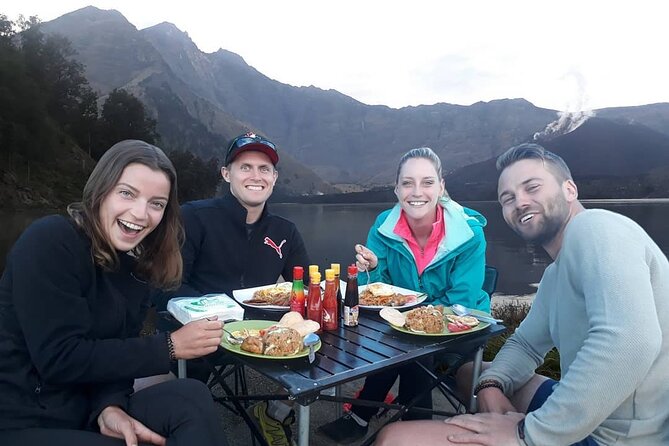
- chair and table
That combo matters more than people think. A mattress and sleeping bag help you recover enough to do Day 3’s long walk. The toilet tent adds comfort and privacy compared to makeshift setups.
There’s also a logistics win: your luggage can be stored at the Lombok trekking info office during the trek program. That reduces what you carry daily. Just note the fine print about porters: they carry logistic and trek equipment, but they do not include carrying your personal bag. You still need a plan for what goes in your daily pack versus what stays behind.
Water is also handled daily with safe bottled water provided. It’s a small detail, but it removes a common worry on multi-day volcano treks.
Price and logistics: where the real cost can shift
The listed price is $250 per person for a 3-day trek. The package includes:
- guide and porter support for trek equipment
- full board meals during the trek program (breakfast, lunch, dinner, coffee/tea, snacks, fresh fruits)
- camping equipment
- pickup in Senaru or Sembalun
- daily safe bottled water
That is decent value if you’re comparing against trips where you bring your own sleeping setup, meals, and logistics. Here, the heavy “infrastructure work” is taken care of.
The catch is the entrance fee: 250,000 IDR per day per person, listed as 750,000 IDR per person total, and it is not included in the package price. If you’re budgeting tightly, treat that as non-optional from the start.
Also remember what’s not included. You’ll need items like:
- head lamp / hand torch
- small bag pack / daily pack
- trekking shoes
- trekking poles (not included)
- gloves and trekking jacket (not included)
- long pants / trousers
- tips for guide and porters
Your wallet and your pack need to work together. If you show up missing key clothing or lights, it’s not just annoying—it can slow you down and affect comfort.
Finally, this activity is non-refundable and cannot be changed for any reason. Weather can still play a role in whether the trip happens, but if you cancel, you’re out the money. So book only when your schedule is truly firm.
Pace, fitness, and packing for this exact itinerary
This trek is built for people with strong physical fitness. The walking pattern is steady, but the total time on your feet across the three days adds up fast.
A simple way to prepare mentally:
- Day 1: build pace through POS1, POS2, POS3 to the crater rim
- Day 2: 3:00 AM summit push, then lake and hot springs, then a rim camp
- Day 3: long descent back to Senaru
What helps most is packing for movement and not for show. You’ll want:
- a daily pack you can carry comfortably (since porters handle trek equipment, not your personal bag)
- a reliable light (headlamp/torch) for early starts
- shoes you trust for uneven volcanic ground
- long pants/trousers since those are specifically listed as not included
Also, bring clothing you can handle quickly during sunrise/summit hours. The itinerary includes sunrise viewing on Day 2 and again on Day 3, which means you’ll likely be outside while you’re tired and cold. Plan layers for that moment, not just for daytime hiking.
One more small comfort tip I really like about how this trek runs: guides and crew manage gear so you can focus. In past experiences on big volcano hikes, the best guides handle quick “move this, hold that” tasks so you’re not losing time while you’re away from your pack. Even if your setup is different, the goal is the same: keep you moving and reduce fiddling.
Who should book this Mount Rinjani 3D/2N trek?
You’ll likely love this trek if you want a single package that hits:
- summit sunrise
- Segara Anak lake time with lunch there
- hot springs in the same circuit
- rim camp viewpoints at both Sembalun and Senaru
This is also a good fit if you prefer a guided, organized experience with meals and camp gear covered. It’s a private tour/activity, meaning you’ll be with your group rather than mixing randomly with strangers.
Choose something else if you:
- don’t have the fitness for multi-day hikes and an early 3:00 AM summit start
- need a fully flexible schedule, since cancellation is non-refundable
- don’t want to handle extra costs like entrance fees on top of the package price
Should you book it?
If your priority is the full Mount Rinjani package—summit at sunrise, Segara Anak lake, and hot springs—this is a strong choice because it compresses the highlights into a well-timed 3 days. You also get a camp setup that supports recovery, not just survival.
Before you book, do two quick checks:
- Budget for the entrance fee listed separately (250,000 IDR/day/person).
- Be honest with yourself about fitness and early mornings. This itinerary is efficient, and efficiency means you don’t get lots of easy recovery time.
If both of those fit your plan, you’re set up for an experience that feels like more than a hike. It’s a full volcano story with real payoff points on every day.
FAQ
What is the duration of this Mount Rinjani trek?
It’s listed as 3 days (approx.) with 2 nights.
Where do you get picked up?
Pickup is available in your hotel in Senaru or Sembalun.
Is this a private tour?
Yes. Only your group will participate.
What is included in the trek meals?
Full board meals during the trek program are included: breakfast, lunch, dinner, coffee or tea, snacks, and fresh fruits.
Do porters carry my personal bag?
Porters carry logistics and trek equipment, but carrying your personal bag is not included.
Is camping equipment provided?
Yes. The package includes camping equipment such as double size camping tents, mattresses, sleeping bags, a toilet tent, and chairs/tables.
Is bottled water included?
Daily water consumption from safe drinking bottled water is included.
Are entrance fees included?
No. Entrance fee is listed as 250,000 IDR/day/person (750,000 IDR per person) and it’s not included.
What items are not included that I should bring?
Not included: head lamp/hand torch, a small bag pack/daily pack, trekking shoes, trekking poles, gloves, trekking jacket, and long pants/trousers.
What time do you leave for the summit?
On Day 2, you wake at 2:30 AM and leave at 3:00 AM for the summit trek.