REVIEW · LOMBOK
Trekking Rinjani Mountain Summit 2 Days 1 Night – Em Adventure
Book on Viator →Operated by Em Adventure · Bookable on Viator
Mount Rinjani rewards patience and stubborn legs. This 2 days 1 night trek from Sembalun is built around a smooth first day up to the crater rim, then a very early summit push for sunrise views at 3,726m. I like how the plan keeps you organized with registration, timed “posts” for pacing, and a real plan for sleeping high on the rim. I also like the small-group feel—up to 8 people, led by a licensed guide with porters who handle the heavy stuff.
One thing to consider: this is not a casual hike. You’ll start around 3:00 am for the summit, and the final climb includes loose volcanic scree, so you’ll want to be fit and ready to move carefully in the dark.
In This Review
- Quick Highlights Before You Commit
- Why This Sembalun to Rinjani Plan Feels Efficient
- Arrival Day: The Hotel Night That Actually Helps
- Day 1: From Meadow Walks to Camping on the Crater Rim
- The Day 1 drawback to respect
- Day 2: The 3:00 am Summit Push and the 6:00 am Sunrise Payoff
- How to avoid the most common mistake on Day 2
- Gear and Food: Why the Porters and Camping Setup Matter
- What to pack: keep it light for the top
- Price and Logistics: Does $225 Actually Cover the Hard Parts?
- Small group size is part of the value
- Where the Hike Can Feel Messy (and How to Handle It)
- Should You Book Em Adventure’s Rinjani Summit Trek?
- FAQ
- What are the main start times for this trek?
- Do you stay overnight before the hike begins?
- What is included for camping and meals?
- How large is the group?
- Is the national park entrance fee included?
- What happens if weather is bad or I need to cancel?
Quick Highlights Before You Commit
- Crater rim camp at about 2,639m so you can watch sunrise and sunset from above the clouds.
- Well-paced Day 1 with clear “post” stops (around 1,300m, 1,500m, and 1,800m) before you go higher.
- An organized summit routine with a hot drink and light breakfast before the 3:00 am start.
- Licensed guide plus porters, plus camp gear like tents, sleeping bags, mats, and a toilet tent.
- Full food support on the mountain with 3 meals daily and mineral/mountain spring water included.
Why This Sembalun to Rinjani Plan Feels Efficient
The best thing about this trek is its rhythm. Day 1 is timed so you’re not instantly dropped into “hero mode.” You begin in Sembalun around 8:00 am and walk a gentle climb through open meadow before you even start thinking about serious elevation. That matters because Rinjani punishes sloppy pacing. You want steady movement, not sprinting early.
Then Day 2 flips the script. You wake around 2:00 am, get a hot drink and light breakfast, and start the summit around 3:00 am. That’s how you reach the top early enough for sunrise (aiming for about 6:00 am). It’s a simple logic: start while the weather window is still working and the mountain is at its most cooperative.
The route also makes practical sense for most people: you sleep on the rim the first night instead of doing a long, exhausting one-day ascent and descent. You’re still working hard, but the plan reduces the “all-day suffering” factor.
Arrival Day: The Hotel Night That Actually Helps
You don’t just get dropped at a trailhead and told good luck. You’ll be picked up on the day before the trek and transferred to a hotel in Sembalun. This is a big deal for two reasons.
First, it saves time. You don’t have to scramble for transit the day before you climb. Second, it helps you rest. Rinjani days start early, and sleep debt can show up as poor footing and impatience when you most need focus.
You’ll also want that night to prep mentally. Pack light for the summit push (more on that soon), and plan your layers for cold air at higher elevation. Even without exact temperature promises, you should assume it can feel chilly on the rim and colder at dawn.
Day 1: From Meadow Walks to Camping on the Crater Rim
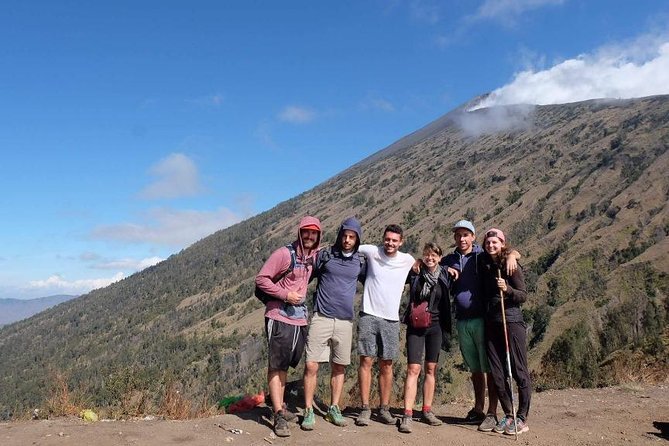
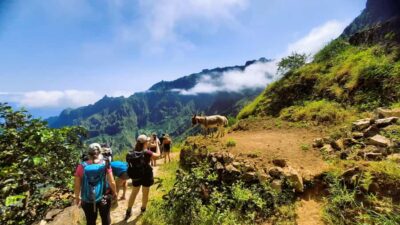
Day 1 starts with registration at the Rinjani information center, then you begin trekking from Sembalun at 8:00 am. After about two hours, you reach Post 1 (around 1,300m), then another stop at Post 2 (around 1,500m) (about 40 minutes later). You continue to Post 3 (around 1,800m) where you have lunch.
This matters because it gives you natural checkpoints. You’re not guessing how the hike is going—you can reset your pace and hydration at each stop.
After lunch and a rest, you continue up to the crater rim at about 2,639m. The total time to reach camp is listed at around 3 hours, and that includes a steep climb. This is your “gear check” moment. You’ll feel the altitude more here, and your legs will start demanding better decisions—small steps, careful breathing, and no hero leaps.
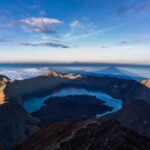
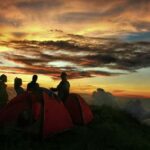
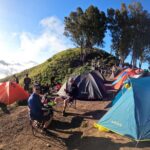
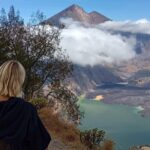
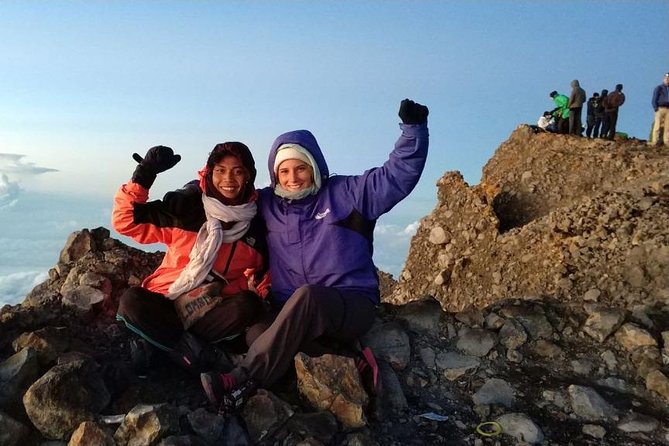
Camping on the crater rim is one of the main reasons to book this route. You’re set up high enough to enjoy the sunrise and sunset views. Sleeping there turns the trek from a workout into a real experience with a sense of place.
The Day 1 drawback to respect
The climb to the rim is described as a prolonged steep climb. That’s not an error in the brochure. It’s the part where you may feel your effort more than the earlier meadows. If you’re prone to going too fast early, this is where that habit gets corrected.
Day 2: The 3:00 am Summit Push and the 6:00 am Sunrise Payoff
Day 2 begins in darkness. You wake around 2:00 am, drink something hot, and have a light breakfast. Then the summit trek starts around 3:00 am, described as a moderate trek first, followed by a longer but fairly easy section before the final approach.
That final approach is the key detail: you’ll climb over steep volcanic scree with loose footing. This is one of those sections where your trekking poles (if you use them) and your foot placement matter more than speed. You’re looking for stability, not domination.
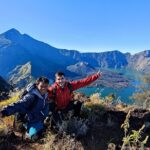
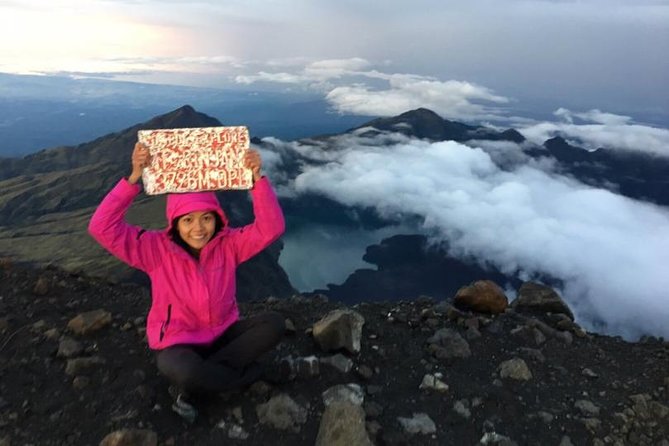
By about 6:00 am, the plan aims to reach the summit at 3,726m and catch a sunrise. When the sun finally shows, it often feels like the mountain is rewarding you with something more than scenery. It’s the feeling of finishing the hard part safely.
After the summit, you descend into the crater rim back toward Sembalun within about 2 hours, then continue down to Sembalun village for roughly 5 hours to end the trip.
How to avoid the most common mistake on Day 2
People often underestimate the downhill. The summit might be the headline, but the long descent is where tired legs can slip into poor form. Keep your steps short, stay mindful on loose ground, and treat the descent as part of the climb effort.
Gear and Food: Why the Porters and Camping Setup Matter
This trek includes the camp essentials. You get tents, sleeping bags, bed mats, a toilet tent, and a pillow. That’s not just comfort—it’s risk management. When you’re tired, you don’t want to improvise with questionable gear.
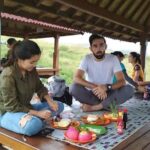
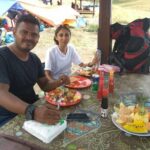
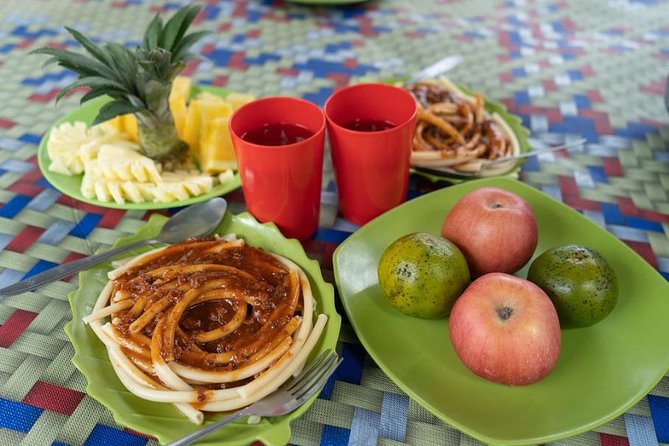
The food plan is also practical: 3 meals daily on the mountain. Water is included too—mineral water on day 1 and mountain spring water on day 2. (Carry a bottle even if you think you won’t need it. You always need it.)
The guide and porter setup is the other big win. This is a trek where your energy budget matters. A licensed mountain guide sets pace and route decisions. Porters support with loads so you can focus on footing and breathing.
One review noted especially good food and plenty of it, and another mentioned a guide who was super nice—also with a small language gap early on. If language is important to you for timing and distance explanations, it helps to ask clear questions early and confirm the rough schedule with your guide before the first long climb.
What to pack: keep it light for the top
One specific tip that came up: don’t bring too much clothing to the peak. You’ll be cold at dawn, but overpacking is still a common pain. Think layers you can manage without turning the summit into a closet.
Also, carry basic medicine and consider an alternative snack plan if local foods aren’t your usual routine. One piece of advice from past participants was to bring some medicine and alternative food if you’re not used to local options.
Price and Logistics: Does $225 Actually Cover the Hard Parts?
At $225 per person, you’re paying for more than the “walk.” The included items are what justify the price: licensed guide and local porter, all camping equipment, all meals, Rinjani national park entrance fees, and an air-conditioned vehicle for pickup and transfer. You also get a hotel night in Sembalun the day before.
It’s also clear they plan for real logistics. Pickup is included from places like Kuta, Mataram, Senggigi, Bangsal, Labuhan Lombok, Tetebatu, and Senaru. The start time is set for 7:00 am, with the trek itself beginning at 8:00 am in Sembalun. And the tour ends back at the meeting point.
That matters because “cheap treks” often hide costs in equipment rentals, meals, or unplanned transfers. Here, those big items are already covered.
Two practical notes:
- You’ll still need to budget for personal expenses and tipping (not included).
- The trip needs good weather. If conditions fail, you’ll be offered a different date or a full refund.
Small group size is part of the value
You’ll go with a maximum group size of 8, and the organizer also describes aiming for groups of 6. Either way, it’s not a huge herd. On a steep volcano, fewer people can mean easier pace matching and less spacing chaos.
Where the Hike Can Feel Messy (and How to Handle It)
This trek can be magical, but it’s also a working mountain trail. One review called out trash issues on the mountain. That’s not something you can fix, but you can control what you carry.
Bring a small waste bag and keep your trash with you. The included toilet tent helps, but good trail manners still matter. If you want a cleaner experience, assume the mountain can have litter and act like the responsible one.
Also, remember the straightforward warning: it’s not an easy hike. The itinerary is structured, and the guide/porter system helps, but you still earn the sunrise with real effort. If you’re looking for a light stroll, you’ll likely feel disappointed.
One more consideration: because the early start is in the dark, you’ll want to be ready with your own routine—warm layers, headlamp, and calm energy. If you’re rushing because you didn’t plan, Rinjani will make you pay for it.
Should You Book Em Adventure’s Rinjani Summit Trek?
If you want a serious two-day trek with camping on the crater rim, sunrise stakes, and a plan that handles equipment, food, and transfers, I think this is a strong choice. The combination of small groups, licensed guide and porters, and included gear is exactly what makes summit treks manageable for most people.
You should book this trek if:
- You’re physically prepared for a steep, early-morning summit climb.
- You want the rim-camping experience instead of just day hiking.
- You value a setup with included camp gear, meals, and hotel night before.
You might want to think twice if:
- You hate very early starts and don’t do well hiking in the dark.
- You’re uncomfortable with loose volcanic terrain near the summit.
- You want a perfectly polished, spotless trail experience (the mountain can have mess).
If you’re aiming for value and a well-run route from Sembalun, this delivers the basics and then some.
FAQ
What are the main start times for this trek?
The pickup/transfer plan starts the day before the trek, and the meeting start time is listed as 7:00 am. The trekking in Sembalun begins at 8:00 am on Day 1, and the summit trek starts at 3:00 am on Day 2.
Do you stay overnight before the hike begins?
Yes. The package includes a hotel one night before the trek in Sembalun.
What is included for camping and meals?
The tour includes camping equipment (tent, sleeping bag, bed mats, toilet tent, and pillow) and all meals on the mountain, with water provided as mineral water on day 1 and mountain spring water on day 2.
How large is the group?
The maximum group size is listed as 8 travelers.
Is the national park entrance fee included?
Yes. The Gunung Rinjani entrance fee is included at 150,000 IDR/day/person.
What happens if weather is bad or I need to cancel?
This experience is non-refundable and cannot be changed for any reason. It requires good weather; if it’s canceled due to poor weather, you’ll be offered a different date or a full refund.