REVIEW · LOMBOK
3D-2N Explore Mount Rinjani – Summit -Lake and Hotspring
Book on Viator →Operated by Cakrawala Rinjani Trekking · Bookable on Viator
Sunrise on Rinjani changes everything. This 3D-2N trek keeps you based in Senaru with camping equipment handled, while you hike with a guide and porter so you don’t lug cooking gear or water. I really like the clear structure (crater rim, summit, Lake Segara Anak, then back down to Senaru each evening) and the fact that permits and insurance are covered—just be ready for the 2:00 am wake-up on summit day.
One more thing that makes this feel like a smarter deal: it’s designed around small groups (up to 10) and a mountain crew that manages the heavy stuff. And yes, the itinerary also hints at a hot-spring stop and a rainforest descent where you might spot a rare black monkey if conditions are right. The catch is simple: you need moderate fitness, because the days are long and you’re moving early, even when you’d rather be sleeping.
Here’s the bottom line: if you want Rinjani’s big moments—3726 m summit views, Lake Segara Anak, and crater scenery—without the stress of carrying camp logistics, this tour is built for you.
In This Review
- Key things to know before you go
- Why This Senaru-Based Rinjani Trek Feels Like a Real Plan
- Price and Value: What You’re Really Paying for at $235
- Day 1: Sembalun to the Crater Rim, Then Settling in for the Next Big Day
- Day 2: The 2:00 am Start and a 6:00 am Summit Sunrise
- Day 2 Trail Reality: Scrambling, Altitude, and Staying Focused
- Day 3: Sunrise Breakfast, Rainforest Descent, and a Possible Black Monkey
- Lake Segara Anak: Why This Stop Is More Than a Photo Break
- Hot-Spring Stop: What You Can Count On (and What You Should Confirm)
- Packing and Carrying: How the Porter Support Changes Your Trip
- Group Size, Pickup, and the Best Way to Keep It Smooth
- Who This Trek Suits Best (and Who Should Skip It)
- Should You Book This Rinjani 3D-2N Summit + Lake Tour?
Key things to know before you go
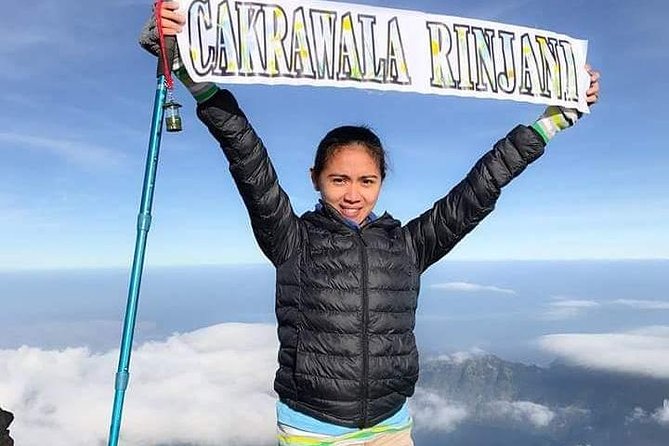
- Senaru nights, gear provided so you’re not stuck hauling camping equipment
- Guide + porter support meaning less carrying for you (no cooking gear, no water duty)
- Sunrise summit timing with a 2:00 am start and summit around 6:00 am
- Lake Segara Anak and crater rim focus instead of random stops
- Small private group (max 10) with a more personal feel
- Rainforest descent with animal chances including a possible rare black monkey sighting
Why This Senaru-Based Rinjani Trek Feels Like a Real Plan
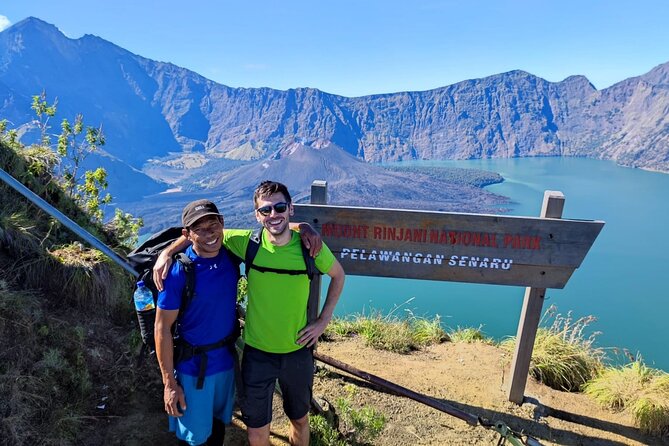
Mount Rinjani has a reputation for being exhausting, and that’s true. What’s different here is that you’re not doing the whole trip while living out on the mountain. You stay safely in Senaru on both nights, and the tour provides the camping equipment.
That choice matters. When you don’t have to manage your own camp setup or cooking setup, you spend your energy on the trail itself—where it counts. It also means you get a more normal end to each day: you hike down to Senaru village each evening, then reset for the next push.
This is also a permit-and-insurance-covered experience. That’s not glamorous, but it’s valuable. For a big volcano like Rinjani, you don’t want gaps in paperwork or worry about last-minute complications. You’re paying for peace of mind as much as you’re paying for the view.
Price and Value: What You’re Really Paying for at $235
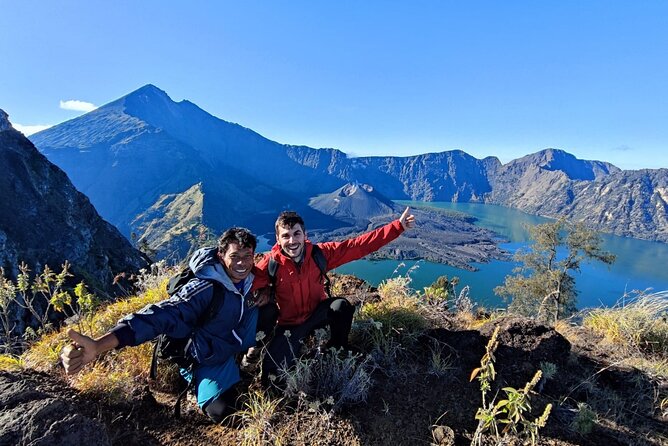
At $235 per person, this tour sits in a “budget-friendly for a summit trek” zone. The real value is in what’s bundled:
- Camping equipment is provided for your Senaru nights
- A mountain guide and porter are included
- The cost covers permits and insurance
- You’re not responsible for carrying cooking equipment or water
When you price out those items separately, the total usually climbs fast. So the cost isn’t just “for hiking.” It’s for logistical load-sharing. For most people, that’s the difference between enjoying Rinjani and feeling like you’re constantly compensating for gear, planning, and carrying.
That said, the plan notes admission tickets are not included. At the same time, permits are covered by the tour cost. If you’re trying to budget tightly, I’d treat this as a “possible extra ticket category” situation and confirm what that means for your exact departure.
Day 1: Sembalun to the Crater Rim, Then Settling in for the Next Big Day
Day 1 starts from Sembalun. The program is built as a 3-day route that connects the crater rim experience with the summit plan and Lake Segara Anak, then brings you down to Senaru.
The big idea for Day 1 is pacing and positioning. You’re moving into Mount Rinjani National Park with the mountain looming ahead, but you’re not doing the summit push yet. That makes Day 1 feel like the “get your legs awake” day—long enough to matter, but set up so you can survive the 2:00 am start on Day 2.
A practical tip: on Day 1, focus on steady effort rather than speed. Your goal is to arrive tired but not wrecked, because the next morning is the one that demands mental toughness. If you rush Day 1, Day 2 will punish you.
Day 2: The 2:00 am Start and a 6:00 am Summit Sunrise
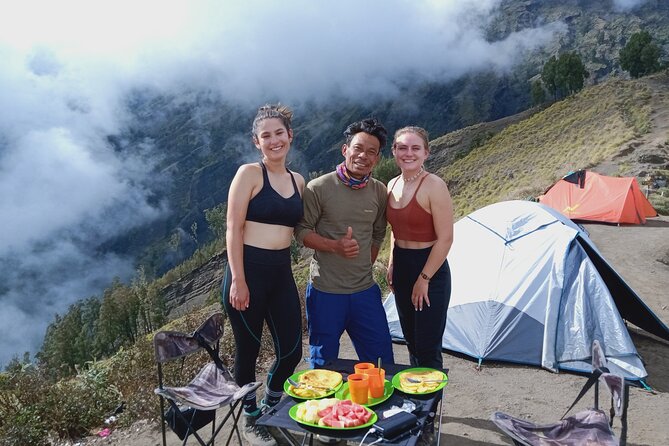
This is the day you came for.
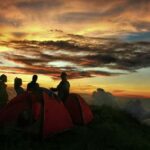
You wake up around 2:00 am with a hot drink and light breakfast, then start heading toward the summit while it’s still dark. The plan says you can reach the summit (3726 m) around 6:00 am for sunrise.
Why this timing is such a big deal: Rinjani sunrise conditions can be spectacular, and the colder pre-dawn air often makes the climb feel more manageable than later in the morning. Also, reaching the summit by morning means you’re not spending the whole day above tree line without a finish line. You still have a descent afterward, and the tour is designed to get you back down toward Senaru by evening.
Drawback to plan for: you’ll be tired in the most inconvenient way—early morning tired, when you’re already hauling yourself uphill. Bring layers, because dawn at altitude can swing from chilly to slightly less chilly fast. If you only pack one jacket, you’ll probably end up wishing you had another layer.
Day 2 Trail Reality: Scrambling, Altitude, and Staying Focused
The program promises an adrenaline rush of scrambling and hiking your way up Rinjani. That’s honest, and it’s also why you want the guide and porter support to be working well.
Your guide’s job isn’t just leading. They keep the group moving safely and help you pick a line through rough sections. Your porter support matters too because it frees you from carrying cooking gear and—per the tour setup—water duties.
Still, you should assume you’ll hike hard. “Moderate physical fitness” is the stated requirement, but summit days are never truly “moderate” once you’re in motion at altitude and climbing in the dark. You’ll want to be comfortable hiking uphill for long stretches and staying steady on uneven footing.
Day 3: Sunrise Breakfast, Rainforest Descent, and a Possible Black Monkey
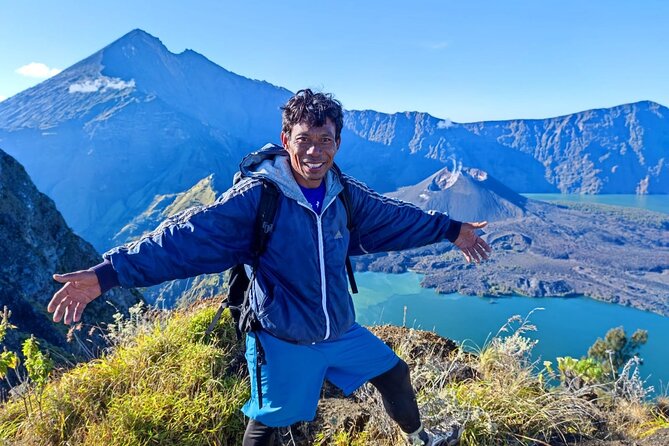
Day 3 starts with breakfast and sunrise, then you descend through rainforest back toward Senaru village. The plan says the descent takes around 5 hours, with lunch during the day.
This is where Rinjani’s mood shifts. Day 2 is high-energy and cold-and-steep. Day 3 is about changing ecosystems—getting cooler, moving through more shaded terrain, and easing your body back down to lower elevations.
One of the most interesting elements here is the chance of seeing a rare black monkey if you’re lucky. That doesn’t mean you should expect it. But it does mean you should be alert and respectful when you hear movement in the trees or spot silhouettes along the trail. Keep your pace safe and don’t rush off-trail for a look.
Another practical note: after a summit, your knees and feet will feel it. On the descent, small careful steps beat big heroic strides. Your guide should help keep you steady; you should focus on quiet, controlled movement.
Lake Segara Anak: Why This Stop Is More Than a Photo Break
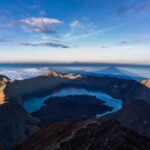
Lake Segara Anak is one of the headline experiences in this package, and it’s also one of the reasons this tour feels different from a “summit only” climb.
A crater lake has a way of making all the effort feel tangible. When you finally see it, it’s not just scenic—it’s a milestone. The tour structure connects it to the crater rim and the summit goal, which makes it feel like part of a coherent route rather than a random detour.
For your planning, treat the lake time as a “stay alert” moment. Even if the walking pace slows a bit, you’ll likely still be in a high-energy mindset from the hiking. That’s when people forget hydration habits or layer management. Since the tour arrangement removes some carrying duties, you’ll still want to use the moment wisely: eat, rest briefly, and adjust layers before you head back.
Hot-Spring Stop: What You Can Count On (and What You Should Confirm)
The tour title includes a hot-spring element. The day-by-day details you provided don’t spell out exactly where and when it happens, so here’s the best practical approach:
- If your operator confirms a hot-spring stop in your schedule, great—plan to treat it like a recovery moment.
- If it’s not clearly timed, don’t assume it will magically appear after the summit. Ask what day it’s set for and what the basic expectations are.
Either way, after a summit and descent, a warm soak can feel like a reset button. Just remember: your feet may still be sore, and you’ll want to move slowly so you don’t slip when you’re half-relaxed.
Packing and Carrying: How the Porter Support Changes Your Trip
One of the strongest selling points here is that you don’t carry your cooking equipment or water. That’s huge for comfort and safety, especially on a summit trek where your balance matters.
With that in mind, pack for you, not for camp:
- Comfortable hiking shoes that handle uneven ground
- Layers for cold pre-dawn starts and warmer daytime hiking
- A small daypack sized for your personal essentials
- Sun and rain protection, because mountain weather can change quickly
If you’ve done volcano hikes before, you know that carrying too much can turn a fun day into a survival project. This setup removes a chunk of the load, letting you focus on breathing, pacing, and enjoying the view when the trail opens up.
Group Size, Pickup, and the Best Way to Keep It Smooth
This is described as a private tour with small groups welcome, and a maximum of 10 travelers. Pickup is offered, which helps a lot if you don’t want to organize transport on your own.
Here’s what I’d do to keep expectations aligned:
- Confirm your group size for your specific departure.
- Ask how your guide plans to manage the hike pace and breaks.
- If you’re traveling during busy season, ask whether groups are ever combined from multiple operators.
A small group can be wonderful when everyone moves at a similar pace. But if you end up with a mixed group composition, you’ll want to make sure your guide can keep the rhythm steady for everyone. That’s when trips can feel disorganized—not from the mountain, but from coordination.
Who This Trek Suits Best (and Who Should Skip It)
This tour is a strong fit if you:
- Want the summit experience with a clear timing plan
- Like having a guide and porter so you can keep your load light
- Prefer staying in Senaru on both nights for easier recovery
- Are comfortable hiking for long days (Day 1 around 7 hours, Day 2 around 9 hours, Day 3 around 6 hours)
It’s not a great match if you:
- Have knee or balance issues and aren’t confident on uneven trail
- Struggle with early starts and long, cold morning hikes
- Expect a completely hands-off experience. Even with porter support, you still hike.
If you’re the kind of traveler who enjoys the work because the payoff is real, you’ll probably love this.
Should You Book This Rinjani 3D-2N Summit + Lake Tour?
Book it if you want Rinjani’s big checklist items—summit sunrise, Lake Segara Anak, and a descent through rainforest—while keeping logistics simpler with guide/porter support and Senaru-based nights.
Think twice (or ask more questions first) if you’re very sensitive to early starts, you want a guaranteed “quiet and perfectly coordinated” group experience, or you’d like a more detailed hot-spring schedule in writing before you commit.
If you’re ready to work for the view and you pick the right departure time with solid weather, this is the kind of trek that leaves you feeling like you actually did something hard and worthwhile.