REVIEW · LOMBOK
Private 2 Days and 1 Night Summit in Mount Rinjan
Book on Viator →Operated by Rinjani Hero · Bookable on Viator
Mount Rinjani starts before sunrise. That’s the magic of this 2 days and 1 night summit trek: you’re in the right place for morning light on one of Indonesia’s highest climbs, and you still get to sleep at the crater rim instead of sprinting through the whole mountain in one day. I like the way this is run as a true private group operation, with a team leader (Ialu) doing logistics and a safety briefing, and a guide (Ir) focused on keeping you moving at a pace that works. I also love that so much camp life is handled for you with included gear and meals. The main drawback is obvious once you read the schedule: you need strong stamina, because it’s a long, uphill effort with an early 3 a.m. summit push.
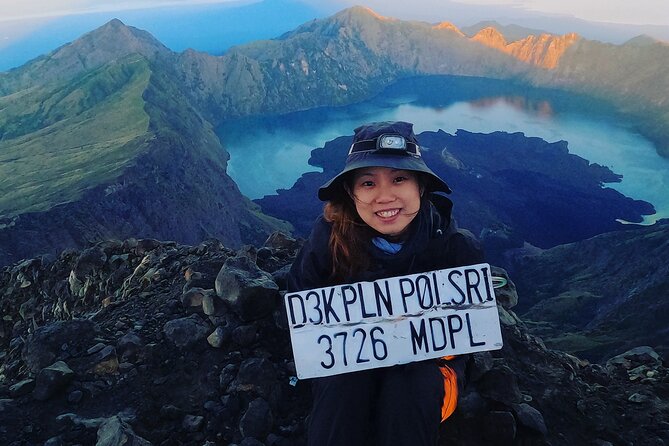
You start in Sembalun (around 1,150 m) and climb to Pelawangan Sembalun, the crater rim area (listed around 2,639–2,639 m). Day two goes even higher, targeting the summit around 3,672 m (some notes put it at about 3,726 m). The trek includes sunset views at the rim, then a dawn climb guided by headlamps.
For value, the $195 per person price can make sense because you’re not just paying for a guide. You’re also getting camping equipment, meals, safe drinking water, and porter help for camping gear. Still, plan on extra costs: entrance fees are listed at Rp 200k per day (Rp 600,000 total), and tips for the guide/porters are not included.
In This Review
- Key highlights you’ll care about before you go
- Sembalun to Pelawangan: Day 1’s long climb and better-than-you-think payoff
- 3 a.m. summit day: how the early start shapes the whole trek
- The team behind the trek: Ialu, Ir, and what porter support changes
- Where the money goes: price, entrance fees, and real budgeting
- Day-by-day: what to expect at each moment
- What to pack: follow the included list, then add cold-weather reality
- Who should book this Mount Rinjani summit trek
- Quick note on flexibility and timing
- Should you book the Private 2 Days and 1 Night Summit in Mount Rinjani?
- FAQ
- What is the duration of the Mount Rinjani 2D/1N summit trek?
- Where does the trek start and end?
- What time do we start on the summit day?
- How high is the summit?
- Is the crater rim camp included?
- What camping equipment is included?
- Are meals included?
- Do I need to pay an entrance fee?
- What should I bring since it’s not included?
Key highlights you’ll care about before you go
- Private-group setup with safety briefing: Ialu handles logistics and gives a safety briefing the night before, and Ir supports your pacing on the trail.
- Crater rim camp night: you’re sleeping near Pelawangan Sembalun, not just passing through.
- Sunrise summit start around 3 a.m.: wake early, use the headlamp, and aim for the top in time for daylight.
- Camping gear is included: tent, sleeping bag, mattress, toilet tent, and camp chairs are part of the package.
- Food and water are covered: breakfast, lunch, dinner, plus safe drinking water during the trek.
- Extra fees are real: entrance fees (Rp 200k/day) and guide/porter tips are on you.
Sembalun to Pelawangan: Day 1’s long climb and better-than-you-think payoff
Day 1 starts with getting to the Sembalun area after breakfast, using a mountain car. That transfer is part of the experience because it gets you out of “flat Lombok mode” and into real trail country quickly. Expect a longer ride and a full first day—this isn’t the kind of trek where you show up late and still expect to be fresh.
Once you reach Sembalun (listed around 1,150 m), you’ll work your way up toward Pelawangan Sembalun, the crater rim area around 2,639 m. The climb segment is described as roughly a 3-hour steep ascent. Even if you consider yourself athletic, the steepness matters more than the clock. Your legs will feel the elevation, and your breathing will tell you fast that you’re climbing, not sightseeing.
One detail I take seriously is the note that there’s heat during crossing the meadow. That matches how high-altitude trekking usually goes: mornings can feel manageable, and then the sun hits hard as you move through open areas. I recommend using a sensible rhythm early (small steps, steady pace) rather than going hard and hoping you recover later.
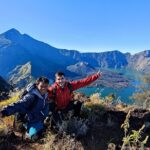
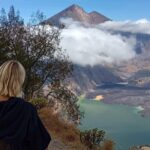
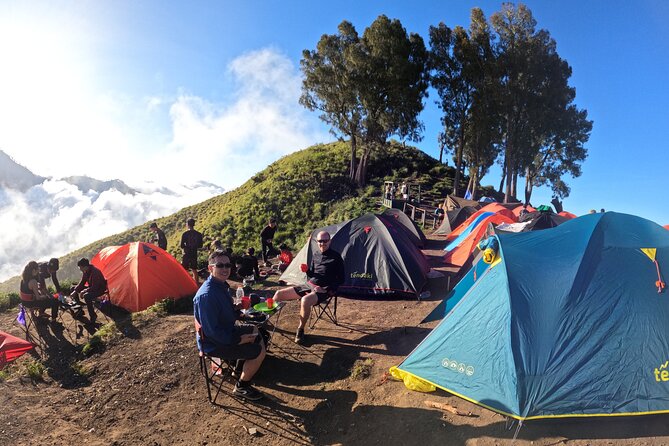
The payoff on Day 1 is the crater rim camp. When you arrive and settle in, you get the best kind of “I earned this” reward: wide views at sunset from Pelawangan Sembalun. You’re high enough to feel the altitude in the air, and camp timing means you’re not rushing the moment. This also sets you up well for Day 2. You’ll already be at the right elevation to make the early-morning summit push realistic.
What could feel challenging on Day 1: you’re climbing while carrying the expectation of an even harder next morning. If you’re the type who worries at night, bring something that keeps you calm—because the mountain will do the rest.
3 a.m. summit day: how the early start shapes the whole trek
Day 2 begins before most humans are awake. You’ll wake around 2:30 a.m. if everything runs on schedule, then have a light breakfast. The summit hike begins around 3:00 a.m., with a trek time listed at about 3 hours 30 minutes to reach the top.
This is where headlamps matter. They’re included, and you’ll likely rely on them for safety on the dark trail. Early starts are a common thing on Rinjani, but what makes this trek specific is the goal: you’re climbing for sunrise from the summit area. That’s why the schedule is so tight. If you’re a late-sleeper, you’re going to feel the friction right away.
The summit height is listed around 3,672 m, while the overview also references about 3,726 m. Either way, you’re at serious altitude for a short-duration climb, and the effort becomes mostly about endurance and steady footing. The route description also mentions you’ll climb multiple very high hills and that stamina is crucial. That means you don’t just need “legs”—you need patience.
A practical tip based on what I’ve seen people emphasize with this kind of trek: you’ll likely feel colder at the top than you expect, and it’s not just uncomfortable, it affects your ability to stay focused and warm enough to keep moving. Gloves are not included, so don’t treat that as optional. Long pants also aren’t included, so plan to bring them.
Once you reach the summit, you can take pictures and catch the sunrise moment. Even if you’ve seen summit sunrise photos before, the real one is different because it’s attached to your own effort. The trail is what makes that moment mean something.
What could throw you off on Day 2: going out too fast in the dark. If you start sprinting, you’ll pay for it later. Your best strategy is controlled effort from the beginning—especially on a trek like this where timing is everything.
The team behind the trek: Ialu, Ir, and what porter support changes
One thing I like about Rinjani treks run well is how much stress they remove. This one includes a trekking guide and porter support specifically to carry camping equipment. That’s a big difference between a “walk with a guide” and an organized overnight summit attempt.
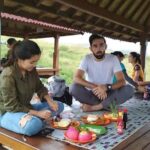
The camp setup is handled with included gear: double-size tent, camp chairs, a toilet tent, and sleeping bags with pillows and mattresses. Headlamps, trekking poles, and sticks are also included. In other words, you’re not showing up and hoping the mountain supplies you with comfort. You’re hiking, eating, and sleeping—without turning the trip into a gear-buying project.
Safety briefing is another big deal. The team leader Ialu is described as personally involved in arranging logistics and giving a safety briefing the night before. That tells me they don’t treat safety as a quick talk. Then Ir, the guide, shows up as friendly and experienced, with support that adapts to your pace.
From a practical standpoint, this kind of guidance matters most when you’re tired and the route gets demanding. A guide who helps you stay steady—rather than pushing you into a burnout—can make the difference between enjoying the summit and suffering through it.
How to use this help: don’t be shy about telling your guide your pace. If you need slower steps, ask for them early. On a steep mountain route, “a little slower” can prevent a big crash later.
Where the money goes: price, entrance fees, and real budgeting
Let’s talk value without pretending extra costs don’t exist. The price is $195 per person for the private 2D/1N summit experience. That price covers the included meals (breakfast, lunch x2, dinner), safe drinking water, guide and porter support, insurance, and the camping setup (tent, sleeping bag, mattress, and more). You also get headlamp plus trekking poles/sticks.
What’s not included:
- Entrance fees: Rp 200k/day/person (listed total Rp 600,000)
- Tips for porters and guide
- Trekking shoes and basic cold-weather clothing items like long pants and gloves
- Travel insurance
- A small day pack (you’ll want one even if you don’t carry much)
So the question becomes: are you paying mainly for a guide, or for the whole system? Here, you’re paying for the whole system. And with summit treks, that’s often what you want. You don’t want to lose time shopping for gear or deal with logistics stress at altitude.
Also, this is listed as private, with group discounts. That matters if you’re traveling with friends or family. If you’re going solo or as a small group, you’ll feel the value even more because you’re not splitting costs across a big crowd.
My budgeting advice: add the entrance fee right away in your planning. Then keep a separate chunk for tips, and make sure you’re not buying essential items last minute in Lombok.
Day-by-day: what to expect at each moment
This is a two-day, one-night trek with a clear arc: transfer + climb on Day 1, sunrise summit attempt on Day 2, then back down to Sembalun.
Day 1
- After breakfast, you’ll be transferred toward Sembalun using a mountain car.
- You’ll hike from Sembalun toward the crater rim area (Pelawangan Sembalun), listed around 2,639 m.
- The ascent is described as steep, with about 3 hours for the climb segment.
- You camp at the crater rim and enjoy sunset views.
Day 2
- Wake around 2:30 a.m., then eat a light breakfast.
- Start the summit trek around 3:00 a.m. (roughly 3 hours 30 minutes listed).
- Reach the summit area for sunrise, then descend back toward Sembalun village.
A detail that’s easy to miss: the itinerary description says it takes place in Sembalun village as well, and the trek includes Sembalun village time. That’s good. You’re not only sprinting uphill—you also have a base area where you can orient, settle, and reset.
What to pack: follow the included list, then add cold-weather reality
The tour doesn’t include certain essentials, and that’s on purpose—you should show up ready for a real trek. Here’s what’s explicitly not included:
- Trekking shoes
- Long pants
- Gloves
- Small bag or day pack
It does include trekking poles/sticks and a headlamp. That means you don’t have to bring your own poles, which saves money and weight. But shoes are non-negotiable. Your feet are the main part of you on a steep climb, and trail footing on Rinjani is unforgiving when you don’t have proper grip.
Because people also describe the top as freezing, I strongly suggest planning for layers even if you think Lombok is warm. Bring clothing that you can adjust as temperatures drop at altitude. Gloves aren’t a style choice here—they help you handle cold air and protect hands.
A good rule: if an item keeps you warm without slowing you down, it earns its spot in your day pack.
Who should book this Mount Rinjani summit trek
This tour is designed for people with strong physical fitness. You’re starting around 1,150 m, climbing to the crater rim around 2,639 m, then aiming for a summit around 3,672–3,726 m with an early-morning start. That’s not a gentle hike.
You’ll likely be happiest if you:
- Like a structured, guided plan (especially one with porter support)
- Want the sunrise summit moment rather than an extended, slow climb
- Can handle very early wake-ups without grumbling every hour
- Prefer traveling with a private group setup
You might think twice if you:
- Get discouraged easily when you’re breathing hard
- Hate cold mornings or don’t pack for altitude temperatures
- Want a relaxed pace with lots of time buffer (this trek is time-driven)
Quick note on flexibility and timing
This experience is non-refundable and cannot be changed for any reason. That’s a serious commitment, so I recommend booking only when your dates are solid and your fitness is ready. Also note the start time: 7:30 am is listed, so plan for an active day from the beginning.
Should you book the Private 2 Days and 1 Night Summit in Mount Rinjani?
Book it if you want a well-organized private Rinjani summit plan with real support: guide help, porter-carried camping equipment, and included tents and sleeping gear. The crater rim camp night plus the sunrise summit schedule is exactly the combo that makes 2D/1N feel powerful rather than rushed.
Skip it or compare options if you need schedule flexibility, or if you’re unsure about cold mornings and sustained uphill effort. At altitude, a summit trek isn’t the place for “I’ll wing it.”
My final decision tip: treat this as a performance-oriented hike, not a casual nature walk. If that matches your style, this trek is a strong Lombok adventure.
FAQ
What is the duration of the Mount Rinjani 2D/1N summit trek?
It runs for 2 days (about 2 days), with one night camping at the crater rim area.
Where does the trek start and end?
The start is Senaru, Bayan (North Lombok Regency, West Nusa Tenggara, Indonesia), and the activity ends back at the meeting point.
What time do we start on the summit day?
You wake around 2:30 a.m. for a light breakfast, then start the summit trek around 3:00 a.m.
How high is the summit?
The summit is listed around 3,672 m, while the overview also references about 3,726 m.
Is the crater rim camp included?
Yes. You camp overnight at the Sembalun Crater Rim (Pelawangan Sembalun), listed around 2,639 m.
What camping equipment is included?
Included items list double-size tents, camp chairs, a toilet tent, sleeping bags, pillows, and mattresses.
Are meals included?
Yes. Breakfast, dinner, and lunch (two lunch meals) are included, plus safe drinking water.
Do I need to pay an entrance fee?
Yes. Entrance fees are Rp 200k/day/person, listed as Rp 600,000 total per person.
What should I bring since it’s not included?
You’ll want trekking shoes, long pants, gloves, and a small bag or day pack. Travel insurance and tips for porters/guide are also not included.