REVIEW · LOMBOK
Hiking Rinjani 3 days 2 nights summit – Lake
Book on Viator →Operated by Rinjani Samalas Tour and Trekking · Bookable on Viator
Three days on Rinjani, and you feel it. This Sembalun-to-Senaru route is interesting because it strings together crater-rim camping, a summit sunrise start at 3:00 a.m., and then down to Segara Anak Lake and the hot springs before finishing in Senaru. I like that the package includes all meals/snacks and camping equipment, so you’re not juggling gear logistics with a long, steep trek. I also like the small-group setup (max 10), with English-speaking guides and professional porters such as Nas, Edi, or Supi mentioned by past hikers. One consideration: the trail is steep and demanding, especially on the descent, so it’s not a fit if you’re a total beginner.
If you can handle long days on mountain terrain, this is one of the most straightforward ways to experience Rinjani without feeling underprepared. You’ll start from Sembalun at about 8:00 a.m. on Day 1, sleep on the crater rim, wake up in the dark on Day 2, and end on Day 3 with a roughly 5-hour walk through tropical forest to Senaru Village.
In This Review
- Key highlights to look for
- Rinjani’s Sembalun-to-Senaru Story in 3 Days
- Day 1: Sembalun Grasslands, Pos Checks, and Camp at the Rim
- Day 2: The 2:00 a.m. Wake-Up, Summit Sunrise, and Segara Anak Recovery
- Day 3: Senaru Rim to Village Through Tropical Forest
- Guides and Porters: Why Service Changes Your Trek
- Gear and Food: What’s Included, What You Still Need
- Price and Value: Does $360 Make Sense on Rinjani?
- Who Should Book This Trek (and Who Should Wait)
- Should You Book Rinjani Samalas 3 Days 2 Nights (Summit + Lake)?
- FAQ
- Where does the trek start and end?
- How long is the Mount Rinjani trek?
- What time do we start on Day 1?
- What time do we start the summit attempt on Day 2?
- Where do we camp overnight?
- What is included in the price?
- Is an extra porter for personal belongings included?
- Do I need to tip the guide and porter?
- What fitness level is needed?
- What happens if weather is poor?
Key highlights to look for
- Sembalun grassland opener: a gradual climb to Pos 1, Pos 2, then lunch at Pos 3
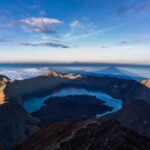
- Overnight on the crater rim: camp around 2,639–2,641m for big views
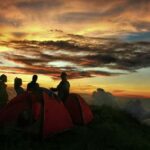
- 2:00 a.m. wake-up, 3:00 a.m. summit push: early start to catch sunrise
- Segara Anak Lake + hot springs: time to recover before the final climb
- English-speaking guide + porters: camp setup and trail support are part of the deal
- Full-board food: meals, snacks, fruits, and drinks during the trek
Rinjani’s Sembalun-to-Senaru Story in 3 Days
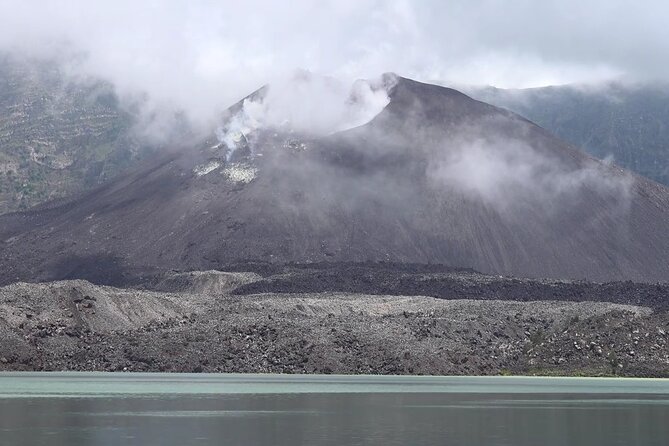
This trek is built around classic Rinjani scenery, in a logical order: open slopes first, crater rim nights second, lake-and-hot-spring recovery third, and then a forest descent to finish. Starting in Sembalun matters because you begin with a gentler ramp-up through grassland rather than immediately wrestling steep volcanic ground. That sets your legs up for the harder climbs later.
You also get a clear rhythm to the days. Day 1 is about getting to the crater rim and settling in. Day 2 is the big one—dark start, summit timing, then a long descent to the lake/hot spring and back up to camp. Day 3 is a steady downhill through forest to Senaru Village.
The trip runs about 3 days and uses camps rather than hotels, with trekking equipment supplied for you. That’s a big part of the value, because Rinjani is the kind of trip where packing wrong (or forgetting key items) can turn stressful fast.
Day 1: Sembalun Grasslands, Pos Checks, and Camp at the Rim
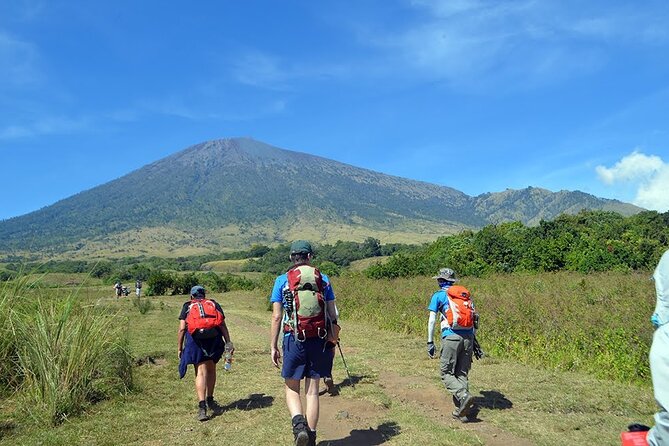
You begin around 8:00 a.m. from Sembalun. The day starts pleasantly: open grassland and a gentle ascent, walking you into the altitude gradually. After about 2 hours, you reach Pos 1 (1,300m). You continue to Pos 2 (1,500m) about 40 minutes later. Then you keep moving to Pos 3 (1,800m), where lunch happens.
Why this structure is useful: those position markers break the day into chunks. Instead of feeling like you’re “just hiking forever,” you can think in checkpoints: reach Pos 1, reach Pos 2, then lunch. It’s also a good day for finding your pace early so you don’t blow your energy before the steeper part.
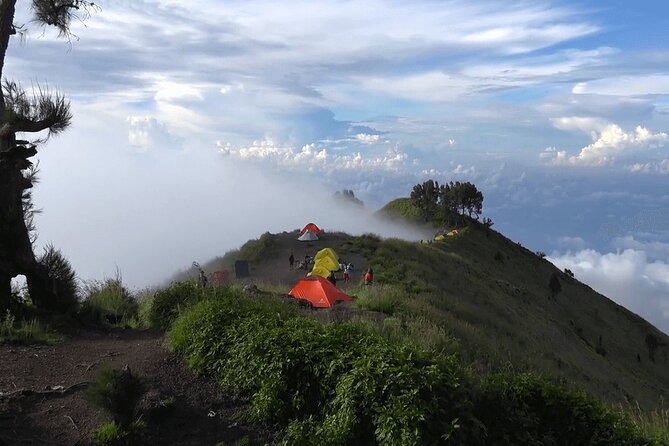
After lunch and rest, the route aims for Sembalun crater rim (about 2,639m). The climb here is steep, taking around 3 hours, and you camp at the rim afterward. This is where you’ll start noticing how Rinjani plays with views—wide, airy horizons when you’re exposed, then darker volcanic contours once you’re deeper into the rim area.
Practical drawback for some people: the first rim climb is longer than it looks on a map. If you try to “speed-walk” too hard in the beginning grassland, you may feel it on the steep rim push.
Day 2: The 2:00 a.m. Wake-Up, Summit Sunrise, and Segara Anak Recovery
Day 2 is the classic Rinjani day, starting with a wake-up around 2:00 a.m.. Hot drinks and a light breakfast help you transition from sleeping to moving. The summit attempt begins around 3:00 a.m. with a moderate climb that ramps up into early-morning effort.
By around 6:00 a.m., you’ll reach the timing for sunrise. This is one of the big reasons people do Rinjani: a summit sunrise tends to make all the “why am I doing this?” thoughts disappear for a while. The views stretch across Lombok Island, and you’re high enough that you can feel like you’re above the world.
After the summit timing, the day switches into descent mode—down to Segara Anak Lake and the hot spring area. Porters handle lunch, and this is the part that makes the trek feel humane. Eating, resting, and then showering at the lake/hot-spring area means you’re not just burning calories—you’re also resetting your body for the final leg.
Then you climb again. After the lake break, you head up toward the Senaru crater rim (about 2,641m) for the second night campsite. This is another steep grind after you’ve already spent the morning high on the mountain. It can feel like a repeat of Day 1’s effort, but with less patience because you’re tired and your legs already know what’s coming.
Tip from how this itinerary is set up: bring the mental habit of pacing. Day 2 rewards steady steps, not bursts. You’re climbing in darkness, then descending, then climbing again—energy management matters.
Day 3: Senaru Rim to Village Through Tropical Forest
On Day 3, you start with breakfast and sunrise again, then begin the descent down to Senaru Village. The route passes through tropical forest, and it takes about 5 hours to reach the village.
This day often feels like a release after Day 2. Instead of crater rim exposure, you’re moving under tree cover, and that change can be a relief for your head and your eyes. Still, don’t treat it like an easy victory lap. Going downhill can be rough on knees and ankles, even with good footing.
By the time you reach Senaru Village, you’ve completed the trek’s full arc: rim nights, sunrise summit timing, lake/hot-spring reset, and then forest descent. The trek ends there.
Guides and Porters: Why Service Changes Your Trek
This is the part that can make or break a tough mountain trip. This package includes an experienced English-speaking guide plus professional porters, and the support is practical, not just motivational.
From what’s been described by hikers, guides like Nas, Nas’s crew, Edi, Supi, Sufi, and others tend to focus on pace and endurance. More than once, the message is the same: if you’re struggling, they adjust and help you keep going. That matters on Rinjani because the summit day is timing-driven, and you don’t want to sabotage yourself early.
Porters do a lot behind the scenes:
- camp setup with tents and sleeping gear
- carrying essentials so you can hike with less weight
- preparing meals on the trek
- getting camp ready before you arrive
A nice extra detail: past trekkers explicitly mention that camp gets set with comfortable touches—things like tents, camp chairs, and organized meal support. That doesn’t mean the trek becomes easy. It means you recover better at night, which is the difference between feeling wrecked versus feeling ready for Day 2.
Gear and Food: What’s Included, What You Still Need
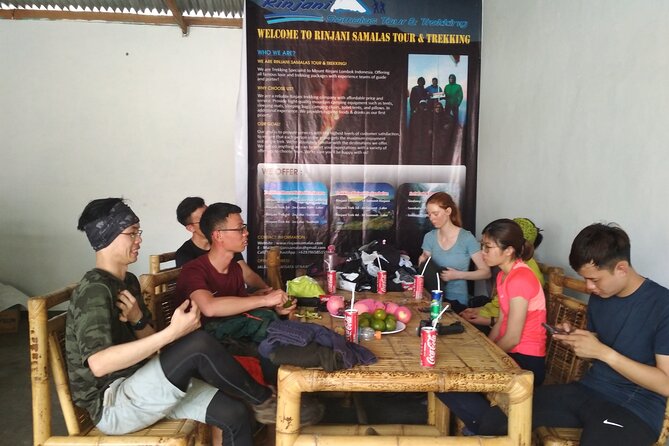
A big win here: the tour includes camping equipment such as tents, sleeping mats, sleeping bags, camping chairs, toilet tents, and pillows. That reduces the amount of stuff you must pack from Lombok or wherever you’re staying.
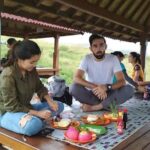
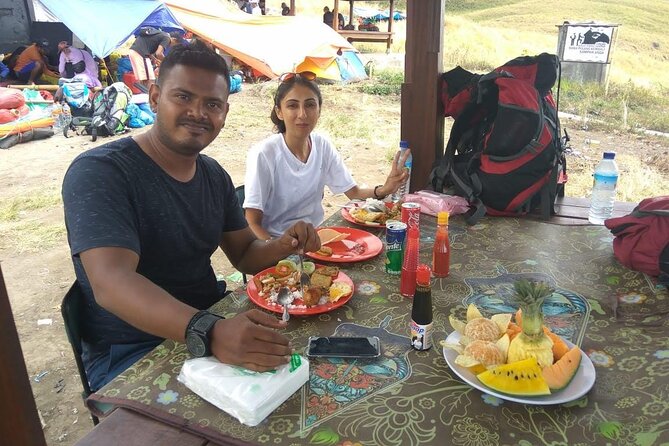
Food is also fully handled. You get all meals, snacks, fruits, and drinks during the trek. Several hikers noted that the food is plentiful and well-prepared for a high-altitude trek, and dishes like curry and nasi goreng have been mentioned as highlights. You shouldn’t expect gourmet fine dining, but you should expect that you won’t be hungry.
Still, you’ll need your personal items. Since the itinerary includes a summit push around 3:00 a.m., plan for night hiking conditions. At minimum, I’d bring:
- a headlamp or flashlight
- layers for early-morning cold
- a rain-ready outer layer
- water/rehydration items that match your normal habits
- sun protection for exposed crater segments
One more practical note: if you pack heavier personal belongings, the tour doesn’t include an extra porter for your extra items. There’s an option for that, but it’s not included by default.
Price and Value: Does $360 Make Sense on Rinjani?
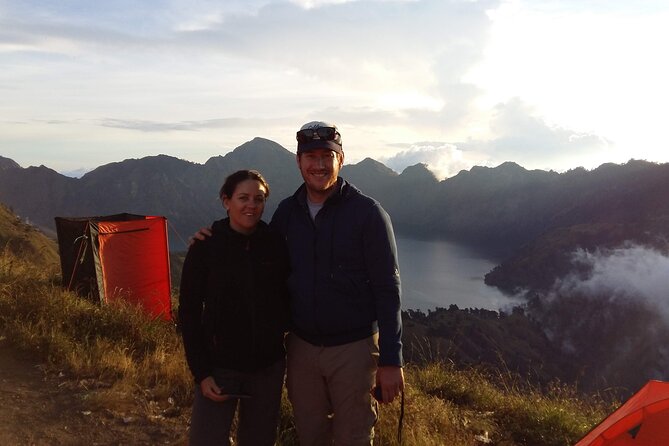
At $360 per person (for a 3-day, 2-night trek), the real question is what you’re paying for beyond the view. Here, a lot is included:
- National Park entrance fees
- camping equipment (not just tents, but sleeping mats, sleeping bags, chairs, toilet tents, and pillows)
- guide + professional porters
- meals, snacks, fruits, and drinks
So you’re not just buying a walking route. You’re buying logistics. On Rinjani, logistics is half the battle. When you factor in gear rental, daily meals, and the staff required to run camp, this price can feel reasonable—especially for small groups (max 10).
What you should still budget for:
- tipping the guide and porter (not included)
- any extra porter for personal belongings (not included)
If you’re solo, this trek can also offer value because it’s a small-group experience with structured service rather than a vague “find a buddy and go” plan.
Who Should Book This Trek (and Who Should Wait)
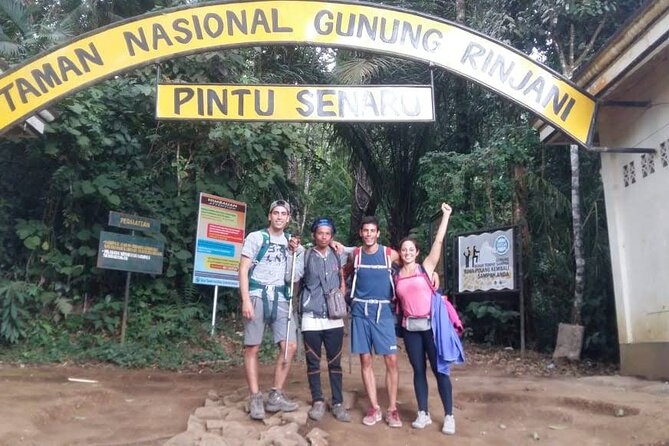
This trek is listed for people with moderate physical fitness. That’s a helpful filter, but the real-world test is how you handle steep terrain and long hours. Expect the toughest moments to be:
- the steep climb to the crater rim on Day 1
- the summit timing on Day 2
- the climb back up to Senaru crater rim after lake/hot spring time
- the long descent to Senaru Village on Day 3
Also, some hikers explicitly say the route down can be steep, and they don’t recommend it for total beginners. If your hiking experience is mostly flat trails, I’d consider training first or choosing a gentler trek.
Who it suits best:
- hikers who want a full Rinjani package with meals + camping gear handled
- people who want sunrise and the lake/hot-spring combination in a single itinerary
- travelers comfortable with early starts and a physically demanding route
- small-group travelers who like that the group stays limited (max 10)
Should You Book Rinjani Samalas 3 Days 2 Nights (Summit + Lake)?
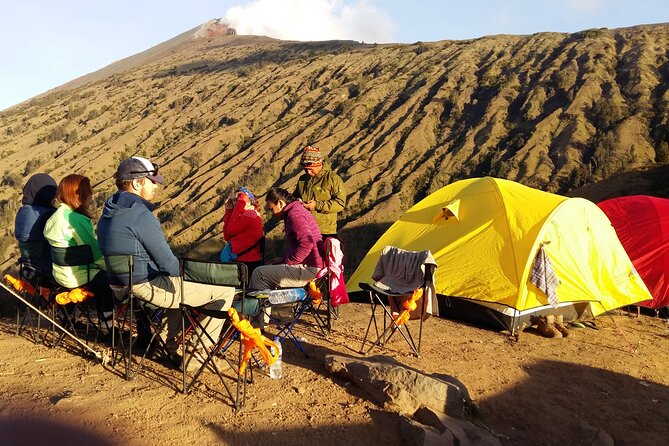
If you want the classic Rinjani highlights—summit sunrise, Segara Anak Lake, and hot spring recovery—and you’d rather spend your energy hiking than managing equipment and meals, I’d say this is a strong choice.
I’d skip it if:
- you’re not confident on steep climbs and descents
- you hate early wake-ups (Day 2 is about 2:00 a.m.)
- you want a relaxed, beginner-friendly experience
One more reality check: the trek requires good weather. If conditions are poor, you’ll be offered a different date or a full refund. That’s not a weakness; it’s part of how high-mountain trips stay safe.
If you’re ready for a demanding but well-supported adventure—this one is built for you.
FAQ
Where does the trek start and end?
The trek starts at the Rinjani Samalas Tour & Trekking office area in Senaru, Lombok Utara, and it ends back at the meeting point after returning from Senaru Village.
How long is the Mount Rinjani trek?
It runs for about 3 days (3D2N).
What time do we start on Day 1?
Day 1 starts around 8:00 a.m.
What time do we start the summit attempt on Day 2?
You are awakened around 2:00 a.m., and the summit start begins around 3:00 a.m.
Where do we camp overnight?
You camp on the crater rim on Day 1 (around 2,639m) and on the Senaru crater rim on Day 2 (around 2,641m).
What is included in the price?
Included are Mount Rinjani National Park entrance fees, camping equipment (tents, sleeping mats, sleeping bags, camping chair, toilet tents, and pillow), an experienced English-speaking guide, professional porters, and all meals, snacks, fruits, and drinks.
Is an extra porter for personal belongings included?
No. An extra porter for personal belongings or other personal expenses is not included.
Do I need to tip the guide and porter?
Tipping for your guide and porter is not included.
What fitness level is needed?
The trek is for travelers with a moderate physical fitness level.
What happens if weather is poor?
This experience requires good weather. If it’s canceled due to poor weather, you’ll be offered a different date or a full refund.