REVIEW · LOMBOK
Rinjani Trekking 3D2N Summit
Book on Viator →Operated by Team Backpacker · Bookable on Viator
Hard climbs, big payoff. Mount Rinjani turns a hike into a full-on sensory circuit of rims, lake views, and waterfall breaks. I like that it handles the heavy logistics for you, including return transfers and the national park fee. I also like that the trip is built around real effort—real hiking—so you get sunrise and sunset moments without trying to guess routes on your own. One thing to think through: this is a serious altitude hike, so you’ll want to show up physically ready and pack for serious cold at elevation.
You’ll be trekking with a local guide and porters, and you’ll sleep once in a village and twice camping on the mountain. That mix matters: it keeps the trek supported, while still giving you the cold-night, starry-camp feeling people come for. In the best part of the experience, the human touch really lands—my favorite detail from the reviews is the care level from guides like Radu and the porter team. Their pacing and support make the difference between suffering and moving smart.
The main drawback is comfort. Expect simple camping setup and straightforward meals—good value, but not hotel-level. If you want extra comfort like a pillow and chair, you’ll need to choose the private option, not the shared budget style.
In This Review
- Key Things to Know Before You Hike Rinjani
- Mount Rinjani Trek: The Value Is in the Support, Not the Comfort
- Price and What You Actually Get for $243.92
- Where You Start: Pickup, Senaru Village, and the First Night Setup
- Day 1 Arrival Feel: Settle In, Then Respect the Climb
- Day 2: Sembalun Crater Rim Day and Your First Big View Payoff
- Day 3: Summit Push, Segara Anak Lake, and the Sunset Mindset
- Waterfall Stops That Break the Monotony: Sindang Gila and Tiu Kelep Areas
- Camps, Cold Nights, and What to Pack So You Don’t Suffer Unnecessarily
- Guides and Porters: The Team Is Part of the Adventure
- Group Size, Booking Timing, and How to Choose Between Shared and Private
- When Weather Matters (Because It Really Does)
- Should You Book the Rinjani Trek 3D2N Summit?
- FAQ
- What is the duration of the Mount Rinjani trekking experience?
- How many nights will I spend on this trek?
- Where do you pick me up from?
- What drop-off options are available at the end?
- Is the Mount Rinjani National Park fee included?
- What’s included in the trek package?
- What should I bring that is not included?
- Can I rent a jacket/tick coat if I don’t have one?
- How big are the groups?
- What happens if weather is poor?
Key Things to Know Before You Hike Rinjani
- Transfers included so you’re not stuck arranging rides on Lombok
- National Park entry fees covered which saves you extra paperwork
- Full board meals + drinks with camping gear handled for you
- Sunrise and sunset on the route tied to crater and summit viewpoints
- Porters carry your gear so you can focus on your own pace
- Cold planning is non-negotiable even if the days start warm
Mount Rinjani Trek: The Value Is in the Support, Not the Comfort
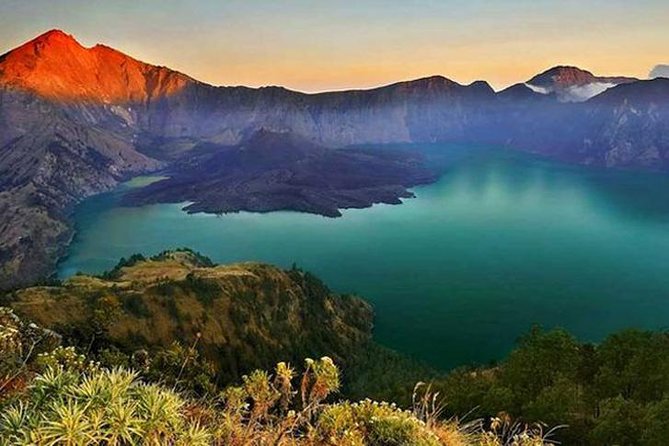
This is one of those Lombok trips that only really works if you want movement: hiking over multiple days, chasing views from the crater rims, and building your way up toward the summit area. The reason it’s worth considering is the balance. You get real guidance and real help with the logistics, but you’re still the one doing the climbing.
For your $243.92 per person, the standout value is what gets bundled in. You’re not just buying a guide’s time—you’re getting camping gear, full board meals and drinks, porters, and the one night hotel in Senaru village. On top of that, the package includes the Mount Rinjani National Park fee and air-conditioned vehicle transfers.
If you’re the type who wants an active trip but doesn’t want to spend days coordinating permits, pickup points, and what to pack, this format fits. The caveat is comfort. There’s no promise of cushy camping, and the shared option is intentionally basic.
Price and What You Actually Get for $243.92
Let’s break down what you’re paying for, because this trek’s value is easy to misunderstand if you only look at the headline price.
Included support that you’d otherwise pay for or coordinate:
- Local guide and porters (porters carry your gear)
- All camping gears
- Full board meals and drinks
- 1 night in a hotel in Senaru Village
- Park entry fee
- Return transfers and an air-conditioned vehicle
What’s on you to bring or sort:
- Trekking shoes (running or hiking shoes with good grip work)
- Warm layers (you can rent a jacket/tick coat on the spot if needed)
- Long pants (cold at altitude, even down to minus temperatures)
- Small towels and any personal medicine
So yes, it’s not a cheap weekend. But when you consider porters, gear, meals, and park entry are all built in, it starts to look like a fair deal—especially if you’re traveling solo or you don’t want to play logistics Tetris on arrival.
Where You Start: Pickup, Senaru Village, and the First Night Setup
Your trip begins with pickup somewhere within Lombok—any place or port within Lombok, depending on the service arrangement. Then you settle in around Senaru village for the first night in a hotel.
This first night isn’t just a warm-up. It’s how you arrive rested enough to hike the next day without burning daylight scrambling for supplies. It also helps you psychologically. You wake up in a real village base, not in the middle of nowhere with a backpack full of questions.
One practical note: the shared option has a defined drop-off zone at the end (things like Mataram, Senggigi, Pemenang area, and several harbor areas including Bangsal, Teluk Nara, and Teluk Kode). If you’d rather be dropped at your exact accommodation, the private option is the better match.
Day 1 Arrival Feel: Settle In, Then Respect the Climb
After pickup, you’re spending the evening in Senaru village. Think of it as your staging day: get water sorted, double-check warm layers, and don’t treat the “first day” like a vacation day.
You should plan to sleep early because the trek schedule is demanding. Even if you’re excited, your best move is to be boring: eat, rest, prepare your pack the way you’ll need it for the hike, and don’t wait until the last minute to handle any rental jacket/tick coat needs.
Day 2: Sembalun Crater Rim Day and Your First Big View Payoff
The hike starts toward the Sembalun crater rim area. This is where you start feeling why Rinjani has a reputation. The effort climbs steadily, and altitude starts to tug at your pace even when your legs still feel okay.
Your goal for this day is the crater rim experience—big skies, dramatic slopes, and the sense of being on the edge of something volcanic and ancient. It’s also a “measure yourself” day: you learn your breathing rhythm fast, because you’ll need it for what comes next.
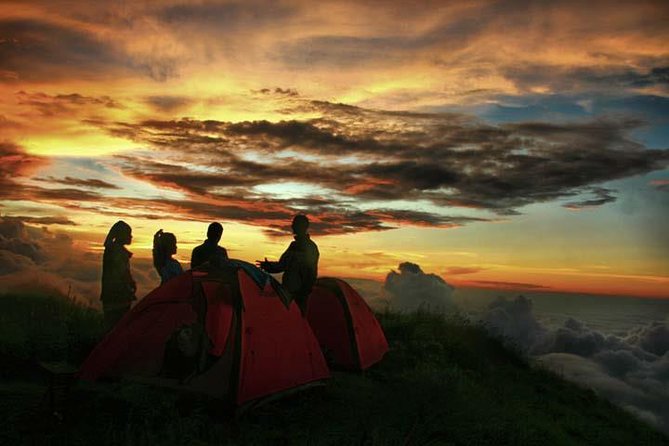
That campsite night on the mountain matters too. Camping means you’ll be outside, under open air, and you’ll feel the temperature drop in a way that can surprise first-timers. Don’t assume tropical “warm” clothing will cover you overnight. Bring long pants, and pack for cold—even if the morning starts mild.
Day 3: Summit Push, Segara Anak Lake, and the Sunset Mindset
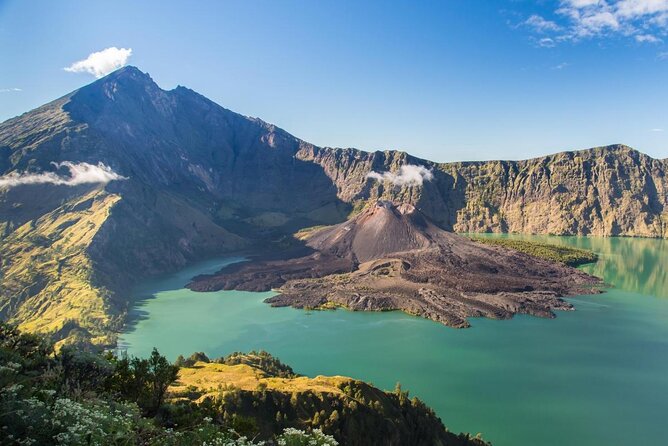
Day 3 is the headline day: hiking to the summit of Mount Rinjani, then continuing toward Segara Anak Lake, with another night at camp near the Senaru crater rim.
What makes this day special is the sequencing of views. You’re not just walking to one point. You’re moving through multiple high-impact moments:
- a summit-area challenge
- lake scenery from a dramatic elevation
- and the emotional high of sunrise or sunset timing depending on conditions and the pace group follows
This is also the day that tests whether your pace is smart. If you go out too fast, the altitude will collect its fee. If you move steadily and let porters do their job with your gear, the experience feels more manageable.
And here’s a small practical tip based on what people liked: bring snacks. Meals are provided and full board is included, but having extra snacks on hand helps you keep energy when you need it most.
Waterfall Stops That Break the Monotony: Sindang Gila and Tiu Kelep Areas
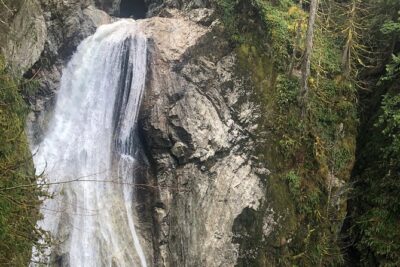
Along the route, you’ll hit waterfall scenery. The itinerary includes Sindang Gila Waterfall and Sendang Gile and Tiu Kelep Waterfall areas.
Why waterfall stops are worth it on a trekking trip:
- they give you visual variety when the hike starts to blur into a “step rhythm”
- they offer moments to pause, breathe, and regroup
- and if you bring your swimwear as suggested, you’ll have options for short cooling breaks when conditions allow
Just keep expectations grounded. This is still a hiking-first trip. Waterfall time is a break, not a spa day. Wear shoes with grip, and be ready for wet sections.
Camps, Cold Nights, and What to Pack So You Don’t Suffer Unnecessarily
This is the packing reality check. Even if Lombok feels warm on the coast, altitude changes everything. The trip explicitly calls out cold conditions at high altitude, including the possibility of minus temperatures.
Here’s what to prioritize:
- Warm layers: long pants are emphasized for a reason
- Boots or shoes with grip: you can use running shoes if they grip well
- Tick coat or jacket: if you don’t have one, you can rent on the spot
- Swimwear and clothing for flexible breaks, since the route includes waterfall time
Also, don’t overlook basics like small towels (not included) and personal medicine (also not included).
From a comfort standpoint, understand what you’re buying. You’ll have camping gear, and meals are covered. But you should not expect a cushy bed and fancy downtime. If you want more comfort touches like pillow and chair, choose the private option rather than shared.
Guides and Porters: The Team Is Part of the Adventure
The trek experience lives or dies on pacing and support. This tour is guided, and porters carry your gear, which helps you focus on moving up safely and steadily.
The detail I’m glad you have from the reviews: the guide care can be excellent. One review specifically praised guide Radu for taking great care of the group. That’s the kind of value you can’t recreate with a map pin.
What you should do on your end:
- Follow your guide’s pacing advice early.
- Don’t treat every climb as a race—especially with summit goals ahead.
- Use the porter support wisely by packing smart (keep items easy to access for cold, snacks, and layers).
Group Size, Booking Timing, and How to Choose Between Shared and Private
The group limit is up to 100 travelers, which sounds big on paper. In practice, it usually means your trek can be part of a larger operation, but you still get guide direction and porter support. The key is to manage your expectations about crowd vibe—this is not a quiet private hike unless you choose private.
Booking is fairly popular: on average it’s booked about 27 days in advance. If your dates are fixed, aim earlier rather than later.
Choosing shared vs private:
- Shared budget-style service is simpler and more basic.
- Private option is deluxe-style with comforts like chairs and pillow mentioned in the review feedback.
If comfort helps you sleep better at camp and keep your energy for summit day, private may be worth the upgrade.
When Weather Matters (Because It Really Does)
This experience depends on good weather. If conditions are poor, you’ll either get offered a different date or a full refund.
That means you should plan with flexibility if you can. If your schedule is rigid and you can’t shift anything, you might want to keep a backup plan for Lombok in case the trek has to be rescheduled.
Should You Book the Rinjani Trek 3D2N Summit?
Book it if:
- you want a guided summit-area trek without coordinating every piece yourself
- you’re comfortable with a challenging hike and cold nights
- you value having meals, camping gear, porters, park fees, and transfers handled for you
- you care about sunrise/sunset timing and crater-view variety (not just one viewpoint)
Skip it or reconsider if:
- you want hotel-level comfort at night or lots of downtime
- you’re not ready for altitude and cold, or you hate the idea of long, demanding hiking days
- you’re traveling with no flexibility at all, since weather can force date changes
FAQ
What is the duration of the Mount Rinjani trekking experience?
It runs for about 4 days.
How many nights will I spend on this trek?
You spend 1 night in Senaru village and 2 nights camping on the mountain, for a total of 3 nights.
Where do you pick me up from?
Pickup is offered at any places or port within Lombok.
What drop-off options are available at the end?
For a private tour, drop-off can be arranged to any location within Lombok. For a shared option, drop-off covers areas such as Mataram, Senggigi, Pemenang area / Bangsal Harbor, Teluk Nara Harbor, and Teluk Kode Harbor.
Is the Mount Rinjani National Park fee included?
Yes. The Mount Rinjani National Park fee is included.
What’s included in the trek package?
Included are all camping gears, full board meals and drinks, an air-conditioned vehicle for transfers, all transfers (in/out), 1 night hotel in Senaru Village, the national park fee, and a local guide and porters.
What should I bring that is not included?
You should bring trekking shoes, warm jackets or a tick coat if you have one (you can rent on the spot), long pants for very cold high altitude conditions, short pants if you’re using a nature sauna, small towels, and personal medicine.
Can I rent a jacket/tick coat if I don’t have one?
Yes, you can rent one on the spot if you don’t have it.
How big are the groups?
The tour has a maximum of 100 travelers.
What happens if weather is poor?
The experience requires good weather. If it’s canceled due to poor weather, you’ll be offered a different date or a full refund. Also, the experience is listed as non-refundable and cannot be changed for any reason.