REVIEW · LOMBOK
3 days 2 night trekking Rinjani to Summit and lake
Book on Viator →Operated by Rinjani Trek Adventure · Bookable on Viator
Rinjani’s 3-day hike strings together summit light, crater-rim camps, and a rare lake-and-hot-spring break, all while your guide and porters handle the “how” so you can focus on the “where.” You’ll start in Senaru/Sembalun with a briefing and move through official check-in before the trail gets serious, then get the payoff: early starts, wide views, and that quiet volcanic mood.
Two things I especially like are the small-group feel (max 6) and the practical support from the team. In multiple accounts, guides like Fahri and Ipan (also listed as Irpan/Ivan) run a tight, flexible operation, and porters double as strong, capable helpers who also cook real-deal trekking meals. One drawback to plan for: this is not a casual walk—early morning starts, steep sections in low light, and a trek that depends on weather mean you need solid fitness and a calm head.
In This Review
- The trek has structure, and that’s a big deal
- Expect real effort (and bring the right mindset)
- Key highlights you’ll actually feel on the trail
- Getting Oriented in Senaru: meet-up, briefing, then straight into motion
- Sembalun to the trailhead: the run-up before the climb
- Pos 1, Pos 2, Pos 3: where your legs learn the trail
- Crater-rim camping on Day 1: first night, volcanic calm
- The summit push at 2:30am: sunrise is the point
- Lake and hot spring time: recovery with a view
- Day 3 sunrise and descent: finish around 1pm
- Who runs the show: guides and porters make this a real trekking service
- Price and what you’ll actually pay: $245 is not the whole bill
- Group size, timing, and the vibe you should expect
- Fitness and weather: how to judge if this trek fits you
- What to pack (and what to trust the team for)
- Who this trek is best for
- Should you book this 3D/2N Rinjani summit + lake trek?
- FAQ
- Where is the meeting point and what time does the trek start?
- What’s included in the trek package?
- What costs are not included?
- How fit do I need to be for this trek?
- How big is the group?
- What happens if the weather is bad?
The trek has structure, and that’s a big deal
What makes this outing feel worth it is how the days are paced. You get clear checkpoints (Pos 1, Pos 2, Pos 3), lunch at a planned point, and two nights of sleeping that are built around the hike rhythm—not random “we’ll figure it out” timing.
Expect real effort (and bring the right mindset)
One consideration: the schedule is early and compressed, including a 2:30am summit start for sunrise. If you’re not comfortable with night hiking and going hard in cold/dark conditions, this is the part that can feel most intense.
Key highlights you’ll actually feel on the trail
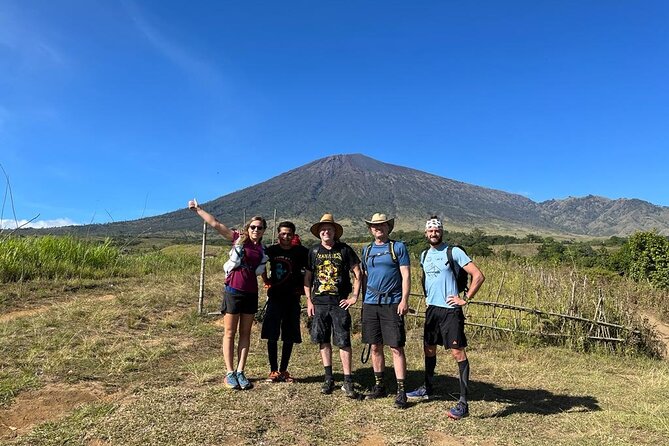
- Small group pace (up to 6 travelers) so the team can move smoothly and keep attention where it matters
- English-speaking local guide who keeps you organized on an official trail day plan
- Porter-powered logistics: food, trekking equipment, and cooking support so you hike instead of manage everything
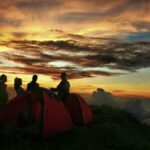
- Two sunrise moments: summit sunrise plus a second crater-rim sunrise on Day 3
- Lake and hot spring time for a downshift after the summit effort
- Camp setup included: tents, sleeping bag, mattress, and a toilet tent
Getting Oriented in Senaru: meet-up, briefing, then straight into motion
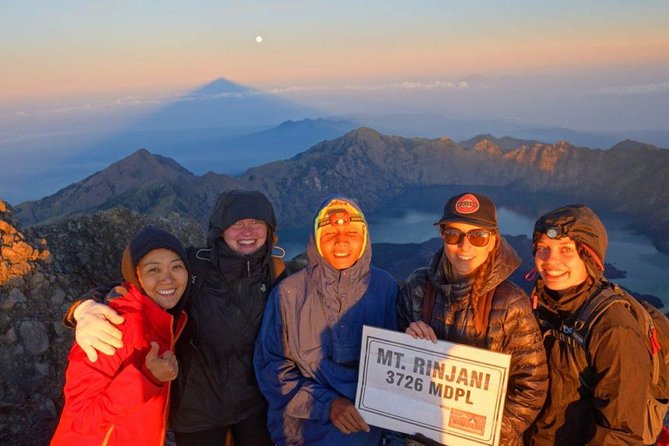
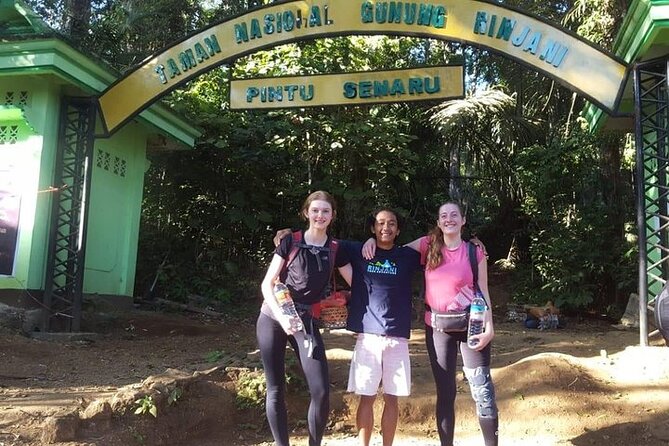
Most trekking operators make day one feel like a slow warm-up. This one tends to move with purpose. You meet at Rinjani Trek Adventure office or directly at your accommodation in Senaru village, then get a trekking procedure briefing. It’s a simple start, but it matters, because it reduces the “wait—what do we do next?” factor once you’re already tired.
Some trekkers also report being welcomed at the company’s eco villa area at the foot of Rinjani. Even if your start point is your lodging, the vibe you should expect is similar: you’re not left to guess. Then the plan kicks in: a short drive and official registration before you begin walking.
Why this is valuable: Rinjani trekking is a chain of small steps—transport, registration, gear checks, and trail timing. When those pieces are handled, you keep your energy for the hike instead of spending it on logistics.
Sembalun to the trailhead: the run-up before the climb
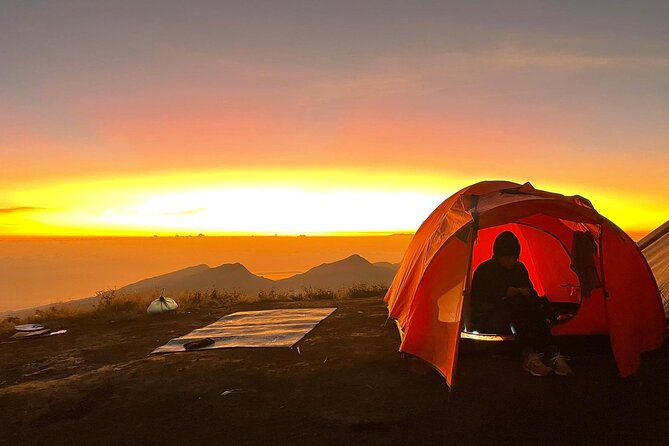
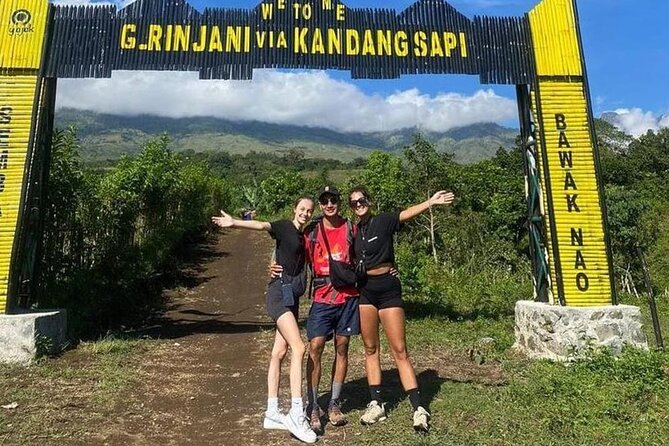
Day 1 starts with a drive from Senaru to Sembalun village (about 45 minutes). You then register at the Rinjani office and get driven to the Sembalun gate. After that, the trek begins with your team.
You’ll head toward Pos 1 first, with a walk time of about 2 hours, followed by a short 15-minute rest. Then it’s on to Pos 2 (about 45 minutes), and lunch lands at Pos 2.
What I like about this design is how it prevents the most common mistake on high-altitude treks: starting too fast because you’re excited. Pos 1 and Pos 2 act like speed brakes. If you’ve ever been tempted to “race” on day one, the schedule gently pushes you into a sustainable rhythm.
Pos 1, Pos 2, Pos 3: where your legs learn the trail
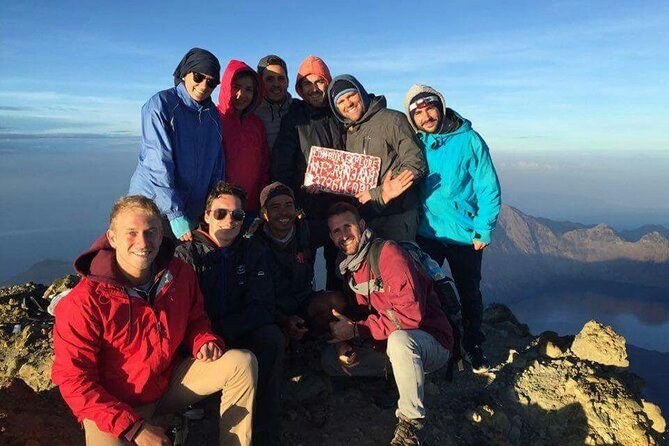
After lunch at Pos 2, you continue to Pos 3 (around 1 hour), then you rest at Pos 3 before moving onward toward camp.
This day is basically the “warm-up calibration” day:
- Your body adjusts to the pace.
- You learn the rhythm with your guide and team.
- Your pack weight is managed because you don’t carry everything.
It also helps that you’re given time-based expectations rather than vague promises. You’ll know there’s a lunch, there are planned rests, and there’s a camp target.
Practical note: the trek isn’t described as gentle in the package overview, and even if you feel okay early, you’ll likely feel it more later—especially as you approach the crater rim.
Crater-rim camping on Day 1: first night, volcanic calm
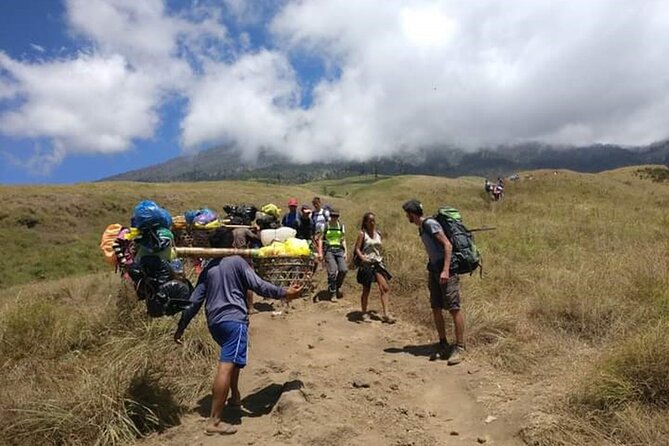
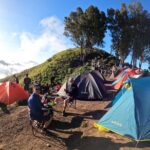
On Day 1, you continue to the Sembalun crater rim, where you stay for the first night. This is more than a place to sleep. It sets you up for what happens next.
Why? Because you’re building toward a summit push that starts in the dark. Sleeping higher reduces the “shock” of the summit hour later. Also, you’re not just camping—you’ve got a kit that’s meant for mountain comfort.
What’s included for your first night:
- tent
- sleeping bag
- mattress
- toilet tent
These details matter when you’re trying to trek without turning the trip into a gear-shopping project.
The summit push at 2:30am: sunrise is the point
Day 2 starts brutally early: you begin hiking to the summit at 2:30am to catch sunrise, around a 3-hour walk from the start time.
This is the core moment of the trip, and it’s where your preparation pays off. The hike in darkness means:
- you’ll rely on headlamps
- footing matters more than speed
- patience becomes a survival tool
One helpful insight from people who’ve done the route is that it’s easy to lose your mental rhythm if you go too fast or if visibility drops. Your best move is to follow your guide and keep stepping steadily. Think “one step, then the next,” not “I should already be there.”
Then you walk down about 2 hours before heading toward the lake and hot spring area, and after that you go back up to your second camp at the Senaru crater rim.
This flow is smart: summit effort, then a recovery break (lake/hot spring), then a second climb to position you for sunrise again.
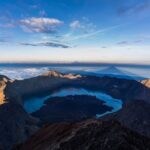
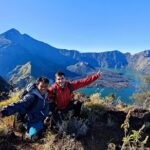
Lake and hot spring time: recovery with a view
After the summit descent, you go down to the lake and hot spring and then work your way back up to the second camp at Senaru crater rim.
Even without getting lost in details, you should think of this as your reward and your reset. The hot spring part is especially useful on Day 2 logic: it gives your legs a chance to calm down so Day 3 descent doesn’t feel like punishment.
Also, this is where the trek becomes more than “just altitude.” The Rinjani volcanic world shifts here—air, temperature, and scenery all change as you move from crater rim to lake zone and back.
And yes, you’ll likely want to keep your pace controlled. Cold mornings and steep returns can make your body feel “fine” until you stop walking. Then you feel it all at once.
Day 3 sunrise and descent: finish around 1pm
You wake up at 6:00am for sunrise, then start your descent to Senaru gate around 5 hours, including lunch time. The trek finishes around 1:00pm (normal time), and your service ends back at the meeting point area.
Two practical reasons Day 3 is set up the way it is:
- Sunrise is another clear target, so you’re not guessing when to move.
- The descent is long enough to be tiring, but it’s scheduled so you can plan for the finish without dragging into late afternoon.
This is also the day where your trekking poles can save your knees and sanity. One thing you should take seriously from previous trek advice: poles are a strong “bring them” recommendation, even if you feel confident without them.
Who runs the show: guides and porters make this a real trekking service
One reason this trek keeps scoring high is the team. Names show up repeatedly:
- Fahri leading and coordinating a smooth, flexible experience
- Ipan (Irpan/Ivan) guiding with attentive care and support
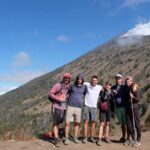
Across accounts, the big theme is that you’re not treated like a number. Guides manage route choices, and the porters carry what you need for the nights and meals.
That’s also why the trek can feel manageable even though it’s physically challenging. You’re walking; you’re not hauling camp logistics.
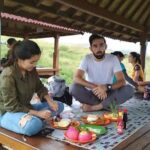
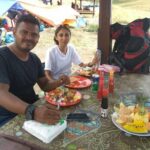
Food support is included too—people mention the meals being better than expected. The trekking rhythm works well when the food is reliable, not random snacks.
Price and what you’ll actually pay: $245 is not the whole bill
The tour price is $245 per person, and it’s described as including a lot of core trekking support:
- English-speaking local guide
- porter for your food and trekking equipment
- food and water during the trek
- fruit and soft drinks
- tent, sleeping bag, mattress, toilet tent
But you should budget extra because several big items are not included:
- Transport to Senaru on arrival day: IDR 500,000 per person
- Accommodation before trekking: IDR 250,000 per person
- Mt Rinjani entrance fee: IDR 600,000 per person
So the value question becomes: are you paying mostly for the trek logistics you’d have to solve anyway? In this case, yes. The paid portion covers a guided, porter-supported route with camping equipment. The add-ons are mainly entry fees and pre/post transport or lodging.
If you’re traveling light and already staying near Senaru, you’ll spend less on the extras. If you need a pre-trek place to sleep and arrival transport, plan for it.
Group size, timing, and the vibe you should expect
The group size is capped at maximum 6 travelers. That small number is a quiet advantage:
- You’re less likely to get stuck behind a slow moving cluster.
- Your guide can give attention where you need it.
- The trekking pace feels more controlled.
Also, you’ll be on a tight timing schedule:
- Day 1: Sembalun access and crater-rim camping
- Day 2: 2:30am summit start and sunrise return flow
- Day 3: 6:00am sunrise wake-up and descent finish around 1pm
This is not the kind of itinerary where you linger. If you like your days to move, you’ll like this. If you want slow sightseeing on the trail, you might find it too structured.
Fitness and weather: how to judge if this trek fits you
This trip asks for strong physical fitness. That’s not marketing language—your schedule includes early night hiking and a summit attempt, plus two days of real walking.
Also, the experience requires good weather. If conditions are poor, it can be canceled and you’ll be offered another date or a full refund.
Here’s the decision logic I’d use:
- If you can hike for hours with steep uphill effort and you’re comfortable walking at night, you’re in the right zone.
- If your idea of hiking is mostly flat trails, you’ll likely struggle.
- If you get stressed by darkness, follow-you-or-get-lost moments, or sudden pace changes, go in with a calm plan.
And do what the trek advice points toward: bring a steady attitude and the right gear.
What to pack (and what to trust the team for)
The package includes the sleeping and camp setup. That means you don’t have to guess how a tent night works.
But you still need to bring yourself. Based on practical trekking reality and repeated trek guidance, I’d strongly consider:
- trekking poles (helpful for steep descents)
- a reliable headlamp (since you start to hike in the dark on Day 2)
- day layers for early cold conditions
- good footwear with grip
The tour data doesn’t list every item in a pack list, so treat this as general but sensible mountain trekking advice.
Who this trek is best for
You’ll likely love this trek if you:
- want a real challenge but with structured pacing and support
- care about getting sunrise moments without random timing
- want cultural connection through local guides and porters
- prefer a small group (up to 6) over a big hiking crowd
You might reconsider if you:
- dislike early starts (2:30am is the big one)
- are sensitive to steep, demanding days
- are unsure you can hike in low visibility conditions
Should you book this 3D/2N Rinjani summit + lake trek?
If you want the classic Rinjani experience—summit sunrise, crater-rim camping, and lake/hot-spring time—this trek style is a strong match. The value comes from the combination of guide support, porter logistics, included camp gear, and a plan that moves with purpose.
My call: book it if you’re physically ready, you can handle night hiking, and you’re budgeting for the entrance fee and any arrival/accommodation extras. Don’t book it if you’re looking for an easy stroll or if you don’t feel comfortable with the early summit start.
FAQ
Where is the meeting point and what time does the trek start?
You meet at Rinjani Trek Adventure | Mt Rinjani Tour Company trekking package information on Jl. Pariwisata, dusun magling, Senaru, Bayan, Lombok Utara. The start time is 7:00 am, and on arrival day you meet at the office or your accommodation in Senaru village for briefing.
What’s included in the trek package?
Included are an English-speaking local guide, a porter to carry your food and trekking equipment, food and water during the trek, fruit and soft drinks, and camping items including tent, sleeping bag, mattress, and a toilet tent.
What costs are not included?
Not included are transport to Senaru on arrival day (IDR 500,000 per person), accommodation before trekking (IDR 250,000 per person), and the Mt Rinjani entrance fee (IDR 600,000 per person).
How fit do I need to be for this trek?
The trek is described as requiring strong physical fitness. It also includes early morning and night hiking, including a summit start at 2:30 am.
How big is the group?
The maximum group size is 6 travelers.
What happens if the weather is bad?
This experience requires good weather. If it’s canceled due to poor weather, you’ll be offered a different date or a full refund.