REVIEW · NICOLOSI
Mount Etna: Summit Tour by Jeep and Cable Car
Book on GetYourGuide →Operated by ETNA TOURING DI PIETRO LA ROSA · Bookable on GetYourGuide
Etna is louder than you expect. This tour pairs a cable car and 4×4 jeep ascent with a volcanologist-led trek to the Central Crater area near 3300 m, and the whole thing runs in a tight small group (up to 10). I love that they handle the hard part—getting you high fast—and I love the guide team approach, including real experience with altitude issues. One drawback to plan for: the Central Crater portion can be closed on some days, so expect a flexible route and follow your guide’s call.
Before you even start walking, you’ll get kitted out for the mountain: helmets, trekking shoes, trekking poles, and wind jackets. The guides also bring clear instruction in English, French, and Italian, which matters when the weather turns or the group needs to move as one. Add in a lunch break at the top and a panoramic sweep over Sicily (and sometimes toward the Aeolian Islands), and you get a full, active Etna day rather than a quick look-and-go.
This is a serious hike at altitude. You’ll be on your feet for a couple of stretches, and it’s not set up for people with low fitness, respiratory issues, or mobility limitations.
In This Review
- Key things that make this Etna summit tour worth your time
- Why the Central Crater hike to 3300 m feels different on Etna
- La Baita 3L Ski-Lab: where the day starts and you get kitted up
- Cable car and jeep to 2850 m: save your legs for the summit walk
- The volcanologist-guided trek: walking lava flows with purpose
- Reaching the top: gas emissions, fumaroles, and a big Sicilian panorama
- The day’s rhythm: timing, pace, and what 5.5 hours really means
- Price and value: how $56.94 fits the real cost
- What’s included, what isn’t, and the on-site tickets you must budget
- What to bring for wind, cold, and lava-walk conditions
- Who should book this Etna summit tour (and who shouldn’t)
- Final call: should you book this Etna Summit Tour?
- FAQ
- How long is the Mount Etna summit tour?
- Where do we meet for the tour?
- How does the tour get you up the mountain before trekking?
- How high do you trek on foot?
- Is the cable car and jeep round-trip included in the price?
- What equipment is included with the tour?
- Is lunch included?
- What languages are the guides?
- What kind of group size should I expect?
- Who should not book due to health or mobility limits?
Key things that make this Etna summit tour worth your time
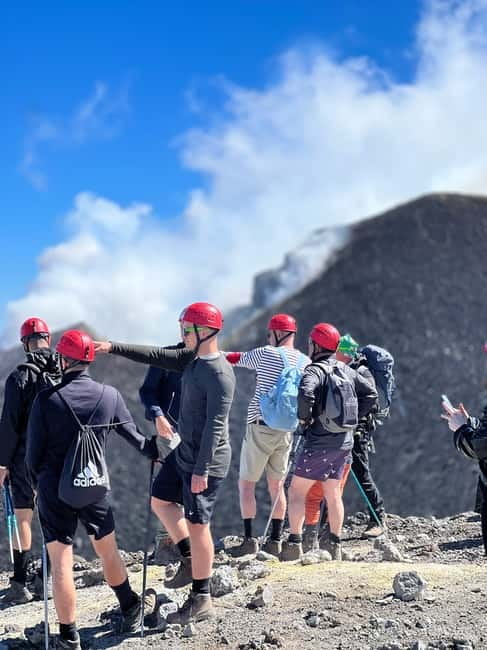
- Cable car + jeep to 2850 m means you spend your energy on the real summit walk
- Volcanologist-guided trekking focuses on what you’re seeing: gas, fumaroles, lava textures, and volcanic debris
- Small group of up to 10 helps you stay together and get better guidance
- Gear is included (helmet, shoes, poles, wind jacket), so you don’t gamble on DIY mountain clothing
- Fast response to mountain sickness is part of how the team operates, not an afterthought
- Central Crater access can vary by conditions, so flexibility is built into the day
Why the Central Crater hike to 3300 m feels different on Etna
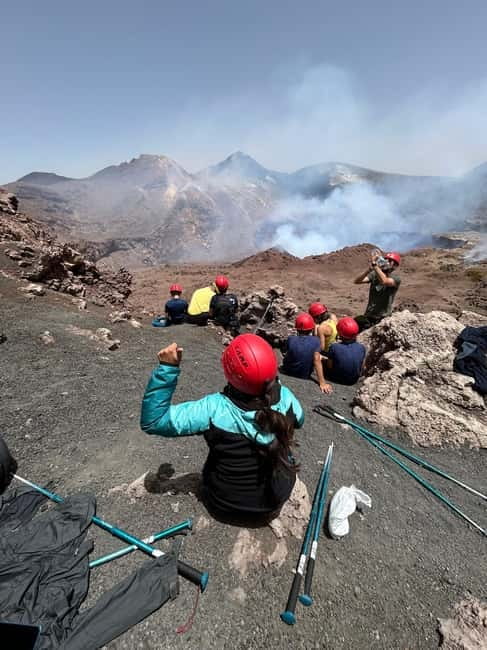
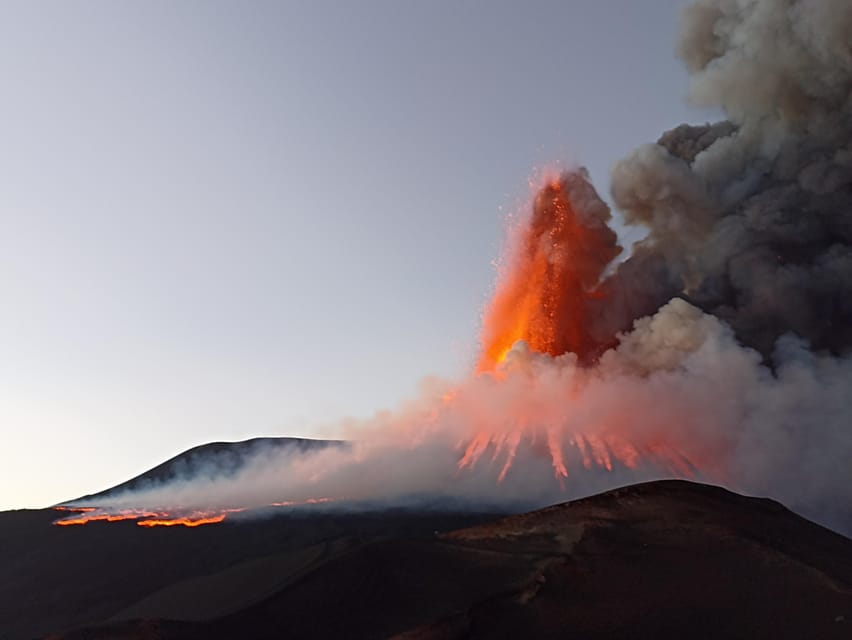
Etna is Europe’s highest active volcano, and the tour’s big idea is simple: get you close enough that the summit isn’t a fantasy, then make the walk meaningful. You’re not just staring at smoke from far away. You’re actually stepping across terrain shaped by past eruptions—lava flows, volcanic bombs, and the gritty leftovers of older activity.
At the top area around the Central Crater, you’ll get close to the main show: gas emissions and fumaroles. Even if the activity level varies from day to day, the guide’s volcanology framing helps you connect the dots. You start to recognize what’s just scenery and what’s part of the volcano’s ongoing behavior.
There’s also the reward view factor. On a clear day, you can see across Sicily, and if conditions cooperate, you may even get sightlines toward the Aeolian Islands. That combination—hands-on geology plus wide-angle Sicilian views—is what keeps this from feeling like a standard sightseeing excursion.
La Baita 3L Ski-Lab: where the day starts and you get kitted up
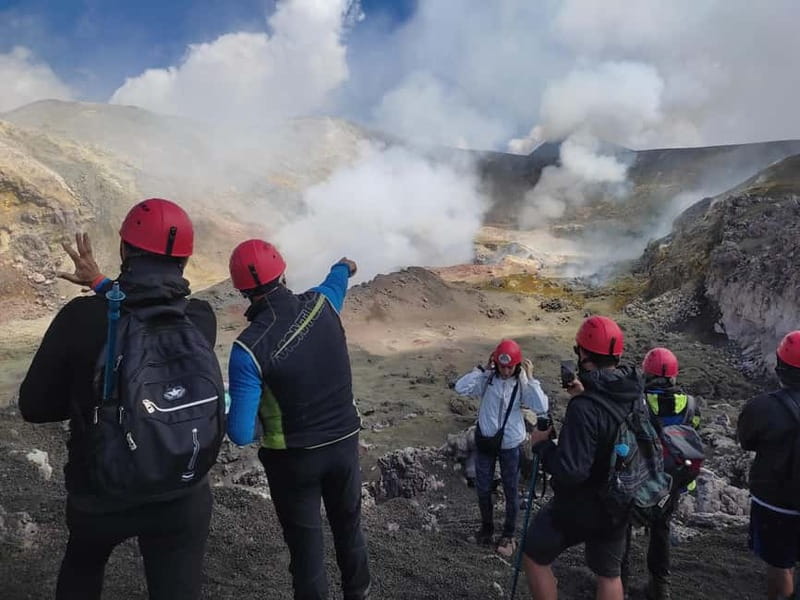
Most Etna tours fail before they start: wrong shoes, wrong layers, and people scrambling at the last minute. This one avoids that by meeting at La Baita 3L Ski-Lab and running a quick gear setup before you head upward.
You’ll receive the trekking equipment you need for the mountain conditions: helmets, trekking shoes, trekking poles, and wind jackets. That’s not a small detail. Etna’s summit zone can feel colder and windier than you expect, and having proper footwear plus a windproof layer keeps you comfortable enough to focus on the terrain.
Then you’re put on the route plan. The guide will lead the pacing and regrouping style, and the group size makes it easier to follow directions. This is also where the “small team” vibe matters: you’re not fighting your way through crowds, and you’re less likely to lose people when the path narrows or the wind kicks up.
One practical note: bring your own comfort basics. The tour provides the core mountain kit, but you still want things like sunglasses and snacks ready to go. On a volcano day, you’ll feel grateful for anything that keeps you steady from start to finish.
Cable car and jeep to 2850 m: save your legs for the summit walk
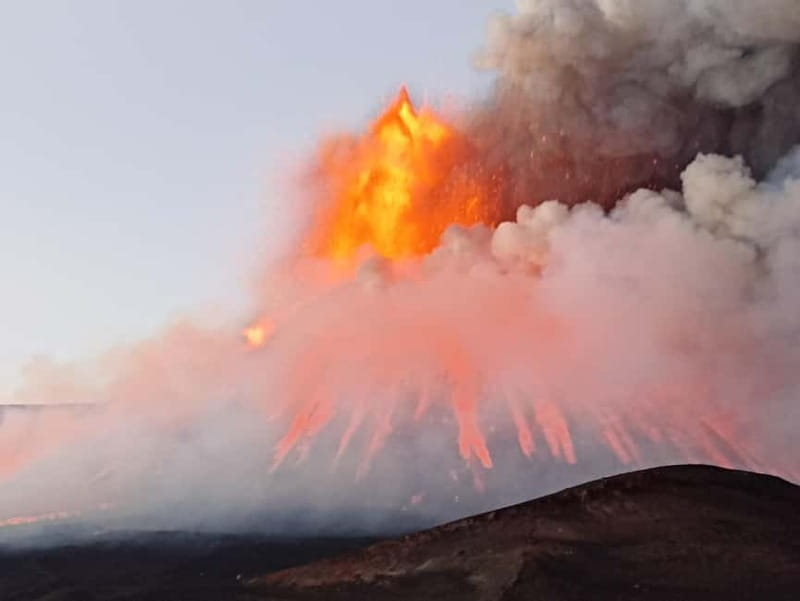
The ascent is staged in two parts: cable car first (about 20 minutes) and then 4×4 jeep (about 20 minutes) to reach 2850 m. This matters because it shifts your day from “how do I get up there” to “how do I enjoy what I’m seeing.”
The cable car/gondola segment can feel a bit tight. If you’re sensitive to crowding, keep that in mind and bring calm patience. The good news is that you’re not spending hours boxed in. It’s a short transition, and then the jeep takes over.
The jeep ride gives you a different perspective of the mountain than a strictly road-based climb. You’ll see the terrain change as you approach the higher elevations, and it sets you up mentally for walking across lava surfaces rather than normal dirt paths.
Also, there’s a real value angle here. Since the expensive “vertical gain” happens by vehicle, your hiking time stays focused on the top craters and the guided volcanic walk. That’s why this tour feels more efficient than a purely on-foot route.
The volcanologist-guided trek: walking lava flows with purpose
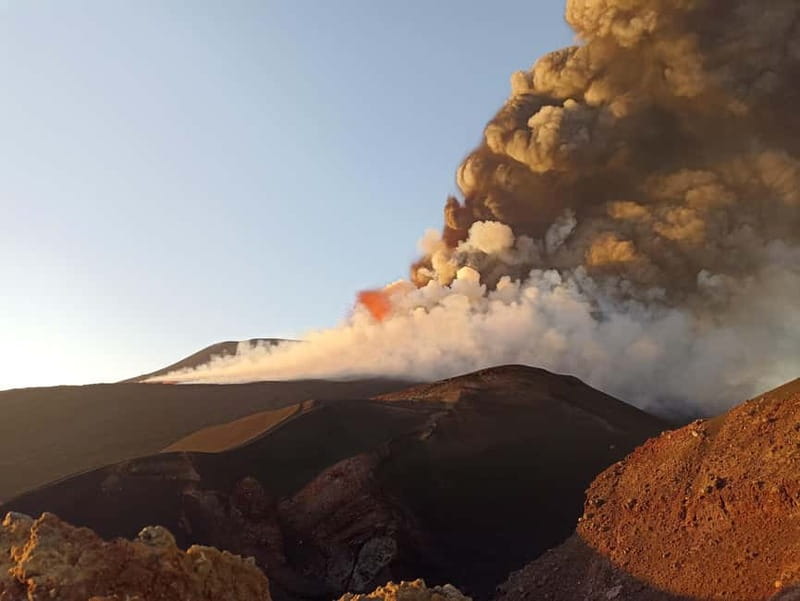
Once you reach 2850 m, the real walking begins. From there, you’ll trek up toward the Central Crater area around 3300 m. The hike segments add up to about 100 minutes walking at one stretch, a break and guided time at the crater area, and then another about 100 minutes walking on descent/connection segments before the final cable car return.
What I like about the structure is that the trekking isn’t just “go up and hope you see something.” The guide’s volcanology background turns the hike into a live lesson. You’ll move along lava flows from past eruptions and learn to read the landscape: the texture and debris fields, where bombs and volcanic waste show up, and what those features mean in volcano terms.
This is where you’ll feel the altitude and wind. Even if the pace is guided, you’ll want to keep steady breathing. If you’re prone to getting winded at elevation, plan to go slowly and don’t try to race the group.
One more thing: the guide team approach stands out in the real-world details. In at least one documented group situation, someone became mountain sick and the guides organized a quicker descent for that person while keeping the rest together. That kind of competence is worth something on Etna, where conditions and fitness vary across a small group.
Reaching the top: gas emissions, fumaroles, and a big Sicilian panorama
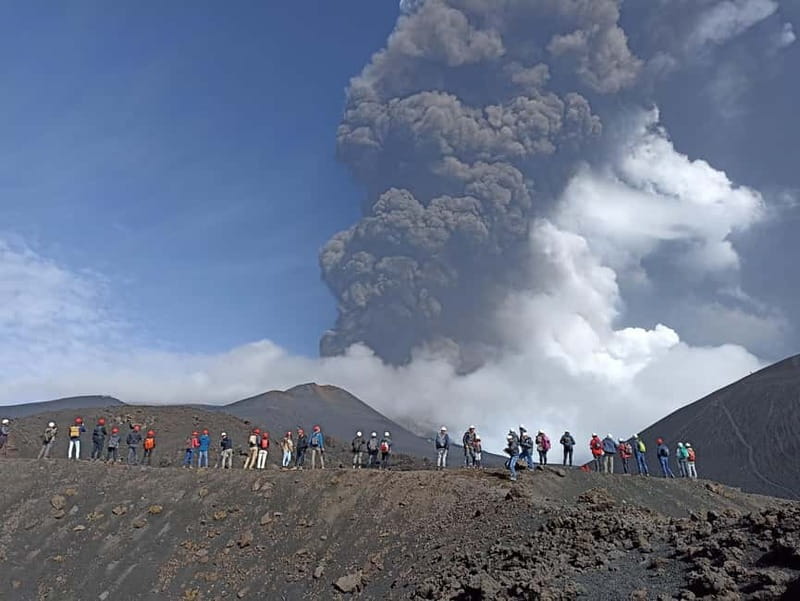
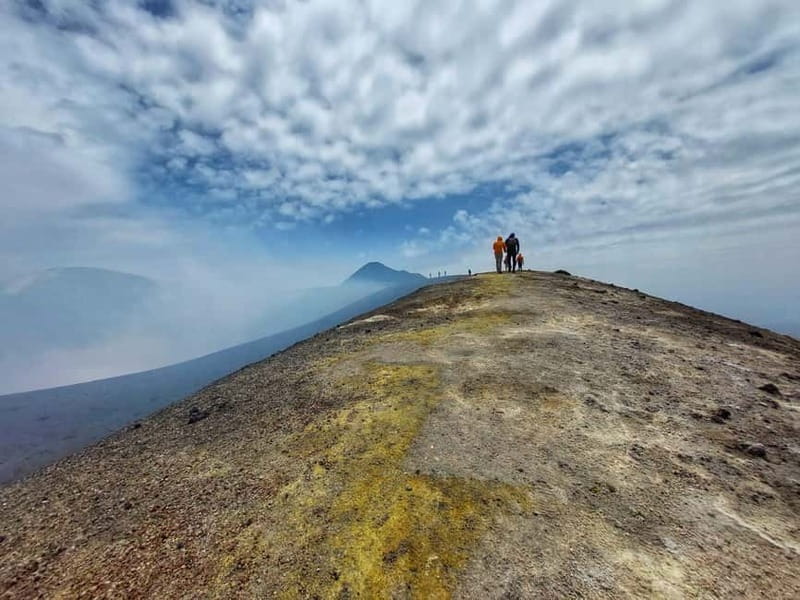
At the summit area near the Central Crater, you’ll pause for guided time, photos, and a break. This is when you slow down and absorb what you climbed for.
The headline features here are gas emissions and fumaroles. Those aren’t just dramatic visuals. With the volcanologist guide explaining what you’re looking at, you start to understand the difference between moving steam-like clouds and the specific fumarole activity patterns on the volcanic surface.
Then comes the panorama. From the top zone, Sicily spreads out in front of you. If the weather allows, you might also look toward the Aeolian Islands. On hazier days, views can shrink, but you’ll still have the crater-area experience to anchor the day.
It’s also a good moment to adjust your layers. Wind can change quickly at altitude, and even with a wind jacket, you’ll feel temperature swings. Take a breath, check your gear, and let the guide set the timing for when you move again.
The day’s rhythm: timing, pace, and what 5.5 hours really means
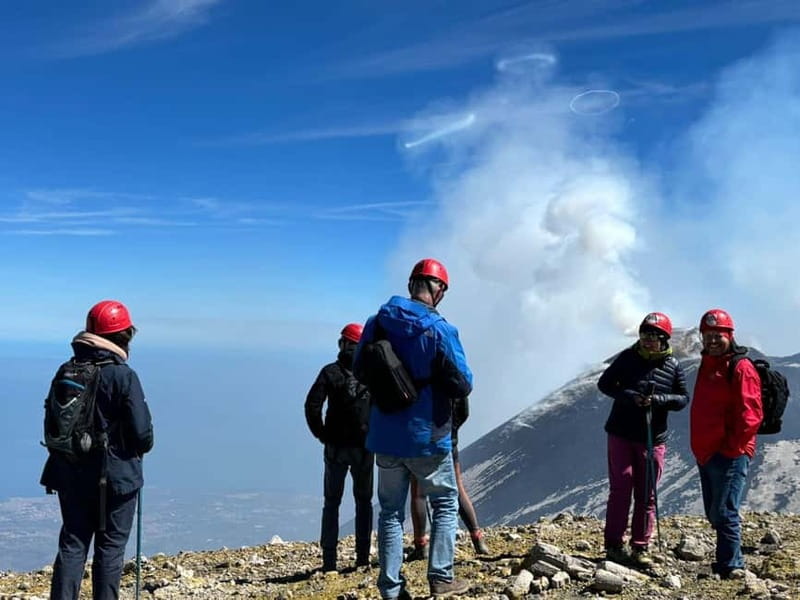
The tour runs around 5.5 hours total (with starting times depending on availability), and the effective exclusion time is typically 5–6 hours. That total time matters because it’s not just “a half day.” It’s a half day of vertical travel plus real hiking.
Cable car and jeep segments are about 40 minutes combined, then you’re walking in two main stretches (roughly 100 minutes each, with a guided crater break in between). Between that and the guide’s pacing, you should plan to be ready for sustained effort.
What makes it manageable is the equipment support and the structured guide leadership. You’re not trying to improvise shoe choices, and you’re not navigating alone across lava terrain.
Still, take the fitness notes seriously. This tour isn’t a gentle stroll, and it’s not designed for people with low fitness or respiratory limitations. If you’ve got any doubt, be honest with your own body and choose a slower Etna option instead.
Price and value: how $56.94 fits the real cost
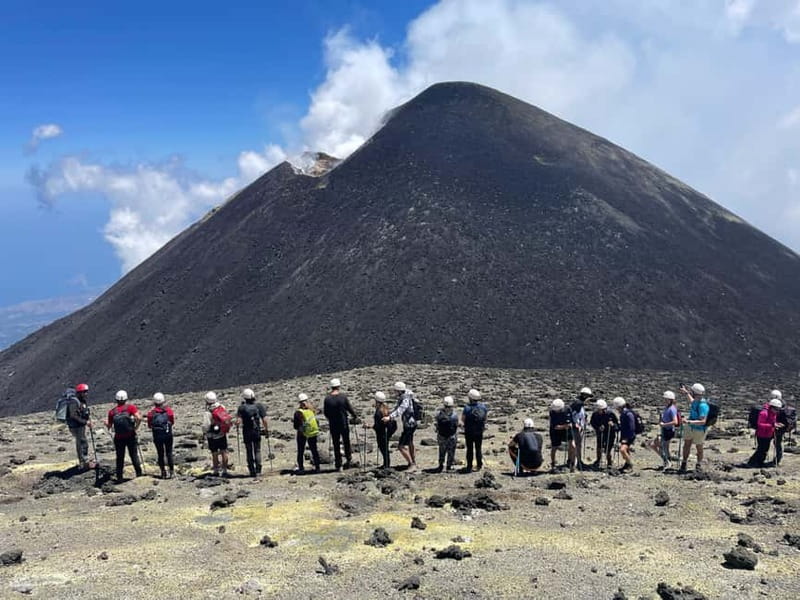
The listed price is $56.94 per person, and that’s attractive on paper. But there’s an important catch: the cable car and jeep round-trip tickets are not included, so you’ll pay those on site in addition.
That said, the included value is substantial. You get the trekking gear (helmets, trekking shoes, poles, wind jacket) and t r e k k i n g with an alpine and volcanological guide. On Etna, gear quality is safety and comfort, not a nice-to-have. And the volcanologist component is what turns the hike into something you’ll remember for more than the view.
So here’s how I’d judge the value: if you would otherwise have to rent trekking gear or find a separate hike with a less scientific guide, the packaged experience becomes a better deal. If you’re already perfectly kitted for cold-windy mountain hikes and you only care about a quick look, you might question the added cost.
For most people, the sweet spot is that you’re buying time efficiency (vehicles to high altitude) plus guided crater science plus small-group handling.
What’s included, what isn’t, and the on-site tickets you must budget
Here’s the clean split.
Included:
- Helmets, trekking shoes, trekking poles, wind jackets
- Trekking with an alpine and volcanological guide
Not included:
- Cable car and jeep round-trip tickets (paid on site)
- Packed lunch
- Hotel pickup to Etna (on request)
Because the on-site tickets are the big unknown number, it’s smart to budget slightly above the base price. You’ll also want to come prepared for lunch timing. There’s a lunch break at the crater area, but you’ll need your own packed lunch since it’s not provided.
The good news: the equipment they supply reduces your uncertainty. You won’t show up and discover you guessed wrong on footwear.
What to bring for wind, cold, and lava-walk conditions
Even with provided wind jackets and trekking poles, you still need to show up ready. Bring comfortable clothes and long pants. Lava terrain can include bits of debris, and long pants protect your legs without slowing you down.
Practical items I recommend from the tour’s own guidance:
- Sunglasses
- Food and drinks
- Comfortable clothes
Also, I’d plan around the altitude. Layers matter. A wind jacket helps, but you’ll still want a warm layer underneath if the temperature drops or the sky stays gray.
And yes—sun protection is smart. One of the best tips from the experience notes was to bring SPF, because bright summit light can sneak up on you even when it feels cool.
Who should book this Etna summit tour (and who shouldn’t)
This is best for people who want an active, guided summit experience rather than a quick photo stop. If you enjoy geology, want to learn what you’re seeing, and can handle a hike at altitude, this fits well.
It’s also a good match if you appreciate organization. The small group size (up to 10) helps the guides manage the terrain and keep everyone moving together. Names like Giuseppe, Mario, and Itala show up in the guide team experience record, and the emphasis is on being prepared and keeping the group safe.
Who should think twice:
- Children under 8
- People with mobility impairments or wheelchair users
- People with heart problems
- People with respiratory issues
- People over 75
- People with low level of fitness
If any of those categories apply, it’s safer to choose a different Etna activity that matches your health needs.
Final call: should you book this Etna Summit Tour?
I’d book this tour if you want a real Etna summit experience with volcanologist-led context, not just a viewpoint. The combination of vehicles to 2850 m, included trekking gear, and focused crater walking makes it feel efficient and genuinely educational.
I’d hesitate if Central Crater access is your only goal, because crater access can vary by conditions. The good news is that the guide-led crater-area experience still drives the day, and you’ll have the lava-walk and summit features to anchor it.
If you’re in good enough shape for mountain trekking and you like learning while you move, this is a strong pick. Just come ready with long pants, SPF, snacks, and patience for the mountain mood swings. That’s how you turn a high-altitude day on Etna into a story you’ll actually want to tell.
FAQ
How long is the Mount Etna summit tour?
The total duration is about 5.5 hours, and the exclusion time is typically 5–6 hours.
Where do we meet for the tour?
The meeting point is La Baita 3L Ski-Lab.
How does the tour get you up the mountain before trekking?
You start with a cable car (about 20 minutes) and then a jeep/SUV ride (about 20 minutes) to reach 2850 m before walking begins.
How high do you trek on foot?
You trek up to the Central Crater area at around 3300 m.
Is the cable car and jeep round-trip included in the price?
No. The cable car and jeep round-trip tickets are not included and must be paid on site.
What equipment is included with the tour?
Included equipment is helmets, trekking shoes, trekking poles, and wind jackets.
Is lunch included?
No. Packed lunch is not included, though there is a lunch break during the day.
What languages are the guides?
The live tour guide is available in French, English, and Italian.
What kind of group size should I expect?
This is a small group with a maximum of 10 participants.
Who should not book due to health or mobility limits?
The tour is not suitable for children under 8, people with mobility impairments, wheelchair users, people with heart problems, people with respiratory issues, people over 75, or people with a low level of fitness.