REVIEW · LOMBOK
Mount Rinjani 2D 1N trekking to summit
Book on Viator →Operated by lombok trekking info · Bookable on Viator
Two days to chase a Lombok sunrise. I like this Mount Rinjani 2D 1N trek because it focuses hard on the essentials: a crater-rim camp at the Sembalun Crater Rim and then a summit push timed for early light. I also appreciate the human side—experienced, English-speaking guides and porters who keep the whole machine running when your legs start bargaining.
The one consideration I’d plan for is access and rules. One past booking issue described a situation where park limits and closures (capacity cap) affected the planned viewpoint, so you should go in knowing the mountain can have paperwork moods.
In This Review
- Key things to know before you book
- Quick pitch: a fast Rinjani sunrise plan from Sembalun
- Day 0-ish: the 7:00 pickup and park registration rhythm
- Day 1 route: up to the Sembalun Crater Rim camp
- Day 2: the 2:00 AM summit push and what sunrise actually demands
- Food and water: the included basics that keep you sane
- Gear provided vs what you must bring
- Guides and porters: where the experience gets personal
- Price and value: what $160 covers (and what it doesn’t)
- Real-world considerations: fitness, sunrise timing, and possible access changes
- Who this Mount Rinjani 2D 1N trek fits best
- Should you book this trek?
- FAQ
- What is included in the Mount Rinjani 2D 1N trek?
- What is not included in the price?
- Where does the trek start and end?
- What time does the trek start?
- When do you wake up for the summit?
- What is the national park entrance fee?
- How many people are in the group?
- Is the trek suitable for beginners?
- Is the booking refundable?
Key things to know before you book
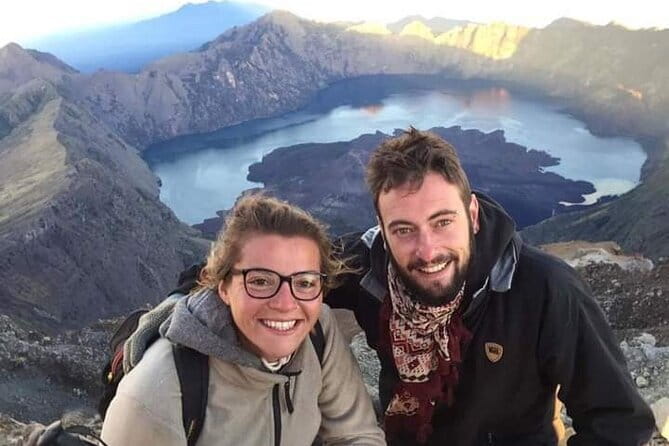
- Max 10 people keeps the trek feeling more personal and manageable on narrow trails.
- Early summit timing means a 2:00 AM wake-up, but you trade sleep for sunrise photos.
- Crater rim overnight gives you a real overnight experience instead of a day-hike-and-go.
- Meals and water are covered (including 3 litre mineral water per person per day) so you aren’t rationing.
- Gear is partially included: gloves and trekking poles, plus tents and sleeping bags.
- Park entrance fee is extra on top of the listed trek price.
Quick pitch: a fast Rinjani sunrise plan from Sembalun
This is a classic “short on time, big on payoff” Mount Rinjani route. You start in Sembalun village in East Lombok, trek up to the crater rim on Day 1, camp overnight, then go for the summit of Mount Rinjani on Day 2 with the goal of reaching it before sunrise. That structure matters. Two days is not enough for a relaxed hike, but it is a smart way to experience the main drama of Rinjani without turning your trip into a long backpacking expedition.
If you like group treks that still feel organized, you’ll probably like the small size. The maximum is 10 travelers, and the included logistics are built for people who don’t want to reinvent the trail on their own.
And if you’re a detail person: you get an actual overnight setup (tent, sleeping bag, mattress, pillow, and even a toilet tent). That’s not a luxury on Rinjani—it’s survival comfort.
Day 0-ish: the 7:00 pickup and park registration rhythm
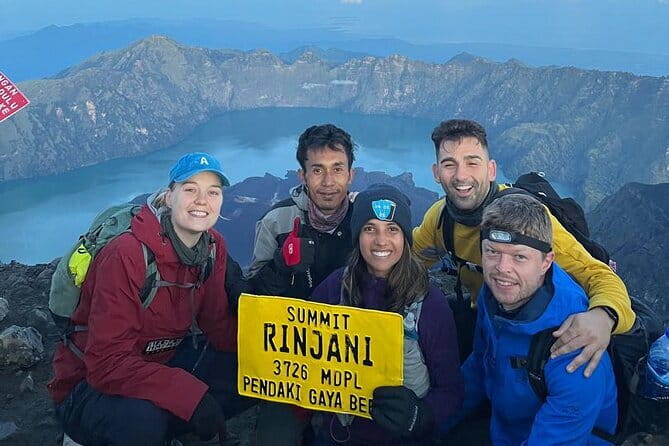
The day starts early even before the walking. The pickup time is 7:00 AM, with transfers from Senaru or Sembalun. Your first stop is registration at the Rinjani National Park Office in Sembalun, before the trek begins.
This matters because it sets the tone. The route isn’t just a hike; it’s a managed park experience. You’ll likely feel it in the way the group moves and checks in. If you want the trek to feel calm, arrive ready with your documents and basic gear. The trek start is listed around 8:00–8:30 AM, so you don’t get a long buffer after pickup.
Day 1 route: up to the Sembalun Crater Rim camp
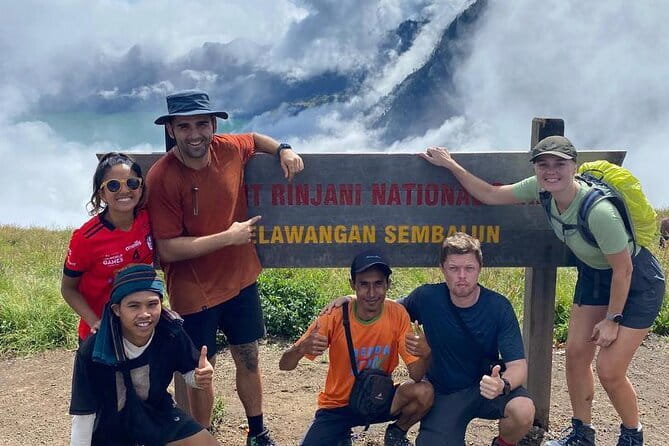
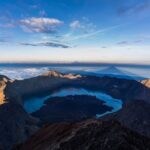
Day 1 is your climb-and-settle day. After registration, the trek begins around 8:00–8:30 AM, and you’ll pass through multiple trail posts on the way up. The highlight is reaching the Sembalun Crater Rim, where you camp overnight.
Why I think this day is a big deal: the rim camp is not just a waypoint. It’s where you start feeling the environment shift—cooler air, big sky, and the sense that Rinjani is real business. Your legs will be working, but the rim gives you a payoff that isn’t only about the next morning’s sunrise.
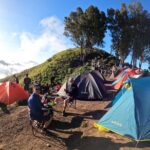
The overnight setup is part of what makes the trek work smoothly. You’re provided with a tent, toilet tent and paper, plus sleeping bags, mattress, and pillow. In cold mountain conditions, having this handled beats improvising. It also means you can pack lighter on the human basics.
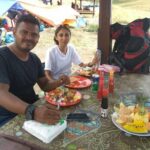
Meals on Day 1 are also structured. You’ll have lunch and dinner, and the plan includes energy-rich snacks during the walk. The menu listed is practical and filling: fried chicken special (with fried potatoes, vegetables, and steamed rice) for lunch, then chicken curry with egg, vegetables, and rice for dinner. You won’t leave the table searching for your protein.
Day 2: the 2:00 AM summit push and what sunrise actually demands
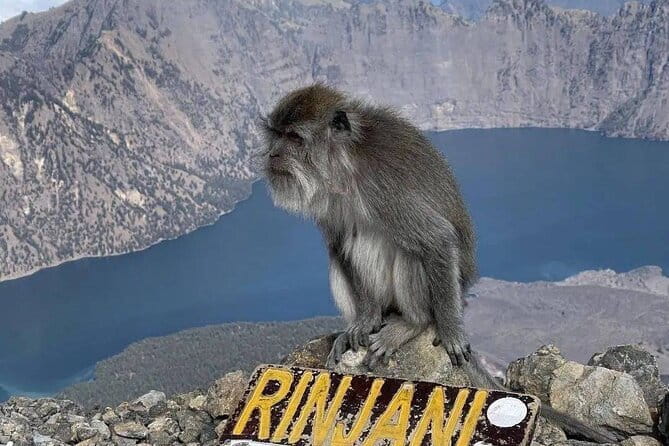
This is the hard part, and the schedule makes it clear. You’ll wake around 2:00 AM, have a light breakfast, then begin the challenging ascent to the summit.
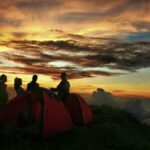
That early start is not just for romance. Sunrise trekking means you hike through the night hours when the trail can feel more exhausting, and your body works harder just to keep moving steadily. Your goal is to reach the summit before sunrise, so you can watch the light arrive and get clear views and photo opportunities.
After sunrise time at the top, you descend back to Sembalun Village following the same path as the ascent. That “same way down” detail is important. It usually means the trail is predictable, which helps when you’re tired and your knees are starting to negotiate.
Even with a guide and porters, the Day 2 ascent is a reminder: this is a short trek, not a gentle stroll. The physical requirement is listed as moderate fitness, but don’t confuse moderate with easy. Two days on Rinjani usually means steep effort, especially with a late-night start.
Food and water: the included basics that keep you sane
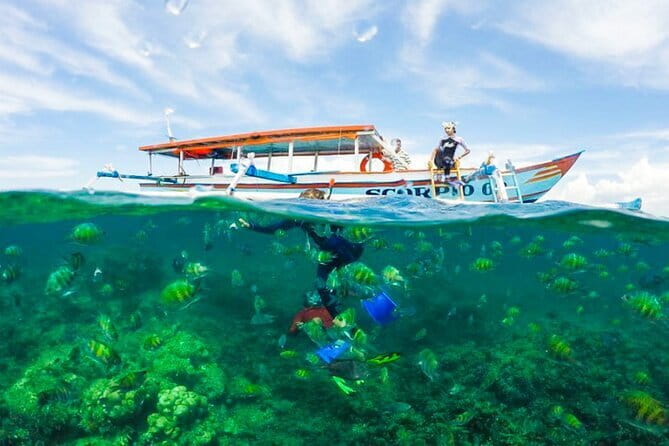
One of the most tangible values here is the way food and hydration are built into the trek day. You get lunch, dinner, and breakfast, plus energy-rich snacks during the trek. You also get 3 litre mineral water per person per day, which is a big help on a mountain where dehydration can sneak up fast.
Coffee and tea are included too, and that matters more than it sounds. A warm sip after cold early hours can make the morning feel less brutal.
Here’s the part I’d personally treat as a comfort win: your breakfast option is listed as cheese toast and banana pancake. That’s simple, quick energy food that’s easier to eat when you’re half-asleep and climbing.
You’ll also want to know what’s not included in your comfort pack. The trek includes gloves and trekking poles, but you’re responsible for:
- Trekking shoes
- Rain jacket and long pants
- Headlamp/hand torch
If you don’t bring a headlamp, you’re going to feel it on the night ascent. The included poles and gloves help a lot, but light is one of those essentials you shouldn’t gamble on.
Gear provided vs what you must bring
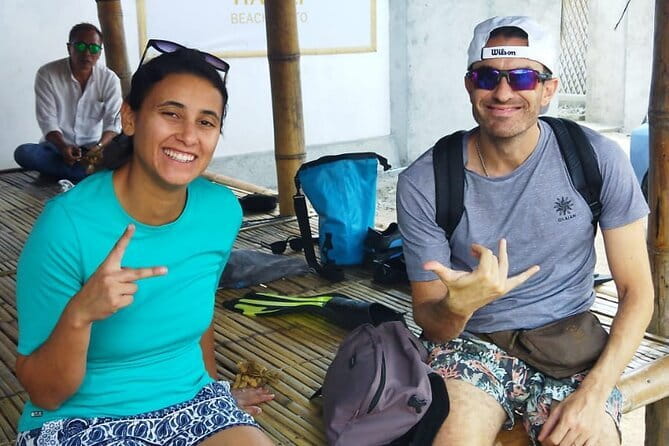
This trek takes the edge off packing. You’re provided with trekking support items and camping gear:
- Gloves and trekking poles
- Tent, toilet tent and paper
- Sleeping bags, mattress, pillow
- Lunch, dinner, breakfast, and snacks
- Food and drinking water (3 litre mineral water a day)
But don’t show up thinking the list is complete. You still need your own key items:
- Trekking shoes (non-negotiable for comfort and safety)
- Long pants
- Rain jacket
- Headlamp/hand torch
Also keep in mind: the hike is early and the overnight camp is real. Even if you pack for warm daytime hiking, you should treat early morning and crater rim nights as colder than you’d expect.
Guides and porters: where the experience gets personal
This trek is built around teamwork. Guides are experienced, friendly, and English-speaking, and porters carry food and cooking gear so you can focus on walking.
The names that show up in feedback paint the human side clearly: guides like Nas and Surya get called out for being kind, funny, and caring. Other names like Anci and Reno also come up as guides who keep things organized and enjoyable. That doesn’t guarantee you’ll get those exact people, but it tells you the provider tends to staff the trek with instructors who connect with their group.
Porters get a lot of credit, too. One description highlights how porters don’t just carry food—they support the whole comfort side, including tents and cooking setup. When a team is solid, you notice the absence of stress. The trek feels less like you’re in charge of everything and more like you’re part of a working crew.
If you’re the kind of traveler who cares about how a team handles small moments—pace checks, encouragement, smart pacing—you’ll likely feel good about this format.
Price and value: what $160 covers (and what it doesn’t)
At $160 per person, this is positioned as an organized group trek with a lot included. The real question is value: are you paying mainly for walking, or for the machinery around it?
Here’s what’s included:
- Hotel pickup and drop-off (Senaru or Sembalun)
- English-speaking guide
- Meals: lunch, dinner, breakfast, plus snacks
- 3 litre mineral water per day
- Gloves and trekking poles
- Camping gear: tents, sleeping bags, mattress, pillow, plus a toilet tent
- Coffee/tea
What’s extra:
- National park entrance fee: listed as IDR 250,000 per day per person, which lands at IDR 500,000 per person for a two-day trek
- Tips for guide and porters (not included)
- Essential personal gear: shoes, rain jacket, long pants, and headlamp
So the $160 price looks fair if you compare it to the cost of doing Rinjani logistics on your own. The provided poles, water, food, tents, and guide support are the expensive-to-organize parts.
One more practical note: group discounts are mentioned, and the group size caps at 10. If you hate big crowds, this is one reason to choose this style of trek.
Real-world considerations: fitness, sunrise timing, and possible access changes
Let’s talk honestly about what can trip you up, aside from the obvious effort.
1) Night hiking and fatigue
Day 2 starts around 2:00 AM. Even if you’re fit, waking for an early summit push is a mental challenge. You’re hiking in the dark and then rushing to sunrise timing. Bring your headlamp even if conditions seem fine—your hands and eyes will thank you.
2) Capacity and rule changes
There’s a cautionary story in the information you were given: a booking made months ahead later faced a problem because of new park rules and a maximum admissions cap (max 250). The outcome was that a planned viewpoint couldn’t be used and the person said there was no place available. I can’t tell you how often this happens, but I can tell you this: with national park permits, things can change. If your schedule is tight, keep buffer time in your Lombok plan.
3) Cancellation is tough
The trek is listed as non-refundable and not changeable for any reason. That matters if you’re trying to align it with weather, other islands, or flights. If there’s one day in your trip you can’t afford to lose, think twice.
4) Fitness is moderate, but the climb is still steep
The fitness level is described as moderate, and the route is short. That can be ideal if you want a challenging summit experience without a 4–7 day commitment. It’s not ideal if you’re looking for a slow, casual walk with long breaks.
Who this Mount Rinjani 2D 1N trek fits best
This trek fits travelers who want:
- A two-day summit plan from Sembalun
- A guided experience with English-speaking support
- Camping with provided gear (so you’re not wrestling your tent setup while exhausted)
- The goal of reaching the summit before sunrise
It also seems well-suited to groups and mixed ages, based on the variety of people mentioned in feedback—there was even a family with teenagers. Still, you should be honest about your own legs. Two days on a volcano road is real work.
If you’re a solo traveler, you’ll likely appreciate the group structure and small size. If you’re traveling with friends, it can feel more social than a private guide while still not crowding you out.
Should you book this trek?
I’d book it if you want a tight Mount Rinjani experience with a clear plan: crater rim camp, a guided summit push, and sunrise timing. The included meals, water amount, and camping gear are strong value, especially when you factor in how hard it is to source that setup yourself.
I’d hesitate if:
- You need strict certainty about the exact viewpoint due to park rules and admission limits
- Your schedule is fragile (because cancellations aren’t refundable)
- You don’t have the basics like trekking shoes and a headlamp
If you’re comfortable with hard effort for two days and you’re prepared for early-morning hiking, this is one of the more practical ways to chase the Mount Rinjani sunrise from Sembalun without turning your whole trip into a multi-week grind.
FAQ
What is included in the Mount Rinjani 2D 1N trek?
Pickup and drop-off from Senaru or Sembalun, an experienced English-speaking guide, meals (lunch, dinner, and breakfast) plus energy-rich snacks, coffee and/or tea, food and drinking water (3 litre mineral water per person per day), gloves and trekking poles, and camping gear like a tent, toilet tent and paper, sleeping bags, mattress, and pillow.
What is not included in the price?
National park entrance fee, trekking shoes, rain jacket, long pants, headlamp/hand torch, and tips for the guide and porters.
Where does the trek start and end?
It starts with transfer and registration in Sembalun village and ends back at the meeting point, with drop-off after the trek to Senaru or Sembalun.
What time does the trek start?
Pickup is listed for 7:00 AM, and the trek typically begins around 8:00–8:30 AM after registration.
When do you wake up for the summit?
You wake up around 2:00 AM on Day 2, have a light breakfast, and then start the ascent to reach the summit before sunrise.
What is the national park entrance fee?
The entrance fee is listed as IDR 250,000 per day per person, which totals IDR 500,000 per person for a two-day trek.
How many people are in the group?
The trek has a maximum group size of 10 travelers.
Is the trek suitable for beginners?
It’s described as suitable for travelers with moderate physical fitness. It’s still a challenging climb, especially with the early morning summit push.
Is the booking refundable?
No. This experience is non-refundable and cannot be changed for any reason.