REVIEW · LOMBOK
Rinjani Trekking 3D2N Summit – Full Trail
Book on Viator →Operated by L.A Rinjani · Bookable on Viator
Rinjani tests your legs and rewards your eyes. This small-group (max six) 3-day full-trail hike from Sembalun to Senaru, run by L.A Rinjani, is interesting because it handles the hard parts—routes, camping gear, and meals—so you can focus on walking and looking up. I really like that you don’t have to stress about finding the right path, and I like the payoff stops: both crater rims, Segara Anak Lake, and time to soak at the hot spring. The one drawback to consider is price: at $284.28 you may feel it’s higher than what you’d pay if you negotiated locally and built a DIY plan.
You also get a smoother start thanks to the pickup day. Normally you’ll be picked up in Lombok the day before the hike, sleep in a hotel in Senaru (included), and then begin trekking. Just note the product wants you to choose the pickup day date, not the day of the hike—and you’ll want a realistic grip on cold-weather packing since high altitude can get to minus temperatures.
In This Review
- Key things I’d plan around
- Pickup day in Senaru: why that extra night is smart
- Sembalun to Mount Rinjani National Park: Day 1’s steady climb
- Day 2: crater rims and Segara Anak Lake without getting lost
- Day 3: hot spring soaking after the main altitude work
- From summit/top to Senaru: finishing your full-trail loop
- Guides, porters, and camping gear: the load you won’t carry
- What’s included (and what that actually means on the ground)
- Private option: the waterfalls bonus in Senaru
- Price and value at $284.28: where the money goes
- Weather requirements and why you should plan for flexibility
- Packing for cold, long trekking days (and hot spring chaos)
- Who should book this 3D2N full-trail trek?
- Should you book this trek or look elsewhere?
- FAQ
- How long is the Mount Rinjani trek on this tour?
- Where does the trek start and end?
- What time does the trek start?
- What’s included during the trek?
- Do I need to bring camping equipment?
- Is pickup from Lombok included?
- How many people are in the group?
- What clothing and items should I bring?
- Can I rent cold-weather jackets if I don’t have one?
- Can I cancel and get a refund?
Key things I’d plan around
- Max-6 group pace: you hike at a more relaxed speed, which matters on Rinjani’s steep stretches
- Pickup day in Senaru: you get one included night before trekking starts, not just “meet at dawn”
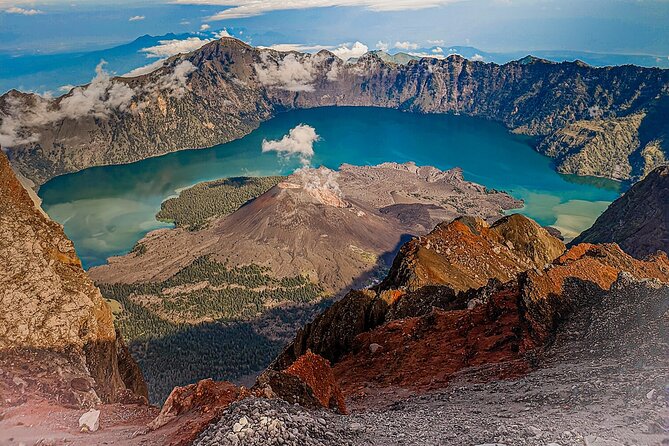
- Crater highlights are the core: both crater rims and Segara Anak Lake are part of the route
- Hot spring stop is built in: plan for a quick nature-soak and a dry layer afterward
- Gear and porters reduce your load: camping items, guide, and porters are included
- Private option adds waterfalls: if you book private, you may also get Sindang Gile and Tiu Kelep on arrival day
Pickup day in Senaru: why that extra night is smart
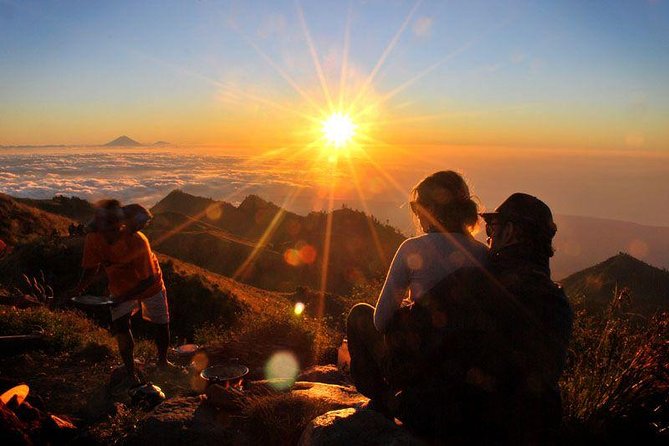
If you’ve done enough travel to learn from other people’s chaos, you’ll love what this trip does with timing. Most trekking plans start hard—arrive, meet, hike, repeat. Here, the usual flow is pickup in Lombok the day before the trek, then one night in Senaru village at an included accommodation. That gives your body a bit of time to adjust, and it gives you time to sort out what you forgot (like gloves… or a sanity check of your shoe grip).
It also means you’re not carrying your biggest energy into logistics. You’re already in the right place for tomorrow’s start, so Day 1 feels like a trek day rather than a scramble day. One practical note: the tour says to choose the pickup day when booking. If you pick the wrong date, you can end up aligning with the wrong rhythm of hotel check-in and trekking start.
Sembalun to Mount Rinjani National Park: Day 1’s steady climb
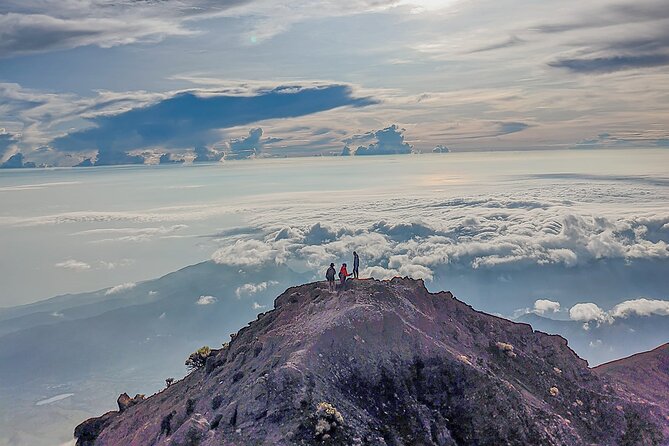
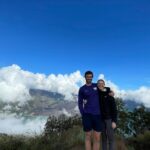
The trekking starts from Sembalun and runs into Mount Rinjani National Park. This is the part where your legs learn what “altitude” feels like—slower breaths, steady effort, and lots of chances to stop and look back (because the views start showing up before you even reach the biggest moments).
Day 1 is where I’d expect the group to settle into the chosen pace. The tour limits you to six travelers, and it’s specifically described as a more relaxed hiking rhythm. That matters on Rinjani because even people who are “fit enough” can get hammered by a too-fast start. A guide can help regulate pacing by watching you rather than forcing everyone into the same stride.
Drawback to consider on Day 1: it’s also where you’ll feel the cold if you haven’t packed right. The trip notes that long pants are needed because high altitude can reach minus temperatures, and that you may need a rental tick coat/jacket on the spot if you didn’t bring one. If you show up underdressed, Day 1 will feel harder than it needs to be.
Day 2: crater rims and Segara Anak Lake without getting lost
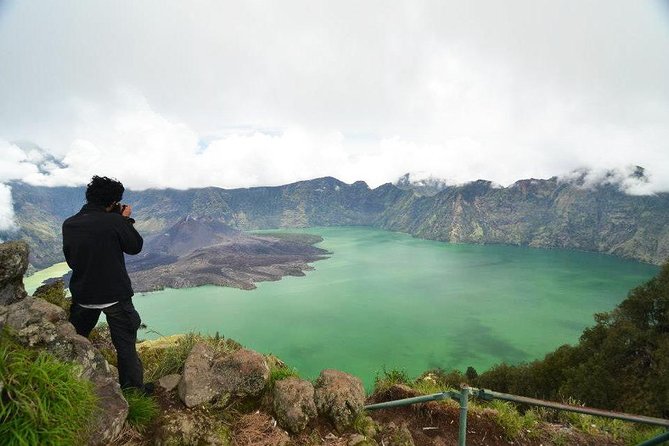
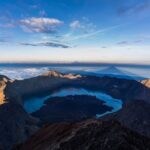
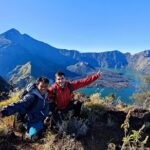
Day 2 is the heart of the story: crater rim views and Segara Anak Lake. The tour is clear that you’ll reach key viewpoints on the mountain, go up to the summit/top, and hit both crater rim areas. That’s a lot of “big moment” trekking in a relatively short window.
What makes this feel manageable is the way guidance is built in. One of the strongest selling points is that you don’t have to worry about taking the wrong path—the guide leads you. On a high, volcanic environment, that’s not just comfort. It’s safety and focus. You spend your attention on breathing and footing, not on second-guessing turns.
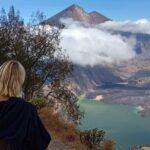
Segara Anak Lake is the kind of place that makes people stop walking just to look (even if they swear they won’t). You’re getting a crater-lake viewpoint experience, not just a pass-through photo stop. And because this is a guided trek, you’re more likely to reach the viewpoints that matter within the time the route allows.
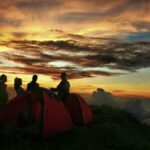
If you’re the type who gets emotional about views, Day 2 is likely when that happens. Just keep in mind it can also be when conditions are most changeable—your layers should be ready for wind and cold.
Day 3: hot spring soaking after the main altitude work
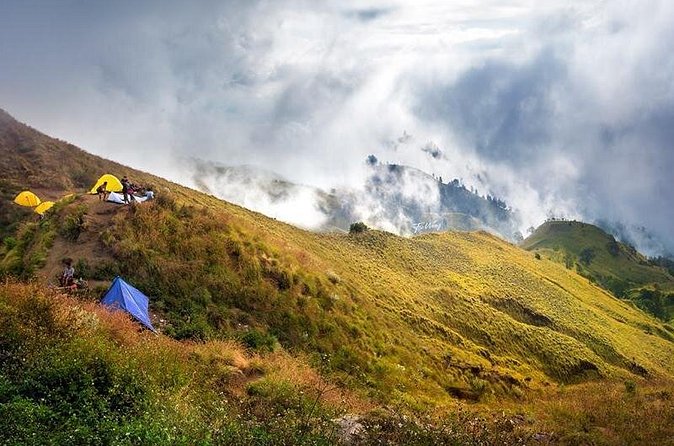
The third trekking day is where your effort turns into a reward. The tour route includes soaking at the hot spring. After hours at high altitude and near crater rims, this is the “okay, now we get to be human” moment.
Here’s how I’d think about it: the hot spring stop isn’t just a fun extra. It’s a pressure-release for sore legs and tight muscles, and it can also help you reset mentally after the hardest skyline sections. The tour even mentions bringing short pants for nature sauna, which signals there’s a straightforward expectation for a relaxed soak.
The practical catch is clothing management. Even if the hot spring feels warm, you’ll likely cool down once you’re out. Pack a dry layer and keep it accessible. If you’re cold on the walk out, it’s not because you lacked “motivation.” It’s usually just missing a plan for the temperature swing.
From summit/top to Senaru: finishing your full-trail loop
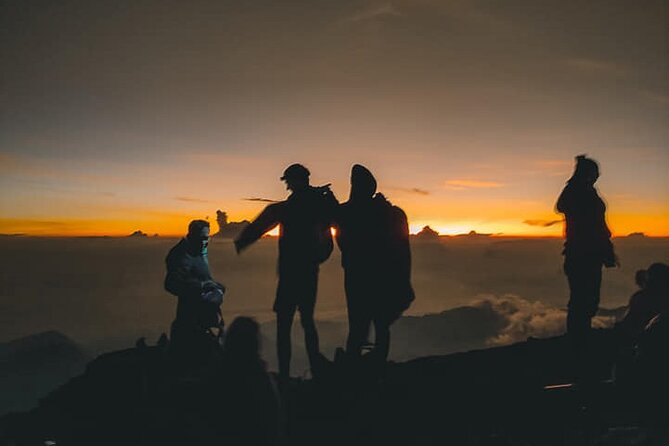
The tour ends in Senaru village. That matters because a lot of volcano treks start in one place and end elsewhere, meaning you need smooth transfer planning. This experience includes all transfers (in/out), which is a big deal for value and sanity.
Ending in Senaru also fits the “full trail” idea: you’re not just climbing and retracing steps. You’re completing a route that takes you across the mountain’s major checkpoints—viewpoints, crater rims, and the lake area—before walking out to the village.
One more timing detail: the tour has a meeting/start time listed as 8:00 am. Even if the exact schedule varies by conditions, you should assume early starts on trekking days and plan for cold mornings before you fully warm up on the trail.
Guides, porters, and camping gear: the load you won’t carry
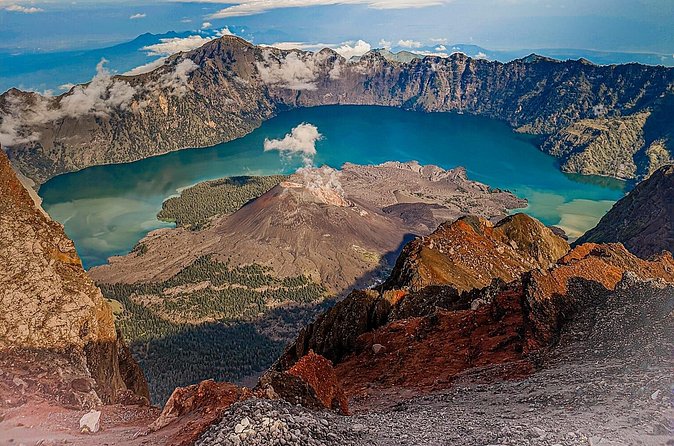
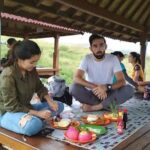
This trek stands out because it spells out what’s included. You get full board meals during the trek, a guide and porters, and camping gear such as a tent, toilet tent, sleeping bags, and mattress. That combination is the reason the trek can feel “hassle-free” compared with DIY plans where you rent everything and then still wonder if you grabbed the wrong sizes.
From a traveler’s point of view, these inclusions change the math:
- You save money and time not having to source rentals.
- You save energy because porters handle parts of the camp setup and your camping needs.
- You reduce the “did I pack the right stuff?” stress that’s common on cold, altitude trips.
If you’re worried about carrying too much, this is exactly what to look for. You still walk all day, of course, but you’re not also lugging sleeping systems and tent gear on your back.
Not included items are important too: trekking shoes (with good grip) are on you, and any personal medicine is on you. The trip also mentions tick coat/jackets can be rented on the spot if you don’t have one. That flexibility is useful, but I wouldn’t count on it as your only plan—bring what you can if you can.
What’s included (and what that actually means on the ground)
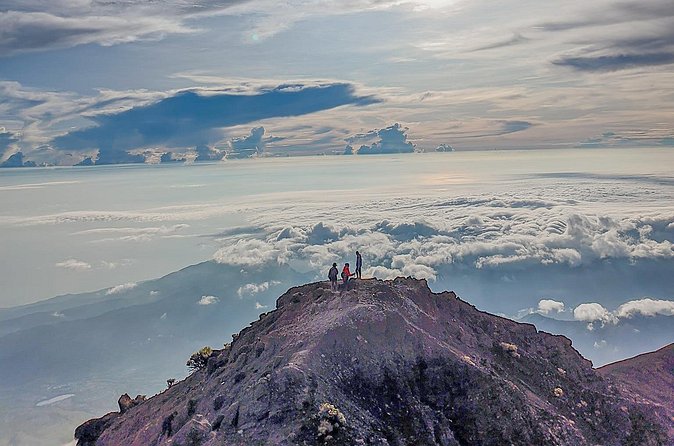
Here’s what the tour includes, translated into real-world benefit for you:
- Full board meals during the trek: fewer decisions, fewer stops, and less energy spent searching for food
- All transfers (in/out): you don’t have to coordinate your own Lombok logistics end-to-end
- 1 night hotel in Senaru Village: a built-in arrival buffer before you hike
- Mt. Rinjani National Park fee: you’re not negotiating entry paperwork
- Camping gear: tent, toilet tent, sleeping bags, mattress—camp life is handled
- Guide and porters: route support plus camp support
This is also where the review score makes sense. A rating around 4.5 out of 5 based on 14 reviews suggests people feel the tour works as promised. The standout praise pattern is the same idea: Rinjani is the real show, and the tour’s job is to keep you on track and not drowning in planning.
Private option: the waterfalls bonus in Senaru
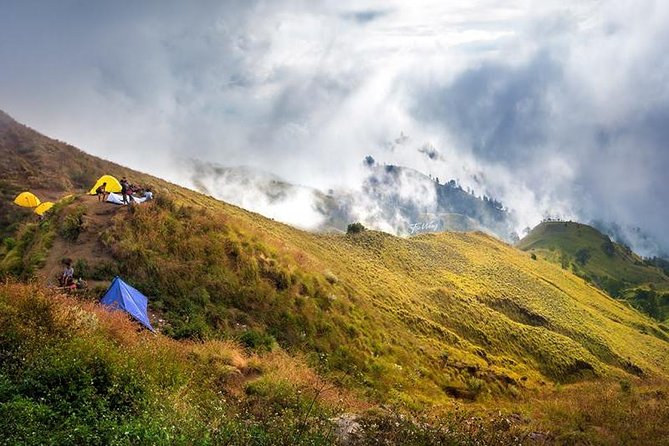
If you choose the private option, the tour adds a bonus day before the trekking begins. You may get a bonus visit to two spectacular waterfalls in Senaru—specifically Sindang Gile and Tiu Kelep—on your arrival day in Senaru.
This is a smart add-on if you want something memorable even before you hit altitude. It also helps you use arrival time well instead of just sitting around waiting for tomorrow’s hike. The bonus is listed as a Panorama walk to those waterfalls, so it’s likely meant to be a lighter companion experience rather than another mountain grind.
If you’re not booking private, don’t count on this waterfall time being included. The base hike route still includes the major Rinjani milestones, but waterfalls are tied to the private option.
Price and value at $284.28: where the money goes
At $284.28 per person, this tour isn’t a budget-only play. But it may still be good value depending on your travel style.
You’re paying for:
- Pickup and transfers in Lombok (airport or port pickup is included)
- One night hotel in Senaru
- Meals and camping setup
- Park fees
- Guide and porters
- A small group limit that supports a more relaxed pace
A key caution: one review notes paying almost double compared with others in their group who could negotiate locally and did parts differently—especially around staying in the village the night before. Translation for you: if you’re the kind of traveler who can confidently plan logistics and negotiate local services, you might find cheaper options. But if you want a single package that handles the moving parts, this is priced like convenience plus reduced risk.
My practical take: if you’d otherwise spend real time lining up guides, rentals, entry fees, and camp gear, the package can be worth it. If you’re set on DIY and you’re comfortable doing it, you may feel the cost more sharply.
Weather requirements and why you should plan for flexibility
This experience requires good weather. If the trek is canceled due to poor weather, you’ll be offered a different date or a full refund. That’s exactly what you want to hear for a volcano hike—because Rinjani doesn’t care about your schedule.
Two other constraints are baked in:
- The trip needs a minimum number of travelers. If it doesn’t meet that minimum, you’ll be offered a different date/experience or a full refund.
- Confirmation timing depends on booking window (and availability if you book close to travel), but the important part for you is the trip can shift only when logistics or weather forces it.
The travel lesson: don’t book this as your only activity on a tight calendar. Keep some breathing room.
Packing for cold, long trekking days (and hot spring chaos)
The tour calls out cold conditions clearly. It warns that long pants are needed because it can reach minus temperatures at high altitude. It also recommends trekking shoes with good grip, and it suggests renting a tick coat/jacket on the spot if you don’t have one.
Here’s what I’d pack based on what’s stated:
- Long pants (don’t skip this even if you’re arriving from warm Lombok weather)
- A warm jacket or a plan to rent on arrival (the cold at altitude can be a rude surprise)
- Trekking shoes with solid grip
- Short pants for the hot spring/nature-soak component
- Personal medicine (you’re responsible for this)
- Layers you can manage quickly (because you’ll work up heat, then freeze again)
And one small but real tip: if you tend to overpack at sea level, don’t do that here. Pack for function. You’ll be adjusting layers constantly.
Who should book this 3D2N full-trail trek?
This trek is best for people who:
- Want a guided Mount Rinjani experience from start to finish
- Prefer a small group and a more relaxed pace
- Want camping gear and camp meals handled for you
- Are excited about hitting multiple signature points: summit/top, crater rims, Segara Anak Lake, and hot spring time
- Have at least moderate physical fitness (the tour says this)
It’s also a strong fit if you’re someone who dislikes logistics headaches. Pickup, hotel in Senaru, transfers, park fees, meals, and gear are all included. You’ll still do real hiking work, but you won’t spend the trip managing camp and equipment.
If you’re a hardcore DIY trekker who loves negotiating every detail, you might feel the price more than necessary. But if you’d rather trade a little cost for less stress, this package is built for that.
Should you book this trek or look elsewhere?
Book it if you want an organized, guided Lombok Mount Rinjani summit experience that hits the major highlights without you worrying about navigation or renting gear. The included camping setup, full meals, transfers, and the practical pickup-day hotel in Senaru are exactly the kind of details that make a volcano trek feel doable.
Consider looking elsewhere if:
- You’re sure you can build a cheaper DIY plan and you’re comfortable managing all logistics yourself
- You have no flexibility if weather cancels (because the trek depends on good conditions)
- You’re unprepared for cold altitude packing (long pants and serious warmth are not optional)
If you want Rinjani to be the focus—and not the planning—this is a solid pick.
FAQ
How long is the Mount Rinjani trek on this tour?
The trek itself is described as a 3D2N experience, and the full plan runs about 4 days and 3 nights total, including the pickup/arrival day in Senaru.
Where does the trek start and end?
It starts from Sembalun and ends in Senaru village.
What time does the trek start?
The listed start/meeting time is 8:00 am.
What’s included during the trek?
You’ll get full board meals during the trek, a guide and porters, camping gear (tent, toilet tent, sleeping bags, and mattress), and the Mt. Rinjani National Park fee.
Do I need to bring camping equipment?
No. Camping gear is included, including the tent, toilet tent, sleeping bags, and mattress.
Is pickup from Lombok included?
Yes. The tour includes airport or port pickup in Lombok, and you also get all transfers (in/out).
How many people are in the group?
The maximum group size is six travelers.
What clothing and items should I bring?
You should bring trekking shoes with good grip, and long pants because it can be extremely cold at high altitude. The tour also mentions short pants for the hot spring/nature sauna part.
Can I rent cold-weather jackets if I don’t have one?
Yes. If you don’t have a tick coat or jacket, you can rent one on the spot.
Can I cancel and get a refund?
This experience is non-refundable and cannot be changed for any reason. If it’s canceled due to poor weather, you’ll be offered a different date or a full refund. If the minimum number of travelers isn’t met, you’ll be offered a different date/experience or a full refund.