REVIEW · ARUSHA
4 Days Mount Meru Climbing | Hiking | Trekking Tour
Book on Viator →Operated by KILIMANJARO CLIMBING TOURS · Bookable on Viator
Mount Meru is the warm-up that earns your altitude stripes. This 4-day climb around Arusha National Park mixes high-country trekking with a sunrise summit moment, plus the real-life wildlife rules of an active national park. I especially like that your sleeping is handled with designated huts, not just campsite scrambling, and that the route is planned around acclimatization instead of brute force. One thing to weigh: the summit night is steep and long, with an early start that asks for mental discipline.
I also like the day-by-day pacing and the way the itinerary builds toward the hard push, giving you time to acclimatize and then rest at Miriakamba Hut and Saddle Hut. And because the mountain sits in Arusha National Park, you’ll hike with an armed ranger escort, which changes the vibe from routine hiking to a guided walk through living habitat. If you hate early mornings or long days, you should expect Day 3 to be the hardest one.
In This Review
- Key Highlights You’ll Actually Feel on the Trail
- Why Mount Meru Works So Well for Your Kilimanjaro Plan
- Price and Logistics: What You’re Really Paying For
- Day 1 From Momela Gate to Miriakamba Hut: Wildlife, Forest Steps, and Ranger Rules
- Day 2 Miriakamba Hut to Saddle Hut and a Little Meru Side Climb at Sunset
- Day 3 The Summit Night: Rhino Point to Cobra Point Before Sunrise
- Day 4 Quick Descent to Momela Gate and Back to Arusha
- Rangers, Permits, and Park Fees: The Practical Side of Climbing in Tanzania
- Fitness, Altitude, and What to Pack for a 4-Day Meru Push
- Who This Tour Suits Best (and Who Might Want a Different Option)
- Should You Book This 4-Day Mount Meru Climb?
- FAQ
- Where does this 4 Days Mount Meru climb start?
- What time does the tour begin?
- Is an armed ranger escort provided?
- What’s included in the tour price?
- What is not included in the price?
- Do I have to pay Mount Meru park fees?
- Can I cancel for a full refund?
- FAQ
- Where does this 4 Days Mount Meru climb start?
- What time does the tour begin?
- Is an armed ranger escort provided?
- What’s included in the tour price?
- What is not included in the price?
- Do I have to pay Mount Meru park fees?
- Can I cancel for a full refund?
Key Highlights You’ll Actually Feel on the Trail
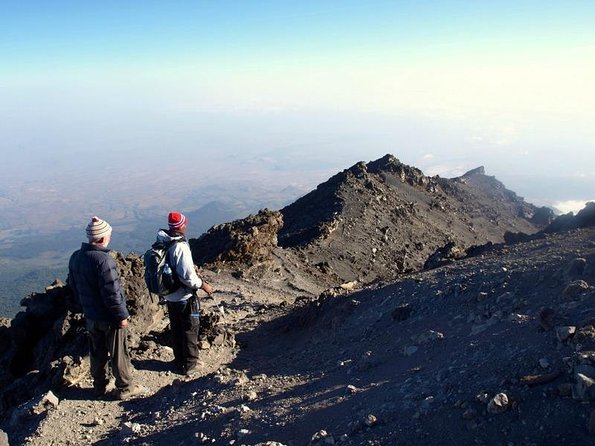
- Armed ranger escort on every move because the mountain is shared with wildlife in Arusha National Park
- Sunrise summit timing with a chance to spot Kilimanjaro above the clouds
- Hut nights along the route: Miriakamba Hut and Saddle Hut keep things organized
- Day 2 includes Little Meru options for big crater-and-ash-cone views before sunset
- A serious day for effort-to-reward: long summit day followed by a controlled descent
Why Mount Meru Works So Well for Your Kilimanjaro Plan
Mount Meru sits in Arusha National Park and rises to 4,568 m, making it Tanzania’s second-highest mountain and Africa’s third-highest. It’s not just a scenic warm-up; it’s a practical acclimatization tool. You’ll spend days moving up gradually, then tackle the summit push when your body is already getting used to the altitude.
The big payoff is the scenery and the viewpoint logic. The hike follows a ridge line along the north rim of the crater, so you’re not just climbing in a straight line—you’re constantly turning the corner toward new angles of the volcano’s interior. One more plus: during the summit attempt you may catch Mt. Kilimanjaro peeking above the clouds, which is exactly the kind of motivation you’ll want if you’re heading there next.
Price and Logistics: What You’re Really Paying For
At $2,600 per person, this is not a budget add-on. The value here is that the essentials are packaged so you can focus on walking. The included items cover airport pickup and drop, gate transfers, crew wages, and meals: 3 breakfasts, 3 dinners, and 4 lunches.
The price also implies a staffed climbing operation: a guide team plus cooking and portering support, and the ranger escort requirement handled through the park framework. That matters because Meru isn’t a casual hike where you can improvise everything at the last minute.
What’s not included is equally important for budgeting. You’ll still need to plan for visas, flights, tipping the crew, and Mount Meru park fees. Those park fees can be paid directly to the park or via the tour operator, so ask which method your booking uses.
Day 1 From Momela Gate to Miriakamba Hut: Wildlife, Forest Steps, and Ranger Rules
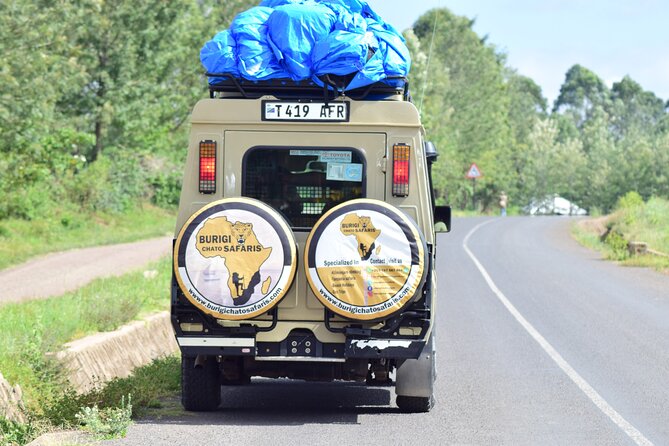
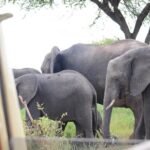
Your day starts with the drive from Arusha to Momela Gate, where you register and then begin with a full armed ranger escort. This isn’t optional color for the photos. It’s a real safety and wildlife-management requirement for Arusha National Park. On the lower slopes, the odds of seeing larger animals are part of the experience—think elephants, zebras, and giraffes, plus monkeys and antelope.
The hike itself is a solid opener: about 10 km, with 4–6 hours of hiking through montane forest. You’ll climb from roughly 1,387 m to 1,500 m, which helps your body start adjusting without going straight into summit-night misery. The walk ends at Miriakamba Hut, where dinner and overnight are included—one of the smartest things about this style of climb.
The drawback on Day 1 is simple: even when it’s the warm-up day, you’re still hiking. If you arrive tired or underprepared, the first day can feel more demanding than you expected because you’re also dealing with a guided start and ranger instructions.
Day 2 Miriakamba Hut to Saddle Hut and a Little Meru Side Climb at Sunset
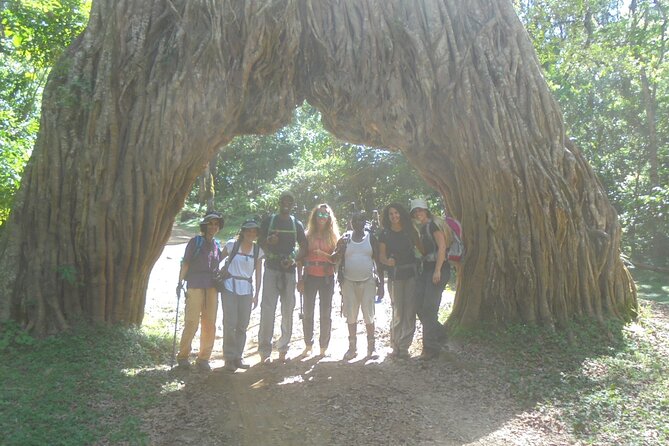
Day 2 is shorter on paper, but it’s about feeling the altitude and learning the rhythm. The route from Miriakamba Hut to the saddle below Little Meru is described as a short walk that turns steep, moving slowly along the ridge. The reward is big: you’re treated to views of the Meru crater and the Ash Cone.
You’ll walk about 8 km, typically 3–5 hours, crossing forest and moorland as you gain altitude (roughly 2,514 m to 3,570 m). After a hot lunch at Saddle Hut, the plan includes a short climb to Little Meru (3,820 m) for additional viewpoints, timed so you’re in a good position for sunset.
This is a great day for learning what works for you. Practice slow steps here, keep breaks short but frequent, and pay attention to how your breathing changes as you gain height. If you’ve been thinking about Kilimanjaro, this is the day you’ll start to understand how much “pace” matters more than “push.”
Day 3 The Summit Night: Rhino Point to Cobra Point Before Sunrise
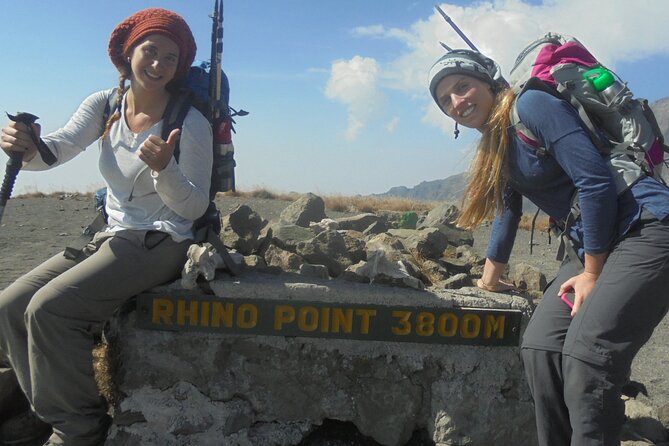
This is the day you build your mindset for. You start extremely early, around 1:30 a.m., then climb steeply toward Rhino Point (3,800 m) and on to Cobra Point (4,350 m). From there you reach the summit at 4,566 m in time for sunrise, with a possibility of seeing Kilimanjaro Peak above the clouds.
The route is also described as moving along a narrow ridgeline between inner cliffs and the outer slopes of the crater—so your brain doesn’t get to zone out. You’ll keep focus on footing, steady movement, and the next checkpoint rather than the entire mountain all at once.
You should expect a long day: around 5 km up and 13 km down, typically 10–12 hours of hiking. You’ll end the day back at Miriakamba Hut for dinner and overnight. The habitat you move through—alpine desert moorland and montane forest—signals how different the air and footing can feel compared to Day 1.
One more thing I take from accounts of past hikers: the team motivation can matter on the last push. People talk about guides and support staff helping with technique and staying positive when fatigue hits. You can treat that as a reminder to lean on your guide’s pacing and ask questions early, before your energy drops.
Day 4 Quick Descent to Momela Gate and Back to Arusha
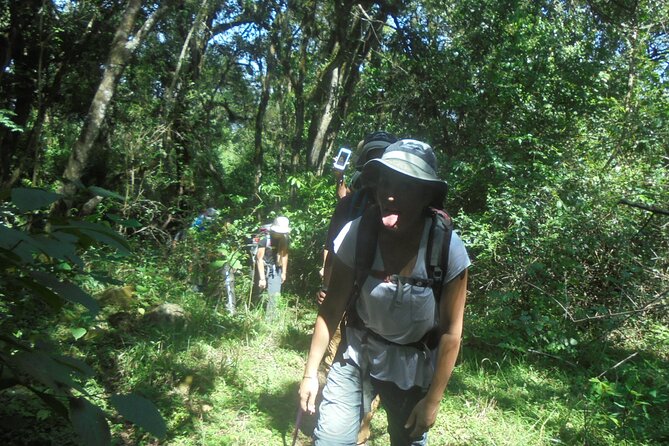
Day 4 is designed to feel like recovery. You’ll take a short and fast descent through open grassland and mixed forest, with a possibility of seeing wildlife before reaching Momela Gate in late morning. Then the returning transfer picks you up to your hotel in Arusha or Moshi, ending back at the meeting point.
The distance is about 10 km, with 2–4 hours of hiking, dropping from roughly 2,514 m down to around 1,500 m and 1,387 m. That lower elevation should feel noticeably more comfortable in your breathing.
This day is a good moment to notice what worked on the way up. Did you eat enough on the climbing days? Did you manage your water? Did you keep your steps slow on steep sections? Use the descent to recover your legs, not to race. A controlled finish helps you feel human again.
Rangers, Permits, and Park Fees: The Practical Side of Climbing in Tanzania
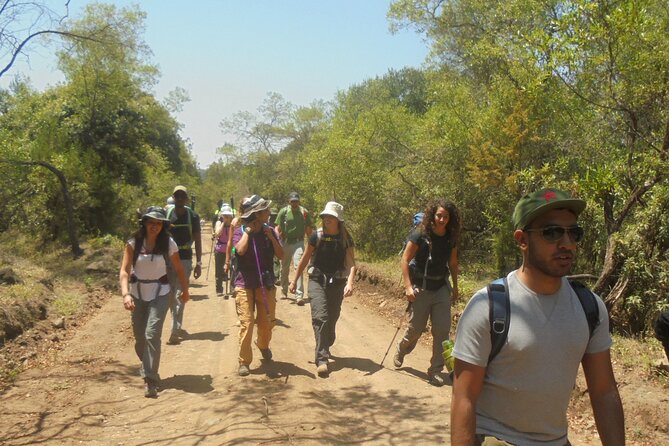
Because the climb is inside Arusha National Park, the ranger escort requirement is a non-negotiable part of the experience. That changes your experience in a good way: you’re guided through a place where wildlife is real and active, not just a background idea.
On the paperwork side, park fees aren’t included in the $2,600 price. You can pay them directly to the park or through the tour operator, depending on how your booking is set up. Also, there’s a note that Meru climbing permits have a duration time of 12 hours, which is worth understanding if you’re planning tightly timed connections afterward.
If you’re the kind of traveler who likes everything labeled and timed, this trip will feel fairly structured. You’ve got set hut stops, a defined route, and meals included—plus the mobile ticket option. Still, keep a little buffer in your schedule for day-of realities like registration and ranger coordination.
Fitness, Altitude, and What to Pack for a 4-Day Meru Push
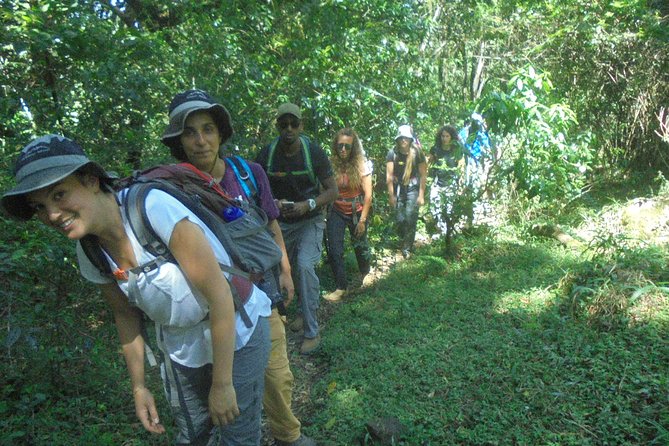
Most travelers can participate, but Meru is still altitude work. The hiking profile includes steep days, especially the summit night, and long total hiking time on Day 3. This isn’t a walk where you can coast with no preparation.
Here’s how I’d plan for success using the trip’s structure as your guide:
- Train for steady uphill effort, not sprinting. The summit day is long, and the route is steep in sections.
- Plan for an early start on Day 3 at about 1:30 a.m., which means you need to be awake and ready quickly.
- Bring layers for a wide temperature swing. High altitude nights can feel much colder than daytime, especially near alpine moorland.
You’ll also do better if you treat food as fuel, not just a break. Meals and lunches are included, so use that built-in schedule. And because wildlife is part of the context, stick closely to ranger guidance and don’t wander off for photos.
Who This Tour Suits Best (and Who Might Want a Different Option)
This is ideal if you’re planning a later Kilimanjaro attempt and want altitude time without jumping straight into the main event. The itinerary is built for acclimatization: hut nights, gradual gaining, then a summit sunrise push once your body has started adapting.
It also suits you if you want a structured, supported climb where meals and transfers are handled. Many hikers mention the crew team and the way support helps you stay on track during the toughest hours.
Consider another approach if you dislike early mornings, long summit-day hiking, or steep technical footing. Even with support, Day 3 is intense—about 10–12 hours total hiking time plus a very early wake-up.
Finally, think about group size feel. The operator notes a maximum of 200 travelers, which can mean you’ll be part of a larger operation. Even if your personal hike feels tight, expect some group logistics in the background.
Should You Book This 4-Day Mount Meru Climb?
Yes, if your goal is a serious warm-up for altitude and you want a sunrise summit with crater views in Arusha National Park. The combination of ranger escort, hut-based nights, and a route that climbs in a staged way makes this one of the more practical ways to train your body before Kilimanjaro.
I’d book it now if you’re comfortable with early starts and steep hiking. Your biggest risk isn’t the paperwork or the transfers—it’s arriving undertrained or under-slept for the summit night. If you can handle that, you’re in for a meaningful climb and a chance to see Kilimanjaro when the clouds cooperate.
FAQ
Where does this 4 Days Mount Meru climb start?
It starts at Arusha Center Inn TouristTZ Arusha on Bondeni St in Arusha, with the tour also returning back to the meeting point.
What time does the tour begin?
The start time is listed as 8:30 am.
Is an armed ranger escort provided?
Yes. Because the mountain is in Arusha National Park and wildlife is present, hikers must climb with an armed ranger escort.
What’s included in the tour price?
Included are airport pickup and drop-off, gate transfers, crew wages, and meals: 3 breakfasts, 3 dinners, and 4 lunches.
What is not included in the price?
Not included are flights, visas, tipping the crew, and Mount Meru park fees.
Do I have to pay Mount Meru park fees?
Yes. Park fees aren’t included in the tour price, and you can pay them directly to the park or via the tour operator.
Can I cancel for a full refund?
Yes. You can cancel up to 24 hours in advance for a full refund, and it requires canceling at least 24 hours before the experience start time.