REVIEW · LOMBOK
Explore Mount Rinjani To Summit, Lake & Hot Spring (3D 2N)
Book on Viator →Operated by Dhyns Rinjani Hiking · Bookable on Viator
Two sunrises and a crater lake in three days. This 3D/2N Mount Rinjani trek from Senaru bundles waterfalls, crater views, summit dawn, and a quick soak in hot springs into one demanding route. It’s popular for a reason: the itinerary is built around the mountain’s best light.
I like that the team puts planning and safety into the schedule. You get an experienced English-speaking guide, plus a medical check before the hike for those who need extra confirmation.
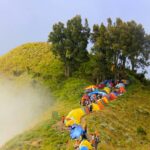
I also like the all-in camping setup and real food logistics. Expect porters who carry cooking gear and camping equipment, and you’re covered with a tent, sleeping bag, mattress, pillow, and even a toilet tent and paper, plus 3 litres of mineral water per person per day.
One consideration: this programme is designed for experienced trekker level, so don’t treat it like a casual hike. Also, you’ll pay extra for some essentials like Mt Rinjani entrance fee (not included) and you must bring key gear such as shoes and a headlamp.
In This Review
- Quick hits before you go
- Mount Rinjani’s 3D/2N rhythm from Senaru
- Day 1: Waterfalls to warm up, then head into the climbing plan
- Day 2: Crater sunset, summit sunrise, then down to the lake and hot springs
- Day 3: The 4–5 hour descent back to Senaru
- What’s included: porters, guide, food, and the camping package
- What’s not included: gear, transfers, entrance fee, and tips
- Guides and porters: where the experience becomes smooth
- Price and value: $180 per person, plus entrance and your gear
- Who should book this trek (and who should think twice)
- Practical packing checklist for Rinjani basics
- Should you book this 3D/2N with Dhyns Rinjani Hiking?
- FAQ
- What is the meeting point and where does the trek end?
- How long is the Mount Rinjani trek?
- Is it a private group?
- What’s included in the price?
- What is not included?
- How much is the Mt Rinjani entrance fee?
- What happens if the trek can’t run due to weather?
Quick hits before you go
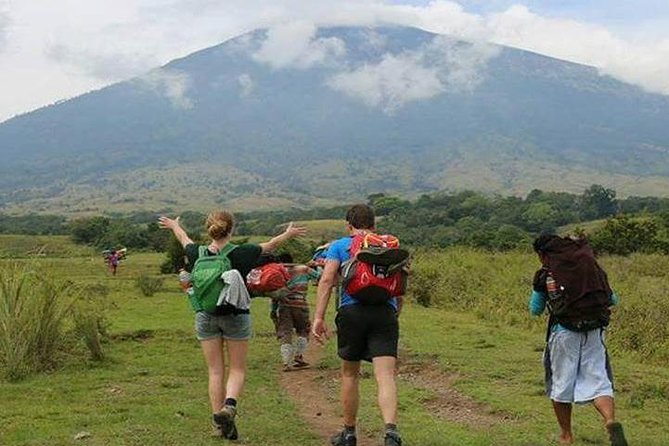
- Sendang Gile and Tiu Kelep waterfalls set the mood early, before the real climbing begins.
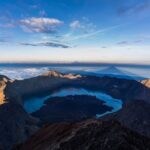
- Crater sunset, summit sunrise, then crater descent to the lake gives you multiple “big moment” windows.
- Hot springs at the lake area offer a short recovery break after summit efforts.
- Camp comfort is handled for you (tent, sleeping bag, mattress, pillow, and toilet tent with paper).
- English-speaking guidance plus porters means you can focus on moving and pacing, not logistics.
- Weather matters and the schedule depends on it, so keep flexibility.
Mount Rinjani’s 3D/2N rhythm from Senaru
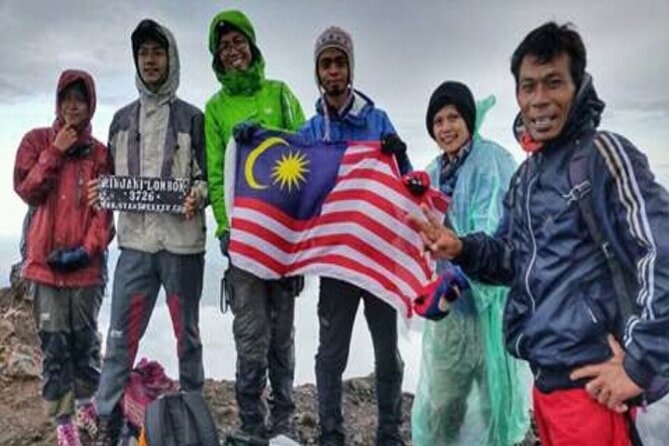
This trek has one job: get you high enough to earn sunrise at the summit and still leave time for the crater lake and hot springs. The pacing is intense, and the route repeats key elevation points—climb up for sunsets and dawn, then drop down for lunch and recovery.
The structure is also why it sells so well. You’re not just walking from A to B; you’re timing your effort around views. Expect a sequence like: climb to the crater and watch sunset, continue upward for summit sunrise, then work your way down toward the lake and hot springs. Later you’re climbing back toward the crater edge for another sunset, and the next day you finish with a descent back to Senaru.
This is the “learn your limits” kind of trip. If you like clear schedules and want your guide and porters focused on mountain operations, you’ll probably feel at ease. If you’re hoping for a relaxed stroll, you’ll likely feel the altitude and effort more than you expected.
Day 1: Waterfalls to warm up, then head into the climbing plan
Your first stop is Sendang Gile and Tiu Kelep Waterfall. This matters more than it sounds. A waterfall start does two things: it gives you a scenic payoff while you’re still fresh, and it breaks the mental monotony before the harder segments.
The route is structured so that the climb doesn’t happen all at once. You’re working your way into the mountain gradually, with a chance to refuel with food and water on the trek days. Since the included package covers food and 3 litres of mineral water per day, you’re not constantly worrying about what you’ll eat or drink mid-day—just keep moving, stay warm, and follow your guide’s pace.
One practical note: you’ll want to treat Day 1 as the day to manage energy. The programme is described as for experienced trekker level, and even if you’re fit, Day 1 is where you set your pace for the later summit and crater timing.
Day 2: Crater sunset, summit sunrise, then down to the lake and hot springs
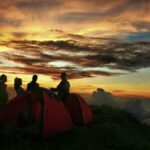
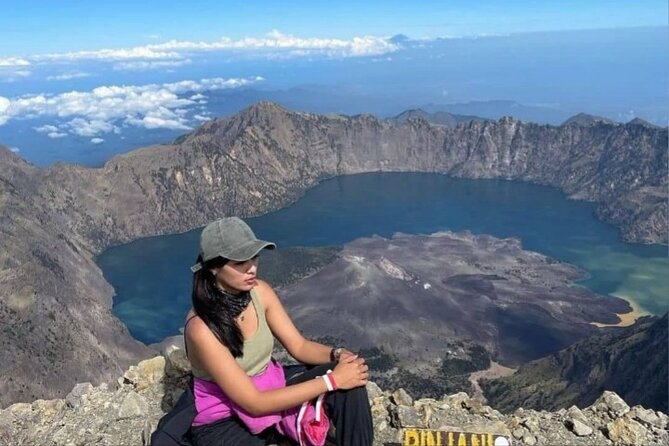
Day 2 is the heart of the whole trip. It starts with a climb up to the crater area where you’ll watch the sunset. Then it keeps going—up to the summit for sunrise. That’s a lot of climbing back-to-back, and this is where your fitness level and headlamp planning can make or break the experience.
After the sunrise effort, the plan moves down toward the lake for lunch and a short session in the hot springs. That hot springs moment is not just a fun add-on. It’s your recovery tool—short, but valuable after long hours on your feet. If you tend to tighten up when you’re tired, this is one of the few chances to reset muscles before the next climb.
Then you head back up to the other side of the crater to catch sunset again. Think of it as a second “reward climb,” even though your legs are already tired. This is why the itinerary specifies experienced trekker readiness and mountain climb experience. The mountain doesn’t care about motivation; it responds to pacing, rest, and how well you handle exertion.
Also watch the gear list. You’re not given headlamps, trekking shoes, rain jacket, long pants, or gloves in the included package. For summit or dawn timing, a headlamp is a big deal, not a luxury.
Guide detail worth noting: some groups get patient support from guides such as Ali, Lim, Deni, or Adi, with porters working hard in the background. The consistent theme is clear briefing and serious attention to the hike plan and wellbeing, including a medical check beforehand.
Day 3: The 4–5 hour descent back to Senaru
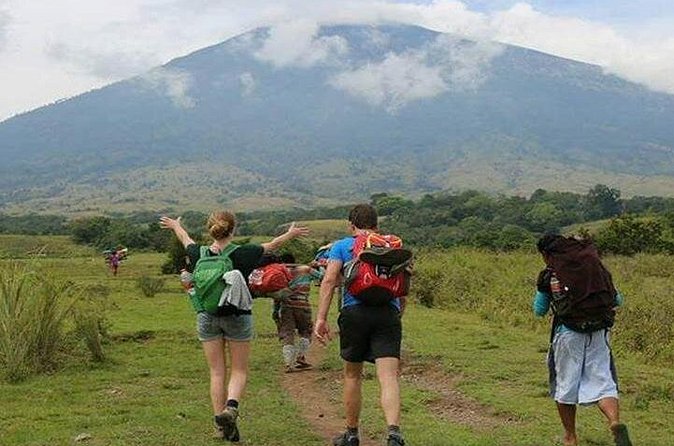
Day 3 is the descent day. You’ll have about 4–5 hours to climb back down to Senaru, depending on conditions and group pace. Even though it’s downhill, this is still physical work on tired knees and calves.
The good news is that Day 3 usually feels more straightforward than the sunrise/sunset climbing day. You’re not chasing high targets at night; you’re finishing the route and getting back toward your meeting point. The tour ends back at the meeting point in Senaru, which makes the logistics simple on paper.
My advice for descent day: focus on controlled steps and quick feet rather than speed. If you go too fast, you’ll pay later—especially if you’re carrying your own daily pack (extra porter for personal luggage is not included).
What’s included: porters, guide, food, and the camping package
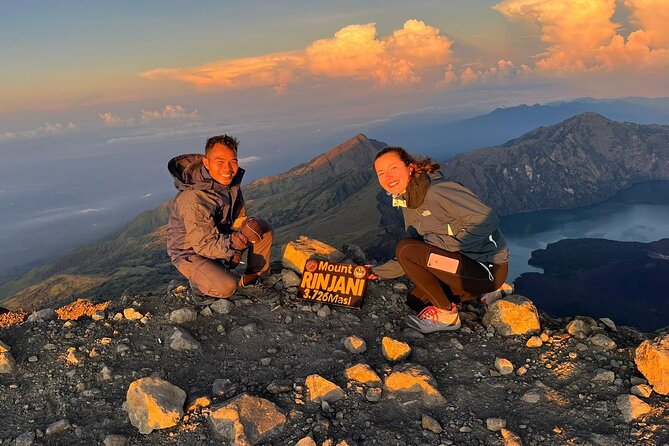
One of the strongest values here is how much the trek supports you logistically. This is the kind of package where you can show up with your personal gear needs covered, and the rest is handled by the team.
Included in the package:
- Trekking porters who carry cooking gear and camping equipment
- An experienced English-speaking guide
- Food and drinking water on the trek: 3 litres of mineral water a day per person
- Camping gear: tent, toilet tent and paper, sleeping bags, mattress, pillow, and chair
- Luggage storage at the Dhyns Rinjani Hiking office
This matters on a mountain where the time you gain from good organization can turn into time you gain from rest. When porters carry cooking and camping equipment, you spend energy where it matters: walking, breathing, and managing your own daily pack.
It also helps morale. The reviews highlight great food and varied meal planning, and you can see why an operations team takes food seriously on a demanding trek. When you’re climbing for sunset and sunrise, you need fuel that actually keeps you going.
What’s not included: gear, transfers, entrance fee, and tips
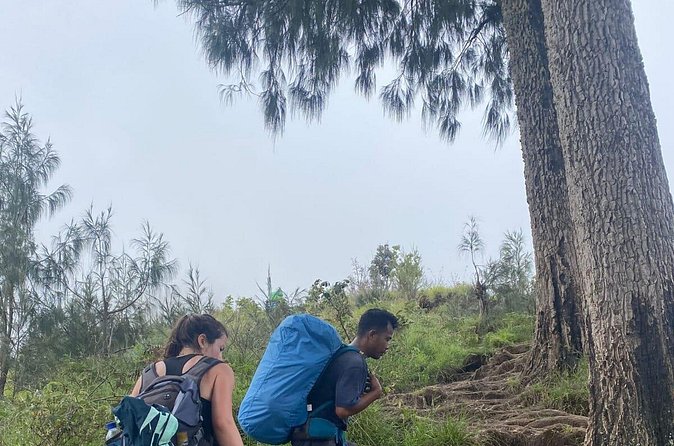
The trekking package won’t cover everything, and that’s normal for Rinjani. Still, it’s worth reading the list carefully so you don’t show up missing something important.
Not included:
- Head lamp/hand torch bag/daily pack
- Trekking shoes, rain jacket, long pants, gloves
- Extra porter for your own luggage and tips for guide and porters
- Pick up before and transfers after the trek
- A night accommodation in Senaru before the trek
- Entrance fee for Mt Rinjani: IDR 610,000 per person
Also note: the meeting point is Dhyns Rinjani Hiking in Senaru, and the activity ends back at the meeting point. Since transfers aren’t included, you’ll want to plan how you get there and when you return.
Value check: paying for entrance fee and your own footwear and headlamp can add cost, but it also means you’re in control of fit and comfort. Your trekking shoes, in particular, are not an item to guess on. Bad boots are a fast way to end the fun early.
Guides and porters: where the experience becomes smooth
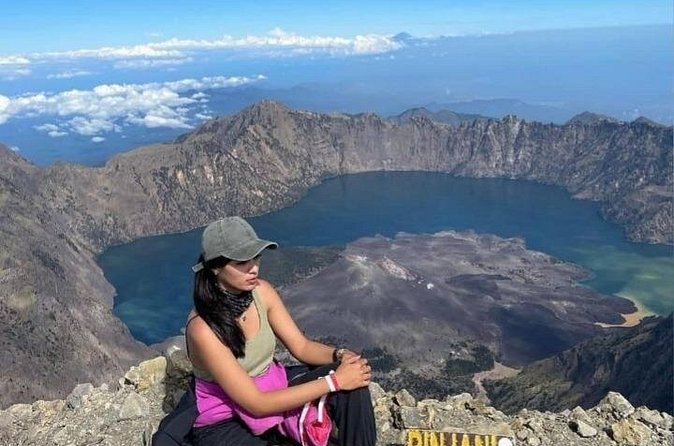
When a trek is hard, the details become the difference between stress and flow. This programme runs with an experienced English-speaking guide and trekking porters carrying the camp and cooking load. That should reduce the mental strain and keep your group focused on the trail.
The names that appear in past group experiences include guides like Ali, Lim, Deni, and Adi, with porters and team members such as Wan. Those names aren’t a guarantee of who you’ll get, but they show the kind of team structure this company uses: guide plus porters working as a unit.
What I like in the reports is how often people mention:
- clear briefing before you start
- medical check beforehand
- serious teamwork
- solid cooking during the trek
That combination is practical. Clear briefing helps you move smart. Medical check helps you avoid going forward when it’s not safe. Good cooking and water planning help you keep pace through long climbing hours.
Price and value: $180 per person, plus entrance and your gear
At $180 per person, this trek sits in the mid-range for a 3D/2N summit-and-lake style itinerary. The big question is: what are you really paying for?
You’re paying for a lot of operational support:
- guide time
- porter time
- camp setup (tent + sleeping systems + mattress + pillow + chair)
- food and 3 litres of mineral water per day
- a toilet tent and paper
- luggage storage at the office
You still pay for:
- Mt Rinjani entrance fee (IDR 610,000 per person)
- your personal trekking gear (shoes, rain layers, gloves, headlamp)
- transfers and any pre-trek accommodation
- tips and possibly extra porter support for your personal luggage
So is it good value? For most people who want a structured, handled trekking experience with less to carry and fewer logistics to manage, yes. You’re not just buying a route; you’re buying a system.
If you already own top-notch gear, can get to Senaru independently, and don’t need help with camp or cooking logistics, you might find slightly cheaper options elsewhere. But if you want the “someone’s taking care of the mountain chores” feeling, this package is built for that.
Who should book this trek (and who should think twice)
This trek is described as designed especially for experienced trekker level. It also notes that participants should have moderate physical fitness and have several mountain climbs experience.
That points to a simple fit test:
- You should book if you’ve done multi-hour climbs with early starts, and you know how your body reacts to altitude and darkness.
- You should think twice if you’re new to mountain hikes, struggle with steep trails, or haven’t managed sunrise timing on foot before.
It’s also not the best choice if you want lots of downtime. The schedule stacks sunsets, sunrise, crater timing, and descent. The hot springs moment gives you a recovery pocket, but the day-to-day rhythm stays active.
Group setup is another factor. This is a private tour/activity, meaning only your group participates. That can be a plus if you travel with friends or want a consistent pace with fewer moving pieces.
Practical packing checklist for Rinjani basics
You’ll need to bring essentials that aren’t included:
- trekking shoes (broken in if possible)
- rain jacket
- long pants
- gloves
- headlamp (or torch)
You’ll also want your daily pack basics, since the itinerary notes daily pack items aren’t included.
And one more practical tip: since your group uses porters for camp and cooking gear, you don’t need to overload your own carry. But you do carry your own daily items, so pack smart and keep weight reasonable.
Should you book this 3D/2N with Dhyns Rinjani Hiking?
Book it if you want a structured Rinjani experience that hits the big moments—crater sunset, summit sunrise, crater lake lunch, hot springs, and another sunset—without you managing camp logistics. The inclusion of porters, an English-speaking guide, water, food, and full camping setup is where the value lives.
Skip it or choose a gentler option if you’re not ready for an experienced trekker level challenge. The itinerary is built for people who can handle repeated climbs and a long summit day, then still manage the descent back to Senaru.
If you like clear instructions and want a team that takes the plan seriously, this is the kind of trek that can feel smooth even when it’s hard.
FAQ
What is the meeting point and where does the trek end?
The trek starts at Dhyns Rinjani Hiking – Trekking Tour Organizer in Senaru, Bayan, North Lombok Regency, West Nusa Tenggara, Indonesia. It ends back at the same meeting point.
How long is the Mount Rinjani trek?
This programme is listed as 3 days (approx.) and 2 nights.
Is it a private group?
Yes. It’s a private tour/activity, so only your group participates.
What’s included in the price?
Included are trekking porters (for cooking gear and camping equipment), an experienced English-speaking guide, food and drinking water on the trek (3 litres of mineral water a day/person), and camping equipment such as tents, sleeping bags, mattresses, pillows, a chair, plus a toilet tent and paper.
What is not included?
Not included are headlamp/torch items and your daily pack, trekking shoes, rain jacket, long pants, and gloves, plus extra porter for personal luggage and tips for guide/porters. Pick up and transfers are not included, there’s no pre-trek night accommodation in Senaru, and the Mt Rinjani entrance fee is not included.
How much is the Mt Rinjani entrance fee?
The entrance fee is IDR 610,000 per person.
What happens if the trek can’t run due to weather?
The experience requires good weather. If it’s canceled due to poor weather, you’ll be offered a different date or a full refund.