REVIEW · SCOTTSDALE
Iconic Tom’s Thumb Guided Hiking Adventure in Scottsdale, Arizona
Book on Viator →Operated by Mad Desert Trekking · Bookable on Viator
Tom’s Thumb earns its hype. This is a guided hike in Scottsdale that gets you all the way to Tom’s Thumb, the famous granite formation in the Sonoran Desert. I love two things right away: the way guides (like Doug, Jennifer, and Curtis) adjust the pace for your group so you can keep moving without rushing, and the hands-on desert experience with bottled water and snacks so you can focus on the trail and the views.
One thing to plan for: the climb is short, but it can be steep, and even with a guide who’s patient, the hike may run longer than the advertised 3 hours. If you’re not used to hiking in dry heat (or if weather turns cool and rainy), you’ll want to bring smart gear and expect sore legs afterward.
In This Review
- Key things that make this Tom’s Thumb hike worth it
- Tom’s Thumb in the Sonoran Desert: the main event
- Getting started at Tom’s Thumb Trailhead on Paraiso Drive
- Walking through Sonoran Desert terrain without turning it into a guessing game
- The switchbacks up to Tom’s Thumb: where effort meets explanation
- Reaching the top: exploring around Tom’s Thumb for real views
- McDowell Sonoran Preserve: the area beyond the landmark
- Scottsdale, Old Town feel, and what you’ll notice from the city side
- Weather, timing, and fitness: why a 3-hour hike can take longer
- The value question: what you’re really paying for at $145
- Who should book this Tom’s Thumb adventure (and who might rethink it)
- Should you book the Iconic Tom’s Thumb Guided Hiking Adventure?
- FAQ
- How long is the Tom’s Thumb guided hiking adventure?
- Where do you meet for the hike?
- What’s included with the tour price?
- Do I get a ticket on my phone?
- Do I need to be very fit to join?
- What if the weather is bad?
Key things that make this Tom’s Thumb hike worth it
- Follow-your-guide simplicity: you don’t have to puzzle out the route or the desert details on your own.
- Switchback payoff: the ascent to Tom’s Thumb is a grind you’ll actually understand as you go.
- Desert spotting with less guessing: expect help noticing native plants, cacti, and desert life.
- Real support on the climb: bottled water and snacks keep the effort from feeling like pure punishment.
- Guides who tailor the experience: some hikes include extra photo help and tips, depending on your guide.
Tom’s Thumb in the Sonoran Desert: the main event
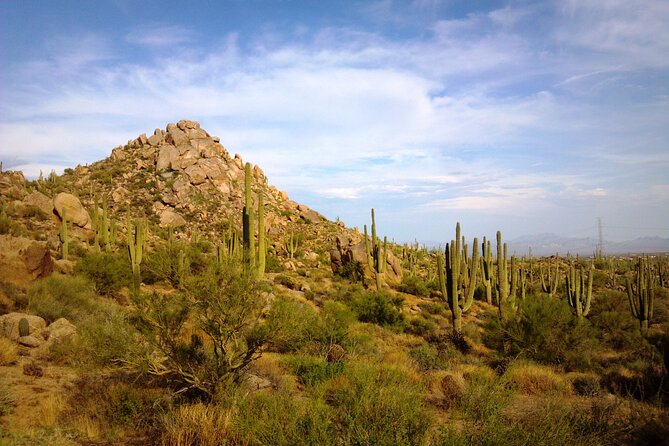
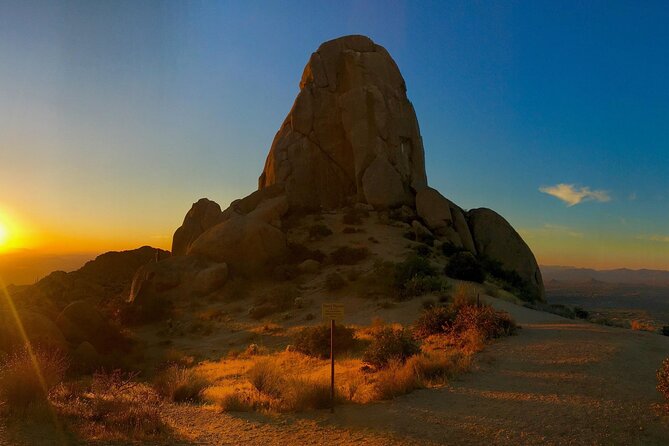
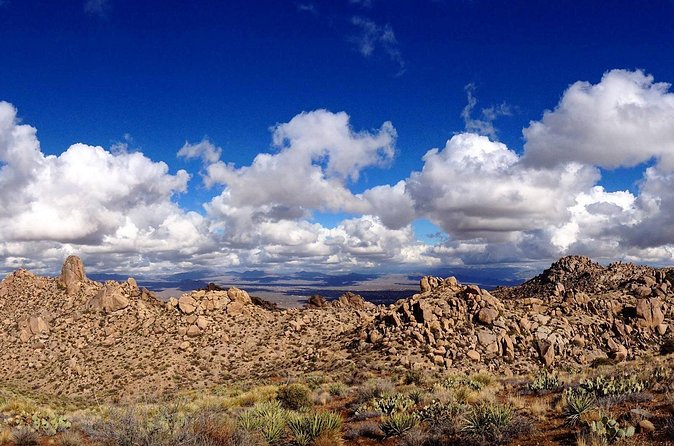
Tom’s Thumb is the landmark you came for, and the guide makes it more than a photo stop. As you hike through the Sonoran Desert, you start to connect what you’re seeing to where you are. The formation itself is a granite monolith, and you’ll work your way up to it via switchbacks that steadily trade flat-ish desert walking for a more direct climb.
What makes this experience compelling is how quickly the desert “teaches” you. You’re not just passing scenery; you’re learning what’s adapted to this dry place—especially the cacti. And because the hike is guided, you’re less likely to miss the small stuff that actually makes the Sonoran Desert interesting in real life.
The view angle is part of the deal too. Once you reach Tom’s Thumb, you’ll be able to explore around the formation area and take in wide views across Scottsdale and beyond. It’s the kind of payoff that feels earned, not handed to you.
You can also read our reviews of more guided tours in Scottsdale
Getting started at Tom’s Thumb Trailhead on Paraiso Drive
Your day starts at the Tom’s Thumb Trailhead at 12943 E Paraiso Dr, Scottsdale. Meeting there matters. Instead of getting dropped somewhere vague, you begin at the trailhead where the hike actually starts, so you can get your bearings fast and not burn time in transit.
You’ll be greeted by a local guide from Mad Desert Trekking, and that’s where the experience becomes more than an exercise session. Guides are there to manage the pace, point out desert features, and keep everyone moving as a group. This is especially helpful if you’re hiking solo, because you still get the benefits of a group without the awkwardness of trying to figure everything out while you’re out of breath.
One practical point: the tour is described as a private experience, meaning you’ll hike with only your group. That tends to make it easier to ask questions, pause for photos, and adjust timing without feeling like you’re holding up a large crowd.
Walking through Sonoran Desert terrain without turning it into a guessing game
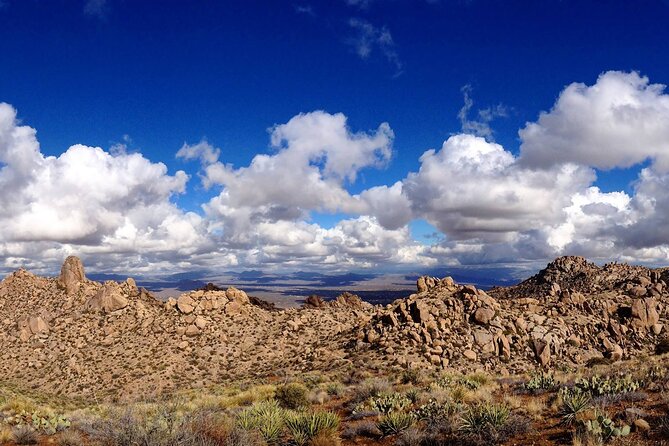
The early part of the hike is where you set the tone for the rest of the climb. You’ll walk through desert terrain while your guide points out native flora and fauna. This is where the experience turns into something you’ll remember after the views fade.
I like that the focus includes both plants and wildlife, because the Sonoran Desert is full of “wait, I see that?” moments. And since cacti are everywhere, a good guide helps you notice them safely and without turning your hike into a constant fear-check.
Also, watch your footing. Desert trails can look straightforward until you’re stepping over uneven ground, loose rock, or patches that change the feel under your shoes. Having a guide keeps you from walking with your eyes glued to the ground the whole time. You can look around and still feel steady.
The switchbacks up to Tom’s Thumb: where effort meets explanation
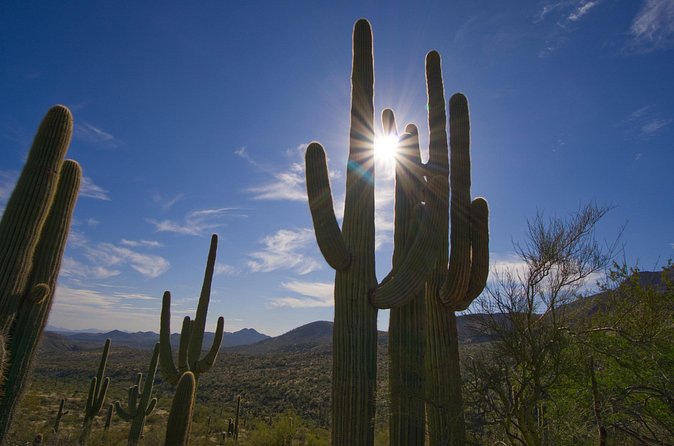
The heart of the hike is the ascent to the granite monolith. The route uses switchbacks, and that matters for two reasons. First, switchbacks make the climb doable instead of one long wall. Second, they give the guide time to talk while you’re moving, so you aren’t stuck in silence or forced to catch up every few minutes.
Guides also seem to be good about pacing in a way that fits real people. In the reviews, Doug was praised for being patient with hikers in their 60s who needed frequent stops for photos. Another guide, Lizzy, was described as a great conversational companion with a knack for pictures. That kind of support is exactly what makes a “challenging climb” feel like a fun challenge instead of an endurance test.
You should still take it seriously. The hike calls for a strong physical fitness level, and some hikers report it can be more grueling than the advertised timeframe suggests. If you’re the type who starts out too fast, you’ll feel it later. The best strategy is to let the guide set a steady rhythm, especially on the steeper parts.
Reaching the top: exploring around Tom’s Thumb for real views
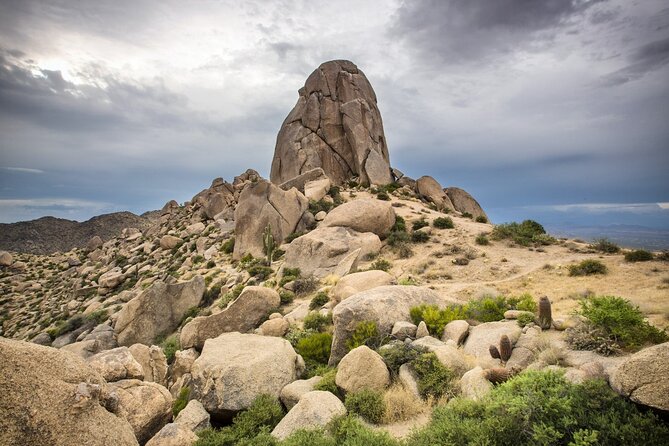
Once you reach Tom’s Thumb, you get more than a quick look and go. You can explore the unique terrain around the formation and soak in the bigger views of the Scottsdale Sonoran Preserve area.
This is where the “why” of the hike clicks. From up here, you understand scale: how the formation fits into the preserve, how the surrounding desert stretches out, and how the city sits nearby without swallowing it. Even if you’ve seen photos before, being there changes the feel. The textures of rock and the contrast between granite and desert plants read differently at eye level.
Take your time at the top. If you rush, you miss the best part: the chance to study the ground, notice how the trail surfaces change, and get those photos that actually include context. A slow look helps you appreciate what you climbed for.
You can also read our reviews of more hiking tours in Scottsdale



McDowell Sonoran Preserve: the area beyond the landmark
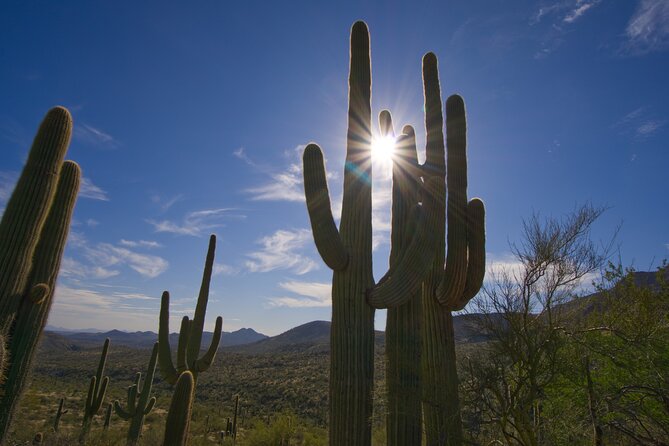
After Tom’s Thumb, the hike moves you into McDowell Sonoran Preserve, described as the largest city-owned preserve in the world. That line isn’t just a brag. It helps explain why the area feels expansive and why your guide can talk about more than just one rock formation.
McDowell Sonoran Preserve is where the desert vibe becomes “I could stay here all day” territory. You’ll keep seeing desert plants and likely more chances for wildlife spotting, depending on the time of day and conditions.
This is also a good spot to learn why people care about this region. The McDowell area connects to other major natural features, including the famous Marcus Landslide—an event scientists believe happened about 500,000 years ago, when around 194 million cubic feet of rock and vegetation slid off East End Peak. You might not hike that exact trail in this tour, but it’s the kind of story guides can share to make the terrain feel meaningful, not random.
A helpful expectation: the preserve part can feel like you’re hiking through a living system, not a single point of interest. That’s good value, because you’re getting a fuller sense of what the Sonoran Desert is like.
Scottsdale, Old Town feel, and what you’ll notice from the city side
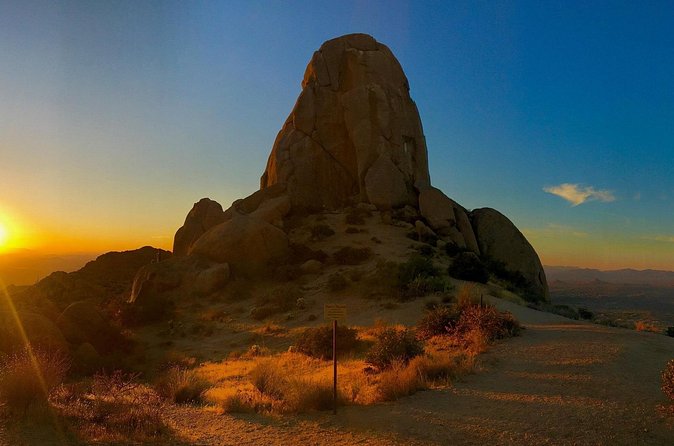
One of the fun parts of this hike is that you’re in Scottsdale, a desert city known for spa resorts and golf courses. You’ll be close to that world, but your feet are in desert terrain. That contrast is part of the appeal.
If you’re a people-watching or architecture person, this area has extra interest nearby. Downtown Scottsdale’s Old Town has 1920s buildings and 19th-century olive trees, and farther out there’s Taliesin West, Frank Lloyd Wright’s former home and studio. Even if your hike is focused on trails and preserve time, a good guide can help you connect what you’re seeing on the ground to the city’s character.
Keep your expectations realistic: this is still primarily a hike, not a sightseeing bus tour. Think of Scottsdale as context that makes the preserve feel even more surprising. You’re not escaping civilization; you’re hiking right alongside it.
Weather, timing, and fitness: why a 3-hour hike can take longer
The tour is listed as about 3 hours, but don’t treat that as a promise. One couple reported their hike took around five hours, mainly because they paused often for photos and took it at a careful pace. That’s not a bad thing. It just means you should plan your day with flexibility.
The hike also requires strong physical fitness, and that’s fair. Expect a challenging climb with uneven desert footing and altitude-like effort from the exertion (even though you’re not necessarily at high altitude). If you’re used to flat walking, the switchbacks will change the workout.
Weather is the wildcard. One solo hiker described unusual conditions: rainy weather around 48 degrees. That doesn’t mean you’ll get that, but it does mean you should pack for changes. Layers help. A light rain layer can save your mood. And if it’s cooler than expected, you might need something extra for warmth early on.
One practical trick: start slower than you think you need to. Guides like Doug and Jennifer are experienced with pacing, so you’ll often feel better if you let them manage the rhythm.
The value question: what you’re really paying for at $145
At $145 per person, the key question is what’s included besides walking. Here’s what makes the price feel justified.
First, you’re paying for guided time from Mad Desert Trekking. That matters because desert hiking is where information changes the whole experience. A guide can point out native flora and fauna and help you avoid the kind of constant guessing that happens when you hike alone.
Second, the tour includes bottled water and snacks. That’s not just a comfort detail. Hydration and calories help you keep your effort steady, especially on the climb to Tom’s Thumb.
Third, admission tickets are included for parts of the experience (the preserve segments). That reduces the amount of extra planning you’d otherwise do on your own.
Fourth, the experience is private, so you’re not packed into a huge group. Some hikers even booked solo and got a full, personalized feel. You also get a mobile ticket, and group discounts are available, which can be useful if you’re traveling with friends.
In plain terms: you’re paying for a guided hike that handles desert details, basic needs, and pacing. If you like hikes where you learn while you move, this pricing tends to make sense.
Who should book this Tom’s Thumb adventure (and who might rethink it)
This hike fits best if you want a desert experience with a guide and you’re comfortable with a real climb. It’s great for:
- Couples who like photo pauses and an earned view
- Solo hikers who want structure and local insight
- Anyone who enjoys desert plants and cacti and doesn’t want to spend the day wondering what they’re seeing
It may be less ideal if you’re looking for an easy stroll or you have limited mobility. The hike requires strong physical fitness, and it’s described as challenging.
On the plus side, service animals are allowed. And because the tour is private, it can feel calmer than group hikes.
Should you book the Iconic Tom’s Thumb Guided Hiking Adventure?
If you want the Tom’s Thumb experience done right, I’d lean yes. The combination of a guided approach, desert spotting, and switchback access to the landmark creates a strong payoff. You also get practical support on the trail with water and snacks, and the guides in the reviews were praised again and again for patience, humor, and keeping the experience enjoyable even when it’s physically demanding.
Book it if you’re up for a workout that may run longer than the headline time. Skip it (or choose something gentler) if you’re hoping for an easy hike or you don’t have the physical stamina for a steep desert climb.
If you’re ready to trade shortcuts for views you actually earn, this is a solid Scottsdale choice.
FAQ
How long is the Tom’s Thumb guided hiking adventure?
It runs for about 3 hours (approx.).
Where do you meet for the hike?
The start point is Tom’s Thumb Trailhead at 12943 E Paraiso Dr, Scottsdale, AZ 85255. The activity ends back at the meeting point.
What’s included with the tour price?
Bottled water and snacks are provided. Admission is included for Tom’s Thumb Trailhead and McDowell Sonoran Preserve, and the Scottsdale portion is listed as free admission.
Do I get a ticket on my phone?
Yes. The tour offers a mobile ticket.
Do I need to be very fit to join?
Yes. The experience notes that travelers should have a strong physical fitness level.
What if the weather is bad?
This experience requires good weather. If it’s canceled due to poor weather, you’ll be offered a different date or a full refund.