REVIEW · INDONESIA
Mount Rinjani: 2-day 1-night Guided Summit Trek with Meals
Book on GetYourGuide →Operated by Star rinjani · Bookable on GetYourGuide
Rinjani’s summit hunger kicks in fast. This 2-day, 1-night guided trek is built for real uphill days, with English-speaking guides and summit views that feel earned. A guide like Apok kept the pace under control, and the team fed us with steady snacks and meals. The one real drawback: the final ascent is brutally hard, and not everyone reaches the top.
What I like most is the practical support. You get a small group (limited to 4), hotel pickup included, and the basics handled on the mountain—tents, mattresses, and a toilet tent. Still, you should plan for a sore back if you’re in the pickup truck for the ride to the trailhead, and bring your own headlamp/flashlight because it’s not included.
In This Review
- Key highlights to know before you go
- Why the Mount Rinjani summit trek hits harder with a small group
- From Senaru pickup to trailhead: timing and that bumpy vehicle reality
- Day 1 uphill: setting your rhythm and learning the pace
- Night on the mountain: tents, toilet tent, and smart sleep prep
- Day 2 summit push: where effort meets discipline
- Meals and snacks on Rinjani: the unglamorous part that saves the day
- Guides and porters: why this company’s crew makes a difference
- Price and value: is $126 per person really fair?
- What to bring (and what you’ll have to borrow)
- Who should skip this trek, and who should train first
- Seasonal closure: January to March means you need a plan
- Booking reality check: what to confirm before you commit
- Should you book this Mount Rinjani summit trek?
- FAQ
- How much is the Mount Rinjani 2-day 1-night guided summit trek?
- What’s included in the trek package?
- How big is the group?
- What should I bring for the hike?
- Is the trek suitable if I have altitude sickness or I’m pregnant?
- Are Mount Rinjani treks available in January, February, or March?
Key highlights to know before you go
- Small group size (up to 4) so you’re not lost in the crowd while climbing.
- English-speaking local guide with the kind of on-the-ground pacing you need on Rinjani.
- Meals plus extra snacks and water timed for energy between hard sections.
- Camping gear included (tents, toilet tent, mattresses), which cuts down what you must carry.
- Trek insurance included, plus local porters who take weight off your shoulders.
Why the Mount Rinjani summit trek hits harder with a small group
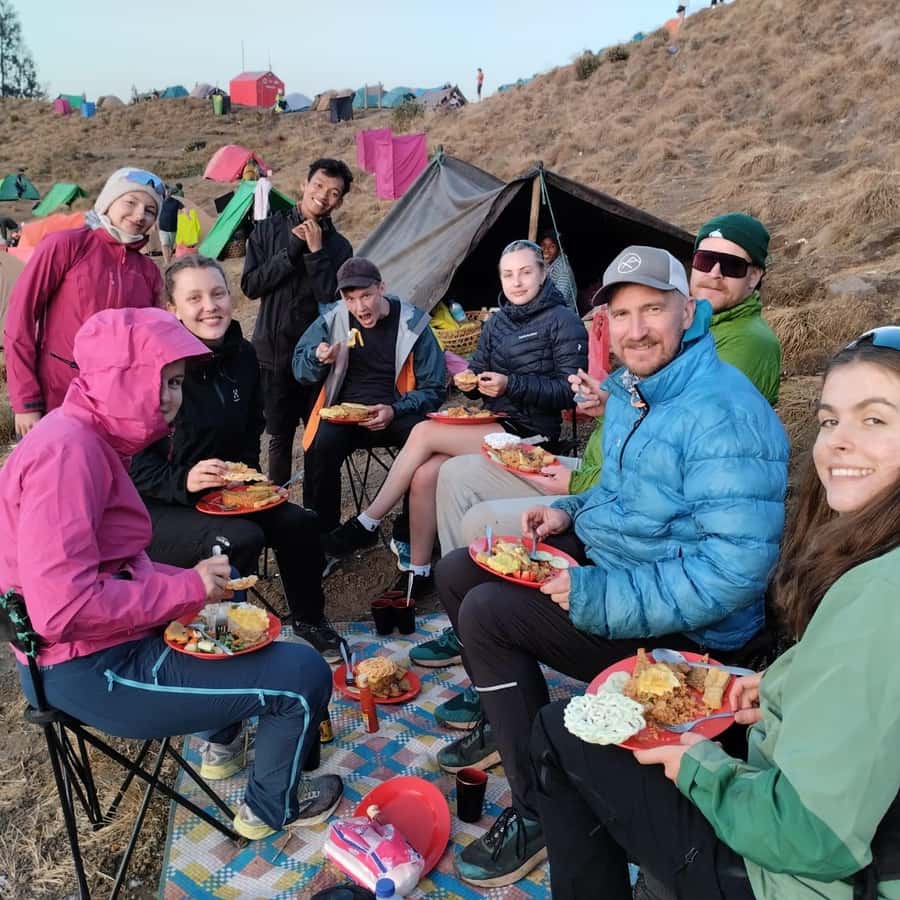
Mount Rinjani is not a casual walk. It’s steep, it’s long, and you’ll feel your lungs work—especially on the final climb. With a group limited to 4 people, you get a more human pace. Guides can notice who’s struggling and who needs a short stop, instead of trying to manage a big line of hikers.
I also like how this setup changes the vibe. You’re sharing the workload of the night on the mountain and the early-morning push, but you’re not squeezed into a crowded experience. That matters when it’s dark, cold-ish, and everyone’s focused on putting one foot in front of the other.
The trade-off is simple: small groups still mean you’re responsible for your fitness. This trek is not built for low effort. If you’re unsure you can handle altitude and steep climbs, you’ll feel it quickly.
From Senaru pickup to trailhead: timing and that bumpy vehicle reality
Your day starts with pickup from selected hotels, and you’ll be transported toward the Senaru area trail logistics. Exact start times depend on availability, but you can expect a pre-trek flow that gets you from Lombok lodging to the start point without you figuring out local rides on your own.
A real-world detail to plan for: there can be about an hour in the pickup truck, and it can hurt your back. I’d treat that like part of the price of admission—bring a small cushion or just wear a thicker layer you don’t mind getting wrinkled. Keep your bag organized too, because you’ll want quick access to the basics once you’re moving.
After the trek, pickup and drop-off isn’t included. So you’ll want a clear plan for how you get back to your base in Lombok. Some people also mention free shuttle options after the hike to Bangsal Port, which can be handy if you’re lining up onward travel—but don’t assume it unless it’s confirmed for your booking.
Day 1 uphill: setting your rhythm and learning the pace
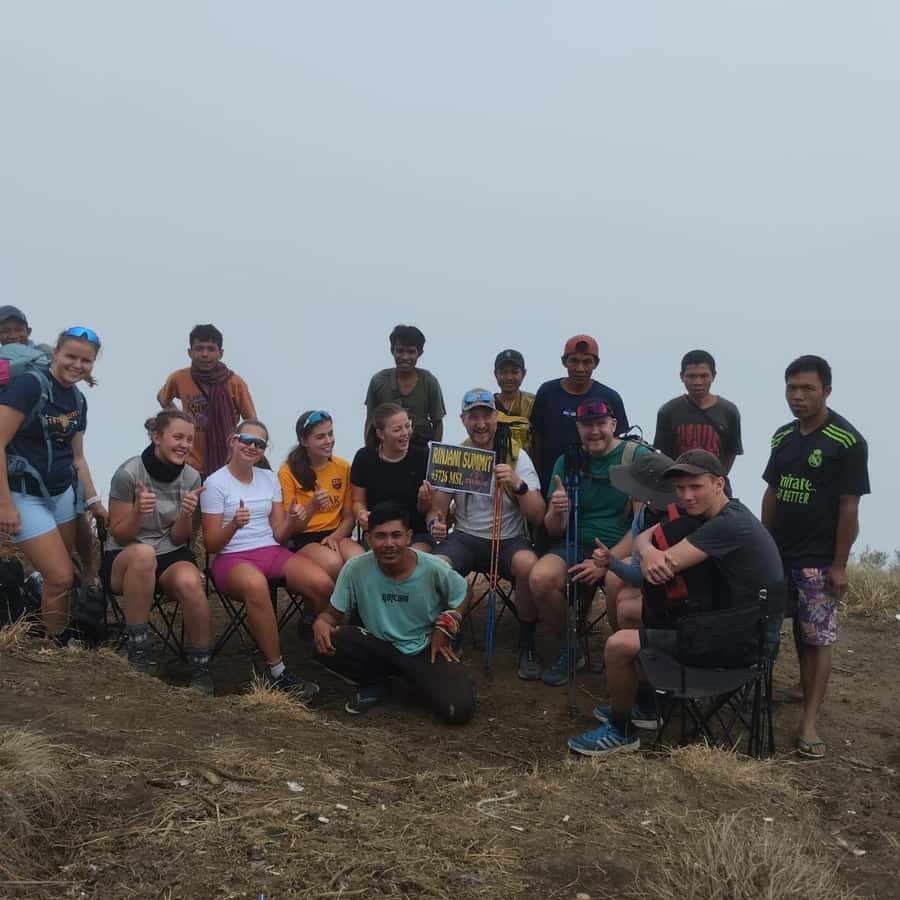
Day 1 is about getting altitude and effort in your legs early. You’ll hike with a local English-speaking guide and local porters, and you’ll feel the difference right away: the guide’s job isn’t just direction, it’s pacing. That pacing matters because Rinjani punishes overconfidence. If you go out too fast, you pay for it during the later sections.
Meals start during the trek—breakfast, lunch, and dinner—plus extra snacks and water between meals. This is one of those included details that sounds normal until you’re halfway up a slope with shaky energy. Having snacks timed for breaks helps you keep moving without turning every stop into a full recovery session.
You’ll also carry a daypack, not your whole world. That’s where the included porter support is a big value play. If you show up ready to do the climbing portion and let the crew help with gear, your day feels more like a climb and less like a moving day.
Night on the mountain: tents, toilet tent, and smart sleep prep
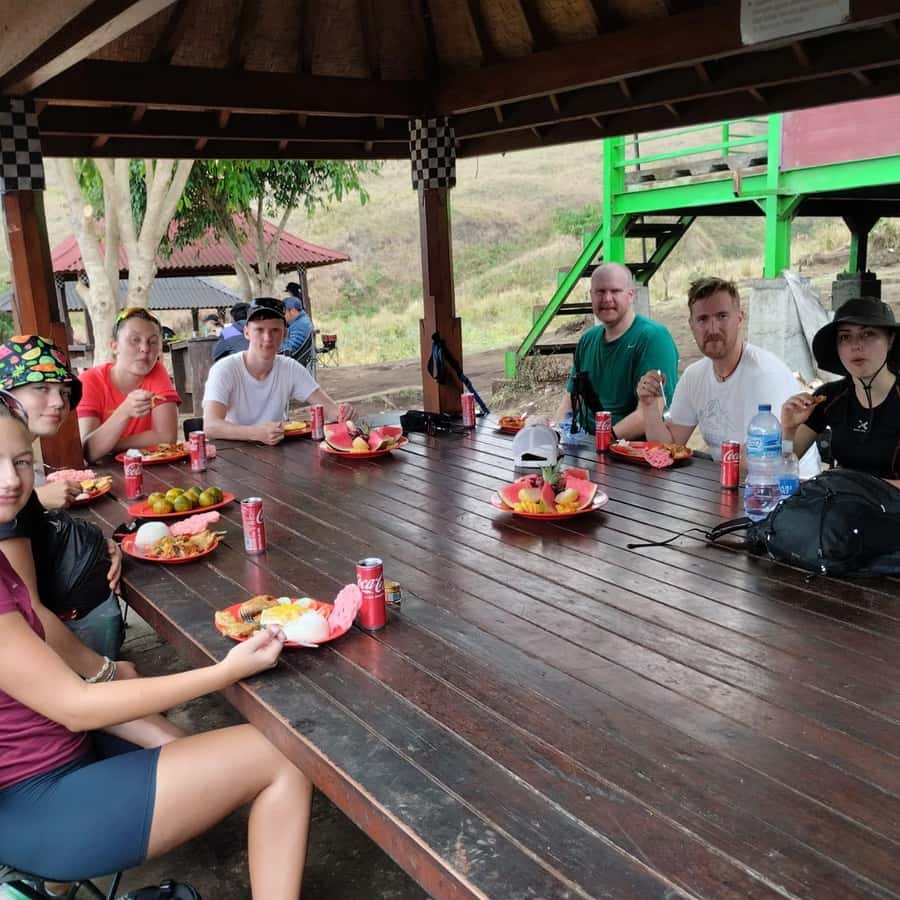
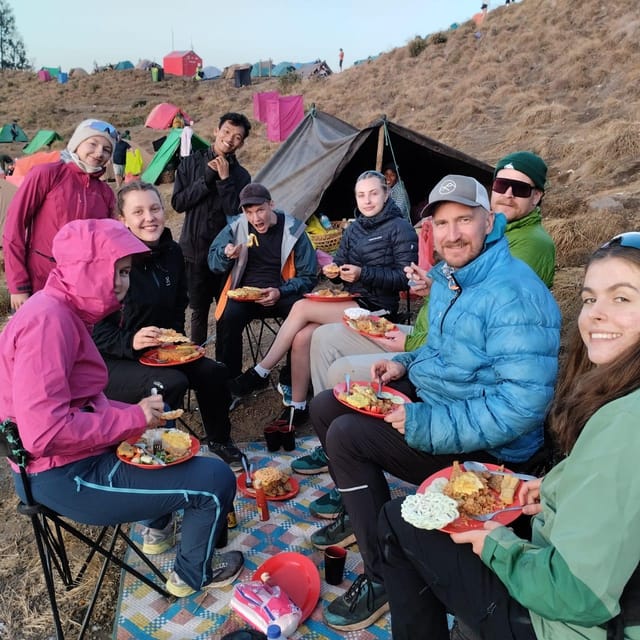
Overnight on the mountain is part of the package. You’re not just hiking and leaving. You camp, you eat dinner, and you get ready for the second day summit attempt.
The included equipment is what makes this manageable: tents, toilet tents, and mattresses are provided. That reduces the “buy gear or suffer” problem that can ruin a trek for first-timers. Still, sleep on a volcano is not the same as sleep at home. Expect colder temps and less-than-perfect conditions, even with a mattress.
I’d bring clothes that can get dirty and plan on a change of layers for after hiking. A charged smartphone is useful for photos, but also consider conserving battery if you’ll be using it in cold conditions.
Practical tip: keep your flashlight/headlamp accessible. Darkness makes everything harder, especially if you need the toilet area or want to organize your gear before an early push.
Day 2 summit push: where effort meets discipline
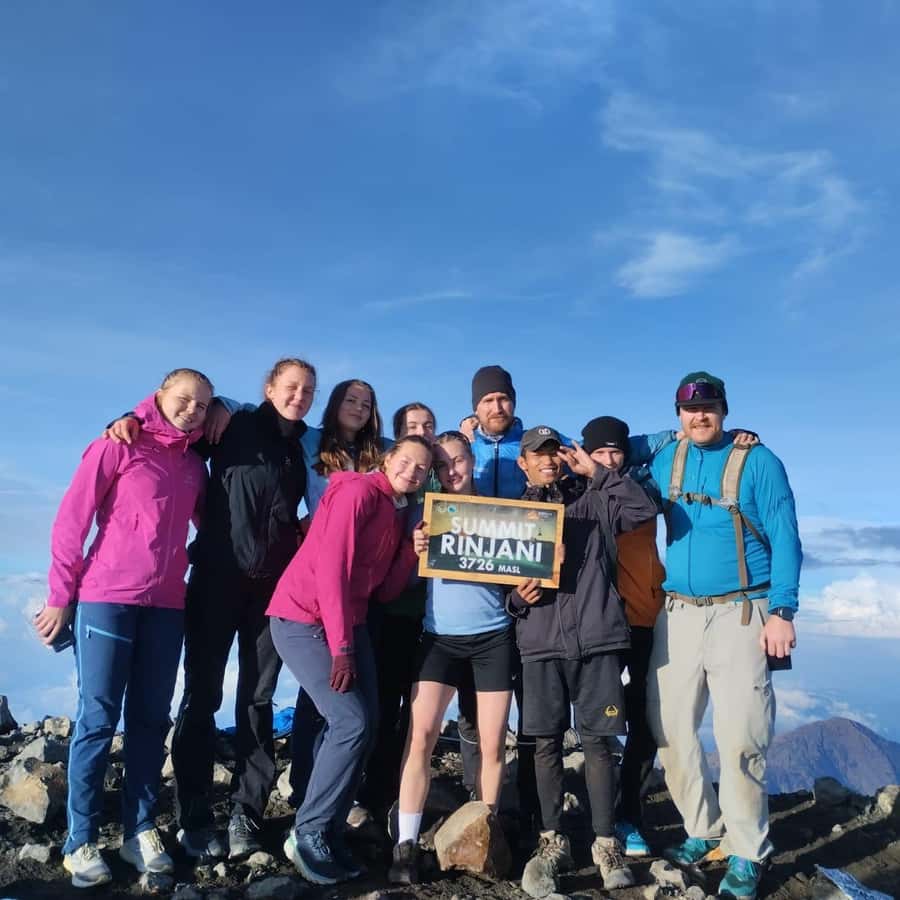
The summit day is the one you remember. The final ascent is really hard, and some people don’t make it. That’s not a failure. It’s the mountain doing what it does. If you’re going in expecting a guaranteed top photo, you’ll be disappointed.
So what actually helps? A good guide sets a realistic rhythm. Guides like Apok, and other leaders named Ijan and Arif in past trips, are described as fun, helpful, and attentive to the group’s condition. The vibe you want is consistent: stop when needed, keep going when possible, don’t gamble with energy.
Also, start thinking about timing and energy early. You’ll have meals and extra snacks during the trek, and that support is there for a reason. On summit day, you need steady fuel, not just one big meal.
The descent is also part of the ordeal. Even when the summit feels like victory, your knees and feet still have work to do. Trekking poles can help a lot, but poles aren’t included—so if you rely on them, pack or rent ahead of time.
Meals and snacks on Rinjani: the unglamorous part that saves the day
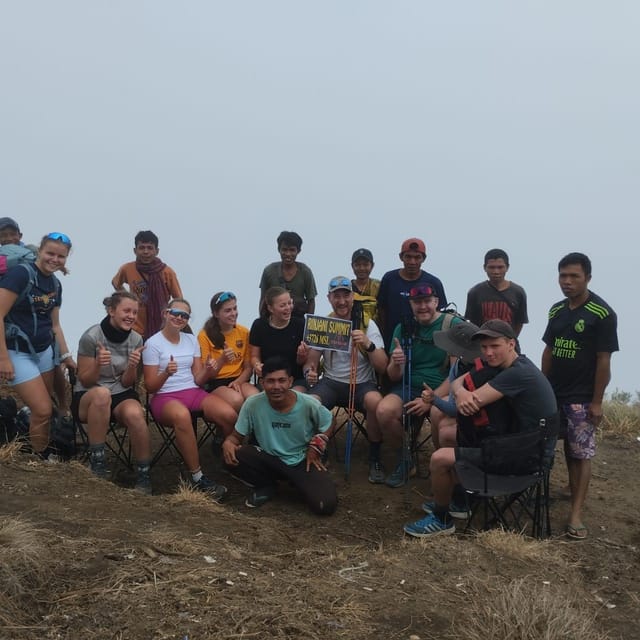
This trek includes meals during the climb: breakfast, lunch, and dinner, plus extra snacks, water, and cooking gear for the team. Food on summit treks is not a luxury; it’s a performance tool.
Here’s why it matters: Rinjani is challenging enough that poor energy management becomes a safety issue. Snacks between meals help you avoid the crash that makes you slow down or stop too often. And water access helps keep you functioning, even when you’re tired and breathing harder than you want.
One more thing: people often don’t expect mountain food to be tasty. The good news is that the meals are described as yummy and satisfying on the climb, which makes the whole experience feel less like suffering and more like an adventure you can survive comfortably.
Guides and porters: why this company’s crew makes a difference
A summit trek is only as good as the people running it. Star Rinjani includes a local English-speaking guide and local porters, and the role split is clear: the guide focuses on route and pacing, while porters handle a lot of the gear burden.
In past trips, you’ll see names like Apok (described as a lot of fun), Ijan (helpful and sweet), Salma (praised as a perfect, helpful leader), and Arif (trying to solve tent zipline issues when problems popped up). That mix tells you something important: the crew is active, not passive. They help, adjust, and solve problems in real time.
Porters also matter for comfort. When they carry the heavy things, you can focus on the climbing. It turns the trek into a hike with support, not a survival test.
Price and value: is $126 per person really fair?
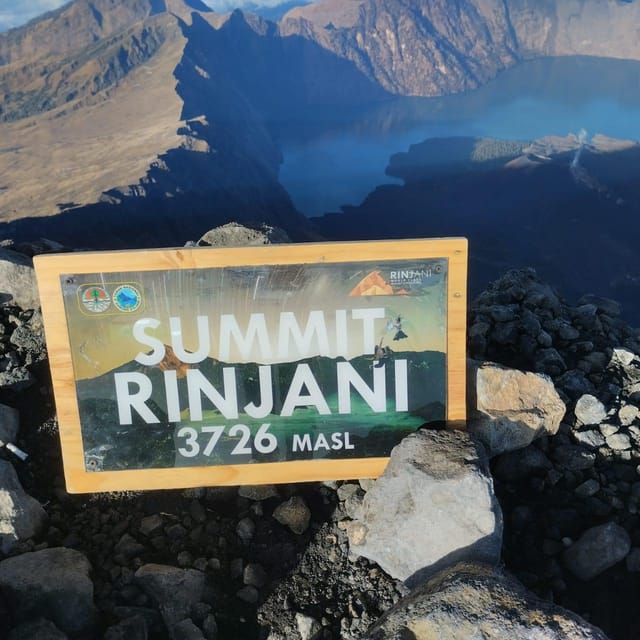
At $126 per person, the value comes from what you don’t have to source or pay separately. You’re getting:
- hotel pickup included
- English-speaking guide and local porters
- trekking insurance
- trekking equipment like tents, toilet tent, and mattresses
- meals (breakfast/lunch/dinner) plus extra snacks and water
- cooking gear, plus storage and parking support
If you’ve priced volcano treks before, you know a lot of companies nickel-and-dime for gear and food. Here, the key basics are folded into the price, which makes it easier to plan a budget without guessing what you’ll need to buy once you arrive.
The trade-off is that some practical items are on you: trekking poles, headlamp/flashlight, and clothing layers aren’t included. Also, transportation after the trek isn’t included. So you’ll want to factor in your own return ride.
Still, for a guided summit trek with camping support, $126 can be a strong deal—especially if you’re traveling light and you want the structure.
What to bring (and what you’ll have to borrow)
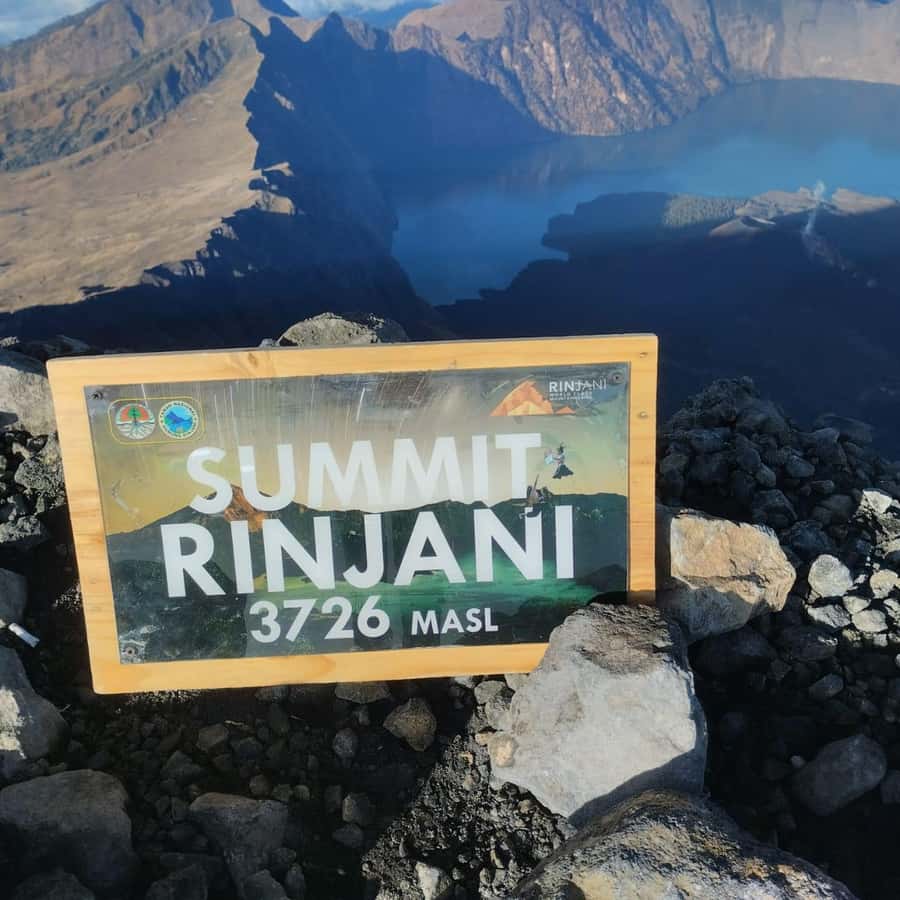
Use the included gear as your baseline, then plan for the items not provided. You should bring:
- comfortable shoes made for steep, dirty ground
- change of clothes
- clothes that can get dirty
- a daypack
- camera
- cash
- charged smartphone
- flashlight (headlamp-style is best)
- simple layers you can keep moving in
What’s explicitly not included:
- trekking pole
- head light/flash light
- jacket and clothing
One easy mistake: people show up assuming the camp gear covers comfort. It doesn’t replace personal clothing choices. On a summit trek, your best friend is the ability to layer up and adjust fast.
Also, alcohol and drugs aren’t allowed. That’s not just a rule; it’s a safety and risk decision when you’re hiking high and tired.
Who should skip this trek, and who should train first
This trek isn’t for everyone. It’s not suitable for pregnant women, people with altitude sickness, or anyone with low fitness.
Here’s how to think about it as “realistic preparation,” not fear. If you can handle long steep walks at home, and you can keep moving when you’re tired, you’ll stand a better chance. If you’re recovering from injuries or you haven’t done recent hiking, you should train before you go.
Altitude is the silent variable. Even with guide pacing and snacks, altitude can hit harder than your legs expect. If you’ve had altitude issues before, don’t gamble.
And if you’re the kind of person who hates discomfort, this may be a rough match. But if you like hard travel with real rewards, it can be exactly your thing.
Seasonal closure: January to March means you need a plan
Rinjani trekking is closed in January, February, and March due to the rainy season. That’s a big factor for planning. If your trip lands in those months, you’ll need alternate dates or a different activity.
Rainy season also changes trail conditions and safety margins. So it’s not just weather; it’s access and risk management.
If you’re flexible with dates, you’ll usually have better odds of a clear path and less chaos in logistics.
Booking reality check: what to confirm before you commit
Before you book, I’d confirm a few practical points so the trek fits your travel style:
- Your pickup location and start time window
- Whether you want any additional help renting items you don’t have (some guests mention support for equipment)
- What your plan is after the trek, since drop-off after the trek isn’t included
Also check the gear you’re counting on. The trek provides camping equipment and toilet tent basics, but you still need your own shoes, flashlight, and clothing layers.
Do that, and the rest becomes the kind of simple plan that hiking lovers crave.
Should you book this Mount Rinjani summit trek?
I’d book this if you want:
- a guided summit attempt with a small group
- English support and local porters
- meals and snacks that help you keep moving
- camping gear included so you don’t have to overpack or overpay for basics
I wouldn’t book it if you:
- are pregnant, have had altitude sickness before, or you’re not confident in your fitness
- need guaranteed summit success
- can’t handle tough climbing and the long day of effort
If you go in with realistic expectations—work hard, listen to the guide, and bring the right gear—you’ll get a trek that feels like a real accomplishment, not just a box-check tour.
FAQ
How much is the Mount Rinjani 2-day 1-night guided summit trek?
The price is $126 per person.
What’s included in the trek package?
It includes hotel pickup from selected hotels, trekking insurance, an English-speaking local guide, local porter(s), trekking equipment like tents and toilet tents plus mattresses, meals (breakfast, lunch, and dinner), extra snacks, and water. It also includes overnight stay on the mountain and cooking gear, along with parking area and storage room.
How big is the group?
The group is limited to 4 participants.
What should I bring for the hike?
Bring comfortable shoes, a change of clothes, clothes that can get dirty, a daypack, cash, a camera, a charged smartphone, and a flashlight.
Is the trek suitable if I have altitude sickness or I’m pregnant?
No. The trek is not suitable for pregnant women or people with altitude sickness, and it’s also not recommended for people with low fitness.
Are Mount Rinjani treks available in January, February, or March?
No. January, February, and March are closed for Rinjani trekking because of the rainy season.