REVIEW · LOMBOK
3 Days Tour in Mount Rinjani Summit with Lake Hiking
Book on Viator →Operated by Rinjani Trekking Center · Bookable on Viator
Rinjani sunrise starts before most people wake. This 3-day trek is built around a summit push (3726 m) and Segara Anak Lake, plus two crater-rim viewpoints that make the effort feel worth it.
What I really like is how organized the team is once you’re on the mountain—camp setup, timing, and safety talk are handled by guides such as Jake and Anton (names you might see depending on your group). One consideration: the schedule is intense, including early pickup around 4 am and a 2 am start for the summit, so you’ll want solid fitness and realistic expectations for long uphill hours.
In This Review
- Key Things That Make This Rinjani Trek Worth Your Time
- Why This 3-Day Mount Rinjani Summit and Lake Trek Works
- Meeting Up in Lombok: 4 am Pickup, QR Trek Pass, and What to Expect
- Day 1: Senaru Village to Sembalun Grasslands and Pelawangan
- Day 2: The 2 am Summit Attack, Segara Anak Lake, and Crater Rim Senaru
- Day 3: Senaru Village Descent, Post 1 Rest Stops, and Finishing on Time
- Camping Setup and Meals: The Stuff That Makes Hard Days Feel Possible
- Price and Value: What $170 Covers (and What Costs Extra)
- Who This Trek Suits (and Who Should Rethink It)
- Book It or Skip It: My Practical Recommendation
- FAQ
- FAQ
- What time is pickup for this Rinjani trek?
- How many people are in the group?
- What are the main highlights of the 3-day experience?
- Is this tour suitable for beginners?
- What gear is included in the price?
- What personal items are not included?
- Is there trekking insurance included?
- What if the weather is poor or I need to cancel?
Key Things That Make This Rinjani Trek Worth Your Time
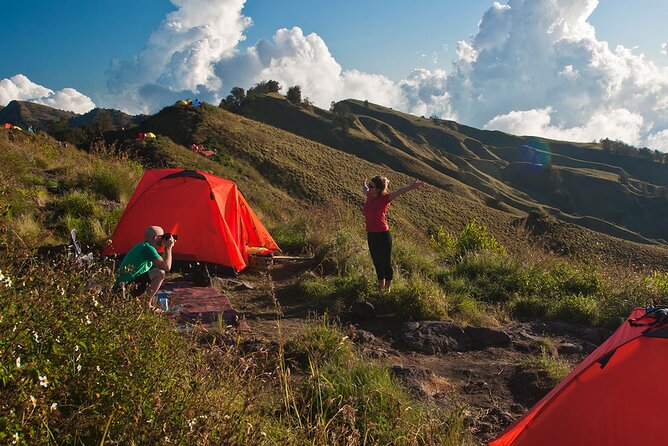
- Sunrise summit timing: A very early climb for that cross-island view at the top
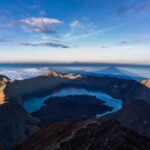
- Segara Anak Lake at the crater’s edge: Volcanic caldera vibes with big payoff views
- Crater rim camps and multiple angles: You see the lake from more than one dramatic direction
- Small group (max 6 travelers): More personal attention and easier pacing
- Camping gear and meals included: Tents, sleeping gear, breakfast/lunch/dinner, and camp supplies are part of the value
- Route flexibility if needed: You can sometimes shorten the hike if you’re not comfortable
Why This 3-Day Mount Rinjani Summit and Lake Trek Works
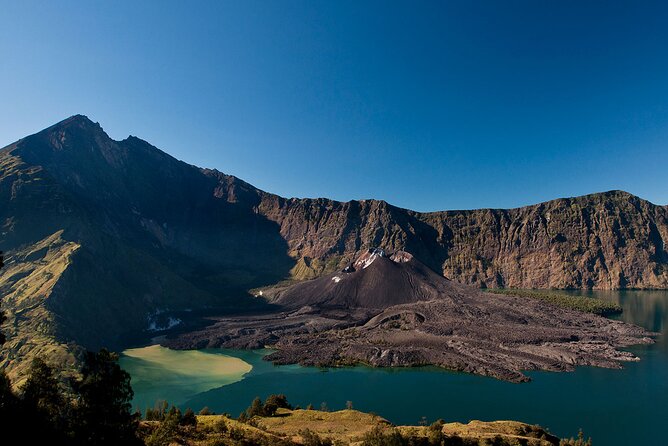
Mount Rinjani is not a “walk in the park” kind of volcano. Still, this trek feels like it has a clear rhythm: climb early, reach the big moments, then descend into calmer crater paths with time to rest and reset.
The real strength here is the mix of experiences. You get the emotional hit of a summit sunrise, the visual reward of Segara Anak Lake, and crater-rim views from Senaru and Sembalun directions. It’s the kind of route that helps you see how the mountain changes mood—cold and steep on the way up, then surreal and open once you’re higher in the caldera.
Price is also fairly grounded for what’s included. For $170, you’re not just paying for a guide; you’re paying for the whole moving system: transport, camp gear, meals, entrance fees, and trekking insurance.
Meeting Up in Lombok: 4 am Pickup, QR Trek Pass, and What to Expect
The trek starts with an early-morning pickup in Lombok, West Nusa Tenggara. Plan to arrive on Lombok at least the day before because pickup can be around 4:00 am, depending on where your hotel is.
When you arrive, you’ll check in at the local office and meet the guide and crew for a trekking briefing. You’ll also handle the paperwork side before hiking begins—there’s a mention of a medical card and a QR code tied to your trekking pass, collected during the Sembalun registration process.
Two small practical points matter a lot on Rinjani:
- You’ll be outside for long hours, often in low light. Warm layers help.
- You’re dealing with altitude and steep ground. If you’re unsure, go slower than you think you should.
This is also a group format with up to 6 travelers, so the guide can manage pacing without the group feeling chaotic.
Day 1: Senaru Village to Sembalun Grasslands and Pelawangan
Day 1 starts in Senaru Village. Your driver transfers you directly there, and you check in, get breakfast, and do a trekking briefing with the guide and crew. There’s also an admission ticket included for that first segment.
Then you head toward Sembalun Village, with a drive of about 45 minutes. Sembalun is where you’ll do national park registration and get the trek pass flow sorted, including that QR code process. After that, the hiking begins.
The first walking stretch is described as a gentle ascent through village areas and farm land. Then it opens into the savanna-like grassland area used for cattle grazing by locals. This section matters because it helps you warm up without immediately going vertical. It’s also where you start getting that wide-open feeling—big views over Sembalun hills, with the mountain already looming over the horizon.
You’ll walk for around 8 hours to Pelawangan Sembalun. That “long but not yet brutal” pacing is useful. You’re building endurance for what comes next on Day 2.
A possible drawback on Day 1: it can still feel like a lot, since 8 hours adds up, even if the climb starts gentle. If you’re new to trekking, you’ll want to keep your effort controlled and let the guide’s pacing do the work.
Day 2: The 2 am Summit Attack, Segara Anak Lake, and Crater Rim Senaru
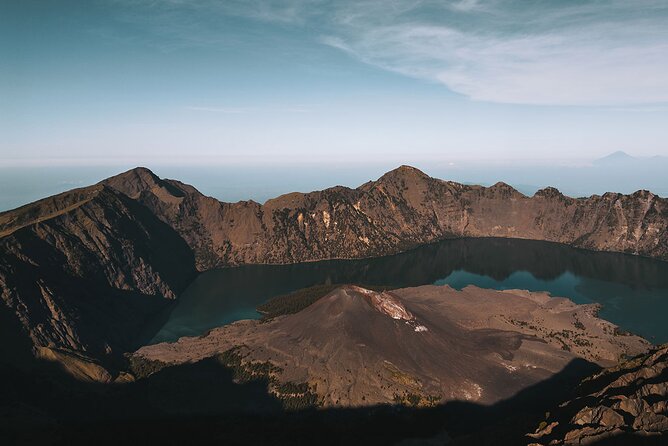
Day 2 is the day most people remember forever—because it’s the hardest and most dramatic. You’ll be ready at 2:00 am for the summit push, with a climb that takes about 3 to 3.5 hours to reach the summit at 3726 m.
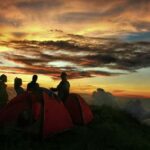
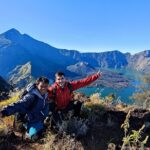
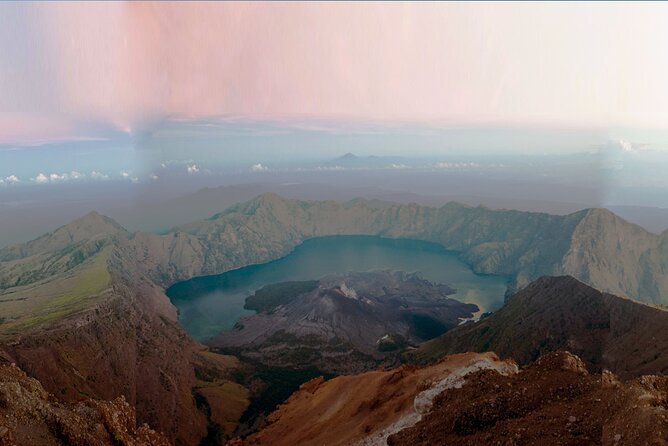
Once you get up there, the emphasis is on sunrise and the feeling of accomplishment. The view is described as sweeping across the Wallace Line toward Bali, including Mount Agung on a clear morning. Even if you don’t plan your photos, just standing there is the payoff: cold air, thin patience, then suddenly a huge world opens.
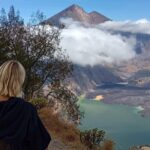
After the summit moment, you descend toward Segara Anak Lake. Expect around 2 to 2.5 hours down to the lake area. This part is visually rewarding because you look across the valley with Mount Sangkareang to the west of Rinjani National Park.
Once at the lake, porters are part of what makes the day feel manageable. Your group gets camp setup support—plus you eat, rest, and transition to the next climb.
By around 14:00, you leave the lake area and start ascending again toward Crater Rim Senaru. This climb is roughly 2 to 3 hours, and you’re expected to arrive before sunset so you can enjoy the lake views from the crater rim. It’s the same lake, but a new perspective—one side of the caldera to another.
This day also includes hot spring water as part of the overall trek offering. The schedule details on exactly when it happens aren’t laid out here, but you should expect a “recovery moment” involving warm water somewhere within the route flow.
Real talk drawback: a 2 am start can mess with your mood if you’re not mentally prepared. Bring patience, not speed. The team can also support route adjustment if needed, including shortening the hike if you don’t feel comfortable.
Day 3: Senaru Village Descent, Post 1 Rest Stops, and Finishing on Time
Day 3 begins after breakfast with the descent back to Senaru Village (listed at 601 m). The walk is described as about six hours with rest stops along the way.
Lunch is prepared during the descent at an extra post point (Post 1 extra). The trek ends at the Rinjani trekking center office after your descent.
This last day is where you decide what kind of tired you are. If you managed pacing well on Day 1 and didn’t sprint Day 2, Day 3 often feels like a steady downhill grind. If you went too fast earlier, every step can feel louder. Either way, you’ll finish with the kind of satisfaction that comes from getting off the volcano and back into village life.
Camping Setup and Meals: The Stuff That Makes Hard Days Feel Possible
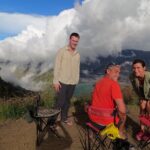
This trek includes the main camp basics: tents, sleeping bags, a mattress, pillow, and camp seating like a chair and table. There’s also a toilet tent, which is not glamorous, but it beats improvising.
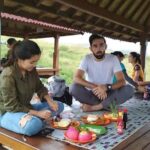
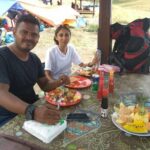
Meals are included for multiple days: breakfast (3), lunch (3), and dinner (2). There’s also snack and soft drink support during the trek.
What the guide-and-porter setup really buys you is stress reduction. You’re not hunting for extra gear or figuring out camp logistics in the dark. The crew’s job is to move equipment, manage camp timing, and keep you fed. On similar treks, the difference between “hard” and “manageable” is usually camp efficiency and how well the guide reads the group’s energy. Here, that’s a major theme, and it shows in the way people describe feeling safe and looked after.
One more nice detail: guides you might meet include people like Sap, Joe, and Ardi (names shared with this trek experience). You may also have a guide with a calm, patient style that keeps you focused when the summit feels relentless.
Price and Value: What $170 Covers (and What Costs Extra)
The listed price is $170 for about 3 days. For many trekkers, the value question is simple: do you get enough included that you’re not paying again and again?
Here’s what you can count on being included:
- Return transport in the Lombok mainland area
- Guide and porter support
- Entrance fees and trekking insurance
- Trekking certificate
- Camping gear (tent, sleeping bag, mattress, pillow, toilet tent)
- Meals (breakfast/lunch/dinner) and snack/soft drink
What’s not included:
- Personal gear like shoes, jacket, and trekking poles (you can rent gear for $5 USD)
- Tips for the crew (not mandatory)
This is where the value gets real. Gear rental costs are usually small compared to what you’d spend on flights, and you’re not paying extra for the camp system itself. At the same time, the trek is physically demanding, and paying $170 doesn’t change altitude. If you’re not ready for early mornings and long walking days, you may end up wishing you’d trained more.
Who This Trek Suits (and Who Should Rethink It)
This package is designed for experienced trekkers. That doesn’t mean beginners are banned, but the information here also notes that it’s possible for really beginner participants only on a private package.
So, if you’re evaluating this for yourself, use this checklist:
- You can handle early starts and long hiking hours (Day 1 is about 8 hours; Day 2 includes a summit push plus lake and another climb).
- You accept that you’ll be on cold, high ground for parts of the day.
- You’re comfortable with the idea that the route can be adjusted if you’re not feeling well.
If you have a solid fitness baseline and you like clear milestones—summit sunrise, lake time, rim views—this trek fits well. If you dislike steep days or you’re still learning how your body reacts to altitude and back-to-back hiking, you’ll likely enjoy Rinjani more with a gentler plan.
Book It or Skip It: My Practical Recommendation
I’d book this if you want a real Rinjani summit-and-lake experience and you like having your logistics taken care of. The included camping gear, meals, insurance, and the small group size help you focus on the hike instead of juggling details.
I’d think twice if you’re fragile about sleep, already have knee or breathing limitations, or you’re hoping for a relaxed vacation pace. The early 2 am summit start is a defining feature, not an optional extra.
If you decide to go, prepare like you mean it. Bring whatever personal gear you’ll need for cold and traction, and set your expectations: the mountain rewards patience more than speed.
FAQ
FAQ
What time is pickup for this Rinjani trek?
Pickup starts around 4:00 am, depending on your hotel location. You should be in Lombok at least the day before the trek.
How many people are in the group?
The trek has a maximum of 6 travelers.
What are the main highlights of the 3-day experience?
You’ll visit crater rim areas (including Sembalun and Senaru), reach the Mount Rinjani summit (3726 m), hike to Segara Anak Lake, and the trek includes a hot spring water stop.
Is this tour suitable for beginners?
It’s designed for experienced trekkers. The information notes it’s possible for really beginners on a private package.
What gear is included in the price?
The package includes camping gear such as a tent, sleeping bag, mattress, pillow, chair, table, and a toilet tent. Guide and porter services are also included.
What personal items are not included?
Personal gear like shoes, jackets, and trekking poles is not included. You can rent trekking gear for $5 USD.
Is there trekking insurance included?
Yes. The package includes trekking insurance.
What if the weather is poor or I need to cancel?
This experience requires good weather. If it’s canceled due to poor weather, you’ll be offered a different date or a full refund. If you cancel for any reason, it is non-refundable and cannot be changed.