REVIEW · KYOTO
Kyoto Hiking Tour: The Nature and Legends of Kurama and Kibune
Book on Viator →Operated by Trip Designer Inc. · Bookable on Viator
Kurama and Kibune feel like Kyoto’s quieter side. This private hiking tour takes you into the mountain world behind the city—past shrines, forests, and misty legends tied to Reiki—with a guide to keep the day organized and meaningful.
What I like most is how this tour turns a potentially confusing trek into something smooth: door-to-door hotel pickup/drop-off plus a private English-speaking guide. A second big win is the way admission is included for key temple stops, so you’re not stopping to figure out tickets and payments mid-hike. The only thing to consider: expect a lot of stairs and uneven ground, so you’ll want solid footwear and a realistic pace (and you’ll still be fine if you need frequent breaks).
If you’re picturing a leisurely stroll with zero effort, this is not that. The route is manageable for many people—but you should go in knowing it involves climbing up and down, and the mountain weather can change fast.
In This Review
- Key Things I’d Put at the Top
- A Reiki-Rooted Hike That Feels Like Real Kyoto
- Door-to-Door Pickup: The Logistics That Actually Matter
- Stop 1: Yuki Shrine and the Story of the Moved Sacred Tree
- Stop 2: Mount Kurama and the 21 Days of Reiki
- Stop 3: Kurama-dera, the Forest Walk, and a Major Shrine
- Stop 4: Okunoin Maoden and the Demons-in-the-Mountains Feeling
- Stop 5 and Stop 6: Kifune Shrine’s Water, Rain, and a Goddess’s Boat
- How Hard Is This Hike? Stairs, Uneven Ground, and a Pace That Can Flex
- Weather Can Change the Day (But the Plan Isn’t Rigid)
- Price and Value: Why $191.60 Can Make Sense
- Guides: The Human Factor You’ll Actually Feel
- What to Bring for a Smooth Kurama–Kibune Day
- Who Should Book This, and Who Might Prefer Something Easier?
- Should You Book the Kyoto Hiking Tour to Kurama and Kibune?
- FAQ
- What time does the Kyoto Kurama and Kibune hiking tour start?
- How long is the tour?
- Is hotel pickup and drop-off included?
- Are temple visits and entrance fees included?
- Is lunch included?
- Do I need moderate fitness for this hike?
Key Things I’d Put at the Top
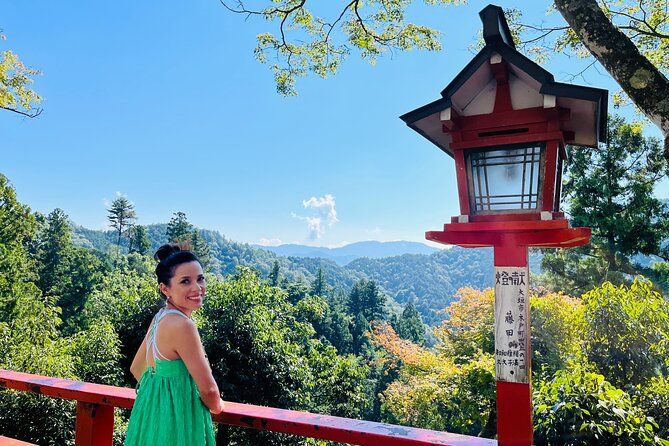
- Door-to-door pickup means you start hiking without wasting time navigating Kyoto transit on your own
- Reiki origin stories at Mount Kurama connect the spiritual theme to a specific place and a real historical tradition
- Temple access without ticket hassle for the included stops keeps the schedule fluid
- A private guide who adjusts to your speed shows up again and again in guide feedback
- Kifune’s water-and-rain shrine legends add variety after the Kurama mountain portion
- Photography included so you come home with more than just sore-leg selfies
A Reiki-Rooted Hike That Feels Like Real Kyoto
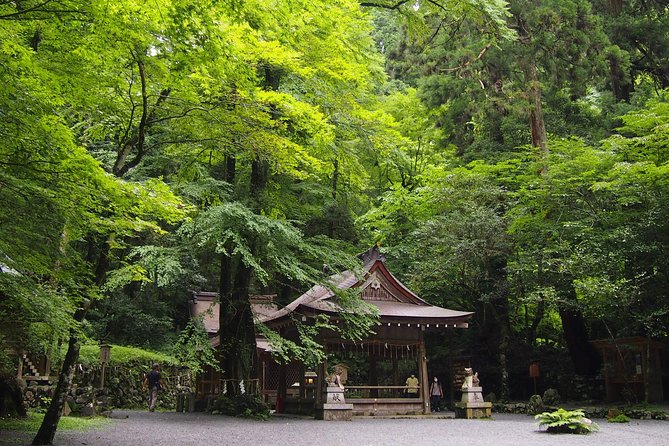
This is the kind of day trip that swaps temple crowds for mountain calm. The “big theme” is spirituality, but it’s not abstract. Mount Kurama is presented as the birthplace of Reiki, tied to Mikao Usui’s 21-day meditation described in the tour background—so you get a story with a physical setting, not just a museum-style talk.
Then the day keeps shifting gears. You’ll move from shrine to shrine—Yuki Shrine, Kurama-dera, Okunoin Maoden, and then down toward Kifune for the water-and-rain worship tradition. That mix matters because it keeps the hike from feeling like one long, repetitive climb.
You can also read our reviews of more hiking tours in Kyoto
Door-to-Door Pickup: The Logistics That Actually Matter
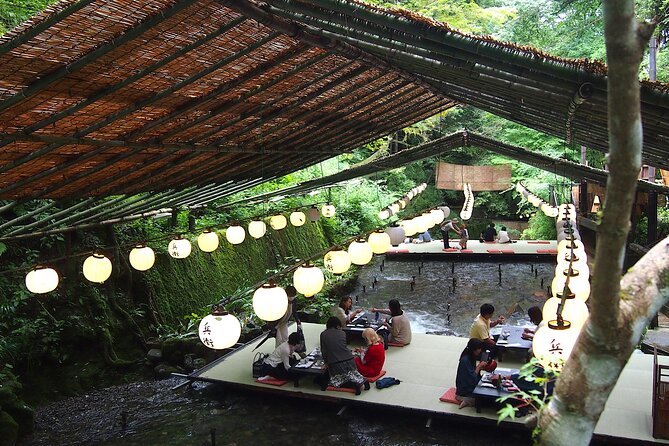
Kyoto is great, but it’s also easy to lose time. This tour saves you from the common problem: getting yourself to the start point, then working out how to return. Pickup and drop-off are offered from the Kyoto urban area and the Kurama area, which is a big deal if you’re trying to keep the day tight.
It’s also a private tour/activity, meaning only your group participates. I like this for two reasons: your guide can set a pace that fits your group, and the day feels less like a conveyor belt. You even get photos of tour participants included, which is a small detail that can make the day feel more complete.
Stop 1: Yuki Shrine and the Story of the Moved Sacred Tree
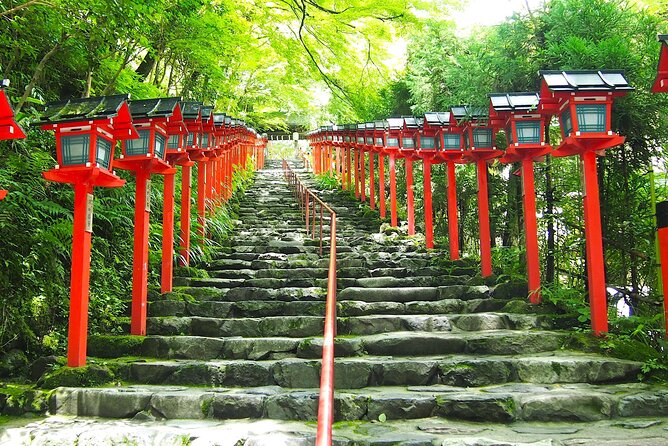
You start at Yuki Shrine for about 20 minutes, with admission included. The key thing here is the backstory. The shrine was originally built in central Kyoto, then moved to Kurama in 940 AD to protect the area from mysterious evil. That “relocation” detail gives you a sense of why these mountain places mattered historically.
The standout feature is an 800-year-old cedar tree. It’s the sort of object that makes time feel tangible. Even if you’re not the type to chase every shrine photo, this cedar is one of those stops where you’ll want to slow down and look at the details.
One practical note: it’s a short stop, but it’s also an emotional warm-up. If your group likes understanding the meaning of sites (instead of just checking them off), this is a strong opening.
Stop 2: Mount Kurama and the 21 Days of Reiki
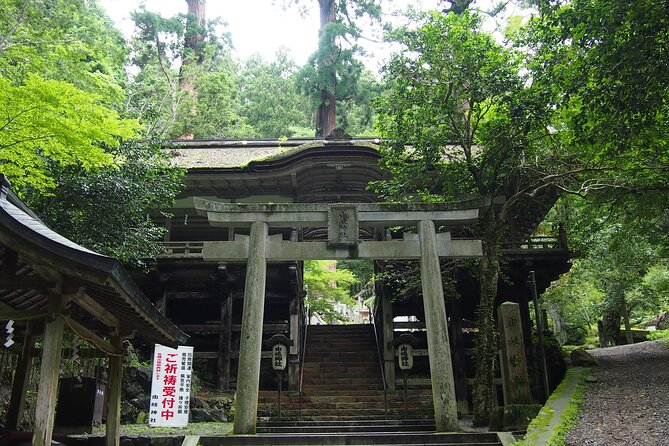
From Yuki Shrine, the tour moves into the Mount Kurama area for about an hour. Admission is listed as free for this stop. The emotional “center” of the day is here: Mount Kurama is described as the birthplace of Reiki.
According to the tour’s story, founder Mikao Usui meditated for 21 days on the mountain in the early 1900s and received Reiki healing energy. Even if you’ve never heard of Reiki before, it’s easy to understand why people care about this place. You’re walking and pausing in a setting that’s tied to a specific timeline and practice, not just a general spiritual vibe.
This part of the day is also where you start to feel the mountain atmosphere more strongly: cooler air, quieter surroundings, and the sense that you’ve stepped away from the city’s pace.
Stop 3: Kurama-dera, the Forest Walk, and a Major Shrine
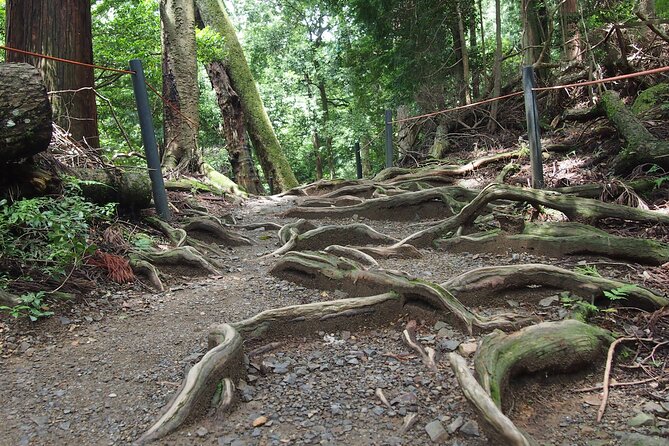
Next comes Kurama-dera, reached after a pleasant 25-minute walk through the forest. The time allocation for the stop is about 45 minutes, and admission is included for this temple stop.
Kurama-dera is described as being founded in the 8th century, which makes it one of the more historically grounded stops of the day. I like this combination—because your hike is still active, but you’re rewarded with a site that gives the day depth.
Drawback to watch for: forest walking plus stairs can feel like more than it sounds on paper. If you’re prone to knee fatigue, plan to take it slow. The best approach is to treat this section as “steady effort,” not “race the group.”
Stop 4: Okunoin Maoden and the Demons-in-the-Mountains Feeling
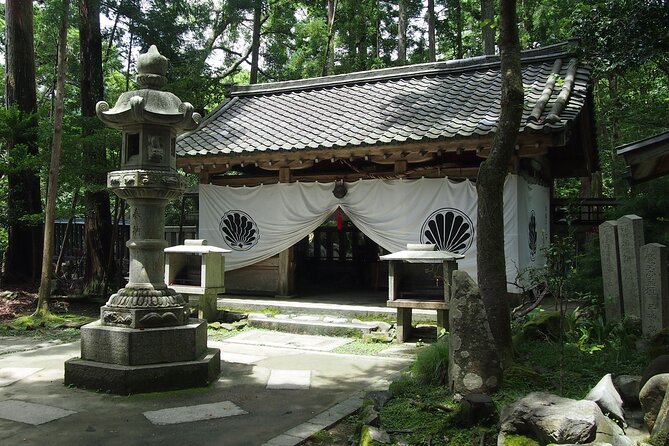
Okunoin Maoden is a quick stop (about 10 minutes), but it’s described as deep in the mountains and “where demons reign,” with a mysterious feeling. Admission is included.
Short stops like this are great on a hike day: they break the pattern without stealing time. This one also adds contrast after Kurama-dera. Instead of focusing on history alone, it leans into atmosphere—what the place feels like in the mountains, and how folklore heightens that feeling.
If you enjoy eerie stories and shrine symbolism, you’ll probably remember this segment more than you expect.
Stop 5 and Stop 6: Kifune Shrine’s Water, Rain, and a Goddess’s Boat
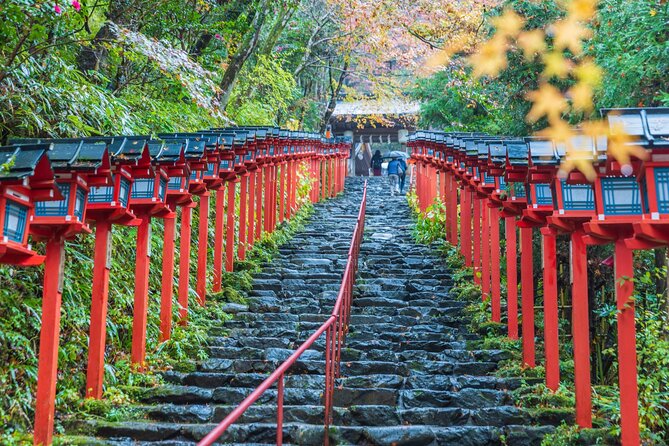
Now the tour shifts toward Kifune Shrine, with two separate stops totaling about 55 minutes. This is where the theme changes from mountain meditation energy to water-and-rain worship.
At the first Kifune Shrine stop (about 30 minutes), the shrine is described as a place for sailors to pray for luck on voyages. It’s dedicated to the God of water and rain. There are also places where you can drink pure mountain water fresh from the source, which is one of those travel details that makes the shrine feel alive rather than purely decorative.
The second Kifune stop (about 25 minutes) focuses on the inner shrine. Here, the legend says a goddess traveled by boat from Osaka up the river into the mountains, and the inner shrine houses the boat she rode in. That’s a very Kyoto-style mix of nature + myth + built space, and it gives you a satisfying final “story payoff” after the Kurama side.
How Hard Is This Hike? Stairs, Uneven Ground, and a Pace That Can Flex
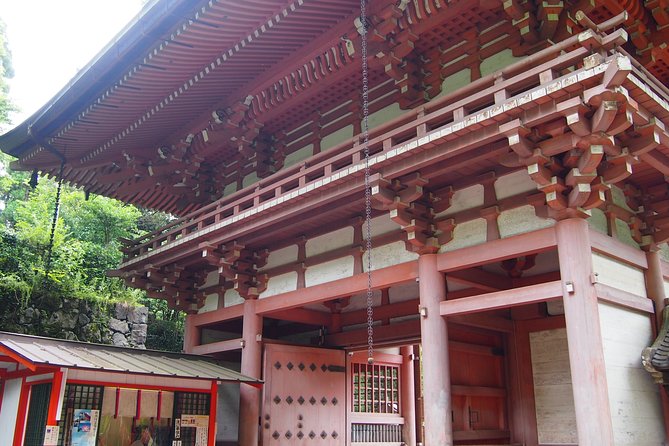
The big reality check: this is not a flat walk. Even though the total hiking portion isn’t described as extreme by time alone, expect a lot of steps up and down and some uneven surfaces. That’s exactly the kind of terrain that can slow you down if you’re not ready.
At the same time, the guidance trend is clear from the tour feedback: guides tend to pause often, and they’ll adjust your walking pace. Many people find it doable because the group isn’t just “walking nonstop.” It’s more like frequent stops with meaningful breaks.
If you’re deciding whether you can handle it, think in terms of stamina for steps and balance on uneven ground—not speed. I’d also take seriously the fact that the tour is marketed for travelers with moderate physical fitness. If you’re comfortable on stairs and can step carefully on rough footing, you’ll likely feel good about your choice.
Weather Can Change the Day (But the Plan Isn’t Rigid)
This experience requires good weather. If conditions are poor, you’ll be offered a different date or a full refund. That matters because a mountain shrine hike is sensitive to rain and slippery surfaces.
One practical plus: guides are shown to adapt when weather changes. In rainy conditions, the itinerary can shift toward shrines with easier access, and the guide will manage the situation so you still get meaningful stops rather than cancel everything. That’s the difference between a fragile plan and a day that stays useful even when nature doesn’t cooperate.
Pack for damp weather even if the forecast looks fine: comfortable shoes with grip and layers you can adjust.
Price and Value: Why $191.60 Can Make Sense
At $191.60 per person, this tour isn’t the cheapest option in Kyoto. But you’re paying for four things that add up fast on a day trip like this:
- Private, English-speaking guide for about 8 hours (approx.)
- Hotel pickup and drop-off from Kyoto urban area and the Kurama area
- Admissions included for the temple stops listed with included fees (with Kuramadera clearly covered)
- Built-in structure so you’re not wasting time figuring out transfers, entrances, and pacing
If you’d otherwise spend money on taxis or struggle with transit and logistics on your own, the price starts to feel more reasonable. I also think the value improves if your group includes anyone who likes stories and context, because the guide component is where the day becomes more than scenery.
Also, the tour is on average booked about 60 days in advance, which suggests it’s popular. If you know your dates, don’t wait too long.
Guides: The Human Factor You’ll Actually Feel
Even with a fixed route, the guide makes the difference between “we walked around shrines” and “we understood the place.” The tour team includes guides with a strong reputation for English and for making the stories connect to what you’re seeing. Names that show up in tour experiences include Mariko, Ryoma, Yuki, Etsuka Nakaba, Akira, Miyo, Miki, Akari, Mizuho, Michiko, and Yoji.
You’ll also notice a pattern: guides communicate clearly, explain history and religious movements, and adjust to the group’s needs. One recurring theme is that guides keep walking pace fair—helpful if you’re older, coming off jet lag, or just not in “legs of steel” mode.
What to Bring for a Smooth Kurama–Kibune Day
I can’t tell you exactly what you’ll need without seeing your fitness level, but I can tell you what makes this hike easier:
- Comfortable hiking shoes with grip for uneven surfaces
- A layer system (mountain air can feel cooler, and rain changes everything)
- Sunscreen or a hat if you’re visiting in clear weather
- A small day bag for water and what you might need at each stop
Lunch is not included, so plan to eat after you finish the main shrine portion. If you like, you can also bring a light snack for energy between stops.
Who Should Book This, and Who Might Prefer Something Easier?
This tour is a great match if you want:
- a spiritual-and-nature day that still feels grounded in real places
- a guided explanation of legends tied to Mount Kurama and Kifune
- help with logistics through hotel pickup/drop-off
- a private format where the day can fit your pace
You might want a different option if:
- you’re looking for a stroller-friendly level walk
- stairs and uneven footing are a concern
- you’re traveling with mobility limitations that make stepping carefully difficult
- you hate weather-dependent plans (this tour does require good weather)
That said, the hike isn’t described as extremely long, and guides seem used to helping a range of walking abilities manage the route.
Should You Book the Kyoto Hiking Tour to Kurama and Kibune?
I’d book it if you’re the type who enjoys connecting stories to where you stand. The Reiki roots at Mount Kurama, the cedar-tree history at Yuki Shrine, the 8th-century Kurama-dera, and the shift to water-and-rain legends at Kifune create a day with variety, not repetition. Add door-to-door pickup and included admissions for major stops, and you get a strong value proposition for an 8-hour private experience.
If you’re fit for stairs and you pack for changing mountain weather, this is one of those Kyoto days that feels like you stepped beyond the usual highlights.
FAQ
What time does the Kyoto Kurama and Kibune hiking tour start?
The start time is 9:00 am.
How long is the tour?
It lasts about 8 hours (approx.).
Is hotel pickup and drop-off included?
Yes. Hotel pick-up and drop-off are included from the Kyoto urban area and the Kurama area.
Are temple visits and entrance fees included?
Entrance fees are included for temple stops listed with admission included, including Kuramadera Temple.
Is lunch included?
No, lunch is not included.
Do I need moderate fitness for this hike?
Yes. The tour requires travelers to have moderate physical fitness level, and the route involves steps and uneven surfaces.