REVIEW · SICILY
Summit Craters Excursion (3357 m.)
Book on Viator →Operated by Guidetna.it - Volcanological Guides on the Etna · Bookable on Viator
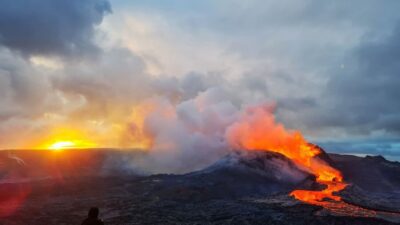
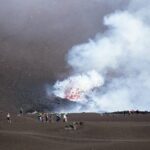
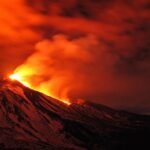
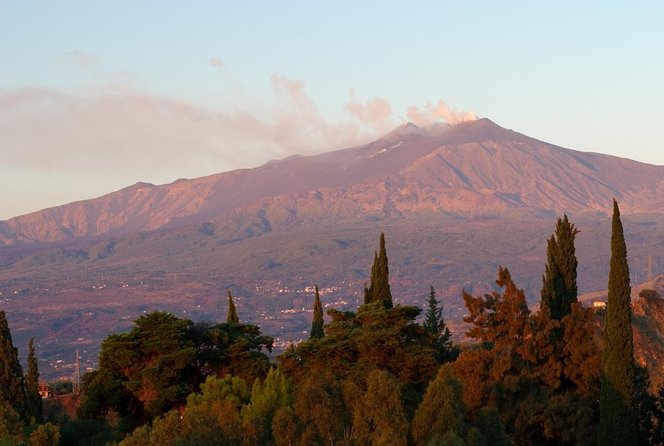
Etna’s craters feel like another planet. This summit craters excursion on Sicily’s Mount Etna mixes high-altitude trekking with real volcanology, guided in English for a small group. You’ll get a front-row seat to how active terrain shapes the ground under your feet, often with dramatic crater views.
I especially like the volcanological guide—not just a walk, but clear explanations you can actually use to understand what you’re seeing. Second, I like the small group size (max 20). That usually means more attention, smoother pacing, and fewer bottlenecks when the terrain gets steep or uneven.
One consideration: the price you see does not include the special 4×4 transport (€60), and there’s no lunch included. Add in the need for good weather, and you’ll want to book with flexibility in mind.
In This Review
- Key highlights you should know
- Why Mount Etna’s Summit Craters Are Worth the Effort
- Your 5–7 Hour Etna Day: What Happens and Why It Matters
- Trekking at Altitude: From the Observatory Area to Lower Crater Zones
- The Guides: Volcanology You Can Actually Use
- Price and Value: What $101.85 Covers (and What Adds Up)
- Weather, Safety, and the Moderate-Fitness Requirement
- Where This Tour Makes the Most Sense
- Should You Book This Etna Summit Craters Excursion?
- FAQ
- How long does the Summit Craters Excursion take?
- What is the price per person?
- Is the tour offered in English?
- What does the tour include?
- What is not included in the price?
- What is the group size limit?
- What fitness level do I need?
- Is good weather required?
- Are service animals allowed?
Key highlights you should know
- Volcanological guide included: you’re not winging it; you’ll hike with someone who can explain Etna’s changing terrain.
- Small group (max 20): easier control on rough ground and better Q&A time.
- Etna craters trekking focus: the day is built around getting to high points and walking between volcanic features.
- High-altitude observatory stop (around 3000 m): expect big-sky views and a “Mars-like” feeling at height.
- 4×4 ride may cost extra (€60): the hike is paired with optional paid transport on the Etna North side.
Why Mount Etna’s Summit Craters Are Worth the Effort
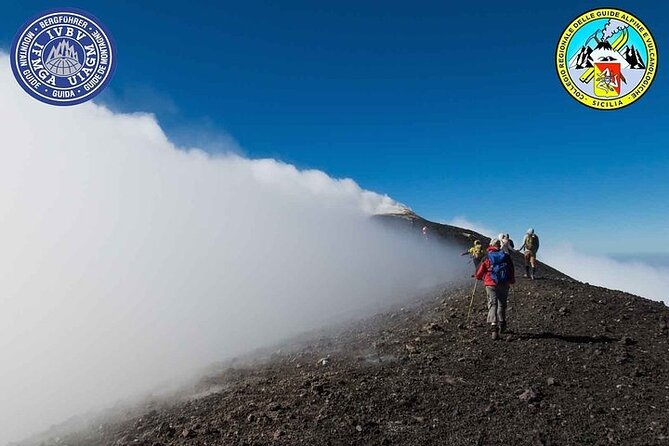
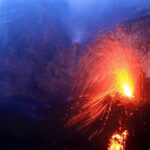
If you’ve only seen Etna from a distance, this kind of trip changes the scale. Up close, Etna stops being a postcard volcano and becomes a place you can read. Crater mouths, volcanic formations, and the way lava has shaped the ground all make more sense once you’re standing on it with a guide who knows the science and the patterns.
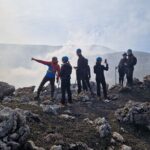
What makes the excursion feel special is the mix of trekking and explanation. A good volcanological guide can point out what matters—how the terrain forms, why certain craters look the way they do, and what active volcanic behavior can mean for what you’re allowed to do on the day. In several experiences like this, guides such as Marco, Daniele, Arturo, and Davide have been praised for being organized and engaging, including for making people feel comfortable at height.
You also get a practical travel advantage: you’re traveling as part of a small group. On a volcano, that’s not a luxury detail—it affects how quickly you can move, how often you can stop for explanations, and how well you can manage altitude and uneven footing.
You can also read our reviews of more tours and experiences in Sicily.
Your 5–7 Hour Etna Day: What Happens and Why It Matters
This excursion is listed at 5 to 7 hours total, with a Mount Etna stop built around an excursion toward the summit craters area. You’ll start from a meeting point and the activity ends back at the same meeting point.
Here’s what the flow tends to look like on the ground:
- You gather at the meeting point and meet your guide and group.
- You’ll spend time trekking with the volcanological guide.
- Depending on conditions and the route used that day, you may also connect to high points via paid 4×4 transport on the Etna North side (the €60 is listed as not included).
- You’ll return by walking back down toward a lower starting area point, then head back to the original meeting location.
One thing I like about the structure is that it doesn’t feel like a quick bus stop. Even though the listing highlights a Mount Etna component that’s 1 hour with admission free, the full experience length gives enough time to actually move through different volcanic zones. That matters because Etna’s terrain changes fast with elevation and activity.
Also, keep expectations realistic: Etna can be unpredictable. Some days, activity or conditions can affect what’s safely accessible, even when you booked a summit craters trek. Still, when that happens, routes can remain impressive and still focus on volcanic formations and crater areas rather than turning into a generic nature walk.
Trekking at Altitude: From the Observatory Area to Lower Crater Zones
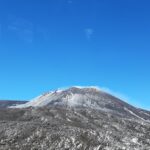
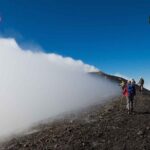
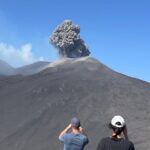
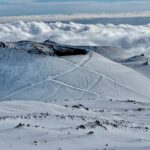
A common version of this summit craters itinerary uses 4×4 transport from Piano Provenzana toward an observatory area around 3000 meters. From there, you typically walk down toward about 1800 meters while observing volcanic features along the way.
That vertical change is a big part of why the day sticks with you. At height, the air feels thin and the scenery can look unreal—one experience described it as like being on Mars. Lower down, volcanic formations become easier to connect visually: you can spot crater edges, see evidence of older activity, and understand how lava paths and bursts carve the ground.
When the route allows, you may see and learn about formations such as:
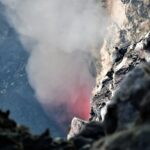
- crater mouths and volcanic vents (the main event)
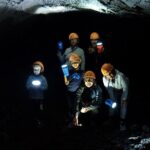
- lava caves
- volcanic bombs
- distinctive volcanic features often described with colorful names
I’m not promising you’ll see every named feature on every single day, because volcanic conditions and safety rules can shift access. But the trekking plan is clearly built to move you through different kinds of volcanic evidence, not just one single viewpoint.
Comfort tip from the way this excursion is designed: wear grippy shoes and plan for uneven volcanic ground. Also, bring layers. Even if Sicily is warm at sea level, the temperature difference at 3000 meters can feel dramatic, and you don’t want to be stuck cold or wind-chilled halfway through your hike.
The Guides: Volcanology You Can Actually Use
On Etna, the guide matters as much as the route. A great guide doesn’t just point and explain; they help you connect what you’re seeing to what it means.
From the experiences connected to this operator, I’ve seen guide names like Marco, Daniele, Arturo, and Davide praised for organization and for explaining Etna’s “specificities” in a way that feels complete. Luca has also been mentioned as an organization contact who responds quickly and keeps things moving smoothly.
Here’s the practical value for you:
- You’ll get context before you reach crater viewpoints, so your photos look better because you understand what you’re capturing.
- When conditions change, a good guide can adjust the story and the route so the day still makes sense.
- You’ll get reassurance at height. That’s not fluff. On steep, active terrain, feeling calm helps you pay attention and enjoy the walk.
If you want a volcano day that feels scientific but not boring, this is the right formula. The trekking with a volcanological guide turns the excursion into an experience you can talk about at dinner, not just a dramatic moment you forget because you didn’t know what you were looking at.
Price and Value: What $101.85 Covers (and What Adds Up)
The listed price is $101.85 per person for an English tour, with mobile tickets. What you get included is trekking with a volcanological guide, and there’s also a Mount Etna admission ticket listed as free for the stop shown.
What’s not included can add up:
- Lunch is not included.
- Private transportation is not included.
- The special 4×4 vehicle on the Etna North – Piano Provenzana route (€60) is not included.
So what’s the honest value picture? You’re paying for guided access and instruction focused on summit crater trekking. The additional €60 for the 4×4 isn’t a small detail—it’s a meaningful part of how you reach higher zones and reduce time spent wrestling long climbs. If your plan includes the observatory area around 3000 meters, budgeting that €60 makes your day feel more realistic.
I also like that the day is capped at 20 participants. You can often feel the difference between a small-group volcano trek and a large group. On active, uneven ground, smaller groups tend to mean more safety attention and more guide time.
Finally, remember this is a volcano. The best value is not only about price; it’s about getting the kind of day where you actually learn and explore rather than simply follow a route with no explanation.
Weather, Safety, and the Moderate-Fitness Requirement
This experience requires good weather. If it’s canceled because of poor weather, you’ll either be offered a different date or a full refund. On a volcano, that’s not a marketing line. Visibility and safety conditions matter a lot at altitude.
You should also plan for moderate physical fitness. Even if you’re not a mountain climber, you’re dealing with altitude and walking on rough volcanic ground. Your pace will likely be slower than you expect, and you should be ready to spend time trekking rather than treating this as an easy sightseeing stop.
A few practical ways to handle altitude and conditions:
- Take your time when you first start climbing. Let your breathing settle.
- Pack layers so you can adjust when wind or temperature changes.
- Keep your eyes up for brief stops—crater viewpoints are often the moments you want to capture, not only the walking part.
And yes, you can bring a service animal. The tour data says service animals are allowed.
Where This Tour Makes the Most Sense
This excursion is a great fit if you want:
- a guided volcano hike with real explanation
- a small group and a calm, controlled pace
- a day focused on summit craters rather than generic stops
It’s also a good choice if you’re the type of person who loves learning while you walk. The praise for guides like Marco and Davide points toward a day where you’re kept informed and not left wondering what you’re seeing.
Less ideal if you:
- expect lunch to be included
- strongly prefer no extra costs beyond the ticket price (because the €60 4×4 is listed as not included)
- want a totally weather-proof plan (good weather is required)
Should You Book This Etna Summit Craters Excursion?
I’d book it if you want a serious Etna experience that blends trekking with volcanology, and you’re comfortable paying for the added 4×4 transport (€60) if you want the route that reaches the higher observatory area. The small group size and the focus on guided learning make it feel like more than a standard sightseeing trip.
Skip it if you’re trying to keep this day very budget-tight or you hate uncertainty. Weather can affect everything on Etna, and this excursion needs good conditions to run well.
If you’re flexible, physically up for a trek, and excited by the idea of standing near crater mouths with a guide who can explain the why behind the drama, this is a strong match.
FAQ
How long does the Summit Craters Excursion take?
The experience typically lasts 5 to 7 hours.
What is the price per person?
The price is listed as $101.85 per person.
Is the tour offered in English?
Yes, it’s offered in English.
What does the tour include?
It includes trekking with a volcanological guide.
What is not included in the price?
Lunch is not included, and private transportation is not included. Also, 4×4 transport on the Etna North – Piano Provenzana route (€60) is not included.
What is the group size limit?
The tour/activity has a maximum of 20 travelers.
What fitness level do I need?
The tour says travelers should have a moderate physical fitness level.
Is good weather required?
Yes. The experience requires good weather. If it’s canceled due to poor weather, you’ll be offered a different date or a full refund.
Are service animals allowed?
Yes, service animals are allowed.