REVIEW · SICILY
Etna North: Guided trekking to Summit volcano craters
Book on Viator →Operated by Ashàra Etna & Stromboli Guides · Bookable on Viator
Etna’s summit feels close and dangerous. This guided trek from the Etna North side takes you to the Central Crater rim near 3,320 m, following a route designed for safer access. You also get to skirt the highest crater instead of aiming straight at the danger zone.
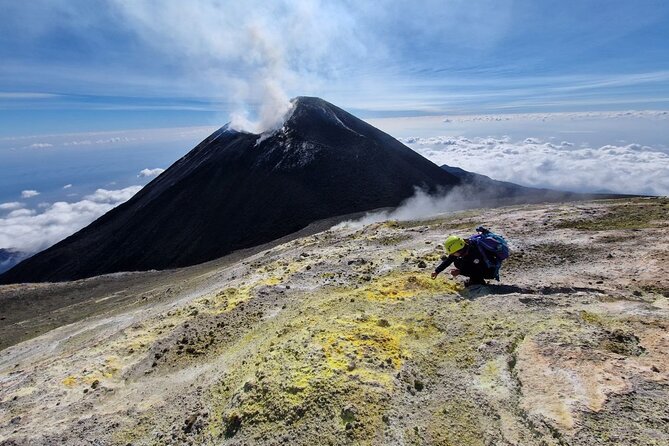
I really like that the experience is built around the stuff you actually came for: up-close volcanic features. You’ll walk past geothermal steam, lava fields, and the strange, sparkly ground colors tied to sulfur and other elements, with breaks where your guide explains what you’re seeing in plain English.
One thing to plan for: the 4×4 ride costs extra (60€ per person paid in cash on the spot), and if conditions are rough or access is restricted, the exact crater plan can change.
In This Review
- Key highlights worth your attention
- Why Etna North is the smarter side for crater views
- The 8:00 start and the 4×4 transfer to 2,825 m
- The crater rim walk: from Central Crater edge to 3,320 m views
- What you’ll actually see: steam vents, lava, sulfur sparkle
- The descent through ash and slag, with coastline panoramas
- Guides on Etna: Antonio, Massimo, Giuseppe, and the safety call
- Price and value: what the $78.10 covers (and what costs extra)
- Who should book this trek, and who should skip it
- Weather, gas restrictions, and why your plan might change
- Should you book Etna North to the summit craters?
- FAQ
- How high do you reach on this Etna North trek?
- What is included in the price, and what do I pay separately?
- Is the admission ticket included?
- How long is the tour?
- What fitness level do I need?
- What happens if weather or conditions are a problem?
Key highlights worth your attention
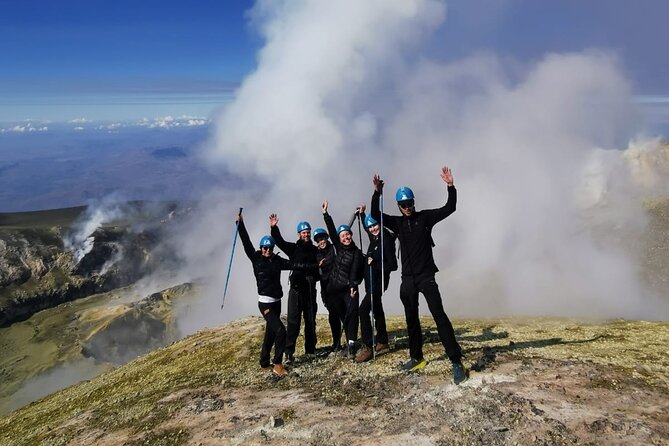
- Expert guides on a real safety-focused route to reach high elevation without playing games with risk
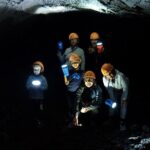
- Boots, helmet, and walking sticks provided so you can focus on the hike, not gear shopping
- Reaching up to the crater rim near 3,320 m for views most visitors don’t get
- Central Crater edge + Northeast and Southeast Craters from above, with explanations as you go
- A short, scenic descent through fine volcanic ash and slag with panoramic coastline views
Why Etna North is the smarter side for crater views
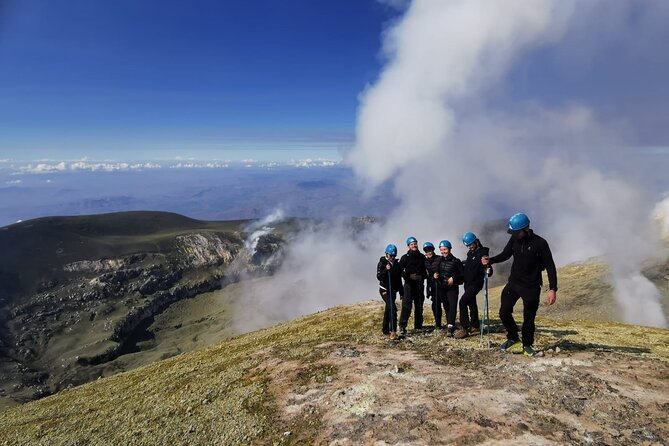
Mount Etna is huge, but your time in Sicily is not. This trek is designed to get you to the summit crater area in a controlled way from the north side, using the slope that currently allows climbing under safer conditions. That matters because Etna is not static. Gas levels, lava activity, and access rules can shift, and the tour is set up to respond without turning the day into chaos.
The goal here is simple and exciting: you reach the upper crater zone, walk along the rim edge, and take in multiple craters from a dramatic vantage point. It’s one of the best formats for seeing the power of a living volcano while still having professional guidance for where to place your feet.
You also don’t waste half your day on scenic-bus filler. The tour structure is built around altitude gain, crater viewing, and then a descent that keeps the views rolling.
You can also read our reviews of more guided tours in Sicily
The 8:00 start and the 4×4 transfer to 2,825 m
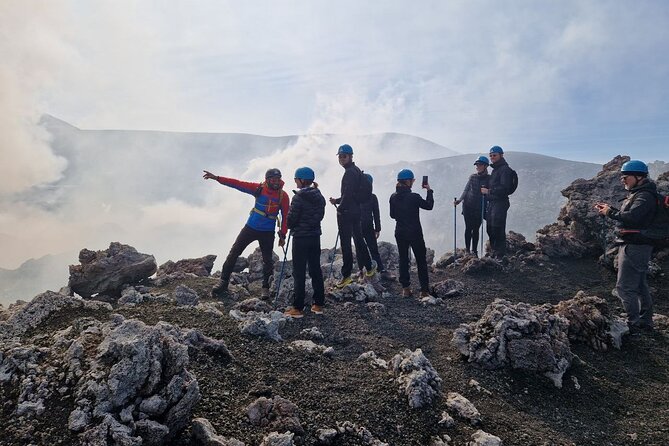
Your day begins early, with a start time of 8:00 am at Piano Provenzana (Etna Nord), via Provenzana, 95015 Linguaglossa CT. The tour uses special 4×4 vehicles for the climb up to Piano delle Concazze at about 2,825 m.
This transfer phase is shorter than you might expect (around 40 minutes), but it sets the tone. You’re moving from the base area into the high volcanic zone fast, which helps you spend your hiking time where it counts. It’s also a safety factor: getting you to the right starting altitude means less scrambling at the wrong elevation.
Budget note: the 4×4 tickets are not included. The cost is 60€ per person, paid in cash on the spot. The rest of your hike gear and guiding are part of the experience, so the 4×4 fee is the one surprise most people will want ready money for.
The crater rim walk: from Central Crater edge to 3,320 m views
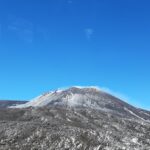
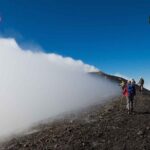
After the 4×4 drop-off, the main ascent starts. You hike for about 2 hours up to the main crater rim at approximately 3,320 m. This section is the heart of the tour, and it’s where the day becomes unforgettable.
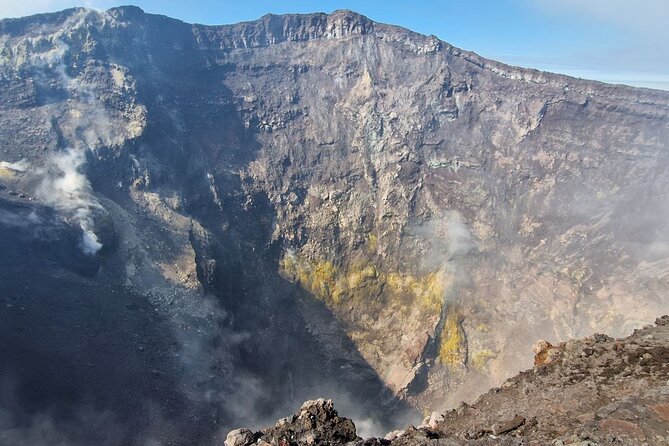
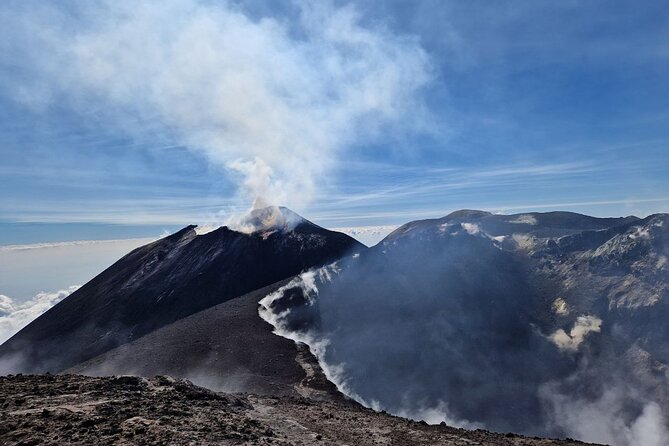
You’ll walk on the edge of the Central Crater, then face views toward the Northeast Crater and the Southeast Crater. The guide points out what you’re looking at and helps you understand how Etna’s activity shapes the terrain. That includes interpreting the crater walls and what that means about recent eruptions and ongoing volcanic behavior.
What I like about this approach is that it gives you perspective without forcing you into the most restricted zones. You get to experience the feeling of standing at the volcano’s mouth while still following the route the guides have planned for safer conditions.
One practical consideration: you’re at high altitude. You’ll likely feel the effort more than you expect, even if you’re reasonably fit. The pace is guided, and the group size stays capped (maximum 20), but it’s still a hike where you’ll want to listen to your body.
What you’ll actually see: steam vents, lava, sulfur sparkle
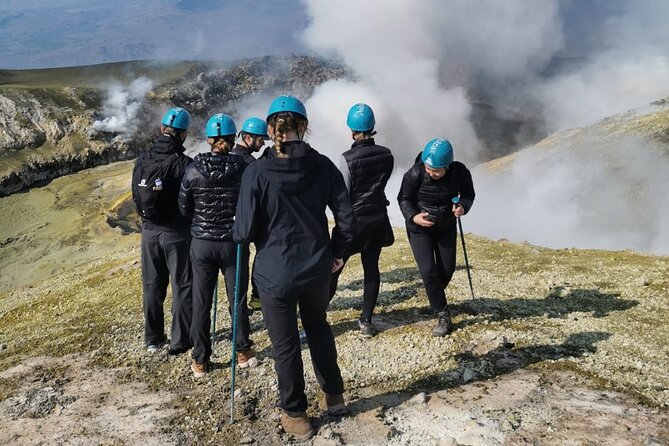
Etna isn’t just rock and views. It’s active chemistry and movement, right under your boots.
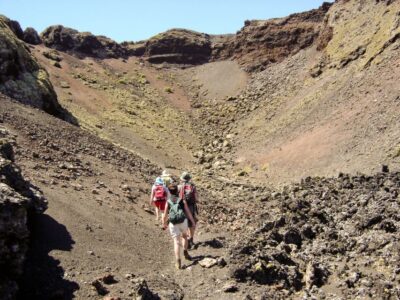
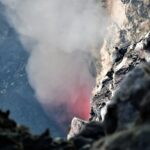
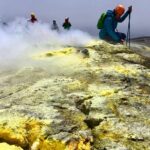
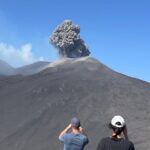
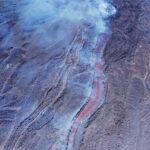
During the day, you’re set up to notice geothermal features like steam vents, plus lava fields that show how the mountain rebuilds itself after eruption. On the route, the ground can look odd and bright in places, with colors linked to sublimation of elements, including sulfur. It’s the kind of detail that turns a viewpoint into a real understanding of the place.
The upper areas also bring the volcano’s texture to life. You may see volcanic bombs and gas emissions as part of the summit environment. The guide doesn’t just say what you’re looking at; they connect it to the volcano’s formation and eruptive behavior so you can make sense of why this part looks the way it does.
This is also where having a real volcanological/alpine guide makes sense. The information isn’t stuck behind big fancy words. It’s delivered in a way that helps you look longer and understand faster.
The descent through ash and slag, with coastline panoramas
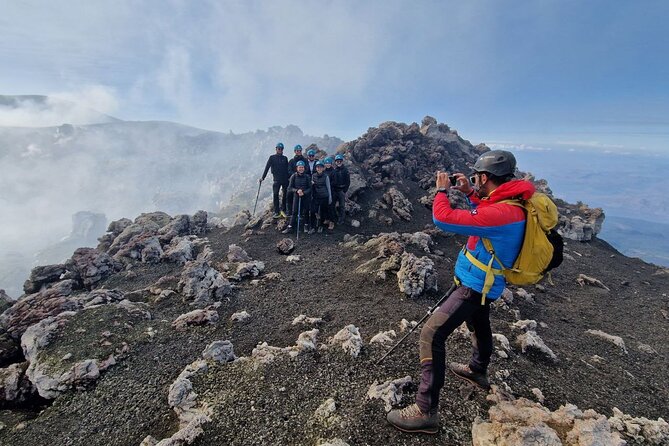
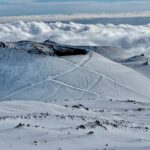
The return leg is just as important for enjoyment as the climb. After time near the rim, you come down a path that includes fine volcanic ash and slag. That change in footing is real. It can be a little slippery or soft compared with normal trail surfaces, so having walking sticks matters.
What surprised me in a good way is the panoramic quality of the descent. As you go lower, you start getting wider views toward the Sicilian coast, so the day keeps moving even when you’re tired. The guides also build in pleasant breaks so you’re not just suffering through the next steep bit. Those stops are where you get more of the background: how Etna forms, what drives eruptions, and what features mean.
Expect about another 2 hours in this final hiking/descending phase, before you return to around 2,825 m and then back down by 4×4 to Piano Provenzana, finishing at the meeting point.
You can also read our reviews of more hiking tours in Sicily
Guides on Etna: Antonio, Massimo, Giuseppe, and the safety call
This tour lives or dies on the guide. The strongest theme across the experience is clear: the best days are led by guides who manage pace, equipment, and group safety with calm confidence.
Antonio stands out for his English skills and for being both informative and funny, while still making sure everyone stays safe and mentally okay. Massimo (also called Max) gets praised for guiding people step-by-step, giving clear explanations, and keeping the group moving without losing control.
Then there’s Giuseppe, who is a useful reminder of what group treks can feel like when conditions get tough. In snowier conditions, the pace and adjustments didn’t work well for one party, and one hiker was sent back after slipping. The key detail is that the guide has a responsibility for participants’ well-being, and if you can’t safely continue, they will turn the situation around rather than press onward.
So here’s my advice: don’t treat this as a casual walk. If you’re prone to getting flustered at altitude or if you don’t have confidence walking on volcanic surfaces, choose your day carefully and go slow when you need to.
Price and value: what the $78.10 covers (and what costs extra)
The listed price is $78.10 per person, and the tour includes a lot that helps you avoid hidden hassle.
Included:
- Hiking boots, helmet, and walking sticks
- Insurance and a volcanological/alpine guide
Not included:
- 4×4 tickets: 60€ per person, paid in cash on the spot
Admission timing is also split. For the transfer phase at Piano Provenzana to Piano delle Concazze, admission isn’t listed as included. The crater-focused parts include admission. In other words, you should think of your money in two buckets: the crater-entry portion tied to the main hike, plus the separate vehicle transfer.
Is this good value? For Etna summit crater access, yes, especially because you’re paying for real guidance and safety equipment, not just a viewpoint. The extra 60€ for the 4×4 is the one expense to budget up front so the day stays smooth.
Also note the group limit (up to 20). That size is big enough for social energy but small enough that a guide can actually manage movement.
Who should book this trek, and who should skip it
This is for hikers with moderate physical fitness. The day is about altitude and steady effort, not speed. If you’re used to steep paths and you can handle the idea of walking near 3,000 m, you’ll likely feel like the day fits your capabilities.
It’s also not for everyone. The tour is explicitly marked as not recommended for people with asthma or heart problems. If that’s you, it’s worth choosing a different Etna format that stays lower.
If you want a solo-adventure vibe, this might feel a bit structured because you’re hiking with a group. On the flip side, this is a nice choice if you want the volcano explained while you’re doing the work.
Language-wise, the tour is offered in English, and the guides mentioned (Antonio, Massimo) are praised for their communication, which helps a lot when you’re dealing with complex volcanic terrain.
Weather, gas restrictions, and why your plan might change
Etna doesn’t do “predictable.” The tour requires good weather, and the operator will adapt when access changes due to volcanic activity or conditions.
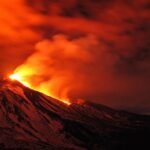
You might not always get the exact north-and-summit pattern. One group experienced a day where high volcanic activity meant they couldn’t trek to the summit craters, but the team made an alternative plan so the day still delivered value. That kind of flexibility is important on Etna, where rules can shift quickly.
There’s also a weather-based element in how climbs feel. One unhappy experience involved snow making the ascent much harder and gear not being snow-ready. The takeaway for you: choose a day with stable conditions, and be honest with yourself about your ability to handle footing changes and altitude pressure.
If your tour is canceled due to poor weather, you’re offered a different date or a full refund.
Should you book Etna North to the summit craters?
Book it if you want real crater access from the Etna North side, a guide who explains what you’re seeing, and you’re comfortable with a steep high-altitude hike. I’d especially recommend it if you’re the type who likes learning on the spot, not just taking photos from a single safe platform.
Skip it or choose a lower-impact Etna option if:
- you have asthma or heart issues,
- you dislike group pacing or you need total control over breaks,
- or you know you struggle with altitude and uncertain footing.
Finally, come prepared for costs and the real nature of the volcano: bring cash for the 4×4 (60€) and expect your day to be shaped by conditions. If that sounds fair to you, this trek is one of the most memorable ways to understand why Etna earns its reputation.
FAQ
How high do you reach on this Etna North trek?
You start around 1,800 m at Piano Provenzana, ride up to about 2,825 m, hike to the main crater rim at about 3,320 m, and then return by 4×4 back to Piano Provenzana.
What is included in the price, and what do I pay separately?
The tour price includes hiking boots, a helmet, walking sticks, insurance, and the volcanological/alpine guide. The 4×4 vehicle tickets cost 60€ per person and are paid in cash on the spot.
Is the admission ticket included?
Admission is listed as included for the main crater portion (after the 2,825 m starting point) and for the top visit segment. The initial transfer segment shows admission as not included.
How long is the tour?
The total duration is about 5 hours.
What fitness level do I need?
You should have moderate physical fitness. The tour is not recommended for people with asthma or heart problems.
What happens if weather or conditions are a problem?
The experience requires good weather. If it’s canceled due to poor weather, you’ll be offered a different date or a full refund. If volcanic restrictions affect access, an alternative plan may be used.