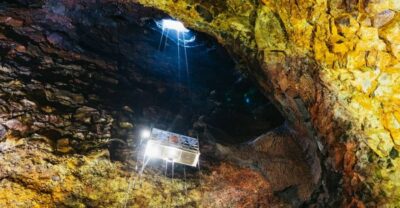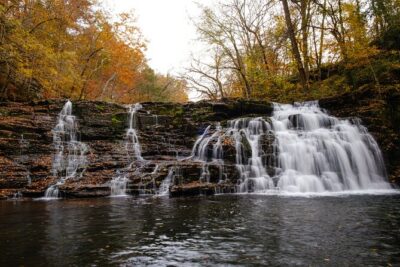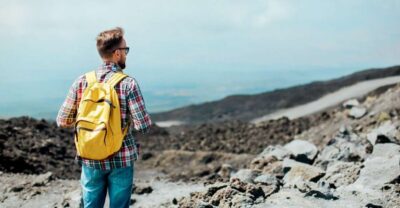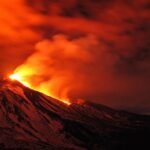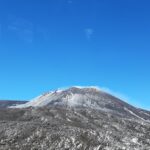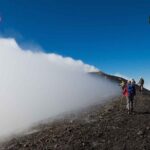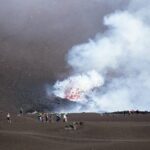
Etna’s craters are big and alive. This trek takes you from the Torre del Filosofo area up toward the central crater rim, with stops that focus on Bocca Nuova, the Voragine, and the NE Crater. You’re not just sightseeing—you’re moving through volcanic ground and getting real views, if the weather cooperates.
I love the combo of real hiking time plus the crater-focused route. I also like that AITNE includes the heavy-lift equipment like trekking boots, jacket, and helmet, so you’re not stuck renting the wrong thing the day you need it most.
One drawback to plan for: the summit area can be regulated on short notice, and the day can get windy and cold at altitude. If you go in expecting a casual stroll, Etna will correct that plan fast.
In This Review
- Quick hits before you go
- Morning on Etna: why the 9:00am start matters
- The cable car and 4×4 jeep to 2900m (and the extra cost you must plan)
- First big goal: walking up to Bocca Nuova (3250m)
- Voragine rim and the NE Crater push toward 3329m
- The long descent through Valle del Bove: ash, scoria, and big caldera drama
- Gear that AITNE provides, plus what you should bring yourself
- Guides, pace, and safety: what the best days look like
- How hard is Etna, really?
- Price and value: what you pay, what you’ll still owe
- Who should book this Etna summit crater trek
- Should you book this Mt. Etna summit craters experience?
- FAQ
- What is the starting location for this Etna experience?
- What time does the tour start?
- How long does the experience take?
- What is included in the price?
- What about transportation to the higher altitude?
- Is the tour offered in English?
- Do I need a certain fitness level?
- How many people are in the group?
- What happens if weather is bad or the tour is canceled?
Quick hits before you go
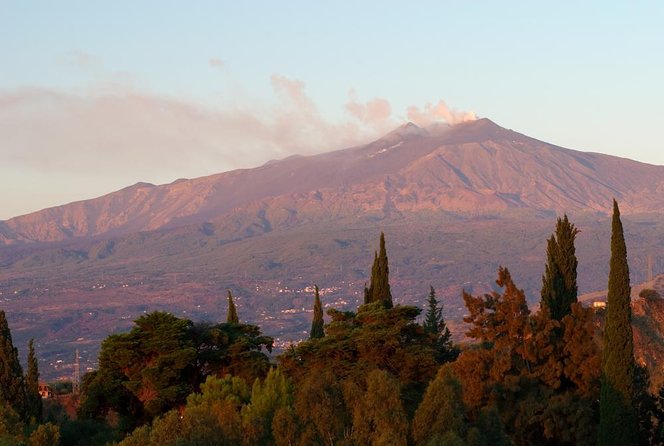
- Crater rim views on Etna: Bocca Nuova (3250m) and the Voragine area are the headline stops.
- Short, steep climbs: you’ll work for the NE Crater, which sits at 3329m when access allows.
- Gear included: trekking boots, jacket, helmet are provided, which helps a lot on loose ash.
- Descent through Valle del Bove: expect scoria and ash slopes, plus dramatic caldera scenery (8km x 4km).
- Guides actively manage the day: guides like Marco, Vincenzo, Simone, and Davide are repeatedly praised for pace and safety.
- Budget for the ride-up add-on: the cable car and 4×4/jeep to 2900m are not included.
Morning on Etna: why the 9:00am start matters
Starting at 9:00am is one of the smarter parts of this experience. You get your altitude day done earlier, when the mountain often has better chances for visibility and when crowds usually feel more manageable. Then you’re back in Nicolosi/meeting-point area with your evening free for food, wine, and wandering around without rushing.
I also like the mental rhythm of a morning summit plan: you warm up while the day is still young. On Etna, that matters because once you’re on the crater routes, you’re dealing with wind and loose ground, not just effort.
Just be ready for how quickly conditions can change. Even when the forecast looks fine, you can hit strong gusts up high, and you’ll feel it.
You can also read our reviews of more tours and experiences in Sicily.
The cable car and 4×4 jeep to 2900m (and the extra cost you must plan)
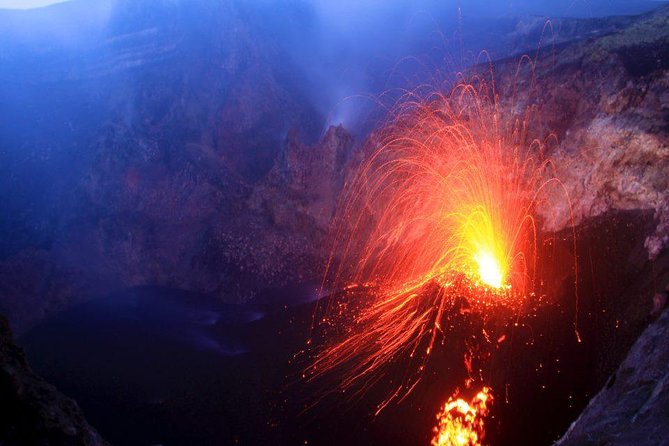
Most of the altitude gain starts with transport to around 2900m in the Torre del Filosofo area, using a cable car plus a 4×4 minibus/jeep. From there, you walk uphill for about 1.5 hours before you reach the crater edge.
Here’s the key value point: your base tour price covers the guide and hiking equipment, but the cable car and jeep up to 2900m are excluded. Depending on the exact day and access rules, this add-on can materially change the total cost, so I’d budget for it from the start instead of treating it like a minor detail.
A practical tip from real-world experience: bring cash as a backup. One account notes that payment for the cable car segment was cash-only. If you don’t want to stress, arrive with a buffer (or have a plan for an ATM nearby).
First big goal: walking up to Bocca Nuova (3250m)
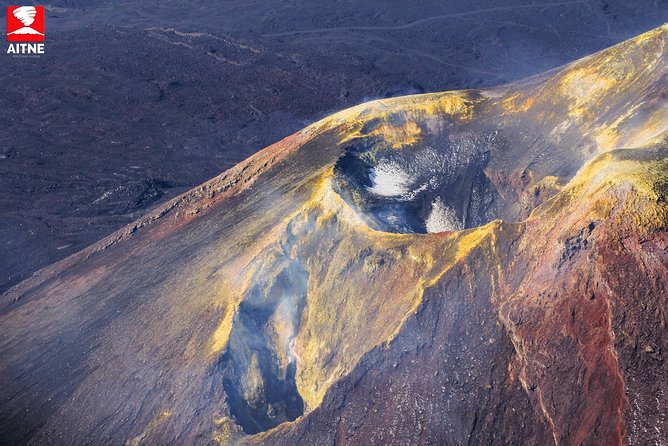
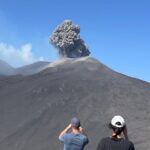
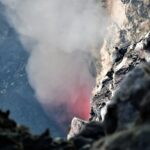
The first crater milestone is the edge view toward Bocca Nuova (3250m), which opened in 1968 and is often the most impressive crater stop on this kind of route. After the ride-up, your uphill walk is the “gateway effort”—not just for fitness, but for letting your body adjust to altitude and wind before things get steeper.
This is also where helmets and proper boots pay off. You’re moving over loose volcanic material, and a good stance matters. The equipment included by AITNE is meant for exactly this kind of terrain, and it helps you focus on the route instead of worrying whether your shoes are up to the job.
Wind is a common enemy here. One not-so-fun reminder from an unhappy day: being assessed on arrival for whether the trek is suitable can happen, and if conditions are harsh, the staff may steer some people away from the full climb. If you have altitude concerns or asthma issues, take that seriously.
Voragine rim and the NE Crater push toward 3329m
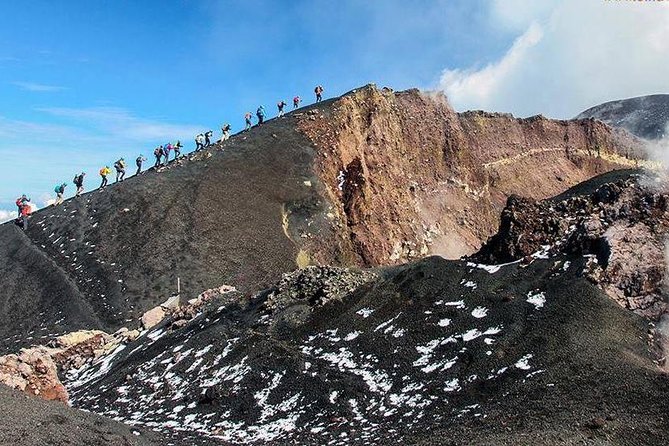
Once you reach the Bocca Nuova area, you move around to the edge of the Voragine, the central-crater heart. From there comes a steep but short climb to the North East Crater (formed in 1911), which sits at 3329m when access allows.
This part is where the tour feels most “summit-y.” You work, you pause, you look—then you work again to move safely to the next viewpoint. Guides matter a lot here. People repeatedly mention that guides like Marco and Vincenzo kept the pace doable and made the group feel safe, even when the route got challenging.
If you get a clear day, you can get a 360° view. There’s also a chance to spot the Aeolian Islands to the north, assuming visibility is good.
One more reality check: access to the very top can be restricted due to volcanic activity and shifting rules. On some days, the route may stop around the 3000m level rather than reaching the highest point. This isn’t a “your guide failed” issue—it’s the mountain and regulations doing what they do. The guide’s job is to adapt your route while still giving you the best possible crater experience.
The long descent through Valle del Bove: ash, scoria, and big caldera drama
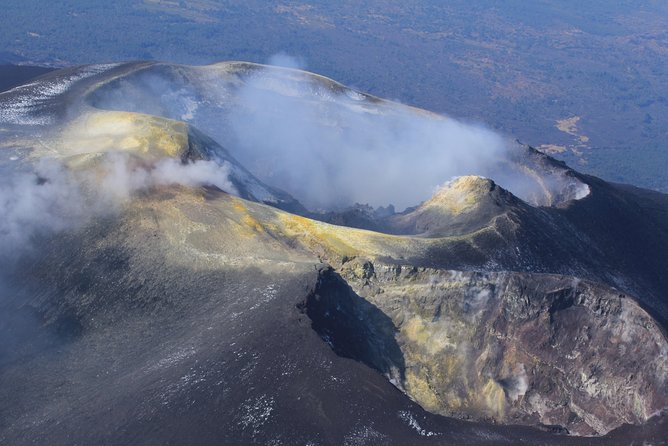
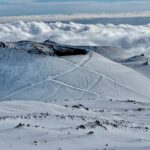
The finish is not a gentle stroll. After the crater views, you start the long descent through the volcanic Valle del Bove, described as a spectacular caldera roughly 8km long and 4km wide.
Expect a slope of ashes and scoria. The good news: it’s often described as steep but manageable for many hikers once you’re moving as a group. The tricky part is footing on loose volcanic ground. Use the kind of slow, controlled steps you’d use on scree.
This is also where your helmet and jacket really help—wind and dust can follow you down, and the crater environment doesn’t care if you’re tired. You’ll eventually return to the arrival station of the cable car at around 2500m.
Gear that AITNE provides, plus what you should bring yourself
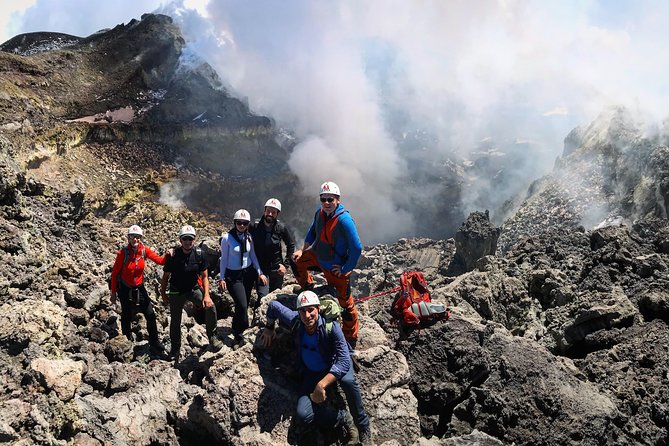
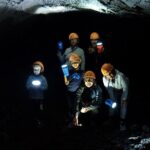
AITNE includes the big-ticket hiking items: trekking boots, a jacket, and a helmet (plus additional protective gear that helps you handle crater conditions). That’s a big part of the value, because it’s easy to show up underprepared and then spend the day fighting your own equipment.
Still, I strongly recommend you bring a few extras based on what helps on Etna:
- A mask or buff for gas and dust. Several accounts say gas can get into your throat and that a buff or mask helps.
- Warm layers. Even if it’s sunny at the start, it can be cold up high and windy on exposed crater edges.
- Food and water. The hike can run longer than you expect in real conditions, and you don’t want to run low.
- Cash backup for the cable car/jeep add-on, just in case.
One smart planning choice: don’t over-pack the day with other activities right after the tour. You’ll likely come back tired in a good way—minus energy for a long walk later.
Guides, pace, and safety: what the best days look like
This is an active volcano with terrain that isn’t like a marked trail back home. In practice, that means pace control and safety procedures are not optional.
I like how many guide examples show up with the same themes: Marco keeps a doable pace, Vincenzo helps hikers manage difficult moments, Simone stays organized and attentive, and Davide is praised for safety and experience. The consistent pattern is that guides don’t just point at craters—they manage the group, explain what you’re seeing, and adjust when conditions change.
Also note the group size: maximum 15 travelers. That’s small enough for a guide to look after people without turning the hike into a traffic jam.
One caution: this tour is generally not for kids who aren’t ready for proper climbing and altitude. There’s a specific complaint in the mix about children under 12 not being suitable and one adult being left behind with a toddler during the hike. If you’re traveling with young kids, plan carefully and don’t assume it will feel like a family stroll.
How hard is Etna, really?
The tour is listed for moderate physical fitness, but “moderate” can still mean steep uphill sections, altitude effects, and wind. The included route involves uphill walking from about 2900m toward crater rims, then a steeper push toward the NE Crater area, followed by a long descent over loose volcanic material.
The best way to judge difficulty is this: you should be comfortable with multi-hour hiking and with the idea that some people in a group may tap out. On tougher days—windy, colder, or with slower-moving group members—it can feel very demanding.
Asthma is called out as a reason the trek isn’t recommended. That’s not a small detail. Gas and dust at altitude can trigger breathing issues, and the environment changes faster than you can “tough it out.”
If you’re worried about altitude, give yourself a day buffer when possible. Even one planning tweak—like staying close to Nicolosi so you’re not rushing from far away—can help your body settle before you climb.
Price and value: what you pay, what you’ll still owe
The base price is $84.69 per person, and that covers the guide plus included hiking gear like boots, jacket, and helmet. That’s a solid foundation for a crater trek on active terrain.
But the big value math depends on the transport add-on. The cable car and 4×4/jeep up to 2900m are excluded. Multiple real-world accounts place this add-on around 60–78€ per person, and one message also clarifies that a 200€ figure can relate to a group cost rather than a per-person charge. Either way, you should assume the all-in cost will be noticeably higher than the base listing price.
So is it still worth it? For me, yes—if you want the crater experience with a guide. Etna isn’t a place to wander blindly. The guides know how to navigate crater access and shifting routes, especially when access to the very top is limited by activity and weather.
If you’re on a tight schedule or budget, the decision comes down to whether you truly want crater access. Lower-level Etna hikes may be cheaper, but they don’t give the same crater-rim drama.
Who should book this Etna summit crater trek
Book it if you:
- Want a guided walk with crater-focused stops like Bocca Nuova and the Voragine area.
- Are comfortable with hiking on steep, loose volcanic ground.
- Like geology, crater views, and the feeling of being on an active landscape (with real safety guidance).
- Appreciate a smaller group size (up to 15) and a morning start that keeps your day flexible.
Skip it or think hard if you:
- Have asthma or breathing sensitivity at altitude.
- Are traveling with children who aren’t ready for multi-hour hiking and possible altitude/condition restrictions.
- Expect a casual, easy outing. This is a trek, not a stroll.
Should you book this Mt. Etna summit craters experience?
I’d book it if your goal is crater access and you’re willing to plan for altitude, wind, and an extra ride cost. The included gear and the guide-led pacing make the experience feel more controlled than a self-guided scramble on active volcanic ground.
If you’re the type who hates surprises, plan ahead: bring layers, water, and a mask/buff, and budget for the cable car/jeep add-on. Also be mentally ready for the summit point to change depending on volcanic activity and rules. On Etna, adaptation is part of the story.
If that sounds like your kind of trip, you’ll likely come away impressed by the views—and by how well guides keep everyone safe while the volcano does what it does.
FAQ
What is the starting location for this Etna experience?
The meeting point is La Terrazza Dell’EtnaEtna Sud, Piazza Vittorio Emanuele, 95030 Nicolosi CT, Italy.
What time does the tour start?
It starts at 9:00 am.
How long does the experience take?
The duration is about 5 hours (approx.).
What is included in the price?
The price includes the guide and hiking equipment such as trekking boots, jacket, and helmet. The round-trip cable car and jeep up to 2900m are not included.
What about transportation to the higher altitude?
The tour includes access by cable car and 4×4 minibus/jeep up to about 2900m as part of the route, but the cable car and jeep costs are excluded from the listed price.
Is the tour offered in English?
Yes, it is offered in English.
Do I need a certain fitness level?
It’s best for people with moderate physical fitness. It is not recommended for those with asthma problems.
How many people are in the group?
This activity has a maximum of 15 travelers.
What happens if weather is bad or the tour is canceled?
This experience requires good weather. If canceled due to poor weather, you’ll be offered a different date or a full refund. It can also be canceled if a minimum number of travelers isn’t met, with a different date/experience or a full refund.