REVIEW · TYRESTA NATIONAL PARK
Stockholm: Wildlife Tour With Dinner and Short Hike
Book on GetYourGuide →Operated by True Nature Sweden · Bookable on GetYourGuide
Moose in the Stockholm twilight beats the city. This small-group wildlife safari takes you just outside Stockholm for a dusk walk, campfire dinner, and van-hopping between likely sighting spots. You’re not just looking from a distance either. You track signs of animals, then your guide uses that info to move you through the woods and back out at the best times.
I especially like the mix of guided tracking plus real time “search” by minivan. You learn what animals eat, where they live, and how their behavior changes with the season, then you get binoculars and a chance to look closely. The other big win is the campfire meal (including cook-coffee and campfire mud cake), which turns the experience into more than a quick sightseeing stop.
One consideration: wildlife is never guaranteed. Even with an expert guide and torches for after-sunset viewing, the forest controls what you see, and fog or quiet nights can mean fewer animals.
In This Review
- Key things to know before you go
- Leaving the city for real Swedish forest time
- The van route: how you boost your chances (without rushing)
- The short hike and track spotting: reading signs like a local
- Dinner by campfire: fika-style comfort in the woods
- What you’re likely to see: moose country, plus more
- After-sunset searching: torches, patience, and safe viewing
- How the guides shape the experience (and why that matters)
- Price and value: what $160 includes, and what it’s really buying
- Who should book this tour, and who should rethink it
- What to bring so the evening feels easy
- Should you book Stockholm: Wildlife Tour With Dinner and Short Hike?
- FAQ
- How long is the Stockholm wildlife safari?
- Where does the tour meet in Stockholm?
- What’s included in the price?
- Is there an English-speaking guide?
- How many people are in a group?
- What kind of hike is included?
- What animals are you looking for?
- Is dinner included?
- Will you feed the animals to make them appear?
Key things to know before you go
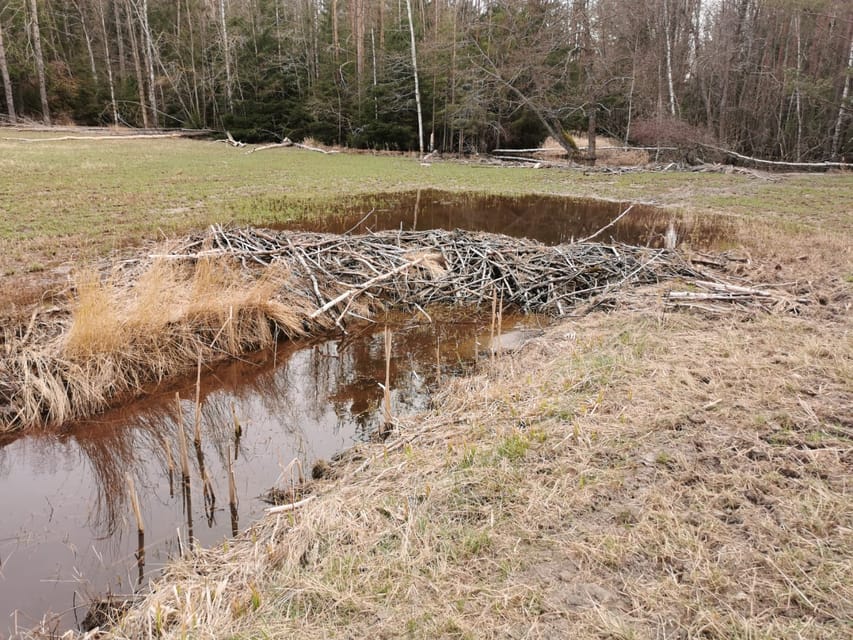
- Max 8 participants, so you’re not stuck behind a crowd while scanning the treeline
- Van + hotspot strategy to cover more ground and improve your odds of a sighting
- A short hike for tracks and signs—you’ll learn to read the forest, not just wait
- Campfire cooking with Swedish-style fika items, including cook-coffee and mud cake
- Big torches after sunset so you can keep looking when light fades
- No feeding or attracting animals, so you’re seeing wildlife in its real rhythm
Leaving the city for real Swedish forest time
This tour starts in central Stockholm at the True Nature Sweden office inside Urban Basecamp, at Tideliusgatan 62. You’ll meet your guide and group, then head out by air-conditioned minivan to the forest area outside the city. The whole point is to trade city traffic and indoor exhibits for dusk wildlife time.
What you gain fast is breathing room. Even a short drive puts you into an environment where animals actually show up—especially around dusk when movement ramps up. And because you’re going with a guide who keeps track of animal movement across the season, you’re not guessing where to stand.
The van route: how you boost your chances (without rushing)
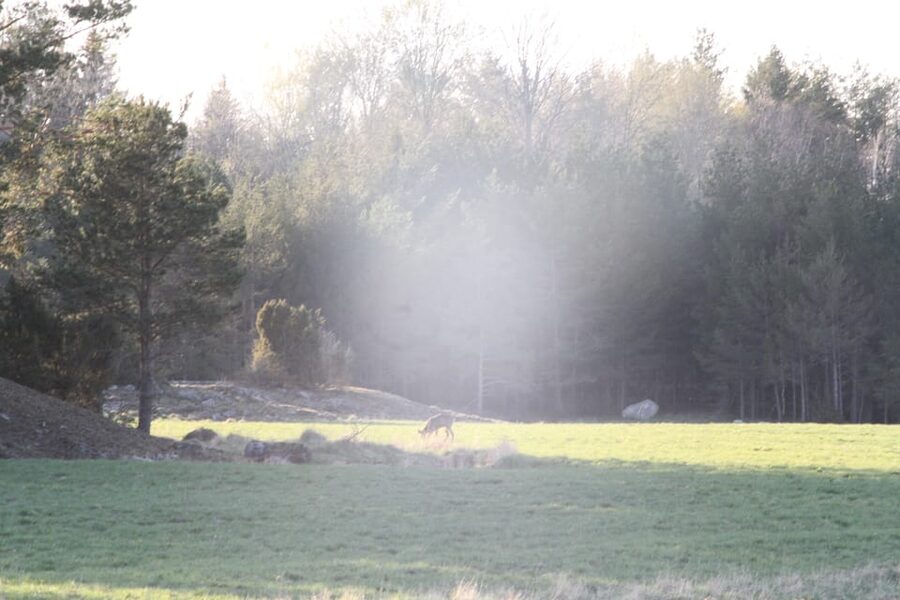
The minivan is a major part of the experience. Instead of one long trek and one static viewpoint, you’ll get transport to several likely hotspots. That matters because animals don’t hold a schedule you can plan around.
With a small group and one guide, you’re also more likely to get a clear system: where you stop, when you look, and when you move. The guide’s job is to keep the search active, but also safe and respectful of the habitat. You’ll also use that van time to reset your eyes for the next scan.
If it gets dark, the tour doesn’t shut down. You’ll still be able to observe with large torches if needed, and you’ll keep moving to different spots rather than giving up when light drops.
The short hike and track spotting: reading signs like a local
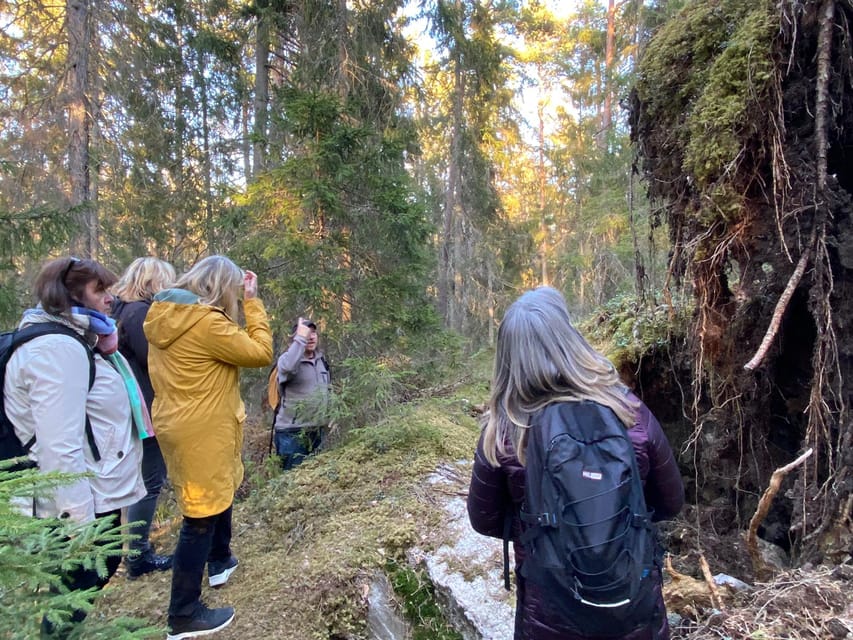
Before you settle into dinner, you’ll do a hike segment that’s designed to be manageable. It’s not a long grind through the woods. Instead, you’re hiking up to a viewpoint area first, then spending time looking for tracks and signs along the trail.
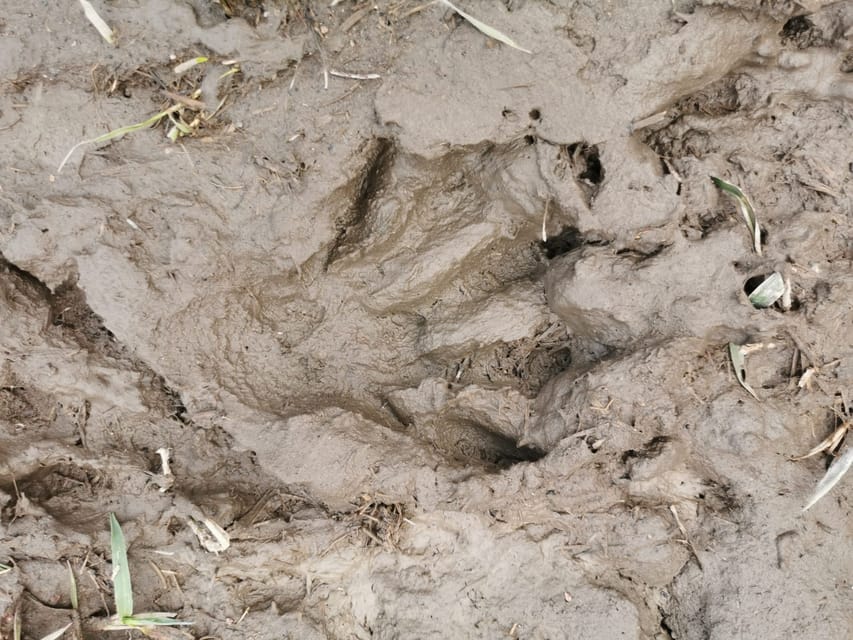
This is where the tour earns its keep. A lot of wildlife trips are just “look around and hope.” Here, your guide explains what you’re seeing—or might be seeing soon. You’ll learn about typical animal behavior, diets, and where they’re usually found during the season.
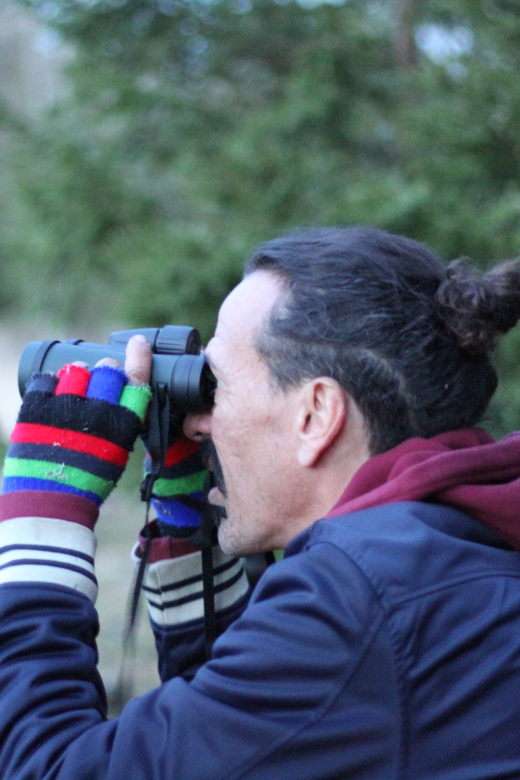
You’ll also get practice using your eyes. When you’re watching for something that can blend into the undergrowth, slow scanning works better than frantic staring. Binoculars are included, so you can actually inspect movement, shape, and distance instead of guessing.
Practical tip: bring a camera and keep your settings ready. Dusk lighting can change quickly, and a short walk means you don’t want to waste time fumbling with menus.
Dinner by campfire: fika-style comfort in the woods
One of the most memorable parts is the campfire meal. Your guide helps get the fire going in a bushcraft style, and dinner is cooked over the flames. This isn’t just a snack stop—it’s a full, social reset while you listen to stories about Swedish wildlife and what you might spot that evening.
The menu elements are clearly part of the charm: eco food and craft beers are included, and there’s Swedish cook-coffee plus campfire mud cake. The mix of warm drinks and sweet dessert makes it feel like proper Swedish outdoor time, not a rushed “tour meal.”
You should know the timing adapts to the season. The plan shifts based on sunset: during summer, dinner often comes first, then the hike. In winter, dinner typically happens after the hike. That switch helps you get the best experience with the available light.
What you’re likely to see: moose country, plus more
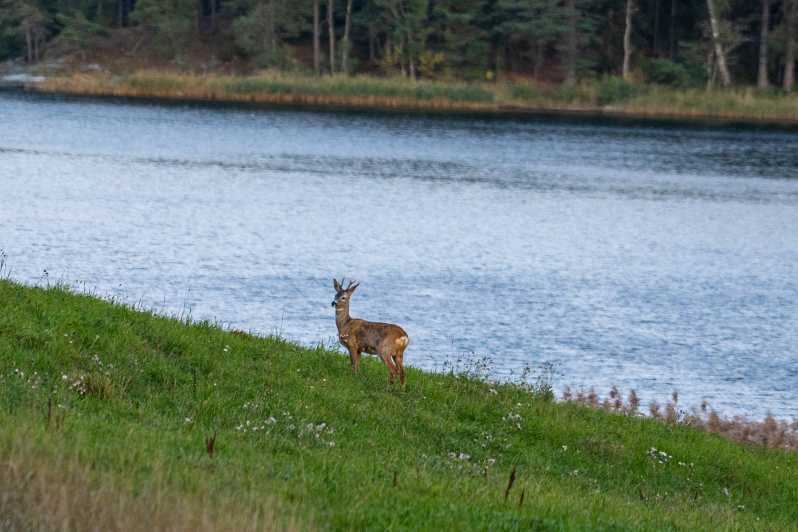
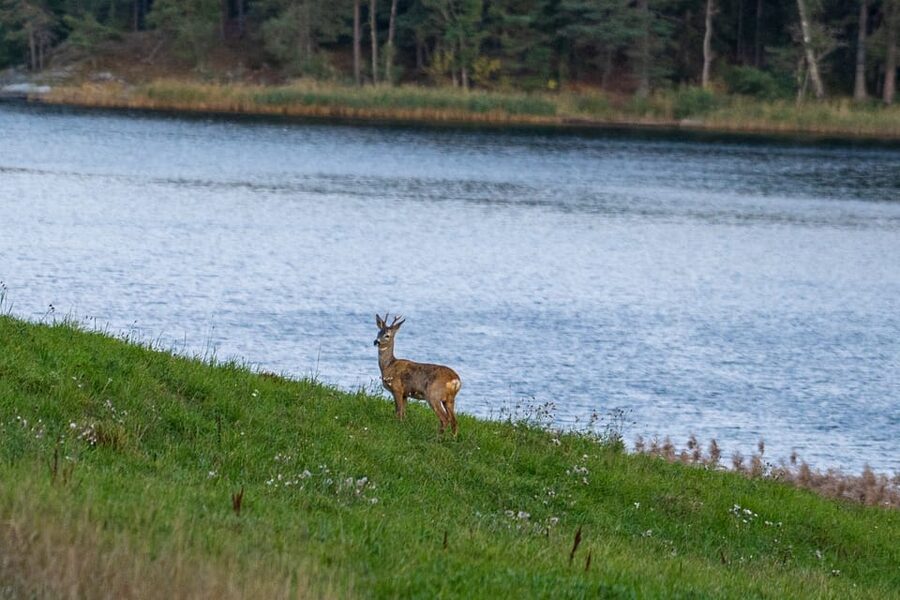
The headline animal is moose—often described as the king of the forest. But the tour doesn’t only chase one species. You’re set up to look for a broader cast of Swedish wildlife, including deer species, wild boar, beavers, foxes, and birds of prey.
From the wildlife targets and the pattern of sightings, you can expect the evening to feel like a live nature lesson. Some people record moose, fallow deer, roe deer, wild boar, cranes, geese, lapwings, hares, and even a beaver sighting. If visibility is lower—like fog rolling in—you may still catch movement or hear activity before you ever see the full animal.
In other words, your “win” isn’t only moose on the spot. You might see deer early, then tracks later, then a surprise after you return to the van for another search round. The best moments often happen when you’re paying attention to small signs.
After-sunset searching: torches, patience, and safe viewing
Once darkness arrives, you’re not done. The tour uses large torches so you can keep observing rather than ending early. This changes the feel of the experience. The forest becomes quieter, and animal behavior can feel more noticeable because the light is focused.
Your guide also keeps track of animal movement during the season. That’s valuable because you’re not just walking a generic loop. You’re following a plan based on where animals have been moving—and where they might be moving next.
A key expectation to set: animals in the wilderness are unpredictable. The tour doesn’t feed or attract them. That keeps the experience ethical and authentic, but it also means the forest decides what you get to see.
How the guides shape the experience (and why that matters)
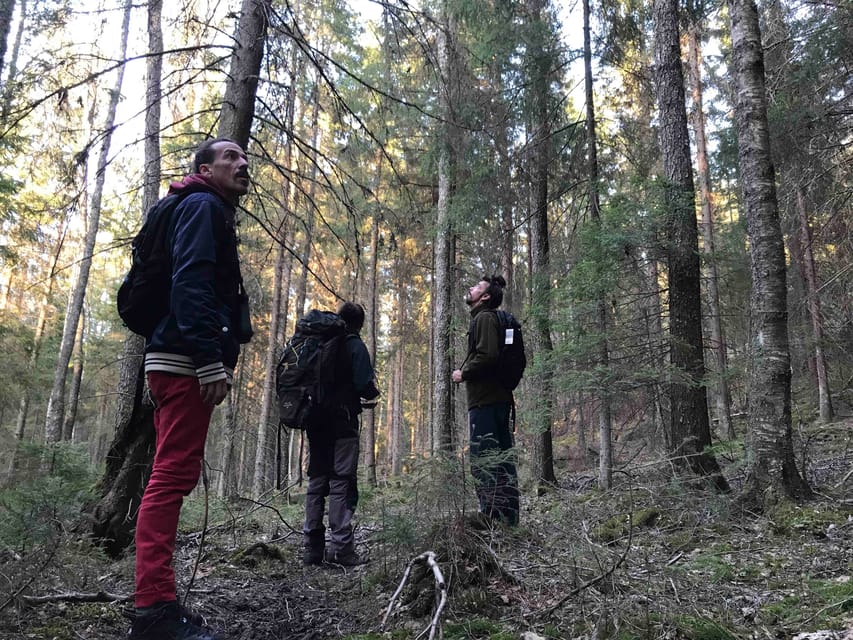
You’ll be in a small group with an English-speaking guide. The names you may encounter include Lucas, Daniel, Andrew, Saga, and Alex, depending on your date. What ties these guides together is the focus on animal behavior and habitat, not just spotting.
That makes a difference in how you experience the woods. When someone explains why an animal might be moving at a certain time, you stop treating sightings as random luck. You start thinking like a tracker—where food is, where cover is, and how the animals react to light and noise.
You’ll likely feel it most during the hike segment. Once you understand the “why,” track spotting becomes more than a fun word game. It turns into a real skill.
Price and value: what $160 includes, and what it’s really buying
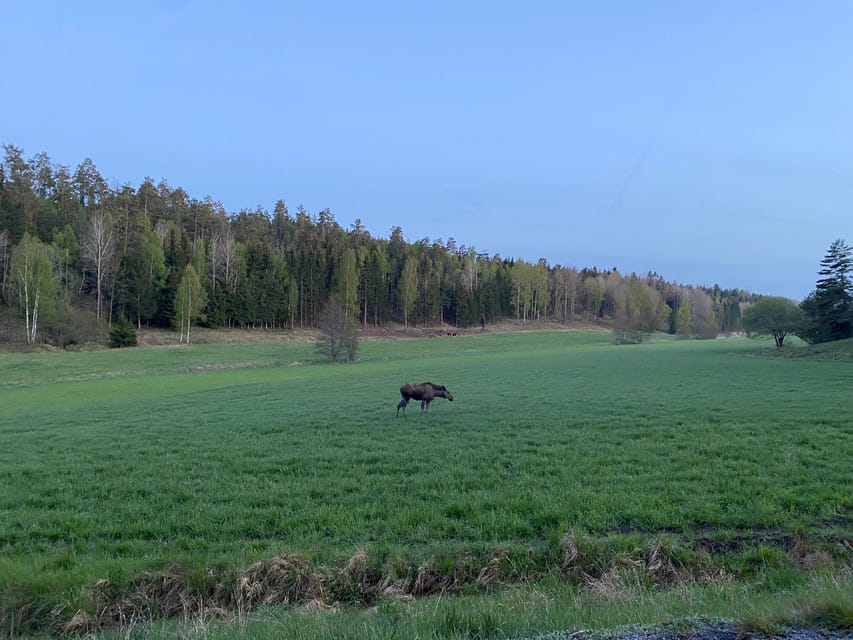
At $160 per person for about 5 hours, you’re paying for a package, not just a walk. What makes the price feel fair is what you get bundled in: transportation, a professional guide, quality binoculars, campfire cooking, and the included Swedish fika items.
You also get a small-group setup with a van that covers multiple sighting areas. That increases the odds of sightings without requiring you to rent a car, plan a route, or guess where animals will be active. For many visitors, that alone is the value.
Is it worth it if you’re hoping for moose every time? You can’t treat moose as guaranteed. But if you want a guided, structured way to see what Swedish wildlife does in the real evening hours, this price is tied to genuine experience-building elements.
Who should book this tour, and who should rethink it
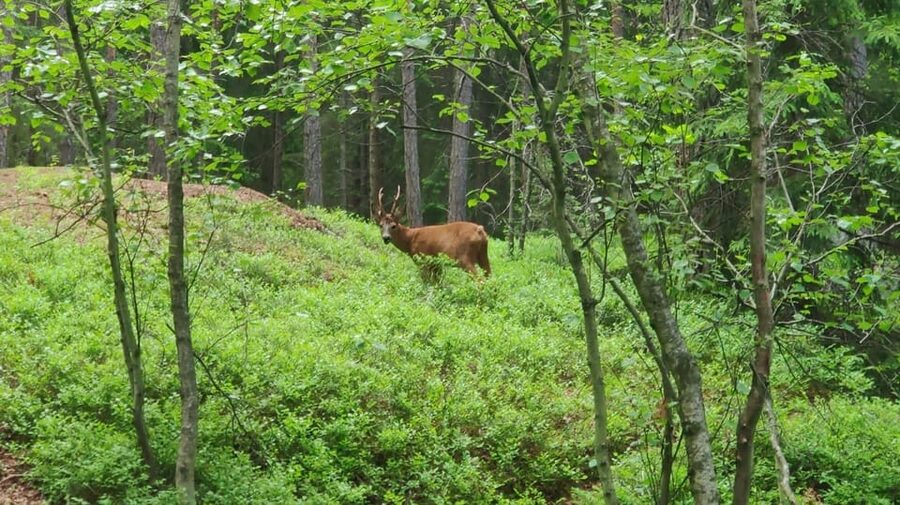
This is a great fit if you want a quick escape from Stockholm with meaningful time outdoors. It’s also well suited for families, including younger kids, because the hike is short and the setting does a lot of the heavy lifting for enjoyment. Several people love the mix of snow play in winter conditions and the calm feel of forest walks.
It’s especially good for:
- Wildlife lovers who like learning as they watch
- Photographers who want binocular time and dusk lighting
- People who want a low-stress outdoor evening with a warm meal
Reconsider if you’re very sensitive to cold or dark conditions. The tour includes after-sunset viewing when possible, and you should plan for weather changes. You can’t control fog or how active wildlife is that night, so you’ll want to go with patience.
What to bring so the evening feels easy
Pack with the assumption you’ll be outdoors for several hours, with a hike and time watching the forest. Bring:
- A camera
- Hiking shoes/boots suitable for uneven ground
- Weather-appropriate clothing
- A daypack
If you’re going in winter, dress as if you’ll be standing still a lot. Dusk searching and torch-lit viewing can mean long pauses where warmth matters.
Should you book Stockholm: Wildlife Tour With Dinner and Short Hike?
If you want a high-value evening that mixes wildlife tracking with a real campfire dinner, I’d book this. The small group size, the included binoculars, the van strategy, and the guided explanation add up to more than a coin-flip wildlife outing.
If you’re going mainly for a guaranteed moose sighting, treat it as a chance-based experience and not a promise. But if you can enjoy the forest itself—tracks, birds, deer movement, and the calm of dusk—this tour has the right ingredients to make the time feel special even when the animals are shy.
FAQ
How long is the Stockholm wildlife safari?
The tour lasts about 5 hours.
Where does the tour meet in Stockholm?
You meet at the True Nature Sweden Office at Urban Basecamp, Tideliusgatan 62, 118 69 Stockholm.
What’s included in the price?
Transportation by air-conditioned vehicle, a guided wildlife safari with a professional guide, quality binoculars, campfire cooking, eco food and craft beers, plus Swedish cook-coffee and campfire mud cake.
Is there an English-speaking guide?
Yes, there is a live tour guide in English.
How many people are in a group?
The group is limited to 8 participants per vehicle and guide.
What kind of hike is included?
You’ll hike to a viewpoint and then walk along a trail looking for tracks and signs of animals. The walk is short.
What animals are you looking for?
The safari focuses on Swedish wildlife such as moose, roe deer, fallow deer, wild boar, foxes, birds of prey, and other animals like beavers, cranes, and hares depending on what’s active.
Is dinner included?
Yes. You’ll cook and eat dinner by campfire, with cook-coffee and campfire mud cake included.
Will you feed the animals to make them appear?
No. The tour does not feed or attract animals, and you can’t assume any specific sighting will happen.