REVIEW · ST KITTS
Volcano Caldera (Mt. Liamuiga) Trek / Hike
Book on Viator →Operated by Rogers Eco Tours · Bookable on Viator
Volcano mornings on St. Kitts feel like a full reset. This guided Volcano Caldera (Mt. Liamuiga) trek takes you high above the Caribbean for sweeping ocean views, then pairs the hike with key stops tied to the island’s darker and more complicated past. I especially like the way the day connects physical effort to place-based learning, and I also appreciate the clear payoff at Brimstone Hill Fortress National Park.
A drawback to plan around: you need a strong fitness level, and if you’re driving on your own, finding the correct start point can be a little stressful compared with having pickup arranged.
In This Review
- Key Highlights You’ll Actually Notice
- A Caldera Trek That Links Views to Real Places
- Price and What $90 Really Buys You
- Getting There: Newton Ground and the 7-Hour Flow
- The Volcano Caldera Climb: From Sea-Level Feel to Crater-Rim Views
- Bloody River Stop: A Carib Massacre Site You Should Take Seriously
- Challengers: First Lands Owned by Free Slaves
- Brimstone Hill Fortress National Park: The UNESCO Finish
- What I’d Pack and Plan For (So You Don’t Fight the Day)
- Group Size and Guide Experience: Why It Feels Personal
- Who Should Book This Trek (and Who Might Want Another Option)
- Quick FAQ Before You Go
- FAQ
- How long is the Volcano Caldera (Mt. Liamuiga) trek?
- Where does the tour start and end?
- Is pickup offered?
- What kind of fitness level do I need?
- Are there free admissions at the history stops?
- How big is the group?
- What if weather is bad?
- Should You Book the Volcano Caldera (Mt. Liamuiga) Trek?
Key Highlights You’ll Actually Notice
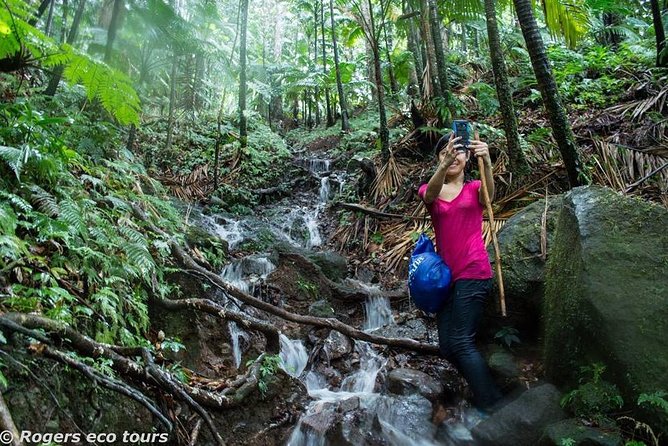
- Crater-rim moments: See a volcanic crater opening near the rim as part of the climb
- History stops that fit the route: Bloody River and Challengers are built into the hike day
- Over 2,500 ft elevation payoff: Reach heights that make the views feel earned
- UNESCO fortress visit: Finish at Brimstone Hill Fortress National Park, a World Heritage site
- Small group size: A max of 30 keeps the hike from turning into a moving crowd
A Caldera Trek That Links Views to Real Places
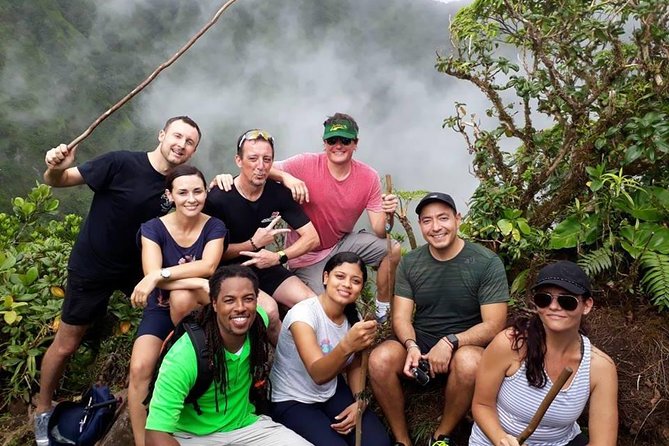
If you want St. Kitts in one day, this hike is a smart choice. You’re not just walking for scenery. You’re walking through a volcanic island where the land itself explains why the coastline looks the way it does, and then you get to stand at sites tied to the history of colonial violence and the aftermath for enslaved people who gained freedom.
The day has two moods. First, you climb. The air tends to feel cooler as you go higher, and your attention shifts to footing, breathing, and the moment the sea starts looking “too far away.” Then the mood changes at the stops, where the guide’s narration turns the landscape into context.
I like that the experience is structured like a route, not a random sequence of stops. Bloody River and Challengers aren’t added at the end just to fill time. They’re placed into the day so the story is part of the walk, not tacked on.
You can also read our reviews of more hiking tours in St Kitts

Price and What $90 Really Buys You
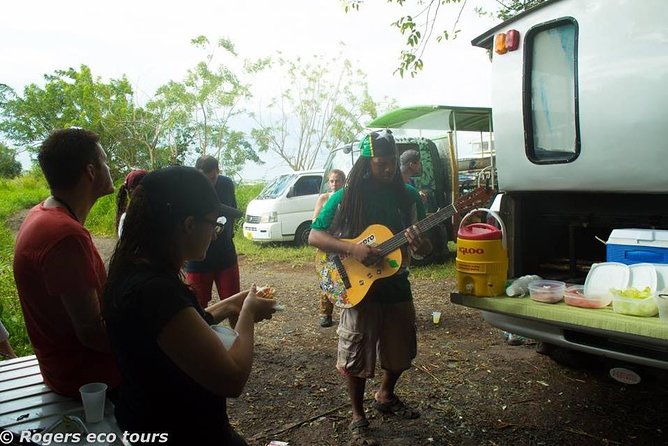
At $90 per person, this isn’t a $20 bus excursion, and it shouldn’t be. You’re paying for a guided hike that lasts about 7 hours, includes a planned set of history stops, and ends at a UNESCO World Heritage site.
Here’s the value math I use when deciding if a guided hike is worth it:
- You get meaningful stops, not just “walk and photos.”
- The route includes specific places with free admissions at Bloody River and Challengers (so at least those two pieces don’t quietly add costs).
- The time investment is real—this is a half-day commitment—so having a professional guide matters.
Could it feel pricey if you show up confused or miss the smoothest part of the experience? Yes. One review noted that if you skip pickup and rely on the app pin/directions, it can cause stress. If you want this to feel easy from start to finish, either take the pickup offered or double-check your navigation before you leave.
Getting There: Newton Ground and the 7-Hour Flow
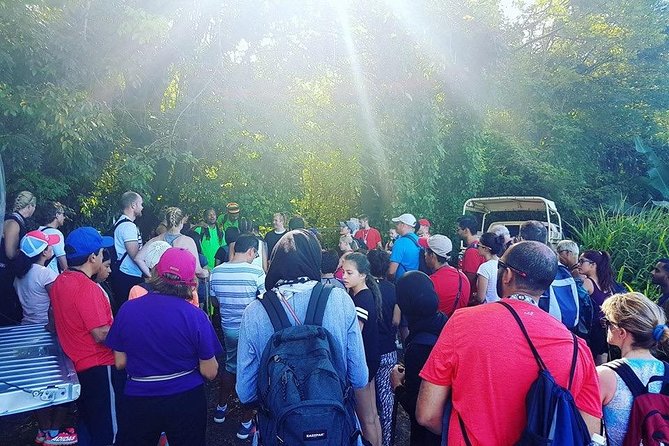
The tour starts at Newton Ground, St Kitts and Nevis, and it ends back at the meeting point. That round-trip structure is helpful. You’re not wondering how to get home after you’re tired and sweaty.
Pickup is offered, and the nicest version of this day is to let the operator handle the timing. One review said the port pickup and drop-off went smoothly, and that kind of reliability matters when the schedule is tight and the hike depends on weather.
Plan for a full block of time. About 7 hours on the calendar means you’ll want to eat before you start (or at least plan a meal soon after). Wear practical shoes. This is a hike with climbing at altitude, so you need stable footing more than fashion.
The tour runs daily during the listed season, with opening hours from 8:30 AM to 3:30 PM. That window gives you an idea of when you’ll be moving through the island’s interior and when you’ll finish back down.
The Volcano Caldera Climb: From Sea-Level Feel to Crater-Rim Views
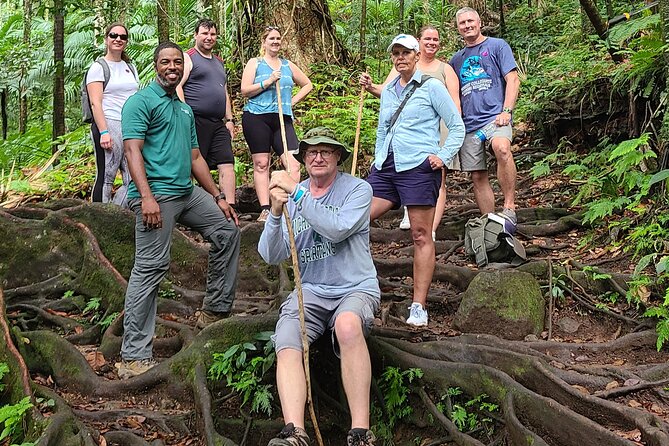
The main event is the Volcano Caldera (Mt. Liamuiga) trek. You start high above the Caribbean Sea, then keep gaining elevation toward the cone and the caldera area.
What I find most compelling is the promise of the opening of a volcanic crater close to the rim. That’s not a generic lookout where you get a distant view and leave. The route is built so you reach a point where the volcanic story becomes physical—close enough that it feels like you’re standing at the edge of something the island has been through.
Also, the height target is specific: you’ll reach more than 2,500 ft above the sea. For a traveler, that number matters because it changes the experience. Breathing can feel different, and the way you experience the coastline changes too. The sea can look stretched out, and the island’s shape becomes easier to understand from above.
Practical tip: go steady. On climbs like this, the fastest pace is usually the slow pace that keeps you steady. If you start too hard, you’ll pay for it later—especially when you’re trying to appreciate the view and still keep your footing secure.
Bloody River Stop: A Carib Massacre Site You Should Take Seriously
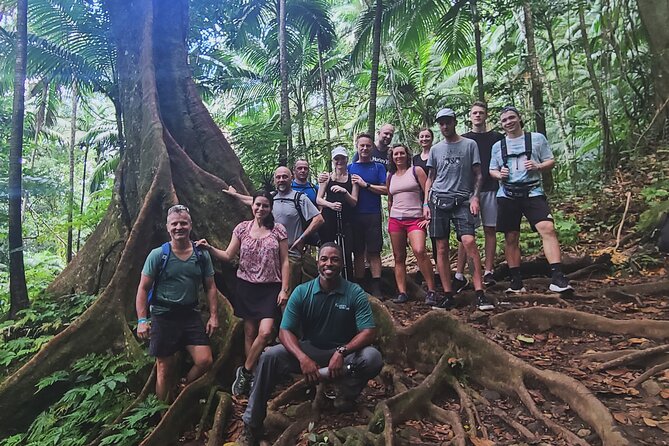
The first guided history stop is Bloody River. As you pass by, the guide shares a brief history of the Carib massacre tied to the river.
This is one of those moments where the landscape stops being “pretty” and starts being “meaningful.” Rivers are easy to ignore when you’re moving, but this one is part of a specific story. You’re meant to slow down just enough to understand why the place is remembered.
A small but helpful detail: the itinerary notes admission ticket is free for this stop. That means you can focus on the experience itself, not extra costs that pop up mid-day.
One thing to keep your expectations grounded: the stop is brief. It’s not a museum-like deep dive. The goal is to give context at the location while the hike day keeps moving.
Challengers: First Lands Owned by Free Slaves
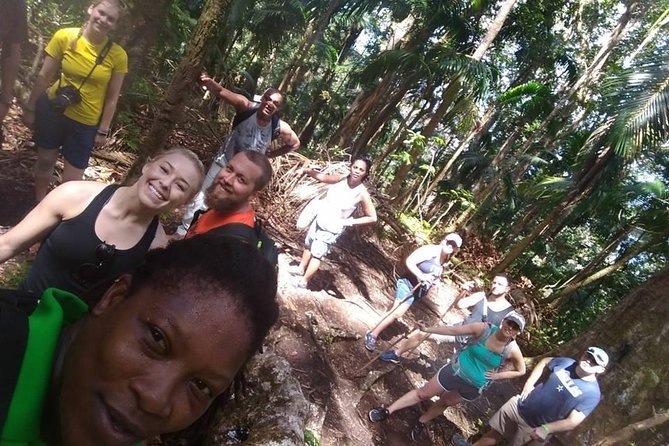
Next comes Challengers, another short but important stop. You’ll learn about the first lands owned by free slaves—a subject that deserves more attention than it usually gets on typical vacation schedules.
This stop adds balance. Bloody River centers on violence. Challengers centers on a different chapter: land ownership and the effort to build life after freedom. Even if the stop is short, the way it’s placed in the day helps you see the island’s history as more than one grim headline.
Like Bloody River, this stop also shows free admission. In practical terms, it makes the day feel more efficient: you’re paying for the guided trek and the full route experience, and you’re not getting hit with extra entrance fees at these specific points.
Brimstone Hill Fortress National Park: The UNESCO Finish
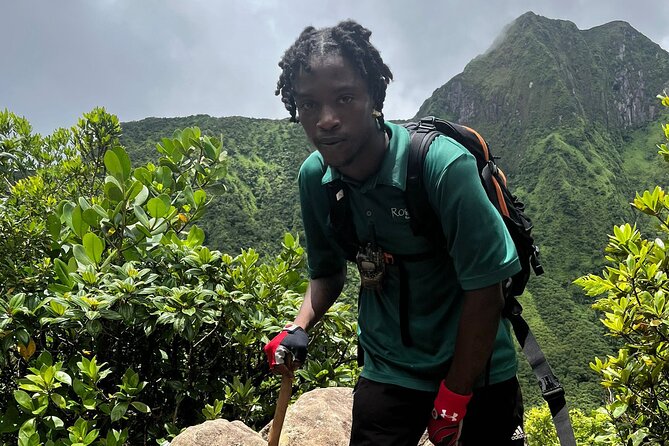
The day ends at Brimstone Hill Fortress National Park, a UNESCO World Heritage site. It’s a well-preserved fortress on a hill on St. Kitts, and visiting it is the perfect “wrap” to the hike.
Here’s why the finish works so well: you’ve just spent hours exerting yourself on Mt. Liamuiga. When you reach Brimstone Hill, you’re still at height, still aware of how terrain shapes survival and control. A fortress doesn’t make sense as an idea unless you understand the advantage of elevation—so the hike sets you up to appreciate what you’re seeing.
The fortress sits in a bigger historical frame too. The park’s UNESCO status isn’t just a label; it signals that the site has been recognized for its preservation and historical importance. The day closes with a sense of accomplishment, not only physical but also intellectual.
This part may feel less like a “walking hike” and more like a guided visit. That’s helpful if you want to keep your energy for photos and slow moments near the fortress viewpoint.
What I’d Pack and Plan For (So You Don’t Fight the Day)
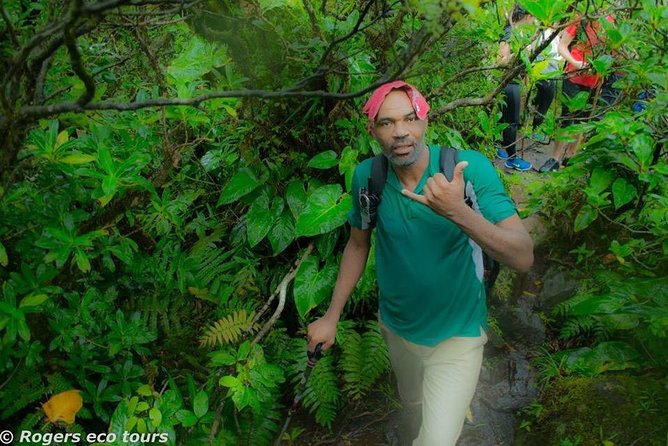
This is a hike with real elevation and a schedule that needs good weather. So, make your choices based on that reality.
Bring:
- sturdy, closed-toe hiking shoes with good grip
- a water bottle you can keep refilling
- sun protection (cap + sunscreen), because you’re above sea level for parts of the day
- a light layer for cooler temps at higher points
Also consider your pace. This experience is best if you genuinely enjoy walking and can handle uneven ground. The operator flags that travelers should have a strong physical fitness level. That’s not the kind of wording that means “easy stroll.”
And if you’re sensitive to navigation stress, don’t wait until the morning to figure out where you’ll meet if you’re driving yourself. One review specifically called out trouble with the start point name/pin on the app.
Group Size and Guide Experience: Why It Feels Personal
This trek caps at 30 travelers, which is a meaningful detail. In a small-to-medium group, you’re more likely to get:
- better communication from the guide
- fewer delays at stops
- a hike pace that feels manageable
Reviews back this up with a strong overall score and a 100% recommendation rate. People also highlighted smooth pickup/drop-off and the fact that the group wasn’t too big. That combination makes the day feel organized instead of chaotic.
The operator is Rogers Eco Tours, so if you’re comparing options, look for that name and check what pickup looks like for your location and timing.
Who Should Book This Trek (and Who Might Want Another Option)
This tour fits you if:
- you want a guided volcano hike plus structured history stops
- you’re comfortable with elevation and can handle a full 7-hour day
- you like UNESCO sites, but you’d rather earn the viewpoint first
- you want a smaller group hiking experience (max 30)
You might think twice if:
- you’re hoping for a casual, low-effort walk
- you prefer self-guided flexibility more than a set route
- you’re going to skip pickup and you’re anxious about meeting-point accuracy
If you’re traveling with service animals, note that service animals are allowed. And the meeting point is near public transportation, which can help if you’re not using a taxi.
Quick FAQ Before You Go
FAQ
How long is the Volcano Caldera (Mt. Liamuiga) trek?
It runs about 7 hours (approx.).
Where does the tour start and end?
It starts at Newton Ground, St Kitts & Nevis, and ends back at the same meeting point.
Is pickup offered?
Yes, pickup is offered.
What kind of fitness level do I need?
You should have a strong physical fitness level.
Are there free admissions at the history stops?
Bloody River and Challengers both note free admission.
How big is the group?
The maximum group size is 30 travelers.
What if weather is bad?
The experience requires good weather. If it’s canceled due to poor weather, you’ll be offered a different date or a full refund.
Should You Book the Volcano Caldera (Mt. Liamuiga) Trek?
I think you should book this if you want a full, guided St. Kitts experience: volcanic views, specific history stops, and a UNESCO finish that actually feels connected to what you’ve been doing all day. The price makes more sense when you factor in the length, the guided route, and the fact that you hit multiple meaningful sites without extra ticket friction at Bloody River and Challengers.
But if meeting-point clarity could stress you out, your best move is to use the pickup offered and show up early. Do that, and this turns into one of those days that leaves you with more than photos—like you understand the island’s shape and story a little better.