REVIEW · RIO DE JANEIRO
Rio De Janeiro: SUGARLOAF MOUNTAIN HIKE & CLIMB
Book on GetYourGuide →Operated by Andre Rio Climbing Instructor · Bookable on GetYourGuide
Sugarloaf Mountain turns a fear walk into a rope climb. If you want Rio views plus a real mini-adventure, this guided route delivers Pão de Açúcar the hard way.
I especially like two things: the safety-first coaching from Andre Rio Climbing Instructor, and the combo of hiking + a short technical climb that still feels beginner-friendly. You get unbelievable vantage points over Copacabana and the Bay of Guanabara, and the nature reserve path makes it feel like more than just a summit mission.
One real consideration: you need solid fitness and a head for heights. The route is steep in spots, and parts of the trail and rock will feel exposed, especially if you’re not comfortable with scrambling.
In This Review
- Key things I’d watch for
- Why this Sugarloaf climb beats the cable car
- Meeting in Urca: the 4-hour rhythm and what to expect
- The nature reserve trail: tropical plants, rocks, and surprise wildlife
- The 20-meter wall: how the rope makes a beginner climb possible
- Summit payoff: Copacabana and Guanabara Bay in one big view
- Walking down, cable car backup, and managing your energy
- What to pack and wear (so you don’t hate the last 10 minutes)
- Price and value: is $60 a fair trade in Rio?
- Who should book this, and who should skip it
- Should you book this Sugarloaf hike-and-climb?
- FAQ
- How long is the Sugarloaf Mountain hike-and-climb?
- Where does the tour start?
- Do I need climbing experience?
- What is the most challenging part of the climb?
- What’s included in the price?
- Is the cable car ticket included?
- What group size is it?
- What languages does the instructor speak?
- What should I bring, and what isn’t allowed?
Key things I’d watch for
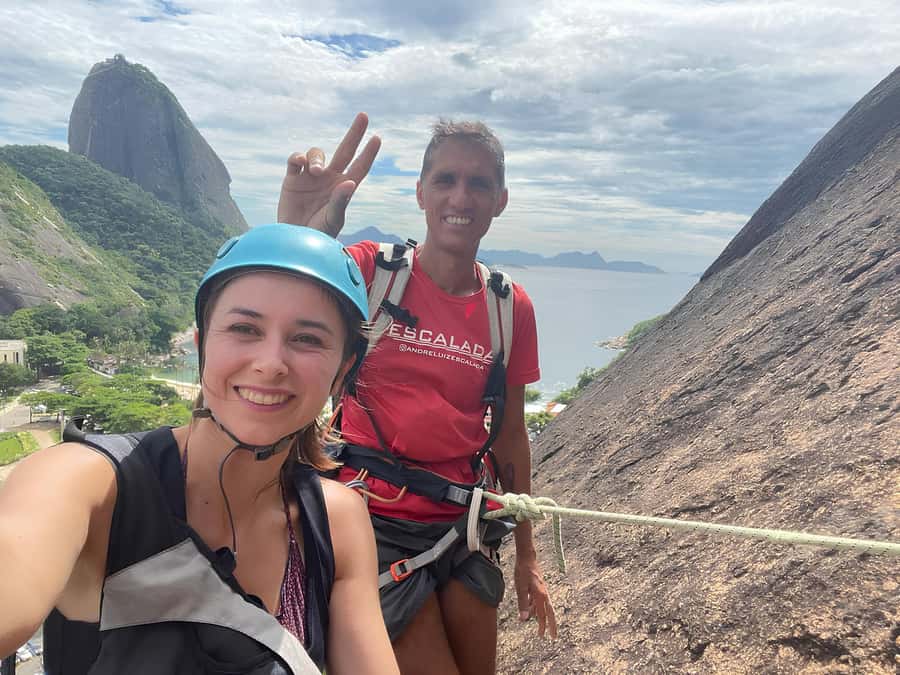
- Small group of up to 5 means more attention and less waiting around
- No prior climbing experience required, but you do need good balance and willingness
- A standout 20-meter vertical wall is the main technical challenge, handled with ropes and gear
- Start at Urca and earn your views with a nature reserve approach
- You can’t use sandals/flip-flops, so bring proper grip shoes
- Views usually beat the crowds when weather and timing cooperate
Why this Sugarloaf climb beats the cable car
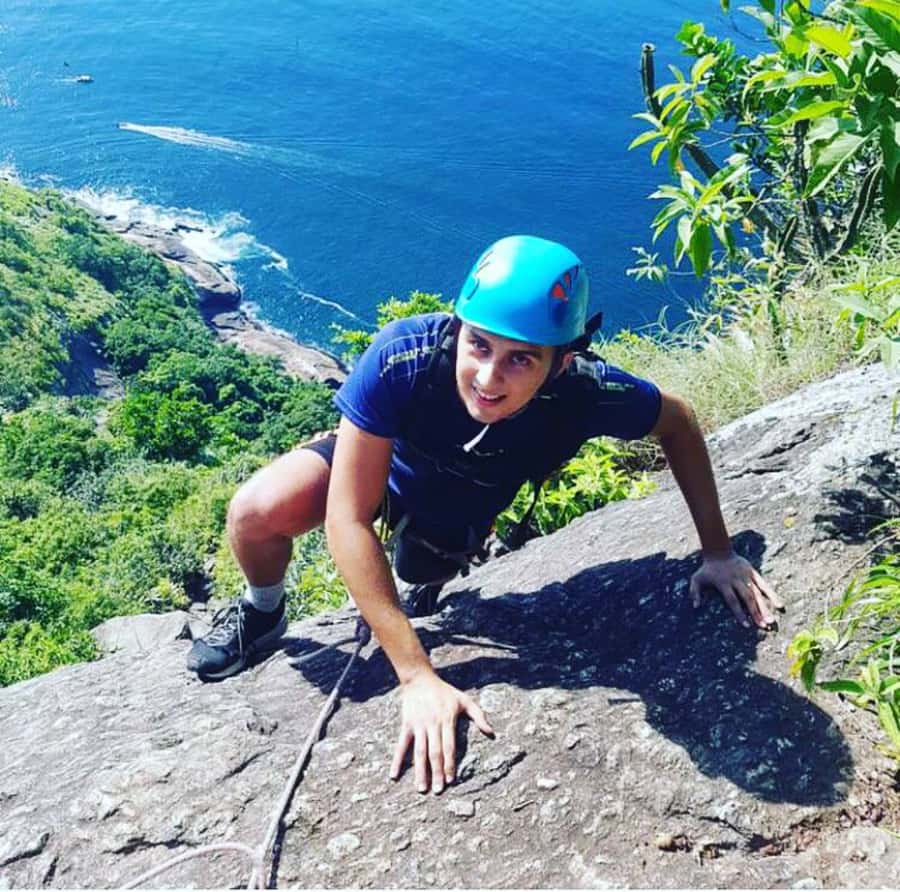
Yes, the cable car is iconic. But it’s also a shortcut that skips the best part of this experience: earning your way up with your own legs and then using a rope for one proper rock moment.
This is a different kind of Rio outing. You’re not just looking at Sugarloaf Mountain from below or standing in a line at the top. You hike into the nature reserve, hit a short technical climb, and then you earn the panorama over Copacabana and the Bay of Guanabara with your body still buzzing from effort.
And here’s the practical bonus: doing it this way turns one “sightseeing day” into a story you’ll replay for months. The 4-hour format keeps it punchy—no whole-day slog—yet it still feels like an activity, not a transport plan.
You can also read our reviews of more hiking tours in Rio De Janeiro


Meeting in Urca: the 4-hour rhythm and what to expect

This runs about 4 hours, in a small group capped at 5. Your instructor speaks Portuguese, Spanish, and English, which matters because safety instructions need to land fast and clearly.
The day starts on foot in Urca, at the foot of Sugarloaf Mountain. From there, the route alternates between moving through nature and getting your heart rate up on rocky sections. You should expect a mix of steady hiking and short bursts of tougher footing.
One detail that affects your planning: the climb time can be scheduled rather than fixed at an early “default” hour. Build in some flexibility the day you book. If you’re the type who hates uncertainty, at least know that the organizer will coordinate starting times.
The nature reserve trail: tropical plants, rocks, and surprise wildlife
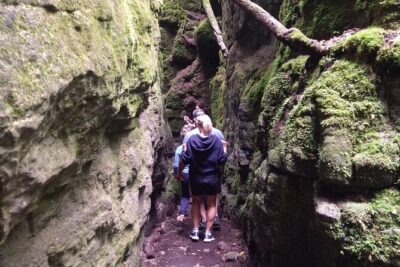
The first stretch is a short hike near the beach and mountain base area in Urca. Then it goes down a narrow, more challenging path through the nature reserve.
This part is underrated. It’s not just “getting from A to B.” You pass tropical plants and move along rocky terrain where careful steps matter. The route description is honest about having to take “safe steps” along the rocks—so don’t treat it like a casual stroll.
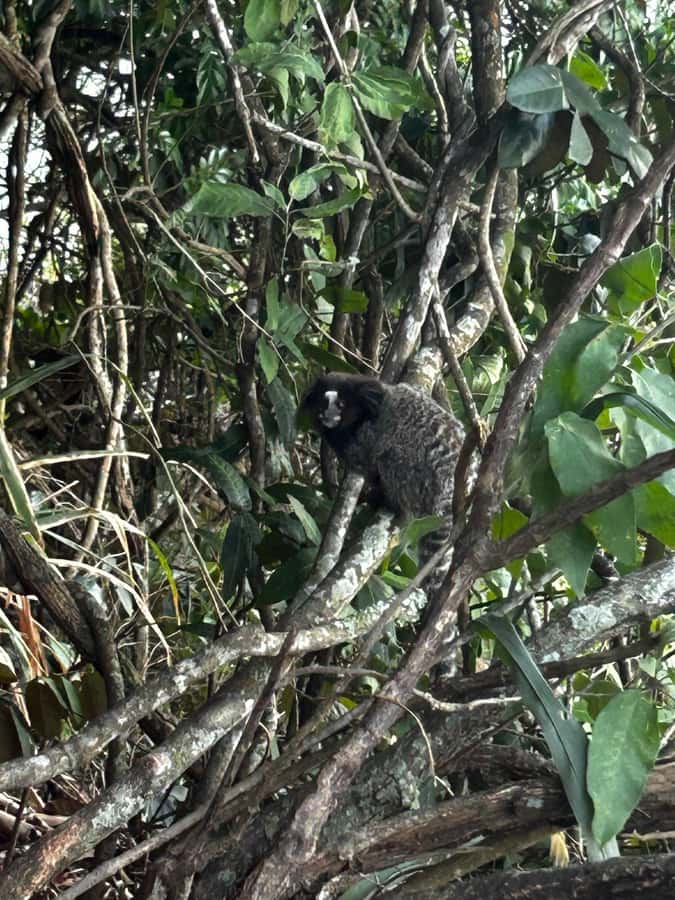
And yes, you may see monkeys. It’s a quick “hey, look at that” moment, but those small living surprises make the whole mountain feel less staged. You’re moving through a real environment, not just climbing a monument.
What I’d do mentally: slow down on the descent and watch your footing. If you rush this section, you’ll feel it later when you’re trying to focus on the climbing piece.
The 20-meter wall: how the rope makes a beginner climb possible
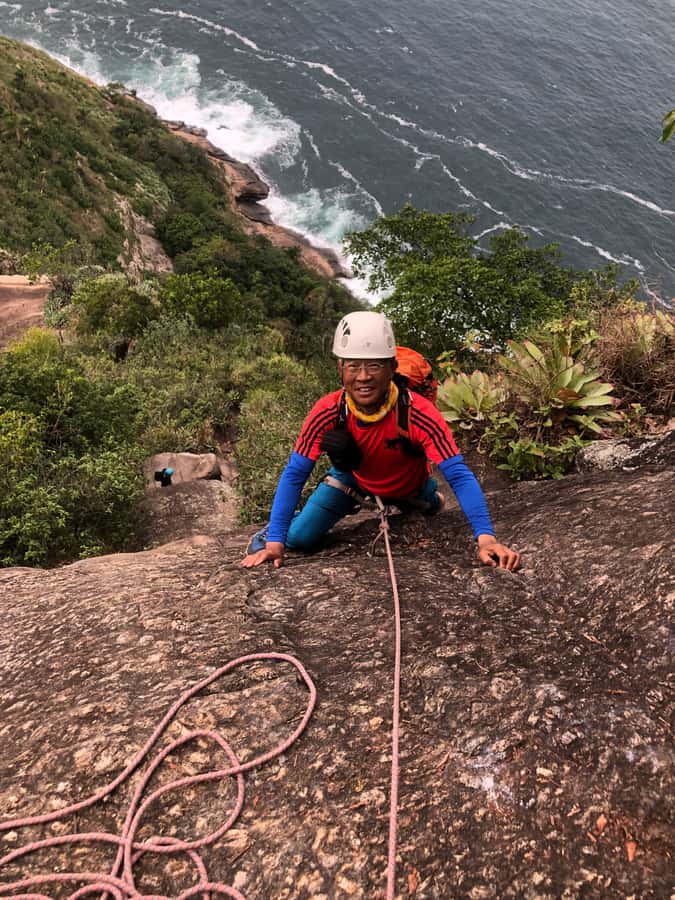
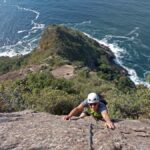
This is the star moment: the biggest challenge is a roughly 20-meter vertical wall. Even if you’ve never climbed before, the climb is built for people who are new—because you’re not doing it “solo.”
You’ll use certified climbing equipment and follow your experienced instructor’s directions. The equipment and the instructor’s support are the difference between a scary vertical wall and a controlled, teachable step-up.
Expect a mix of:
- learning where to place hands and feet
- using the rope system for stability and confidence
- getting guided help if you get nervous on exposed sections
The key point: you don’t need climbing knowledge. But you do need the willingness to try and the ability to follow safety coaching. If heights mess with you, still go—just be ready to lean into the instruction and take it step-by-step.
Also, weather matters. If the rock is wet, the guide will adjust based on safety. You can end up waiting or rescheduling, but the goal stays the same: climb when it’s safe and the surface is manageable.
Summit payoff: Copacabana and Guanabara Bay in one big view
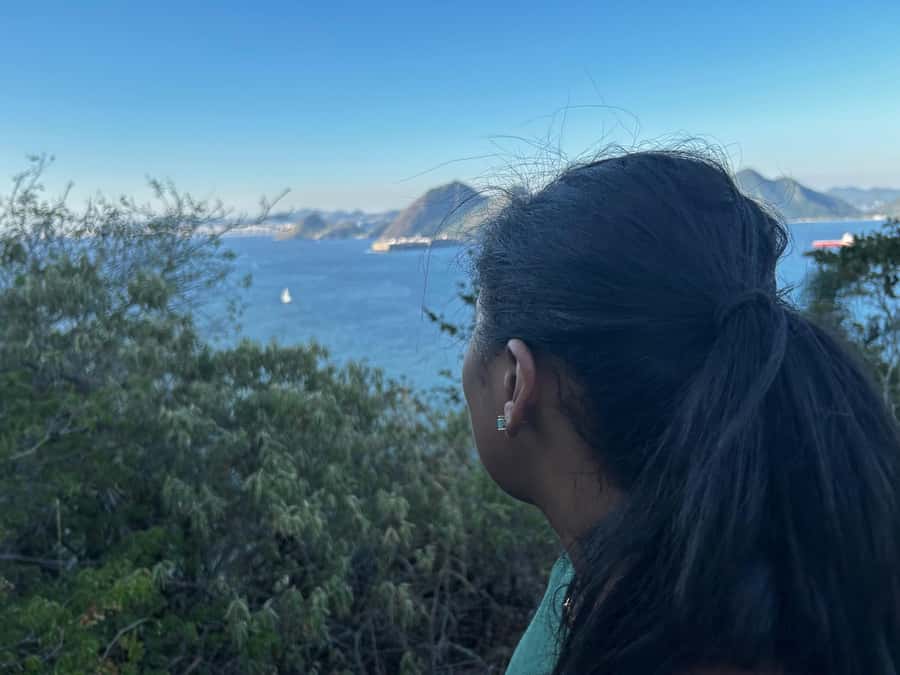
Once you clear the wall and keep going for the last few meters, the summit reward hits fast. You get breathtaking views over Copacabana and the Bay of Guanabara—the kind of panorama that makes your phone camera feel underpowered.
Timing can help. When the conditions line up, you may reach the top before the biggest crowds, which makes the viewpoint feel calmer and more spacious. Even if you do encounter other people, the perspective from up there—and the fact you earned it by climbing—changes how you experience it.
This is where the whole day clicks. The rocky trail, the steep moments, and that wall stop feeling like “hard work” and start feeling like the price of admission to the best angle in Rio.






Walking down, cable car backup, and managing your energy
Plan to hike down as part of the experience. The route is designed as an active itinerary, not a “climb up then ride everything back” day.
That said, there’s a practical reality: your legs will have an opinion by the time you finish the technical wall. If you don’t want to do all the downhill on foot, a cable car option can come into play.
Two important details to keep straight:
- Cable car tickets are not listed as included in the base cost.
- In practice, the guide may handle or cover the first cable car leg on the way down, with the rest of the return done as hiking downhill.
So don’t assume you’ll never pay extra. Just know you’re not starting from zero help either. Your instructor will guide you on the easiest way to get down based on your condition and the day’s route.
What to pack and wear (so you don’t hate the last 10 minutes)

This activity is sweaty and steep. Dress and pack like you’ll be moving on uneven ground.
Bring:
- Sports shoes with good grip (this matters a lot on rocky sections)
- sunscreen
- sunglasses
- a small energy snack
- enough to drink
- comfortable, light athletic clothing
Not allowed:
- sandals or flip-flops
- pets (assistance dogs are allowed)
One small, practical tip: wear clothing you don’t mind getting a bit dirty. You’re moving through a nature reserve with rock and tropical plants, and “clean clothes” usually loses this game.
If you’re prone to sunburn, treat Rio like it means business. The summit views are worth it, but you’ll want to protect your skin before you start moving.
Price and value: is $60 a fair trade in Rio?
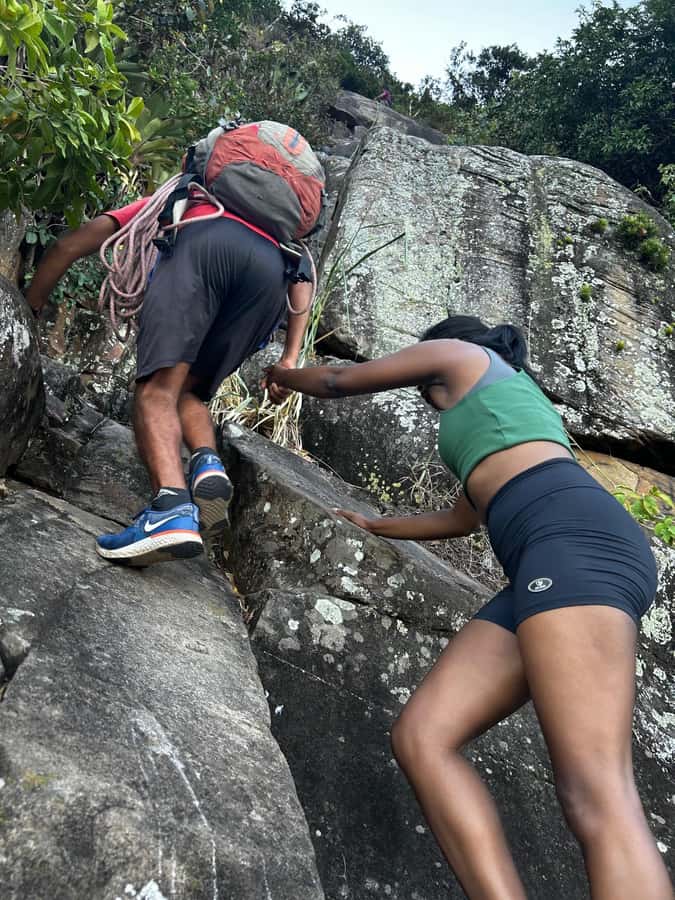
At $60 per person for about 4 hours, you’re paying for three things: a guided climb, certified safety equipment, and an instructor who can manage beginners on a real vertical wall.
Cable car tickets alone might feel cheaper, but they don’t buy safety training, gear, or that hands-on rock-climbing moment. This cost is basically the “you won’t figure this out alone” fee—plus the fact that the group stays small and the instructor can actually watch you.
When the route is well run, the value shows up in comfort:
- you get pacing that doesn’t rush you
- you get help if you freeze on exposed steps
- you get the right technique fast enough to finish confidently
If you want purely scenic views, save money and ride the cable car. If you want Rio with effort and guidance, this price is pretty reasonable for what you get—especially with a small group size.
Who should book this, and who should skip it
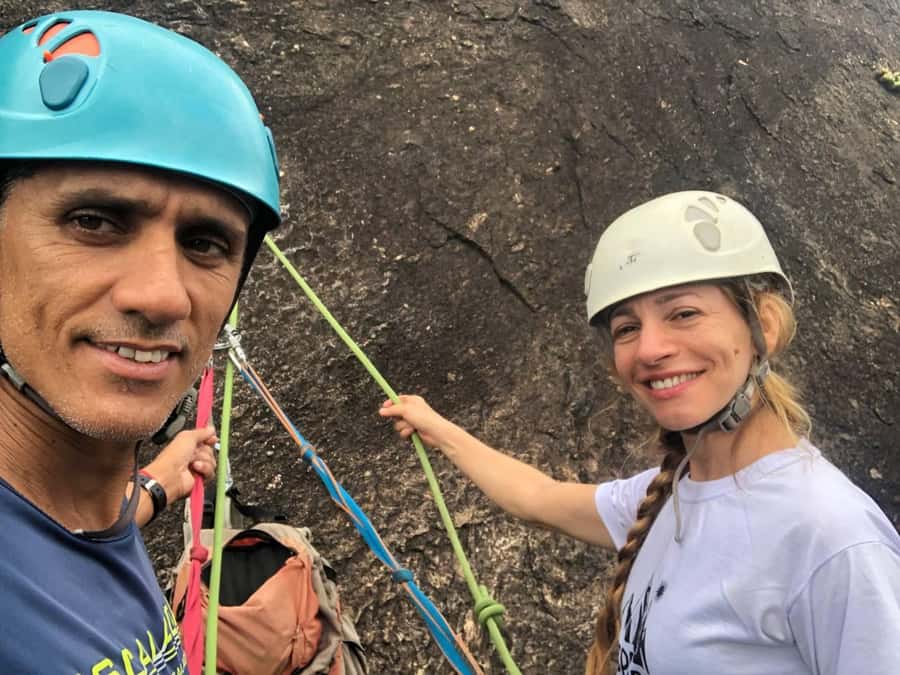
This isn’t for everyone, and that’s a good thing. It filters the experience so you don’t turn it into a stress fest.
Perfect fit if you:
- have a good level of fitness
- handle heights better than average
- want a short climbing challenge without needing prior experience
- like nature walks mixed with a clear goal (summit views)
Skip it or seriously reconsider if you:
- have altitude sickness (listed as not suitable)
- have low fitness (the climb and hike are described as demanding)
- want a calm, mostly flat sightseeing day
- are under 18 (not suitable for children under 18)
A friendly reality check: the rock climbing part may be around 20 meters, but you can still arrive at that area already tired from steep hiking. So pace yourself early. If you start too fast, the wall arrives like a surprise exam.
Should you book this Sugarloaf hike-and-climb?
Yes, if you want the real Sugarloaf experience: hike in, climb with support, and leave with a view that feels earned.
Book it if:
- you’re comfortable with steep terrain and some exposure
- you’re okay following instructions closely
- you want a small-group guide-led day rather than a mass-tour cable car ride
Think twice if:
- heights make you panic
- your fitness is low
- you need a fully relaxed schedule with minimal walking
If you’re on the fence, here’s the decision rule I’d use: if you’d rather work for the view than just purchase the view, this tour fits. And if you want a guide like Andre Rio Climbing Instructor taking a security-first approach while helping you place hands, find footing, and manage the rope wall, you’ll likely feel like you made the smartest choice in Rio.
FAQ
How long is the Sugarloaf Mountain hike-and-climb?
It lasts about 4 hours.
Where does the tour start?
You start with a short hike in Urca at the foot of Sugarloaf Mountain.
Do I need climbing experience?
No climbing knowledge is required, but you do need good fitness and a head for heights.
What is the most challenging part of the climb?
The biggest challenge is a roughly 20-meter vertical wall, done with climbing equipment and help from your instructor.
What’s included in the price?
The tour includes guided hiking and climbing, certified climbing equipment, an experienced guide, and taxes/fees.
Is the cable car ticket included?
No. Cable car tickets are not included for the way back if you decide you don’t want to walk.
What group size is it?
It’s a small group limited to 5 participants.
What languages does the instructor speak?
Portuguese, Spanish, and English.
What should I bring, and what isn’t allowed?
Bring sunglasses, food and drinks, sunscreen, comfortable clothes, and sports shoes/sportswear. Sandals or flip-flops are not allowed. Pets are not allowed, though assistance dogs are allowed.