REVIEW · RIO DE JANEIRO
Rio de Janeiro: Tijuca Forest Challenge Hike Full-Day Trip
Book on GetYourGuide →Operated by Jungle Me · Bookable on GetYourGuide
A jungle workout with real payoff. This full-day Tijuca Forest challenge hike is built for intrepid hikers who want uncommon trails and not just the usual Rio viewpoints. I love how the route mixes big elevation, rainforest discoveries, and several tangible stops, from Cascatinha Taunay to cave country.
What I like most is the small group size (max 6), which helps you move at a human pace and actually hear what your bilingual guide points out. The other big plus is the way the day is paced: steady climbing, then a quieter, lesser-used stretch through the forest. The main drawback to weigh is the fitness demand—this is a hard hike with 848 m of elevation gain and rough footing, and you’ll feel it.
In This Review
- Key things that make this hike special
- Why This Tijuca Forest Challenge Feels Like Real Discovery
- The Fitness Reality Check (Because Hard Means Hard)
- Picking Up in Rio’s South Zone and Settling Into the Day
- Cascatinha Taunay: Where the Forest Starts Talking
- Climbing Into Tijuca National Park: How the Route Changes Your Perspective
- The Big View Moment: Taquara Hill and Two Possible Rio Panoramas
- Coffee Farm Ruins and the Track That Tends to Stay Quiet
- Grotto and Cave Stops: When the Hike Turns Adventurous
- Cascata da Baronesa: The Waterfall Cooling Off You’ll Actually Need
- Vista Chinesa Bonus: A Working-Days Only Summit Detour
- Wildlife and Weather: Why Rainy Days Still Work in Tijuca
- Guides Make the Difference: What You Should Look For
- Price and Value: Is $86 Fair for a Full-Day Challenge?
- What to Pack (So You Don’t Get Caught Off Guard)
- Who Should Book This (and Who Should Choose Another Hike)
- Should You Book the Rio Tijuca Forest Challenge Hike?
- FAQ
- How long is the total trip and how long is the hike?
- How hard is the hike?
- Is food included?
- Are drinks and water included?
- What languages does the guide speak?
- Will I be taken to Vista Chinesa?
- What age and health restrictions apply?
Key things that make this hike special
- 10.4 km with 848 m of gain: a serious rainforest workout, not a stroll
- Small group (up to 6): more attention, fewer distractions, better photo stops
- Coffee farm ruins + grotto/cave stops: history and geology in one day
- Waterfall cooling off: plan for towel and a bathing suit
- Taquara Hill views: when skies cooperate, Rio looks wildly different
- Vista Chinesa on working days: a bonus summit when vehicles are allowed
Why This Tijuca Forest Challenge Feels Like Real Discovery
Rio has a way of luring you toward big postcard hits. This hike is a different energy. You start in the heart of Tijuca Forest National Park and spend the day moving through a trail circuit that’s intentionally not the most crowded. The payoff is that you get to feel what “urban forest” means when you’re surrounded by rainforest instead of city noise.
I like that this is not marketed as easy sightseeing. It’s built around effort: you climb, you scramble a little on uneven ground, and you earn the views. Guides bring the forest to life in a practical way—pointing out what’s worth noticing, then tying it back to how Tijuca recovered after coffee farms once occupied parts of the area.
If you want a day in Rio that feels earned and slightly off-script, this hits the mark. If you want minimal exertion and lots of short photo stops with zero discomfort, you’ll be fighting the design of the route.
You can also read our reviews of more hiking tours in Rio De Janeiro

The Fitness Reality Check (Because Hard Means Hard)
The hike is about 10.4 km (6.5 miles) round-trip with 848 meters (2,782 feet) of elevation gain. The walking time is roughly 4 to 5 hours on trail, but the full day runs about 9 hours door to door.
That elevation gain is the headline. The second thing to understand is terrain. This isn’t smooth park pavement. You’ll be on rough ground with uphill and downhill sections. Even if you consider yourself “in shape,” you’ll want proper footwear and stable footing habits.
You also should take the age and health guidance seriously. It’s not recommended for children under 14, and it’s not for anyone with cardiovascular or pulmonary issues or other conditions that don’t match difficult physical activities. If any part of that describes you, choose a gentler hike in Rio instead of trying to push through.
Picking Up in Rio’s South Zone and Settling Into the Day
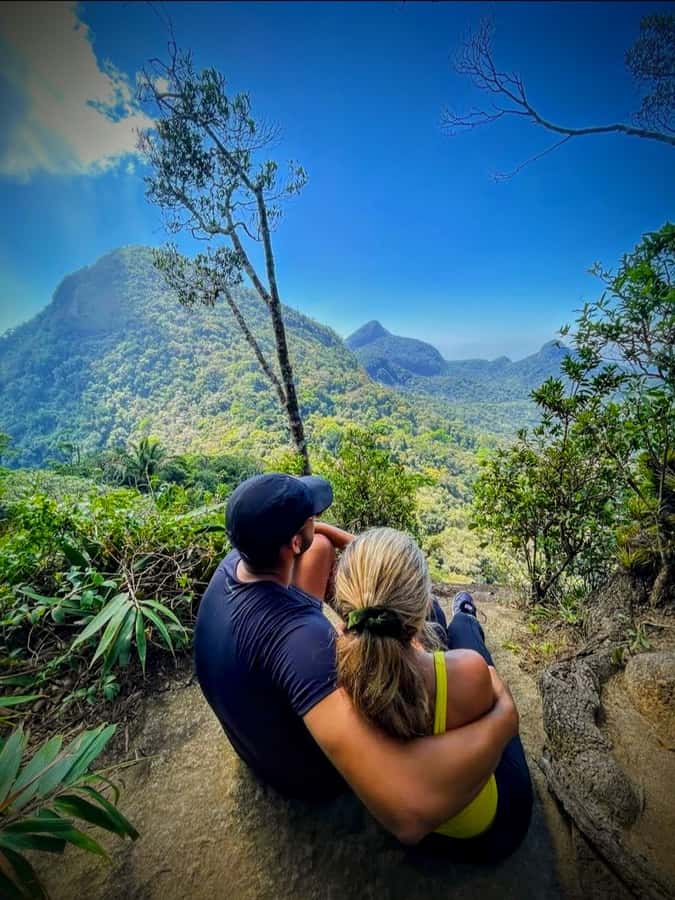
This trip is built around convenience inside Rio’s South Zone. You get hotel pickup and drop-off from designated areas like Copacabana, Ipanema, Leblon, Flamengo, Catete, Gloria, Leme, Santa Teresa, and Praia de Botafogo. If pickup isn’t possible at your exact address, you’ll meet at a nearby location instead.
The practical value here is time. You’re not trying to coordinate taxis, buses, and trail access while also managing a demanding hike. The group format also matters. With a max group size of 6, the drive and transitions tend to feel calmer than the chaos of big tour buses.
Plan your morning like an outdoors day. Bring snacks (food isn’t included), and bring a real amount of water. The route includes waterfall time, but it won’t replace your hydration needs.
Cascatinha Taunay: Where the Forest Starts Talking
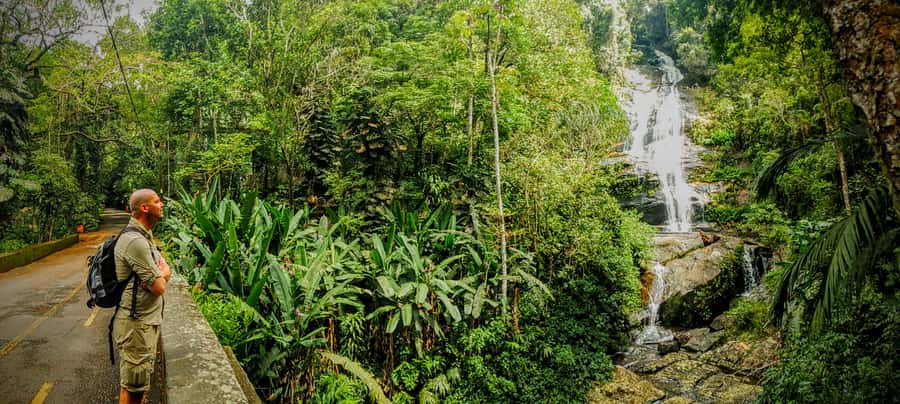
The first named stop is Cascatinha Taunay, paired with a short guided visit. This is your signal that the day is going to balance exertion with actual natural features, not just walking between viewpoints.
In Tijuca, waterfalls aren’t always dramatic on every day. The water flow can vary based on recent rain. So don’t show up expecting a guaranteed curtain of water. Even when it’s lighter, these moments matter because you’re learning how the forest functions after rain—or during dry spells.
You’ll also get an intro to the park early on. It’s guided time that helps you understand what you’re seeing: the vegetation, the terrain, and the broader story of Tijuca Forest.
Climbing Into Tijuca National Park: How the Route Changes Your Perspective
You spend multiple segments inside Tijuca National Park with guided walking time. This part matters because you stop treating the forest like one big blob of green. You start seeing layers: what grows where, how trails cut through the environment, and how the history of this region shows up in the landscape.
This is also where your guide’s role becomes obvious. Many hikers come for the hike, but the guide is what turns random jungle into a place with context. You’ll get explanations tied to Brazil and Rio, then connect that back to why Tijuca looks like it does today—especially the past coffee-farm presence in parts of the area before reforestation efforts in the 1800s.
That history isn’t just trivia. It helps you understand why certain spots feel like transition points between human and forest time.


The Big View Moment: Taquara Hill and Two Possible Rio Panoramas
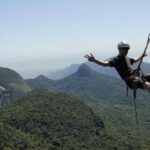
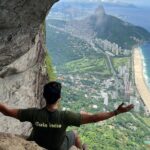
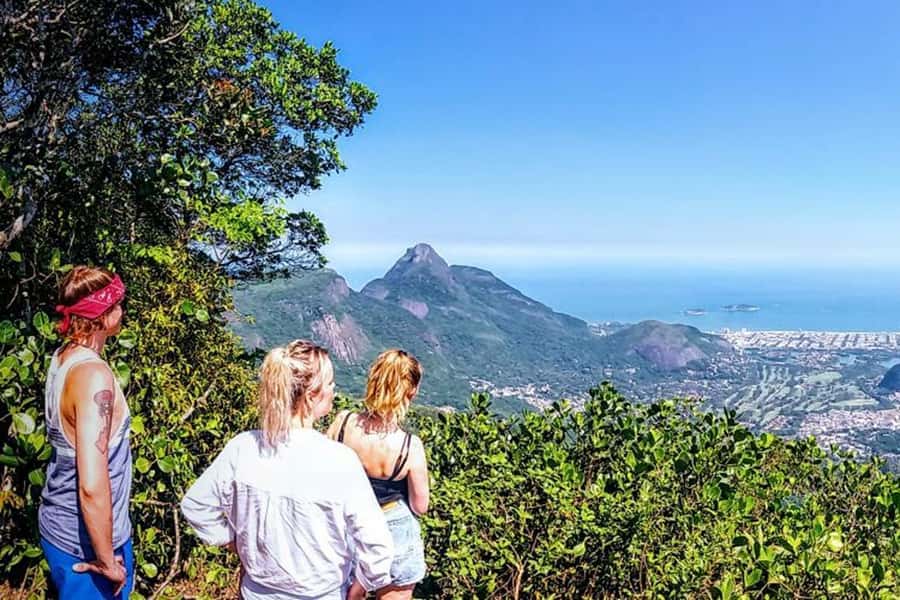
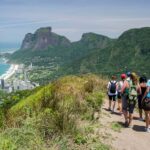
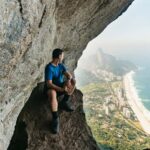
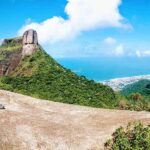
A key high point is Taquara Hill, at 814 m (2,670 ft). It’s about 100 m higher than Christ Redeemer’s statue, which is a fun yardstick and also tells you this climb isn’t just symbolic. When weather cooperates, you can get two amazing views: one over the forest valley and another toward the west side of Rio, including coastline and lagoons.
This is why the fitness demand is worth it. A viewpoint in a city can feel like a quick reward. A viewpoint after real climbing in rainforest feels like a different world.
If fog or rain blurs visibility, don’t panic. You may not see everything clearly, but you’re still in the forest ecosystem and wildlife can still show up. Cloudy conditions often make the forest feel cooler and more alive.
Coffee Farm Ruins and the Track That Tends to Stay Quiet
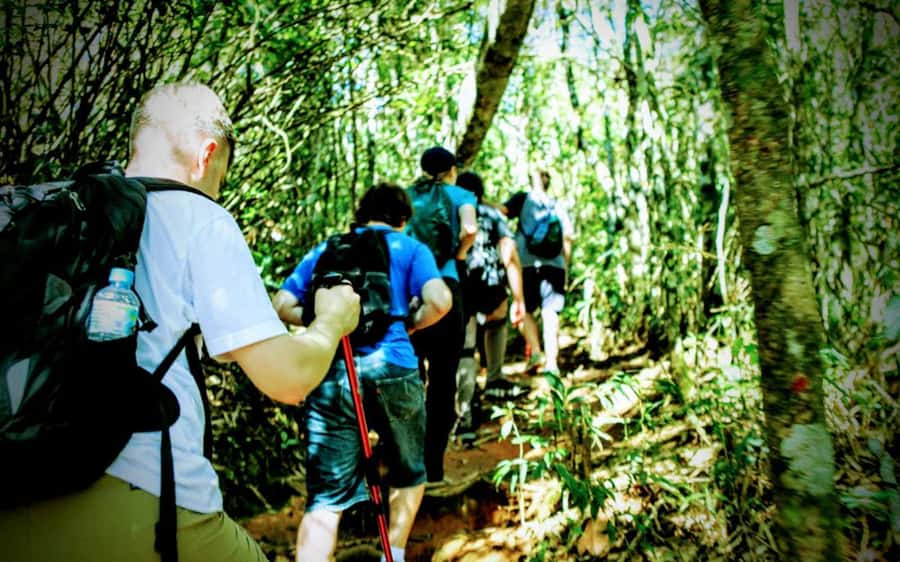
After about an hour of hiking up and down, you reach the ruins of an old coffee farm. This stop is more than a photo break. It’s where the day gains meaning. You can physically connect the story of cultivation and reforestation to what’s around you now.
From there, the route pushes deeper into the jungle. You’ll follow a trail that’s described as rare—meaning you’re not likely to find the constant stream of people that show up on the most popular options. That’s one of the reasons hikers love this trip: the forest feels more intense and more personal.
This is also where you start noticing smaller “wins” during the hike: a sudden patch of shade, a sign of animals nearby, a weird plant pattern on a slope. When you’re not sharing the path with a crowd, the forest has time to register.
Grotto and Cave Stops: When the Hike Turns Adventurous
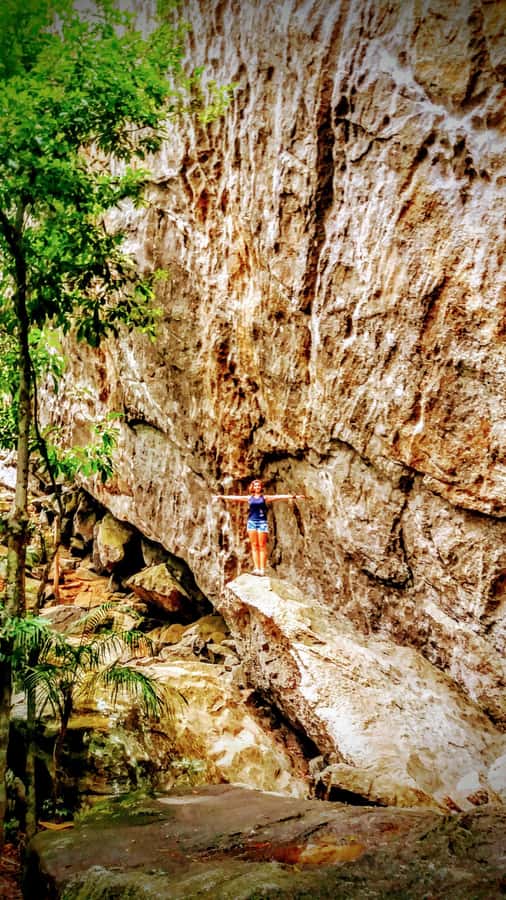
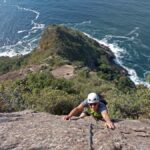
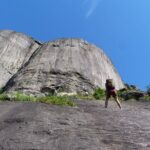
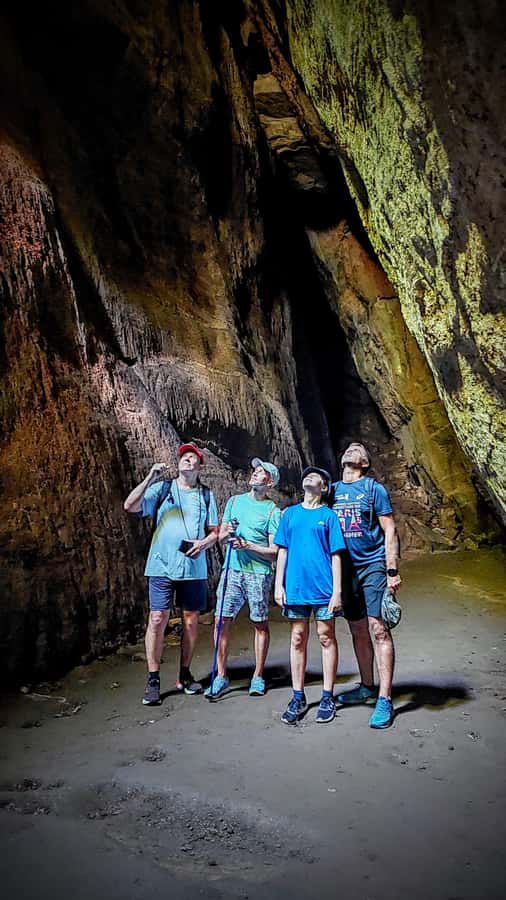
Later in the circuit, you reach a grotto and a cave in the rainforest. This is where the tour earns the “challenge” part in a fun way. You’re not just walking uphill. You’re moving through a terrain that feels exploratory.
Then there’s the bat cave stop. It’s visited with a guided explanation, which matters because caves and bats are the sort of subject that can turn into misinformation if you wander around on your own.
The caution here is simple: wear shoes with grip, take your time around uneven ground, and follow the guide’s pace. In cave areas, people can get a little overconfident because it looks close on maps. Up close, the footing can still be tricky.
Cascata da Baronesa: The Waterfall Cooling Off You’ll Actually Need
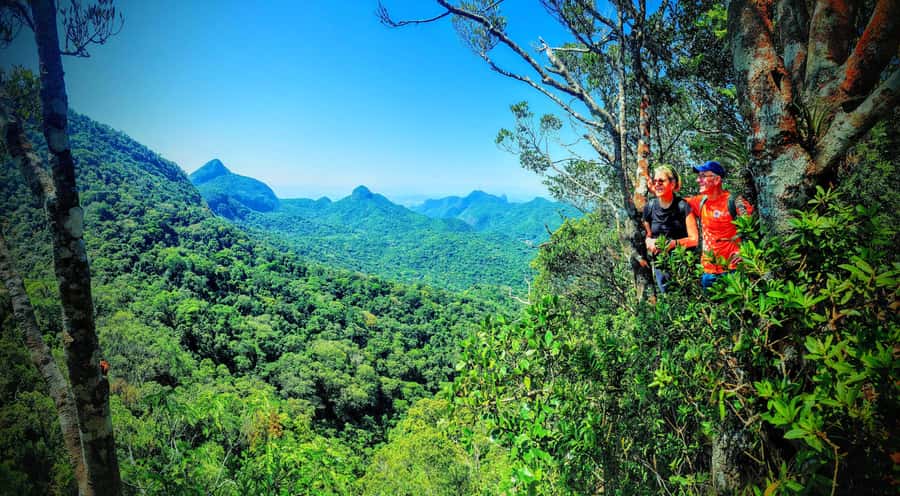
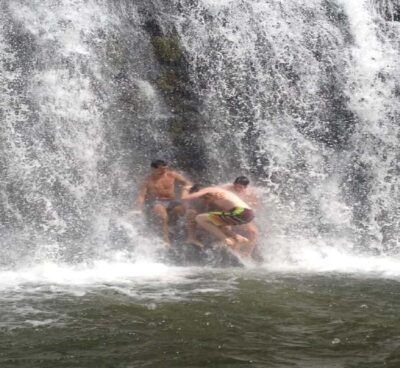
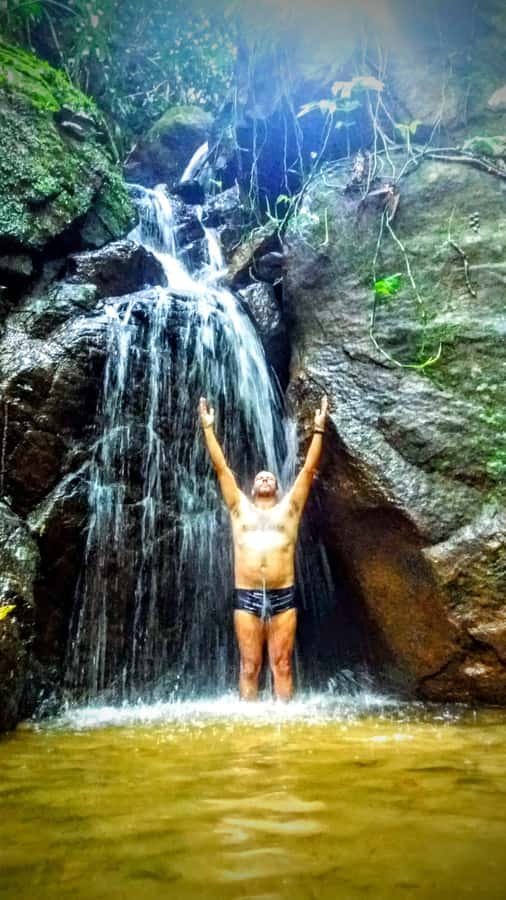
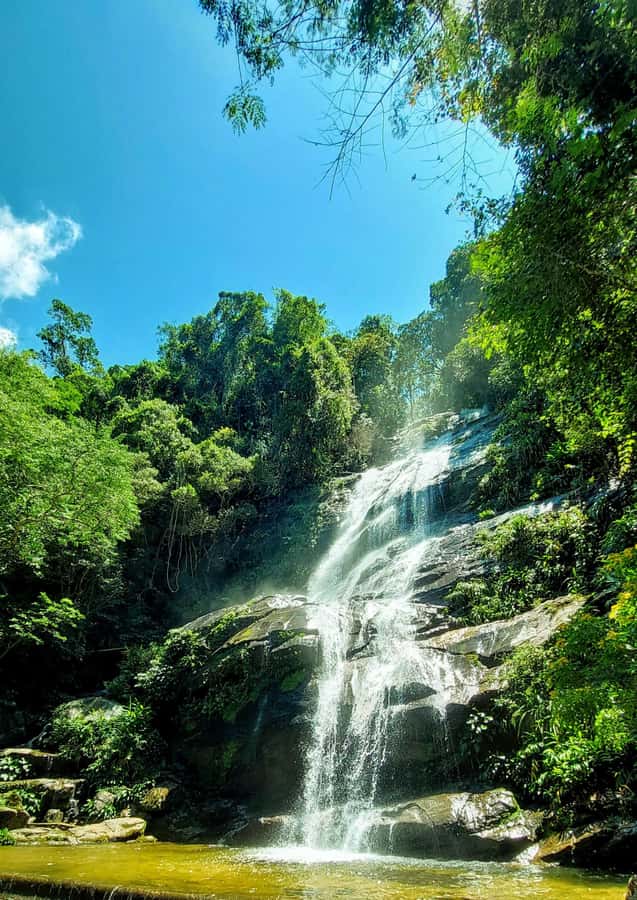
Near the end of the hike comes Cascata da Baronesa, a guided visit with time for sightseeing. This is where you refresh yourself, and the tour specifically suggests you bring a towel and bathing suit.
Do note the flow depends on rain intensity. If it’s been dry, you might get a gentler waterfall experience. If it’s been wetter, expect more water and a more chaotic splash zone.
Either way, this stop is valuable because it resets your body after the climbing. It’s also one of those moments that makes the hard work feel worth it, especially when the forest has been humid and active all day.
Vista Chinesa Bonus: A Working-Days Only Summit Detour
After the hike, there can be an extra stop at Vista Chinesa. The key detail: it’s only on working days. On weekends and holidays, Vista Chinesa is closed for vehicles, so the extra summit doesn’t happen the same way.
If your goal is maximum viewpoints, this means you should treat Vista Chinesa as a bonus rather than a guaranteed final payoff. Still, the fact that it’s sometimes included tells you the day is designed to leave room for a strong final panorama when the schedule allows.
Wildlife and Weather: Why Rainy Days Still Work in Tijuca
Tijuca is a rainforest. That means you should expect changing weather. Even on rainy or foggy days, the forest experience can stay strong. You may see monkeys, coatimundis (koati), frogs, and lots of birds even when visibility isn’t ideal.
The practical angle: bring what you need to stay comfortable. You can’t control rain, but you can control whether you’re miserable. Wear proper hiking shoes, use sunscreen, and bring insect repellent. Sunglasses and a hat help too, especially when the humidity turns your sweat into an all-day situation.
A good guide also helps here. When the weather shifts, they adjust pacing and focus on what you can still safely enjoy—views when you can, wildlife and forest features when you can’t.
Guides Make the Difference: What You Should Look For
Small-group hikes rise or fall on the guide. With this one, the consistent praise pattern you’ll want to pay attention to is how guides connect three things: rainforest facts, Rio/Brazil context, and real-time hiking support.
Guides you might encounter—like Gustavo, Ricardo, Pietro, Tito, Roberto, Rodrigo, Alex, and Felipe—are described as energetic, helpful, and ready with stories and explanations. That matters because it changes how you experience the forest. Instead of walking through “green stuff,” you start building a mental map of what you’re seeing and why it’s there.
You’ll also notice how they handle pace. One hiker benefited from a more flexible pace when they weren’t as fast as expected. That kind of adaptation is a hidden value on hard hikes.
Price and Value: Is $86 Fair for a Full-Day Challenge?
At $86 per person, the price sits in the “serious hike” category, but it’s not inflated if you look at what’s included.
You get:
- A bilingual guide (English and Portuguese)
- Insurance (they require passport number, birth date, and full names)
- Transportation from designated South Zone hotels/hostels in Rio
- A small group setup (max 6), which is often where you feel the real quality
What’s not included is also straightforward: food, water and drinks. So you should budget for snacks and plan to carry enough water. The tour covers a long day, and with elevation gain, energy matters.
If you’re already in the South Zone and you want an expertly guided hard hike without the hassle of arranging route access, this price can be good value. If you’re outside the pickup area, you might lose some convenience since transportation from farther out isn’t included.
What to Pack (So You Don’t Get Caught Off Guard)
This hike is outdoors and active. The tour’s own packing list is practical, and I agree with all of it:
- Hiking shoes with grip
- Sunscreen and sun hat
- Sunglasses (humidity glare is real)
- Insect repellent
- Snacks (food isn’t included)
- Water (and bring more than you think)
And because there’s a waterfall refresh: add a towel and bathing suit to your daypack.
Also note what’s not allowed: no luggage or large bags. Travel light. If you can carry a small daypack comfortably, you’ll have a better time.
Who Should Book This (and Who Should Choose Another Hike)
You should book if:
- You’re comfortable with a hard full-day hike and can handle steep sections
- You want more than the usual Rio highlights and prefer less crowded trails
- You enjoy learning while you walk, especially about the forest’s history
- You’d rather pay for a guided experience than self-navigate an intense circuit
You should skip or seriously reconsider if:
- You have heart problems, pulmonary conditions, or any health reason you’re not cleared for difficult exercise
- You’re bringing kids under 14
- You need wheelchair accessibility (this isn’t suited for it)
If you’re only moderately fit and want Tijuca at a gentler pace, you’ll likely be happier with a half-day option. Hard hikes are rewarding, but only if you can enjoy them instead of surviving them.
Should You Book the Rio Tijuca Forest Challenge Hike?
If you like the idea of earning Rio views with real climbing, and you want a day in the rainforest that feels quieter and more exploratory, this is a strong choice. The small group size, the coffee farm ruins, the cave and bat cave stops, and the waterfall cooling off create a complete day that doesn’t feel like filler between viewpoints.
I’d only hesitate if your fitness level is uncertain or if steep, uneven hiking terrain will stress you out. Otherwise, this is one of the better ways to experience Tijuca beyond a short nature stop—especially if your goal is a challenging hike with guided storytelling that makes the forest feel alive.
FAQ
How long is the total trip and how long is the hike?
The full tour lasts about 9 hours. The hike portion is about 4 to 5 hours round-trip, covering 10.4 km (6.5 miles).
How hard is the hike?
It’s rated hard, with 10.4 km total distance and 848 meters (2,782 feet) of elevation gain. The trail includes uphill and downhill sections on rough terrain.
Is food included?
No. Food is not included, so you’ll want to bring snacks.
Are drinks and water included?
No. Water and drinks are not included, so you should bring your own.
What languages does the guide speak?
The tour guide is bilingual, offering English and Portuguese.
Will I be taken to Vista Chinesa?
You can visit Vista Chinesa after the hike, but only on working days. On weekends and holidays, vehicles are closed there.
What age and health restrictions apply?
The tour isn’t recommended for children under 14. It’s also not recommended for people with a history of cardiovascular, pulmonary, or other conditions incompatible with difficult physical activities. The operator can refuse participants they believe can’t safely endure the hike.