REVIEW · RIO DE JANEIRO
Rio de Janeiro: Tijuca Forest Waterfall of Souls Hike
Book on GetYourGuide →Operated by Rio Encantos Experiences · Bookable on GetYourGuide
One hike, and suddenly the forest feels personal. In Tijuca National Park, this Waterfall of Souls walk mixes rainforest nature with a guided, spiritual style of healing. You’ll also get a practical circuit with a real waterfall stop and time to cool off.
What I like most is the way the guide slows you down: breathing, stretches, and a kind of heart-opening focus before you even hit the trail. I also love the animal-and-water moments that feel unforced—quatis, monkeys, birds, butterflies, and that “wow” view at the Cascata Taunay waterfall.
A possible drawback: if you want a longer, more rugged exploration (think extra sights like caves), the fixed 3.5-hour format can feel a bit short.
In This Review
- Quick hits: what makes this Waterfall of Souls hike special
- Tijuca National Park at walking speed
- Price and whether $60 makes sense for you
- Meeting point: Estr. da Cascatinha, 300, then a quick hop into the forest
- The 3.5-hour flow: how the circuit is paced
- Start in the shade: breathing, stretches, and a heart-open focus
- Trail to the first stream: the cleanse-and-refresh moment
- Cascata Taunay viewpoint: that big waterfall payoff
- Cachoeira das Almas (Waterfall of Souls) and Baronesa Falls: bathing and stillness
- The spiritual layer: Afro-indigenous nature spirits and practical meaning
- Wildlife you might see: what to expect and how to behave
- The loop back: painters’ escape garden, lake, and Mayrink Chapel
- What to wear, what to bring, and what keeps you comfortable
- Who this hike fits best (and who should pick something else)
- After the hike: where to eat something Afro-Brazilian nearby
- Should you book the Rio de Janeiro Tijuca Forest Waterfall of Souls hike?
- FAQ
- How long is the Rio de Janeiro Tijuca Forest Waterfall of Souls hike?
- How large is the group?
- What languages does the guide speak?
- Where do we meet before the hike?
- Do I need to pay for transport to the trailhead?
- Can I join if I have physical limitations?
- What should I bring?
- Is there a chance to get into the waterfall?
- Does the hike run in bad weather?
Quick hits: what makes this Waterfall of Souls hike special
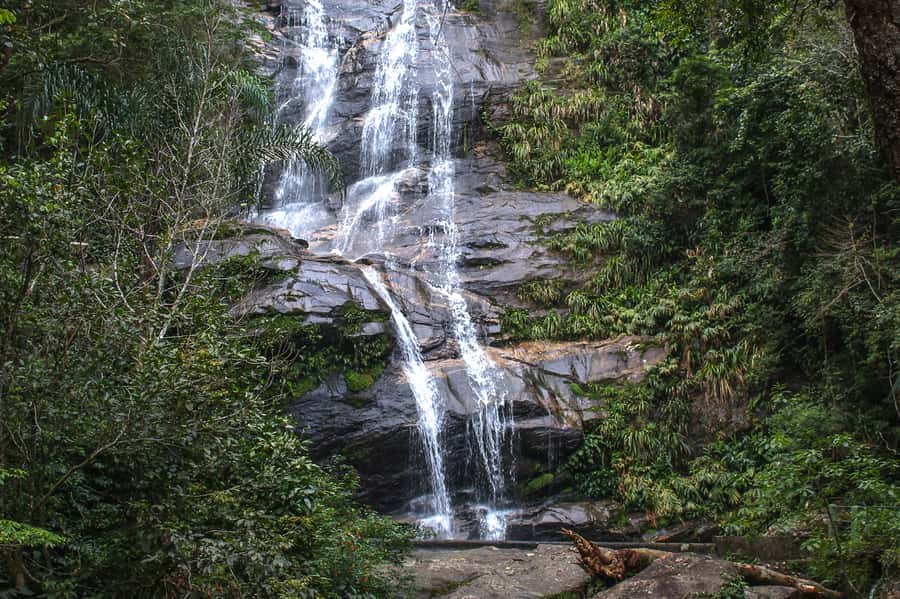
- Cascata Taunay and Cachoeira das Almas close together, with serious photo payoff
- Breathing and stretches at the start, so the forest experience feels guided, not random
- Time in the waterfall (Waterfall of Souls / Baronesa Falls), with a refreshing stop to reset
- Ancestral nature teachings about Brazilian Afro-indigenous roots and natural spirits
- A small group (max 10), which helps you hear the guide and keep pace without chaos
- A scenic loop back out with the painters’ escape garden, lake, and Mayrink Chapel
Tijuca National Park at walking speed
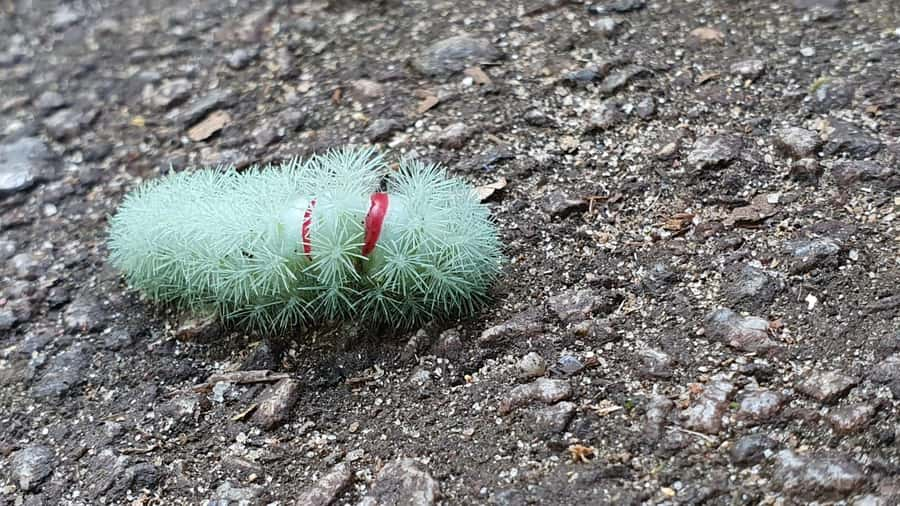
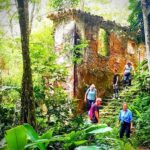
Tijuca isn’t just “a place with trees.” Walking inside the national park makes the rainforest feel scaled for humans—close enough that you notice birds calling, lizards darting across rocks, and butterflies that you’d miss from a bus window.
This tour leans into that. Instead of rushing from viewpoint to viewpoint, you’re guided into noticing what’s around you as you move. That changes the whole feel of Rio nature from scenery to companion.
You can also read our reviews of more hiking tours in Rio De Janeiro


Price and whether $60 makes sense for you
At $60 per person for about 210 minutes, you’re paying for two things: a guided hike and a structured experience that includes the spiritual-lesson segment and guided waterfall time. The cost isn’t just “pay for a walk.” It’s “pay for a guide to set the tone, teach what you’re seeing, and lead the circuit safely in the park.”
If you like guided experiences—especially ones that mix nature with reflection—this is solid value. If you’d rather explore totally independently and spend the whole day, you might feel the format is tighter than you’d like.
Meeting point: Estr. da Cascatinha, 300, then a quick hop into the forest
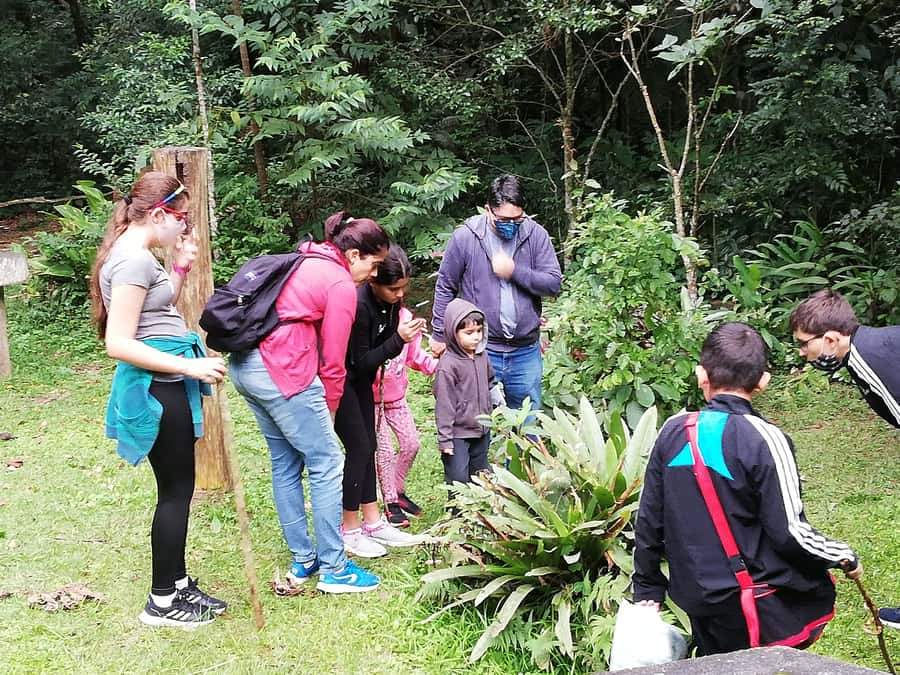
Meet the guide in front of the green sign of the Park’s gate at Estr. da Cascatinha, 300. From there, the plan is simple but important: you’ll either walk to the entrance with the guide or meet the guide at the entrance, depending on where you start.
Then comes the part where you should plan ahead with your phone and your budget for local transport. After meeting the guide, you pay for the Uber or taxi from the meeting area up to the start of the trail (Alto da Boa Vista). A car goes up the mountain, drops you off in the forest, and that’s where your hike begins.
The 3.5-hour flow: how the circuit is paced
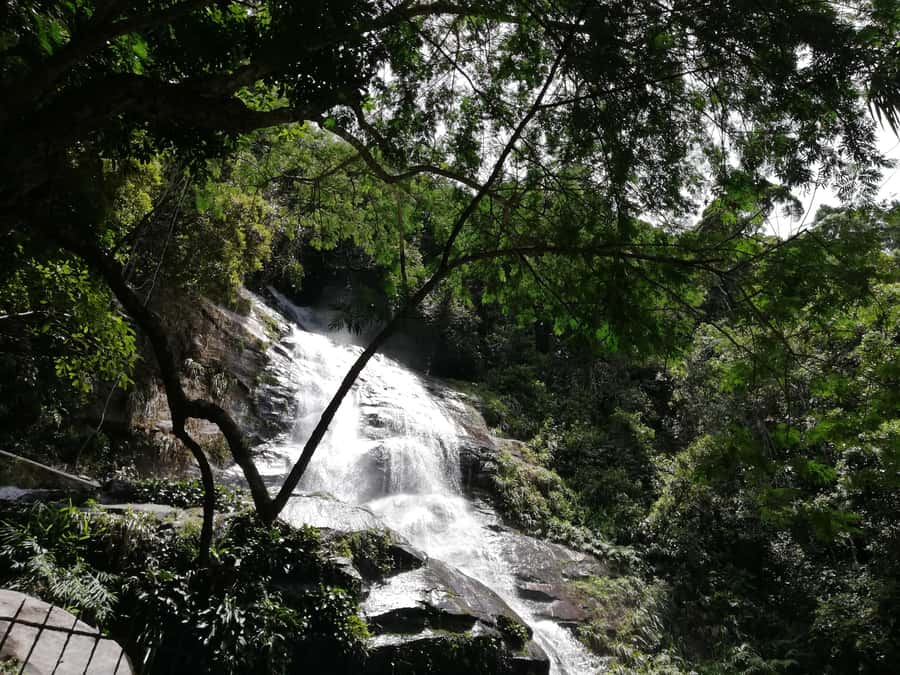
The walk is built like a loop, and the pacing matters. You start with a reset in the forest, then head toward the main waterfall moments, then come back via a different route that adds a couple of quieter stops on the way out.
That “different route back” is a big deal because it prevents the hike from feeling like out-and-back repetition. You get a change of scenery and timing, plus the chance to linger without feeling like you’re constantly climbing for the next big view.
Start in the shade: breathing, stretches, and a heart-open focus
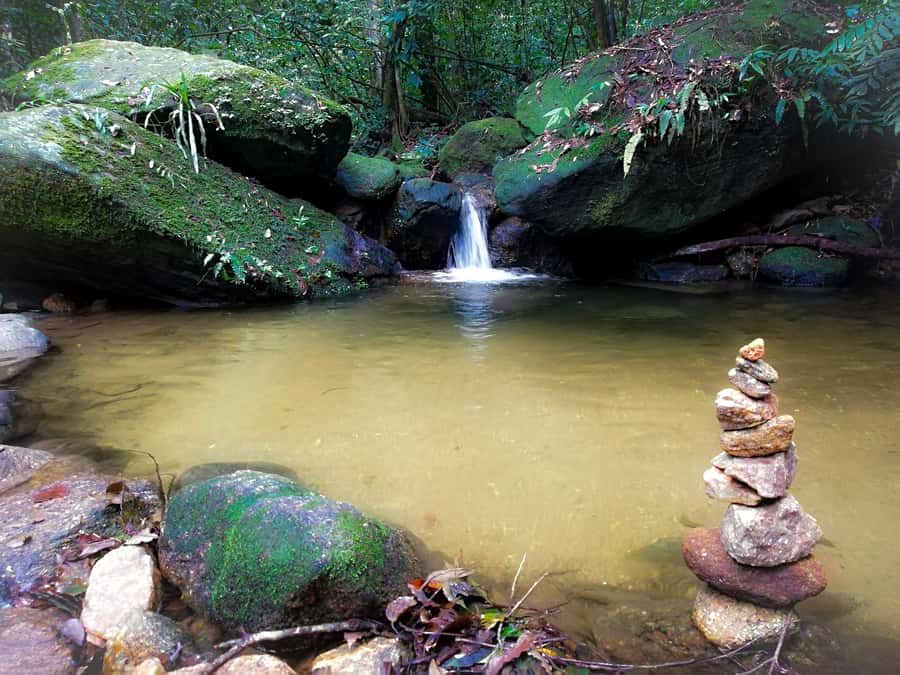
Before you hit the trail, you’re welcomed and oriented to the forest’s healing theme. The guide leads a breathing exercise and some stretches, then invites you into a more intentional mindset before walking.
This is where the experience becomes more than a nature walk. If you’re the type who tunes out during tours, this start helps you pay attention. The breathwork and gentle movement also make the hike feel easier—especially at the beginning when the air is cool and your energy is still warming up.





Trail to the first stream: the cleanse-and-refresh moment
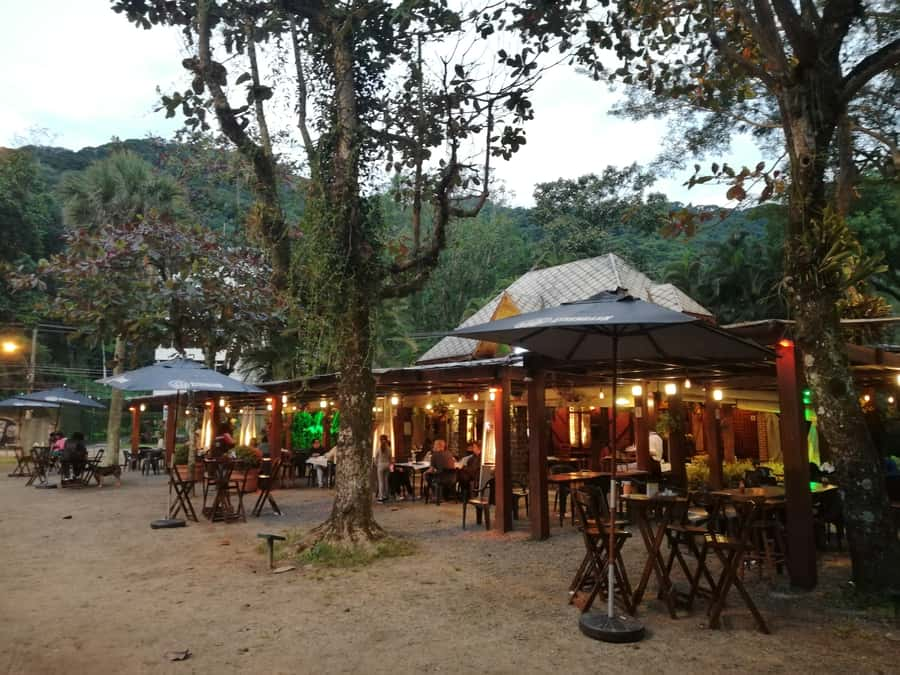
As you move along the trail, you reach a first stream/entry point where the guide invites you to cleanse and refresh. It’s not described as complicated—more like a meaningful pause that puts your body in the same rhythm as the environment.
This is also where you’re likely to start meeting the rainforest up close: small movement in your peripheral vision, birds you can hear before you see, and the occasional animal passing through. The “healing” theme is basically translated into action here—slow down, notice, and let the natural setting do the work.
Cascata Taunay viewpoint: that big waterfall payoff
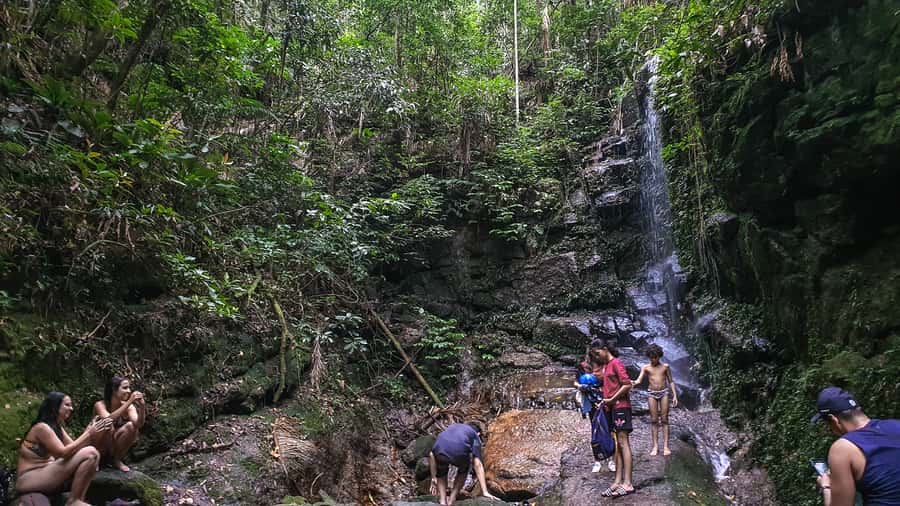
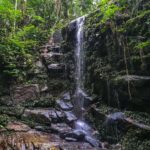
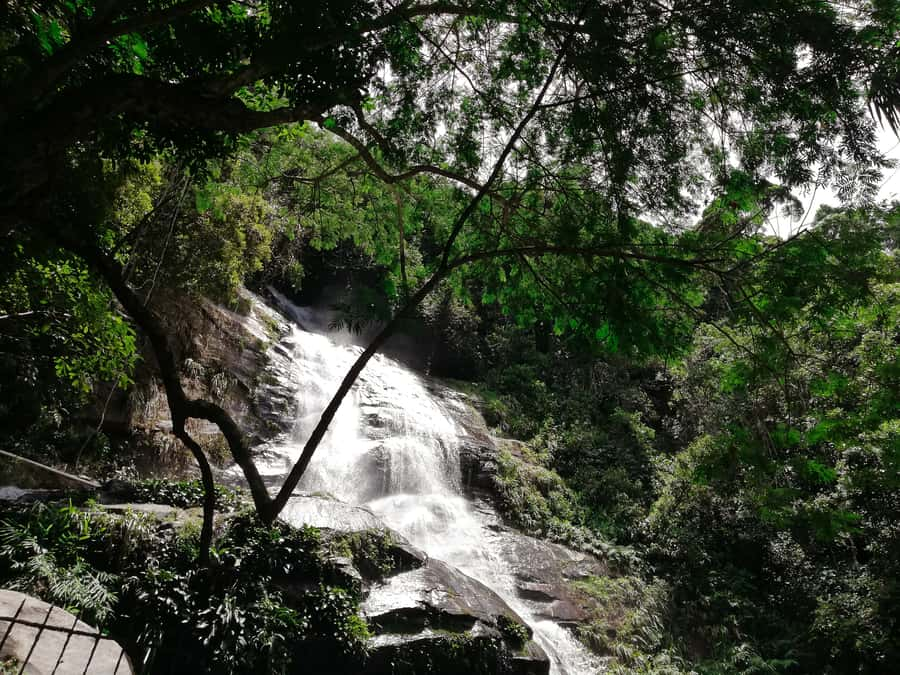
Once you’re on the path toward the main attraction, the experience builds to the viewpoint for Cascata Taunay. This is one of the highlights—so yes, you should expect real wow factor.
The best part is that you get the view in a context, not as a random photo stop. You’ve already been primed to notice the forest, so the waterfall feels like the peak of a story instead of a pit stop on a checklist.
Cachoeira das Almas (Waterfall of Souls) and Baronesa Falls: bathing and stillness
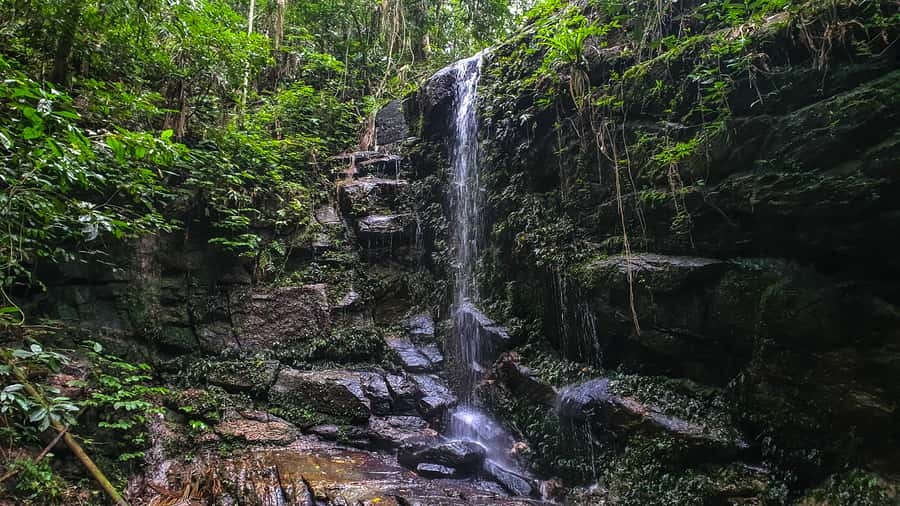
The main moment is the Cachoeira das Almas stop—also tied to the Waterfall of Souls idea, and described alongside Baronesa Falls. You reach the falls, grab some snacks, then settle into the water area.
What makes this part memorable is the combination of stillness and sensory input. You can enter the falls, take photos, and just chill for a bit. If you’re traveling with anyone who loves nature but doesn’t love strenuous hikes, this stop is usually the bridge: the forest calms people, and the waterfall gives you a clear “we’re here” moment.
Some groups also seem to include extra wellness touches in this area, like natural-leaning massage or oil elements described in recent experiences. Even if your version is simpler, the core is the same: water resets your mood fast.
The spiritual layer: Afro-indigenous nature spirits and practical meaning
This isn’t a vague “spiritual vibe” tour. The guide explains Brazilian ancestral faith roots that blend Afro-indigenous belief with nature’s power in everyday life. You’ll learn about ancestral gods and goddesses of nature, and the idea that natural elements connect to spiritual entities (including orishas and indigenous representations).
The practical value for you: it gives you a framework for interpreting the forest beyond biology. You’re still in Tijuca to see animals and waterfalls, but you’re also being taught how people historically used nature knowledge to seek freedom, peace, and grounding.
If you’re curious and open-minded, this layer can feel moving. If you prefer strictly secular sightseeing, just know the tour is intentionally structured around that theme.
Wildlife you might see: what to expect and how to behave
One of the reasons the hike feels alive is the chance to meet fauna. The experience is designed to help you actually notice butterflies, lizards, birds, quatis, and monkeys. The rainforest puts them on different schedules, so sightings aren’t guaranteed—but the focus is clearly on watching rather than sprinting.
Two behavior rules help keep the experience respectful and safer for wildlife:
- no feeding animals
- no touching animals
You’ll also want to follow the standard nature-tour etiquette: don’t litter, and use your eyes instead of your hands. This keeps the forest wild and also reduces risk when the terrain is slippery.
The loop back: painters’ escape garden, lake, and Mayrink Chapel
After the waterfall time, the route returns via a different circuit. On the way out, you visit the painters’ escape garden and lake and then the Mayrink Chapel.
These stops add a gentle cultural counterpoint to the wildness of the rainforest. They’re not described as museums-with-a-script. They’re more like pauses that let you reset, look around, and get perspective after the main waterfall intensity.
What to wear, what to bring, and what keeps you comfortable
This hike is in light rain or sunshine, so plan for wet ground and shifting conditions. The essentials are straightforward:
- comfortable shoes
- comfortable, breathable clothing
- reusable water bottle
- biodegradable insect repellent
I’d treat this like a day where your shoes might get damp and muddy. Bring clothing you don’t mind that case. That’s the boring advice that makes the hike actually enjoyable.
Who this hike fits best (and who should pick something else)
This experience is a good match for you if you want:
- a guided rainforest hike in a small group
- a waterfall stop with time to enter and relax
- nature plus meaningful reflection
- a pace that’s more “walk, notice, pause” than “race to the summit”
It may be less suitable if you’re looking for intense physical challenge or a super long off-trail adventure. The tour is also flagged as not suitable for people with mobility impairments, though there is a note that adaptations may be possible for certain needs via an arranged vehicle for an extra fee. If mobility is a concern for you, you’ll want to clarify your situation early.
After the hike: where to eat something Afro-Brazilian nearby
At the end you finish at the park gate and can go for lunch or dinner. The experience suggests two options near the park or in the Tijuca neighborhood, with a focus on a traditional Afro-Brazilian dish after the hike.
This is one of those practical travel rhythms I like: walk in nature, cool off, then eat something hearty without commuting all over town.
Should you book the Rio de Janeiro Tijuca Forest Waterfall of Souls hike?
Book it if you’re the type who enjoys guides, likes small-group settings, and wants your waterfall time to come with breathing, reflection, and context about Afro-indigenous nature beliefs. The combination of Cascata Taunay views and the Cachoeira das Almas / Baronesa Falls water stop is the kind of payoff that makes a short hike feel like a full experience.
Skip it (or compare options) if you’re chasing a long, hardcore trek or you want extra sights like caves and more extensive exploring. At about 210 minutes, this is designed as a focused loop with a few key moments—not an all-day rainforest expedition.
If you still aren’t sure, choose it anyway and go in with the right expectation: this one is as much about how the forest is taught to you as it is about what you see.
FAQ
How long is the Rio de Janeiro Tijuca Forest Waterfall of Souls hike?
It lasts about 210 minutes, so plan for roughly a half-day experience with a guided loop and waterfall time.
How large is the group?
The group is limited to 10 participants, which helps keep it manageable and lets you hear the guide.
What languages does the guide speak?
The tour runs with a live guide in English, Spanish, and Portuguese.
Where do we meet before the hike?
Meet the guide in front of the green sign of the Park’s gate at Estr. da Cascatinha, 300.
Do I need to pay for transport to the trailhead?
Yes. After you meet the guide, you pay for the Uber or taxi from the meeting point to the beginning of the trail in Alto da Boa Vista. A car then goes up and drops you off in the forest to start hiking.
Can I join if I have physical limitations?
The standard hike isn’t suited for mobility impairments, but there’s also a note that routes to the waterfall can be adjusted by car and longer trails can be removed if previously arranged for physical limitations (with extra fee for adapted vehicle in some cases).
What should I bring?
Bring comfortable shoes and clothes, a breathable outfit, a reusable water bottle, and biodegradable insect repellent.
Is there a chance to get into the waterfall?
Yes. You stop at Cachoeira das Almas / Waterfall of Souls and you’ll have time to enter the falls (and also described alongside Baronesa Falls).
Does the hike run in bad weather?
The experience takes place in light rain or sunshine, so you should dress for wet, slippery conditions.