REVIEW · JEJU
Jeju: Mt. Hallasan Hike and UNESCO Sites Day Tour
Book on GetYourGuide →Operated by CORE TRAVEL · Bookable on GetYourGuide
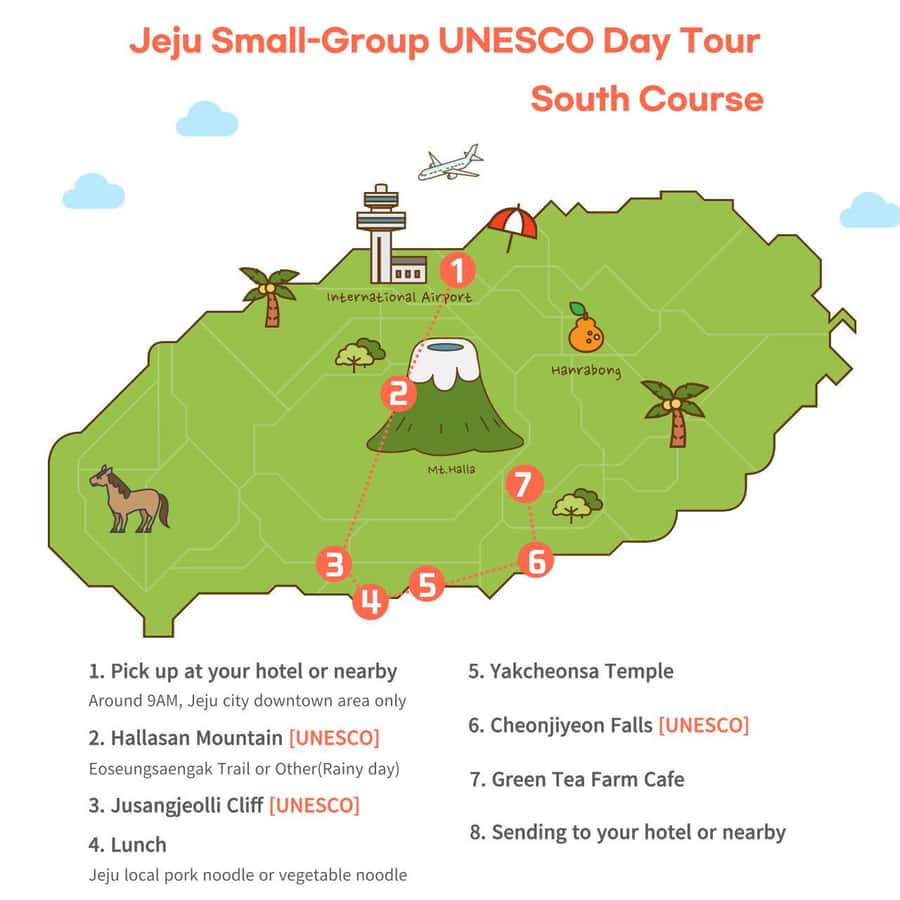
Jeju has a way of making big sights feel close. This day tour stacks Mt. Hallasan scenery, Jusangjeolli volcanic rock views, temple stops, and a tea-farm finale into one organized 8-hour loop. Two things I especially like are the small group size (up to 15) and the fact the tour is set up as an English-only experience rather than mixed languages. The one thing to plan around is that the Hallasan hike is short on purpose, so if you want a long, serious summit effort, you’ll probably wish you had time to go longer on your own.
What makes it work is the pace and the coverage. You get hotel or nearby pickup in Jeju City downtown, guided stops, lunch, and a tea break, with entrance fees rolled in. Guides such as Jin, Henry, and Soraya are praised for being friendly and clear with the day’s flow, and the driver support (including Enjoo Kim in one review) helps the trip feel calm even when the schedule is packed.
In This Review
- Key things that make this tour worth your time
- The best reason to do Jeju this way: UNESCO stops with a practical timetable
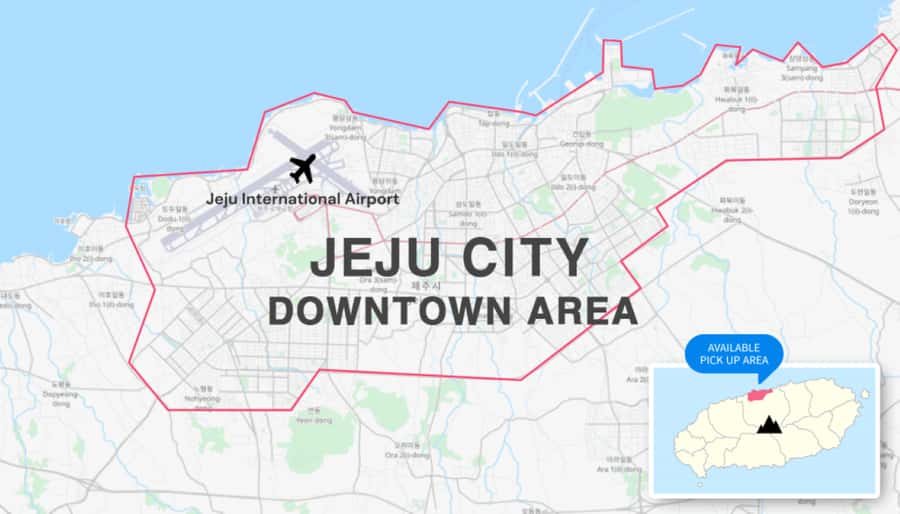
- Hotel pickup in Jeju-si: easy start, limited pickup radius
- Mt. Hallasan via the Eoseungsaengak Trail: the hike is short, but the effort feels real
- What you see at altitude: why the Hallasan segment matters even if it’s brief
- Jusangjeollidae (Jusangjeolli Cliff): polygon rocks and open sea views
- I-dre noodles for lunch: fueling your afternoon without derailing the schedule
- Yakcheonsa Temple: medicinal-spring name and calm guided storytelling
- Cheonjiyeon Falls: a Korean natural monument with a big-name story
- Seogwi Dawon and tea time: pure green tea plus yellow tea
- Price and value: what $100 really covers on this packed day
- Small-group dynamics: up to 15 people, and the English-only comfort factor
- When weather changes the plan: road-closure replacements that keep your day alive
- Who should book this tour, and who might prefer independent exploring
- Should you book this Jeju: Mt. Hallasan Hike and UNESCO Sites Day Tour?
- FAQ
- How long is the tour?
- Where does pickup take place?
- What hike will I do on Mt. Hallasan?
- Is lunch and tea included?
- What entrance fees are covered?
- What language is the live guide?
- What happens if weather closes the roads?
Key things that make this tour worth your time
- Short-group comfort (up to 15 pax) means you’re not stuck in a big crowd at each viewpoint.
- English-only setup keeps the day easier to follow and reduces the awkwardness of mixed-language listening.
- Hallasan Eoseungsaengak hike is timed well: about 1 hour on the 1.3 km trail, reaching roughly 1,169 m.
- Entrance fees plus lunch and tea are included, so you don’t have to keep reaching for your wallet.
- Tea time includes two types at Seogwi Dawon: pure green tea and yellow tea.
- Weather backup is built in, with hiking replaced by nearby indoor/museum options if roads are unsafe.
The best reason to do Jeju this way: UNESCO stops with a practical timetable
A one-day tour can go two directions: either it feels rushed and generic, or it feels like someone designed a sensible route. This one leans toward sensible. You start with pickup in Jeju-si, then you hit the main natural icons in a logical order, finishing with green tea countryside time around 5:00 PM.
The value isn’t just that you see several famous places. It’s that you’re getting guidance on what you’re looking at—especially helpful with volcanic geology at Jusangjeolli and the cultural context around Yakcheonsa Temple. And because the tour includes entrance fees, lunch, and tea, your money goes into the day instead of turning into extra line items at each stop.
Hotel pickup in Jeju-si: easy start, limited pickup radius
If you’re staying in Jeju City downtown, you’re set. Pickup and drop-off are included only within the Jeju City downtown area. If your hotel is outside that area, you’ll be asked to go to the nearest meeting point in Jeju city.
One practical detail: the exact pickup time is shared the day before, sometime between 8:30 AM and 9:00 AM (and you’ll receive it after 5:00 PM the previous evening). This matters because you’re planning a full day. I’d treat it like you’re starting early, not “breakfast and then go whenever.”
Wear comfortable shoes. You’ll do walking at most stops, and you have a real hike segment on Hallasan.
Mt. Hallasan via the Eoseungsaengak Trail: the hike is short, but the effort feels real
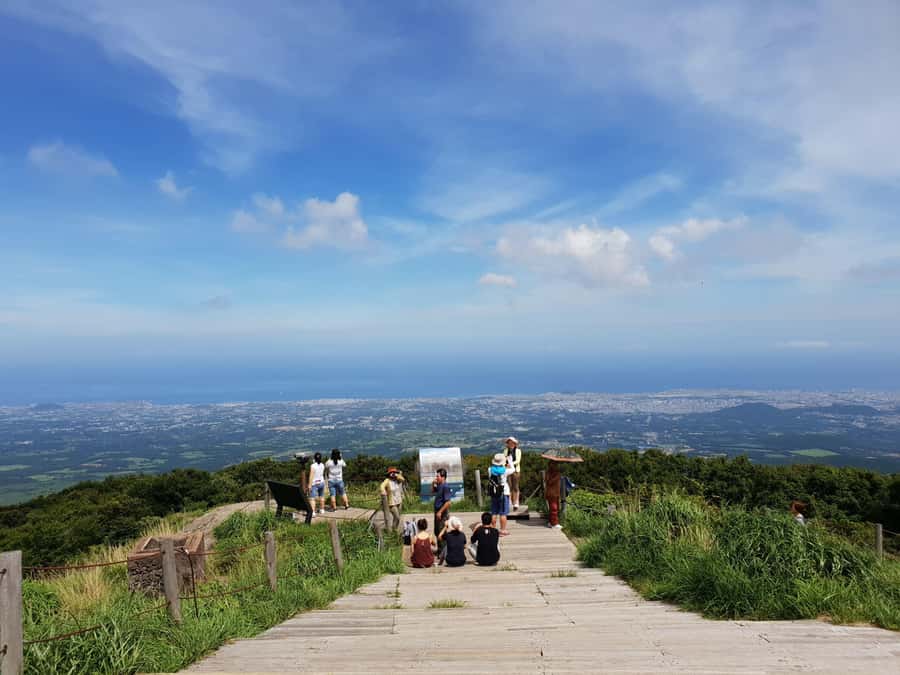
Hallasan is the star of the day, and the tour gives you a taste without demanding an all-day climb. The guided time at Hallasan totals about 70 minutes, and the actual hiking is described as a 1-hour trek on the Eoseungsaengak trail, covering about 1.3 km. The route climbs to around 1,169 meters.
Here’s the key thing to understand: this is not a long summit mission. The goal is to get you up high enough to experience the mountain atmosphere and viewpoints, then bring you back down. A reviewer even noted that if you have extra time, you might want to research doing Hallasan independently for a longer day. That’s a fair consideration—this tour is built for people who want the highlights but still want to see everything else afterward.
What I like about the setup is that it keeps expectations honest. You’ll go prepared for a climb, but you won’t be stuck with a 6–9 hour trek when you also want cliff views, waterfalls, and tea.
What you see at altitude: why the Hallasan segment matters even if it’s brief
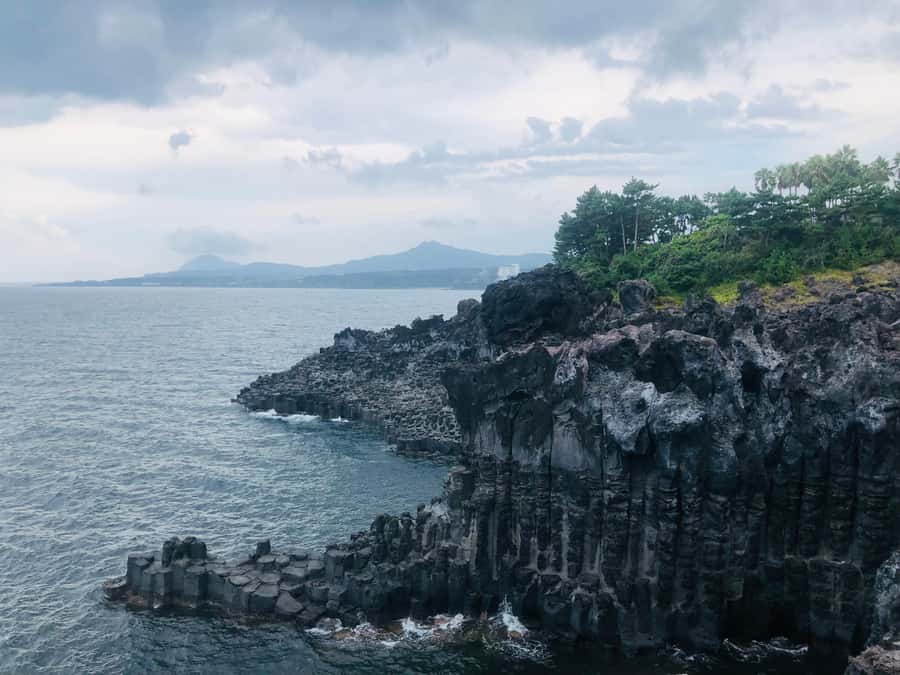
Even a shorter hike changes how the rest of the day lands. When you start with elevation, the sights feel more dramatic, and the volcanic and coastal features later on make more sense. Hallasan also ties into Jeju’s UNESCO identity, so it’s the stop that anchors the whole tour theme.
If conditions are poor, the company still tries to protect your experience. When roads close due to heavy rain, heavy snow, or icy conditions, the hiking portion can be replaced by visiting Mountain Songak or Saebyul Oreum or other indoor museums. That tradeoff is important: you might lose some outdoor altitude time, but you keep the day moving and still get guided context.
Jusangjeollidae (Jusangjeolli Cliff): polygon rocks and open sea views
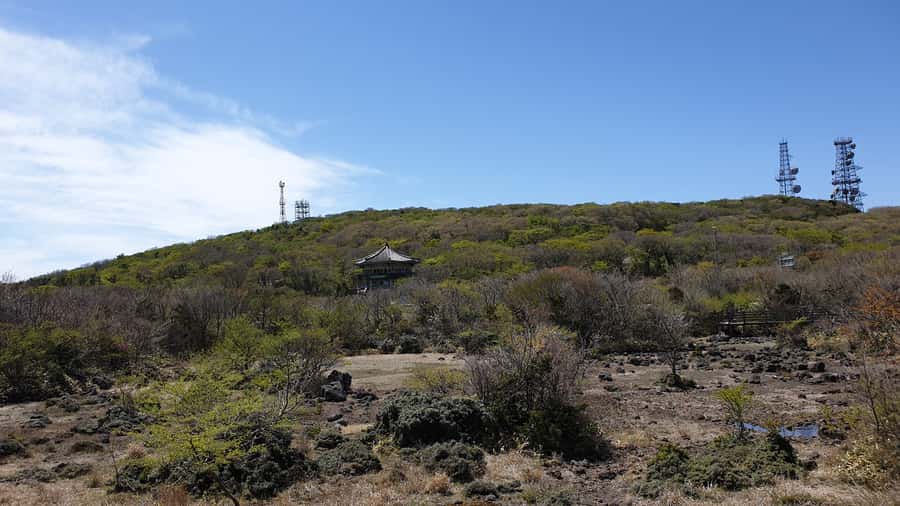
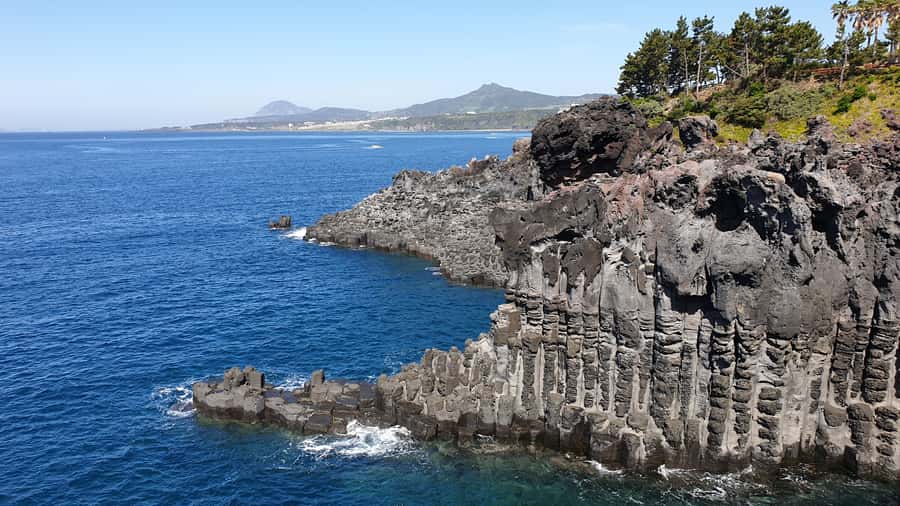
After the mountain, you get the volcanic payoff. The Jusangjeollidae stop runs about 30 minutes, focused on guided explanation plus time to walk and take in the views.
The defining feature here is the polygonal rock columns—one of those sights that feels almost too geometric to be natural. On a clear day, the cliff-to-sea perspective gives you that wide open Jeju feeling fast. On rougher days, you may want to be cautious with footing at viewpoints and let the guide steer you to the safest viewing spots.
This stop is also where small-group timing helps. With fewer people moving around, you’re more likely to get a moment at the best angle without the constant squeeze-and-wait rhythm you get on bigger tours.
I-dre noodles for lunch: fueling your afternoon without derailing the schedule
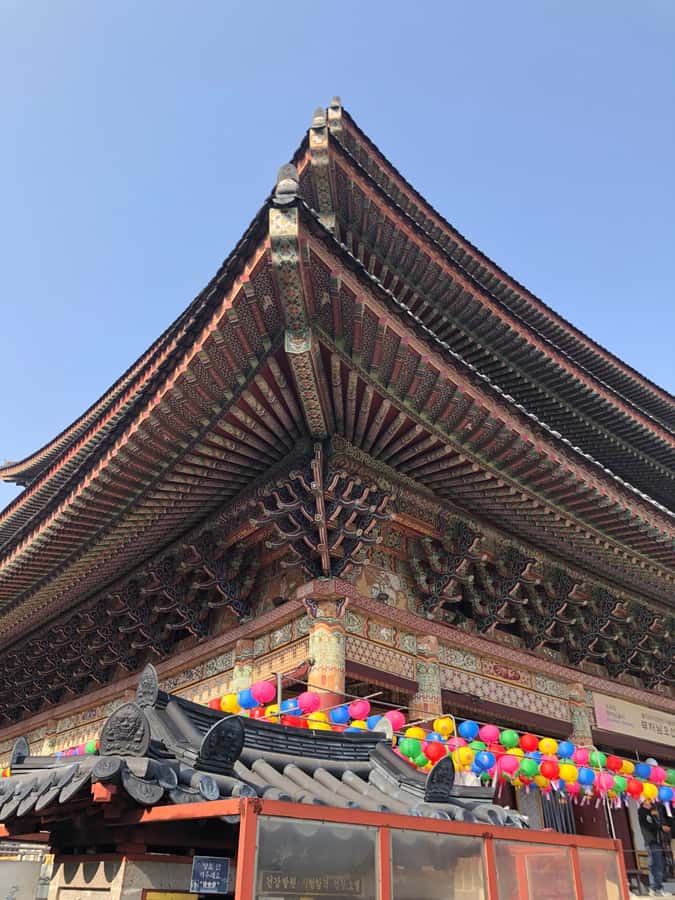
Lunch is about 40 minutes at a local spot listed as 이 드레 국수 (I-dre noodles). It’s the kind of meal break that keeps the timeline intact: you eat, you reset, and you’re ready for temple and waterfall walking.
Food is included, and the day offers both a traditional meal and a vegetarian option. Jeju’s black pork is mentioned as part of what the tour is known for, but the safer bet for decision-making is this: you can choose the meal type that fits your preferences when booking.
One practical tip: if you’re the type who likes to linger, lunch time is capped here. It’s not a long sit-down lunch tour. It’s a schedule-friendly meal designed to keep you on track for the waterfall and tea segment.
Yakcheonsa Temple: medicinal-spring name and calm guided storytelling
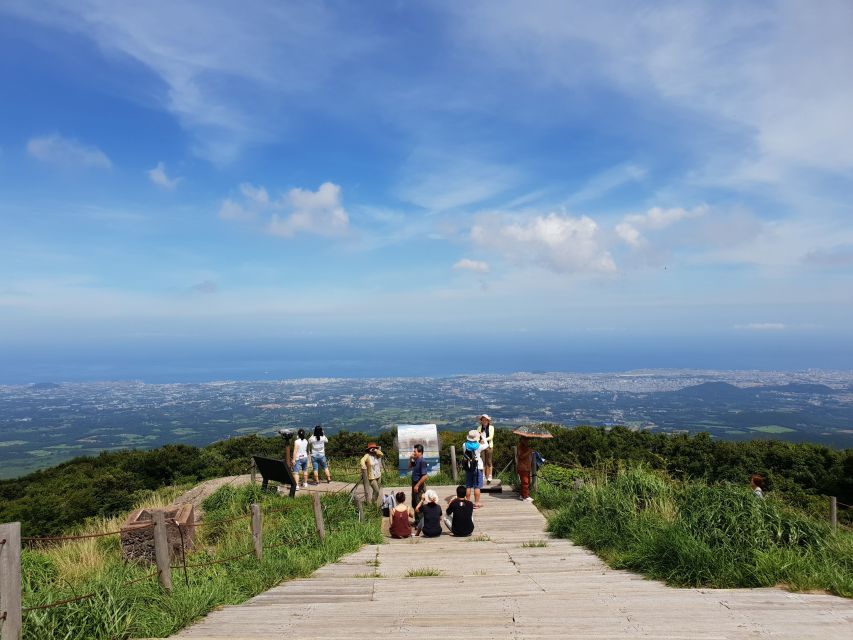
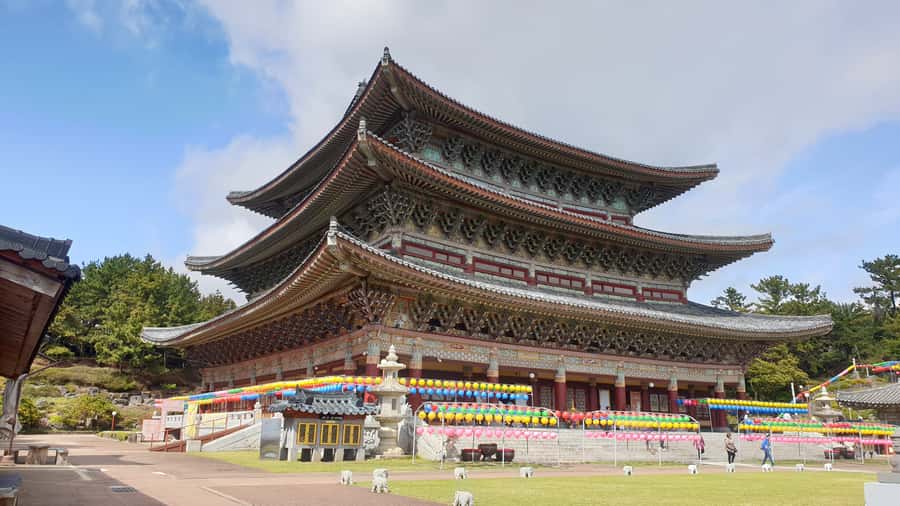
Yakcheonsa Temple is a 30-minute guided stop with walking and scenic viewpoints along the way. The name connects to natural medicinal spring water, and that meaning is part of what your guide will likely bring into the conversation.
Temple time on this kind of tour is short by design, so the value is in the explanation. You’ll get enough context to look past the simple photo and understand why people care about the place. Even if you’ve seen temples before, Jeju temples have a slightly different flavor—more tied to the island’s water, weather, and lived history.
What to expect in practical terms: you’ll walk, you’ll pause for viewpoints, and you’ll get guided interpretation. Wear shoes that work on uneven surfaces.
Cheonjiyeon Falls: a Korean natural monument with a big-name story
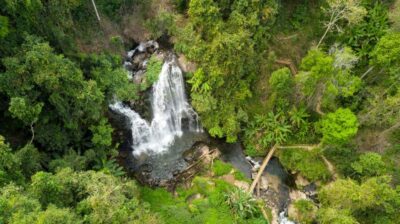
Cheonjiyeon Falls is scheduled for about 35 minutes including guided viewing and walking. The tour highlights that the falls are an official natural monument of Korea, and the name ties to the idea that the water appears to come from the heavens.
In other words: the story matters here. It’s not only about whether you can get a great angle for a photo. It’s about how Koreans describe the place and what that means for how it’s valued as a natural feature. The guide’s job is to help you notice the right things quickly, since the stop isn’t long.
If you’re sensitive to crowds, this is one place where timing matters. A small group helps, but you still may want to pick your moment for photos rather than hovering.
Seogwi Dawon and tea time: pure green tea plus yellow tea
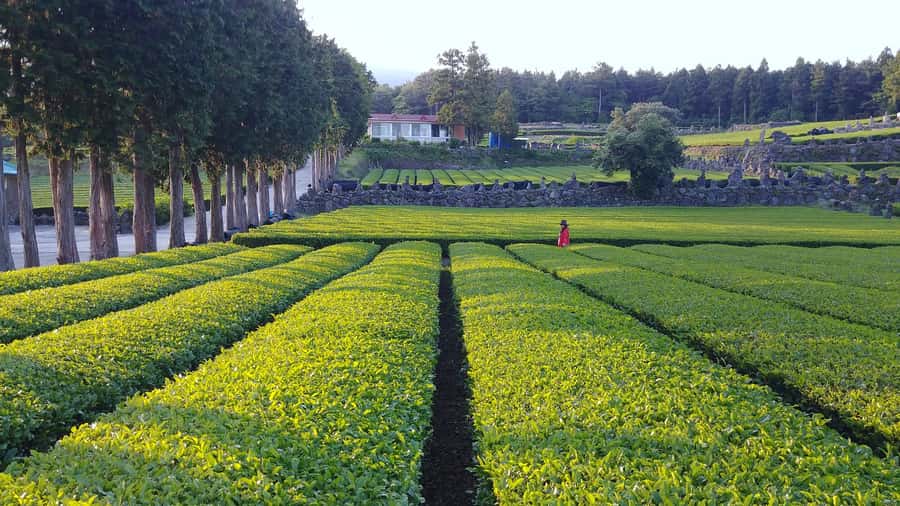
The final stop is Seogwi Dawon, a tea-focused break that runs about 40 minutes. You’ll get tea service, guided time, sightseeing, and a tea ceremony element.
What’s included is specific: they provide pure green tea and yellow tea. Yellow tea is less common than regular green tea at casual cafes, so this is a nice chance to taste something distinct without turning the day into a food mission.
I like that the tea stop ends the day on a slower note. After hiking and cliff views, you get a calmer countryside pace—an easy way to land the day and give your legs a break. It’s also a practical souvenir moment: tea you tried during the ceremony is an experience you can actually remember, not just something you bought.
Price and value: what $100 really covers on this packed day
At $100 per person for an 8-hour tour, the real question is what you’re getting for the money. Here, a lot of costs are bundled: professional guide, driver and van, lunch, tea, and all entrance fees.
That matters because Jeju day trips can quietly get expensive once you add up paid sites, meals, and transport. This tour keeps the math simpler. If you’re traveling with a group of friends, this kind of all-in approach also reduces decision fatigue: you’re not choosing whether to pay for each stop, you’re just showing up and letting the route work.
One more thing: the tour is described as an all-inclusive experience with no hidden cost or options. I can’t promise every operational detail, but the structure is clearly built to be straightforward for you.
Small-group dynamics: up to 15 people, and the English-only comfort factor
The tour is small group, up to 15 pax. That affects the day more than you might expect. It changes how often you wait at doorways, how quickly you get to the next viewpoint, and how easily the guide can answer questions.
The other big comfort factor is the English-only setup. The description says it does not mix English and Chinese customers. Practically, that means less scrambling to follow explanations. Even a great guide can’t fix a situation where half the group can’t really hear or understand the narration.
This matches the way guides are described in feedback: Jin, Henry, and Soraya come across as communicative and friendly, with guides also credited for being attentive to the group’s needs. You’ll feel it most at transition points—when the schedule is tight and you still want to understand what you’re looking at.
When weather changes the plan: road-closure replacements that keep your day alive
Jeju weather and road conditions can shift fast. The tour includes a known adjustment rule: when roads are closed due to heavy rain, heavy snow, or icy roads, hiking may be replaced by Mountain Songak or Saebyul Oreum or other indoor museums.
That’s not as glamorous as the original hike, but it’s the kind of contingency that prevents the whole day from collapsing. Also, it tells you the company is thinking about safety and timing, not just the checklist of attractions.
Seasonal change can also affect the route. You should treat the order and exact duration as flexible depending on local conditions and events.
Who should book this tour, and who might prefer independent exploring
This tour is a strong fit if you want:
- A one-day hit list of Jeju’s top natural sites
- A guided approach so the geology and stories make sense fast
- Hotel pickup in Jeju City downtown
- Included lunch and tea, with entrance fees handled
It may be less ideal if you:
- Want a long, serious Hallasan climb. The hike here is designed to be short, and you may want to add your own extra time elsewhere.
- Prefer more time per stop. One shared drawback is that some locations could use a bit more time.
A good strategy if you have stamina: do this tour for the highlights, then if you still feel the pull of Hallasan, plan a separate longer day on your own.
Should you book this Jeju: Mt. Hallasan Hike and UNESCO Sites Day Tour?
I’d book it if you like your day trips organized, with fewer decisions and more time spent looking and listening. The combination of small-group size, English-only comfort, and a route that covers Hallasan, volcanic cliff scenery, a temple, a waterfall, and a tea farm makes it a practical way to experience Jeju without turning your trip into a logistics project.
If you’re chasing maximum time on Hallasan itself, book something longer for the mountain. But for most people—especially first-timers—this is a well-paced introduction that ends with a calm tea finish instead of a stressed sprint back to the hotel.
FAQ
How long is the tour?
The tour runs for about 8 hours.
Where does pickup take place?
Pickup is available in Jeju-si, and hotel or nearby pickup is included only within Jeju City downtown area.
What hike will I do on Mt. Hallasan?
You’ll hike the Eoseungsaengak trail for about 1 hour (about 1.3 km) and reach around 1,169 m above sea level.
Is lunch and tea included?
Yes. Lunch is included, and there is also a tea time in a green tea cafe featuring pure green tea and yellow tea.
What entrance fees are covered?
The tour includes all entrance fees.
What language is the live guide?
The live tour guide is available in Korean and English.
What happens if weather closes the roads?
If roads are closed due to heavy rain, heavy snow, or icy roads, the hiking portion can be replaced with visits to Mountain Songak, Saebyul Oreum, or other indoor museums.