REVIEW · CATANIA
Mt. Etna Summit: Official box-office for Ascent to the Top
Book on GetYourGuide →Operated by Travelovers · Bookable on GetYourGuide
A volcano is one thing, and Etna on a guided summit day is another. This trip gets you to high altitude on a comfortable 4×4 ride, then pairs it with real crater walking led by an authorized mountain or vulcanologist guide. I like how the route is built around the big landmarks you came for, not just scenic stops, and the pace is active but workable for a short 2.5-hour excursion. One drawback to note: if what you want is a close-up, in-your-face view of the summit crater at every moment, this route is more about looking from smart vantage points (including the observatory) than constant direct crater access.
I also like the official, skip-the-line setup with an Etna Escursioni meeting spot, because it reduces waiting time and stress when weather changes. And the plan includes both science-minded stops (the observatory) and the dramatic ground-level details (old craters and the 2002 eruption area). If snow shows up, the tour can be canceled, so you’ll want a backup day in Sicily if possible.
In This Review
- Key things to know before you go
- Etna summit, simplified: official tickets and a smarter route
- The meeting point and timing: how not to lose your day
- The 4×4 ride up: Unimog-style comfort on rough ground
- First real stop area: altitude walking begins (and why that’s the point)
- The guided central crater tour: how a vulcanologist changes your view
- Pizzi Deneri volcanological observatory: the Bove Valley viewpoint
- The eruption stop and Bottoniera: Oct 27, 2002 on your feet
- Price and value: is $81 worth it?
- Who this suits best on an Etna day
- What to bring (and what to skip)
- A quick reality check: the biggest mismatch in expectations
- Should you book the Mt. Etna Summit experience?
- FAQ
- Where do I meet for the Mt. Etna Summit tour
- How long is the tour
- Is ticket line skipping included
- What languages will the live guide speak
- What should I bring for the crater walks
- Will the tour be canceled if it snows
Key things to know before you go
- Official box-office ticketing helps you start faster instead of hunting for the right desk.
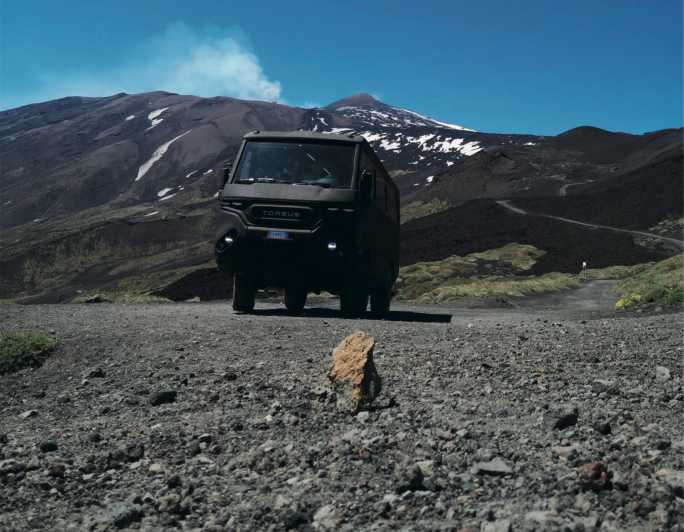
- 4×4 Unimog-style transport is the practical way up and around Etna’s rugged terrain.
- Authorized mountain/vulcanologist guidance keeps the walks safe at altitude.
- Crater walking at multiple elevations includes old major craters around the 1,900–2,850-meter range.
- Pizzi Deneri observatory is your big scientific viewpoint over the Bove Valley.
- The 2002 eruption site and Bottoniera-style craters add a hands-on “how Etna changes” element.
Etna summit, simplified: official tickets and a smarter route
Mount Etna is not the place to wing it. Roads, access points, and safety rules can shift, and summit terrain isn’t friendly to casual hiking assumptions. This experience solves the main problem by running through an official Etna Escursioni setup and using a 4×4 vehicle to cover the rough distances the right way.
The value here is not just “getting to a big number on a map.” It’s the mix of transport + guided interpretation + a walking route designed around what you can realistically see in a short timeframe. At $81 per person for about 2.5 hours, you’re paying for a structured day on active terrain, not just a bus ride.
If you’re the kind of person who likes Etna as more than a photo backdrop, the guide component matters. The program includes time with an authorized mountain or vulcanologist guide, so you’re not just staring at rocks and trying to guess what happened.
You can also read our reviews of more tours and experiences in Catania.

The meeting point and timing: how not to lose your day
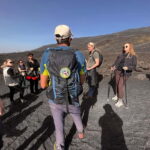
You meet at the Etna Escursioni ticket office, and the tour typically starts within 30 minutes of your scheduled time. That detail matters. You’re not meant to arrive, drop your stuff, and immediately disappear into the mountain—plan on a little waiting in the system.
Once you’re checked in, the day follows a simple arc: you head up from the north side staging area, get into the summit zone by road, then do crater-focused walking with guidance. Because the tour is short, the timing is tight enough that you’ll want to show up with your boots ready and your water/outer layer plan in mind.
Weather is another practical factor. This tour will be canceled if it snows, so you may want to avoid booking it as your only Etna option if snow is a possibility in your travel window.
The 4×4 ride up: Unimog-style comfort on rough ground
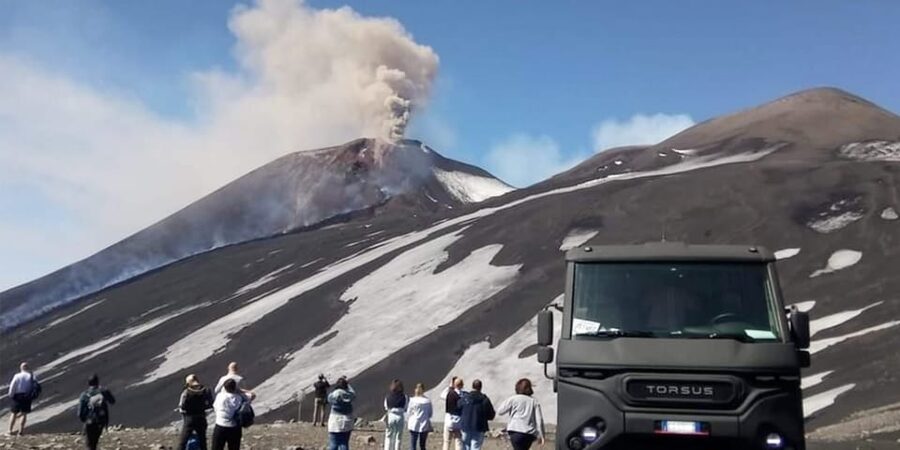
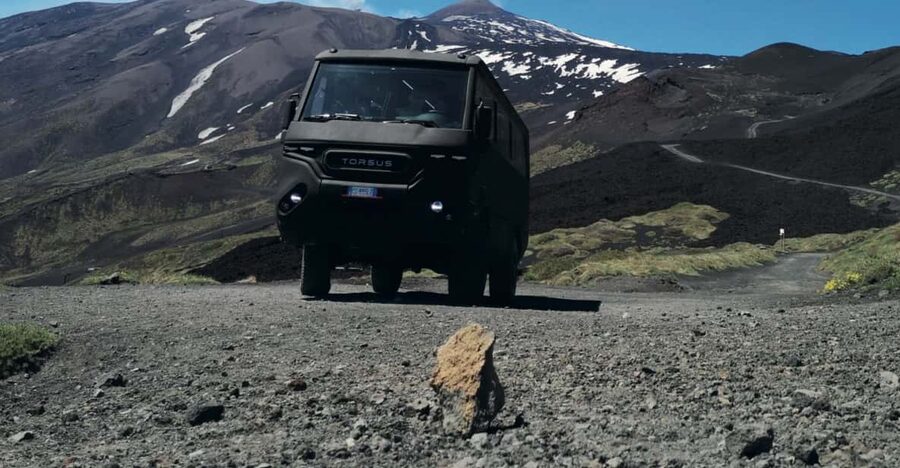
The transport is part of the experience. You ride in a 4×4 Unimog-style vehicle for the round trip, not a long, uncomfortable slog. That matters on Etna because the terrain changes quickly and the vehicle can reach areas a normal bus can’t safely handle.
Expect a ride that feels more like “getting you there” than sightseeing. Still, it’s not a dead time. The guide and driver help set the tone, and once you start climbing, you feel the altitude shift in the air.
A practical note: this isn’t a good fit if you’re dealing with conditions affected by exertion or altitude. The activity isn’t suitable for people with heart problems, respiratory issues, or high blood pressure, which is exactly the kind of limit you should take seriously on a volcanic day.
First real stop area: altitude walking begins (and why that’s the point)
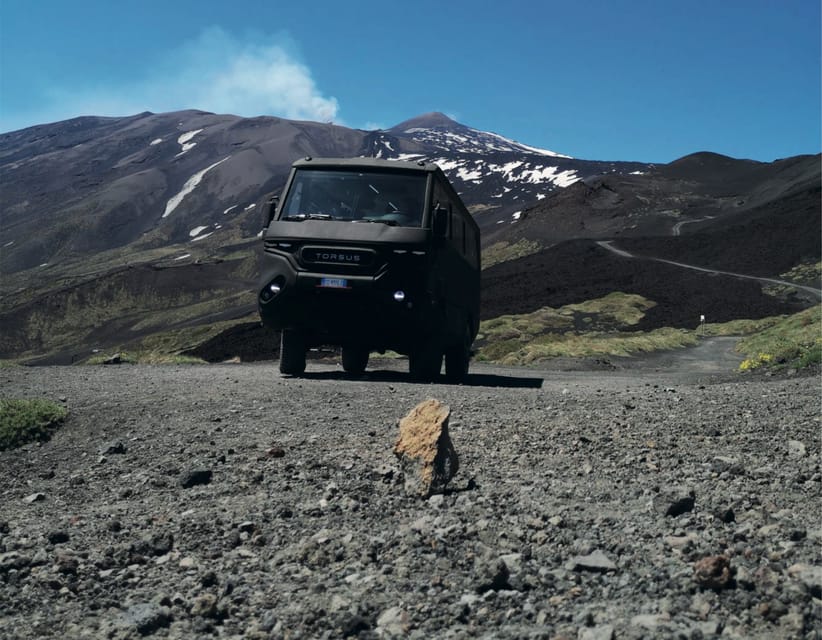
The excursion starts around 1,800 meters on the north side approach. Then you move along a panoramic road that takes you upward toward 2,850 meters. The trick with Etna is that the mountain’s story shows up in layers—different crater types, different viewpoints, and different vegetation cues as you climb.
You’ll spend time walking around major old craters. In the program description, the standout names are the Umberto and Margherita Craters, positioned at about 2,380 meters. These are big, old features, not a quick roadside look. You’ll be walking around crater edges and getting that clear sense of how Etna builds and erodes.
What I like about this crater-walking approach is that it turns the summit into an actual experience. You’re not just being transported; you’re learning by moving through the terrain. At the same time, you are walking at altitude. Comfortable shoes aren’t optional, and you should dress for weather that can change fast.
The guided central crater tour: how a vulcanologist changes your view
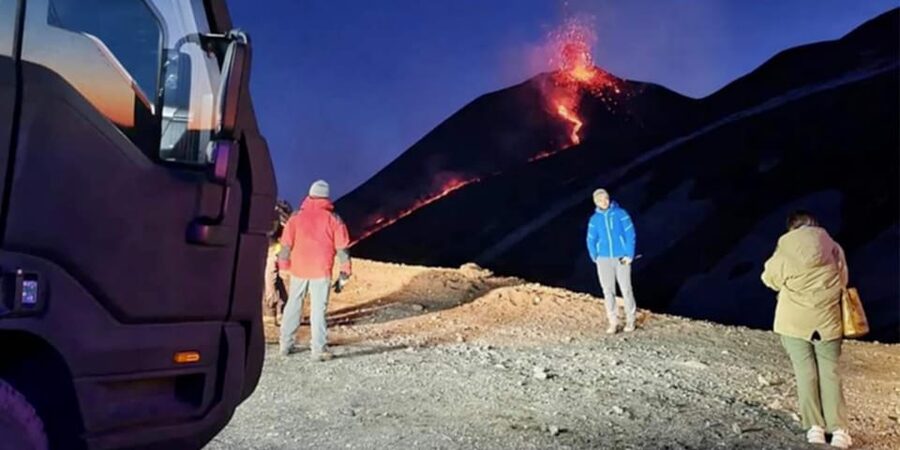
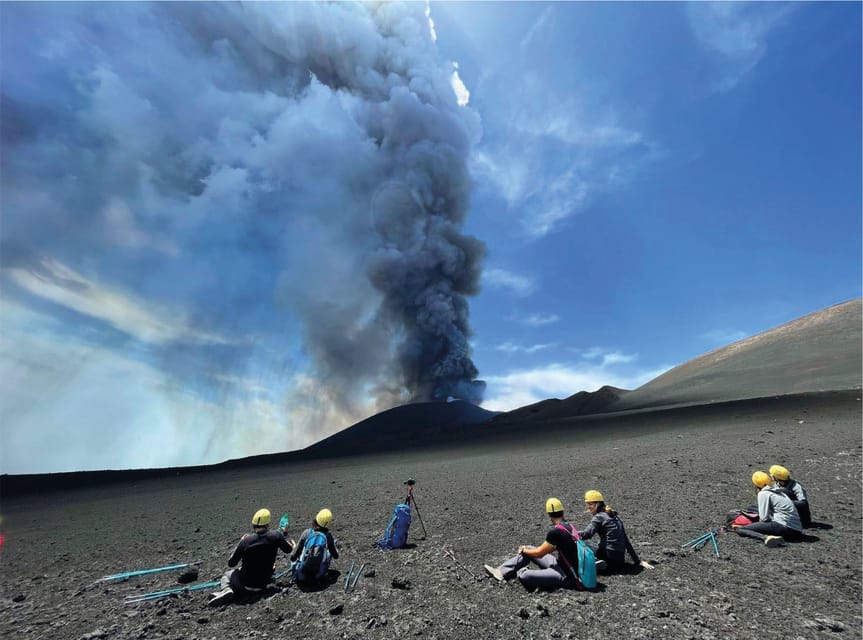
The guided portion centers on the crater zone, with about 1.5 hours of guided touring in the summit area timeframe. This is where a volcanologist guide adds real value. They can explain what you’re seeing in plain language: how the craters form, what the different shapes imply, and why some areas feel more chaotic than others.
This is also where safety and pacing make the difference. Authorized guides help keep you in the right zones and at the right distances from volatile ground. If you’re worried about safety on an active volcano, this guided structure is the reassurance you’re actually paying for.
Now the honest drawback: if your expectation is that you’ll constantly be close enough to the most dramatic summit craters for big, direct views all day, you might feel a mismatch. One review complaint made it clear that reaching around 2,800 meters didn’t equal the kind of close crater access they expected. In other words, you can absolutely reach high points, but the experience is still safety-first.
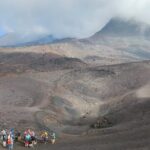
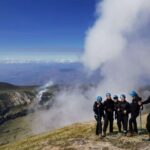
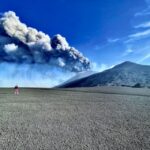
Pizzi Deneri volcanological observatory: the Bove Valley viewpoint
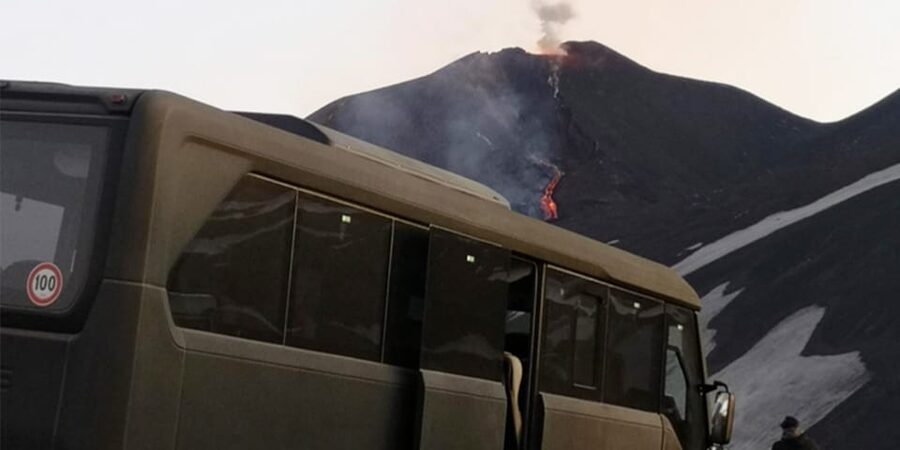
From the crater walking, you continue to the Pizzi Deneri volcanological observatory at about 2,850 meters. This is arguably the “wow-mechanics” stop because it’s where the science meets the wide-angle drama.
From there, you can observe the summit craters that dominate the Bove Valley—and you do it from a safe distance, which is exactly the right way to see a living system without putting yourself in danger. The observatory setting also tends to make explanations click. When you can look at the whole geometry at once, crater talk becomes more meaningful.
If you like photos, this is the time to take them seriously: the altitude and the vantage help. If you prefer understanding over snapshots, this is also the moment when your guide’s context matters most.
The eruption stop and Bottoniera: Oct 27, 2002 on your feet
The last major stop is the eruption site dated to October 27, 2002, around 1,900 meters. The program notes the eruption had characteristic button-shaped craters, and you’ll walk a circular path around crater edges.
This part is special because it brings the timeline into focus. Instead of only seeing old, eroded crater rims, you get a clearer reminder that Etna’s activity is ongoing. Seeing crater morphology up close—especially around features called Bottoniera—adds texture to everything you learned at the higher observatory.
This is also where the “active outdoors” piece really lands. You’ll be walking more like a hike than a quick stroll, and you’ll want to keep your footing in mind. If you go in flip-flops, you’ll hate yourself by minute ten, so stick to proper shoes.
Price and value: is $81 worth it?
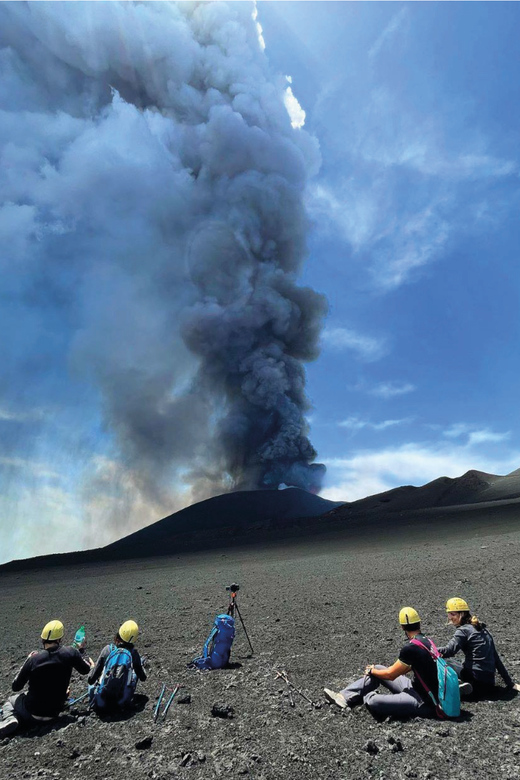
At $81 per person, this tour is priced like an organized mountain day, not a casual sightseeing trip. That price covers a few key things that add up fast if you try to DIY:
- A vehicle capable of taking you through Etna’s rugged access points
- An authorized guide (mountain or vulcanologist)
- A structured route that fits in a short time window while still including meaningful walking
For many people, the value is in the guide. In the reviews, the consistent praise was about the guide being easy to understand in Italian and English and making both the science and the views make sense. Even the positive notes about the driver being top-notch point to a well-run operation: you don’t have to manage every micro decision yourself.
Is it worth it for everyone? Not necessarily. If you only want the highest point photos and minimal walking, a summit-focused program like this may feel like too much. Also, if you specifically want direct crater views up close, understand you’re looking from safe vantage points like the observatory.
Who this suits best on an Etna day
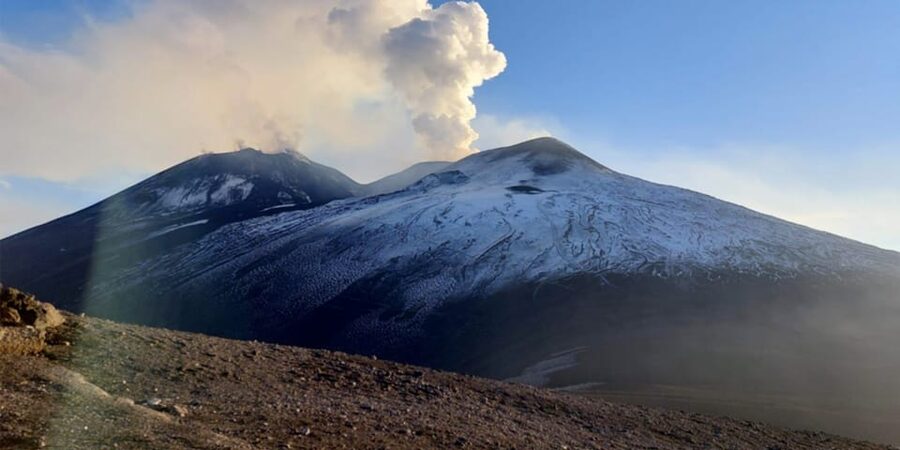
This experience fits best if you want:
- A guided crater walk with real interpretation
- A transport method that makes the summit zone practical
- A short excursion that still hits multiple Etna highlights
It’s less ideal if you:
- Get worn down by altitude walks
- Want minimal exertion
- Have health concerns listed by the operator (heart, respiratory, high blood pressure)
It also helps if you enjoy outdoor time and can handle shifting volcanic weather. The tour is canceled if it snows, so build in flexibility.
What to bring (and what to skip)
Bring:
- Comfortable shoes for walking on uneven terrain
- Weather-appropriate outdoor clothing (Etna can surprise you)
- Outdoor layers you can adjust quickly
Leave:
- Sandals or flip-flops (not allowed)
- Large luggage or big bags (not allowed)
- Non-folding strollers (not allowed)
- Anything that violates basic rules like smoking in the vehicle (not allowed)
This is one of those days where “small preparation” makes the whole experience smoother.
A quick reality check: the biggest mismatch in expectations
The most important expectation-setting point is the “crater access” level. You do reach about 2,850 meters and you walk around major old craters (including Umberto and Margherita), plus you visit the Pizzi Deneri observatory. But you may not get the constant, very-close summit crater access some people imagine when they hear summit.
If your #1 goal is to stand right on the most dramatic summit edges, you might end the day wishing for something closer. If your #1 goal is to understand Etna and get a safe, high, crater-centered experience with expert context, this format is a strong match.
Should you book the Mt. Etna Summit experience?
Book this if you want an organized Etna day that blends high-altitude viewpoints, guided crater walking, and science-focused explanation without turning your schedule into a scramble. The short duration is a plus if you’re balancing other parts of Sicily and don’t want to spend half a day traveling and waiting.
Skip or choose a different option if you:
- Need a low-exertion outing
- Have health issues that make altitude unsafe
- Expect to be right up against summit craters the whole time
If you’re flexible with weather and you’re excited to learn while walking, this is one of the most practical ways to experience Etna’s power in a compact, well-managed outing.
FAQ
Where do I meet for the Mt. Etna Summit tour
You meet at the Etna Escursioni ticket office.
How long is the tour
The duration is 2.5 hours.
Is ticket line skipping included
Yes. The tour includes skip-the-ticket line.
What languages will the live guide speak
The live tour guide speaks Italian and English.
What should I bring for the crater walks
Bring comfortable shoes and weather-appropriate outdoor clothing.
Will the tour be canceled if it snows
Yes. This tour will be canceled if it snows.