REVIEW · CATANIA
Catania: Etna Nature Tour with Hiking, Cave Visit, & Tasting
Book on GetYourGuide →Operated by Kemedia · Bookable on GetYourGuide
Etna feels like another planet. On this Catania day trip, I love the Sapienza Refuge viewpoints and the chance to walk through a lava cave with helmet and headlamp. You also get a farm tasting that goes beyond wine, with honey and olive-based products in the mix. The main catch: going higher via cable car/4×4 is extra, and at Etna you should expect cold, wind, and fast-changing conditions.
I also like that it’s set up as a small-group outing with a live guide in multiple languages, so you can actually ask questions while you’re looking at craters and lava formations. The pacing is “see a lot, but don’t rush your legs,” though it’s still not a sit-on-a-coach-and-watch model. If lunch isn’t your plan, you’ll want to plan around that too.
In This Review
- Key things I’d circle before you book
- Why Mount Etna feels special on this kind of tour
- Ragalna welcome and the van ride you should use well
- Sapienza Refuge at ~1,986 m: Silvestri craters and newer eruption views
- Trekking choice vs the cable car and jeep bus up to higher altitudes
- Entering a lava cave with helmet and headlamp
- The farm tasting: honey, olive oil, olive products, and wine
- Price and value: what $45.55 covers, and what costs extra
- What to bring for Etna weather (and what to skip)
- Who this Etna nature tour suits best
- Should you book the Catania Etna Nature Tour with hiking, cave visit, and tasting?
- FAQ
- How long is the Etna nature tour?
- Is hotel pickup available in Catania?
- What transportation is included if I choose the transfer option?
- Do I have to trek, or can I go up another way?
- Is the lava cave visit included?
- What kind of food and drink tasting is included?
- Is lunch included?
- What languages is the guide available in?
- What should I bring for the day on Etna?
- Can I cancel for a full refund?
- Are pets allowed on the tour?
Key things I’d circle before you book
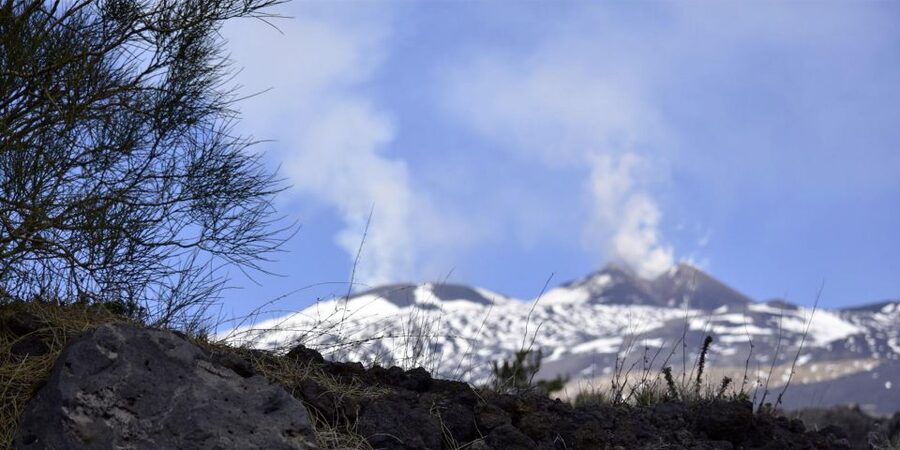
- Sapienza Refuge (about 1,986 m) and crater views with both older Silvestri craters (1892) and newer eruption areas
- Lava cave entry with helmet + headlamp (when the cave option/transfer setup applies)
- Ragalna welcome refreshments before the main push toward Etna
- A real farm tasting: honey, olive products/olive oil, and wine
- Two ways up: hike, or swap trekking for cable car + jeep bus to the highest allowed altitudes
- Small-group touring with a live guide available in Spanish, French, Italian, English, German
Why Mount Etna feels special on this kind of tour
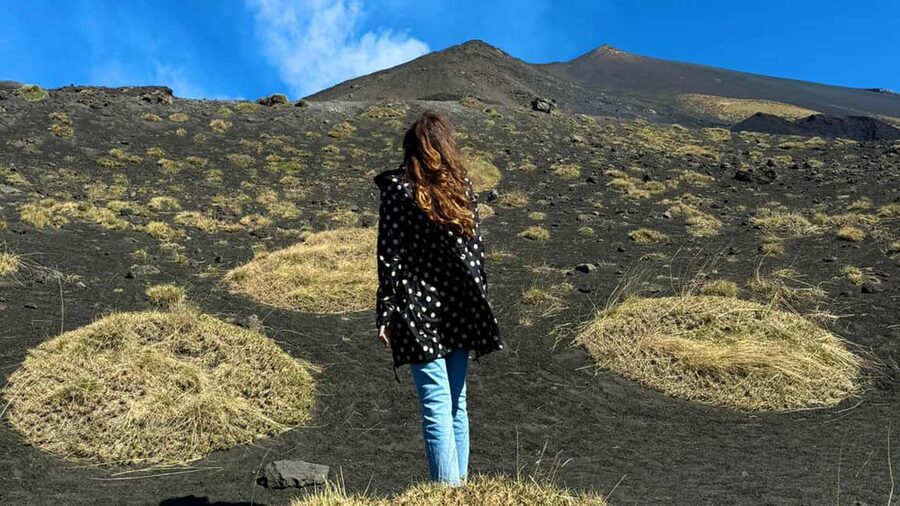
Mount Etna isn’t just a scenic stop. The fun here is that you’re learning as you go, so the volcanic shapes start making sense—craters on the surface, and then the “plumbing” underground when you enter a lava tunnel. You’re not stuck staring at a viewpoint sign for hours.
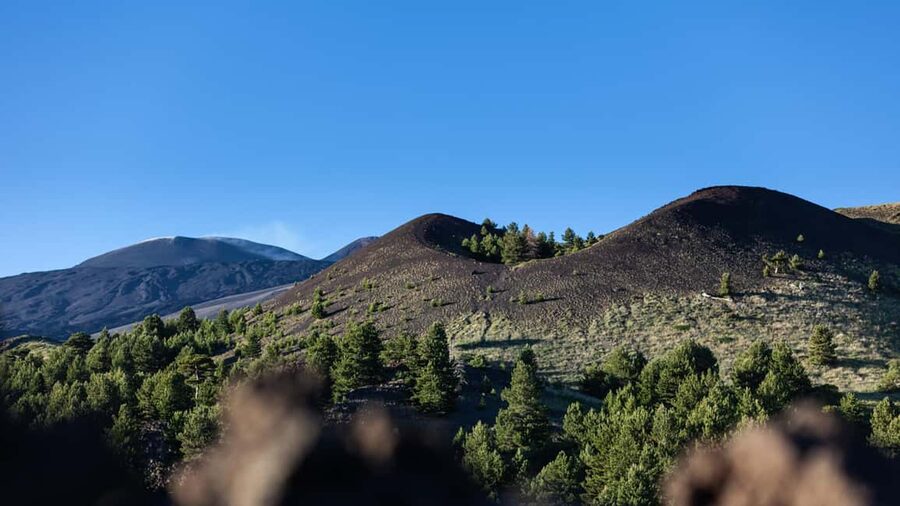
I like that the day is built around the volcano’s most recognizable phases: older crater formations tied to historic eruptions (like the Silvestri craters from 1892) and evidence of more recent activity seen from the Sapienza area. Even if you’re not a geology nerd, the guide’s explanations make it easier to picture how lava tunnels form and why the terrain looks the way it does.
There’s also a very Sicilian finish: you end the day tasting products from the land—honey, olive oil, and wine—so the tour doesn’t feel like it’s only about the mountain. It’s Etna, then Etna’s flavors.
You can also read our reviews of more tours and experiences in Catania.
Ragalna welcome and the van ride you should use well
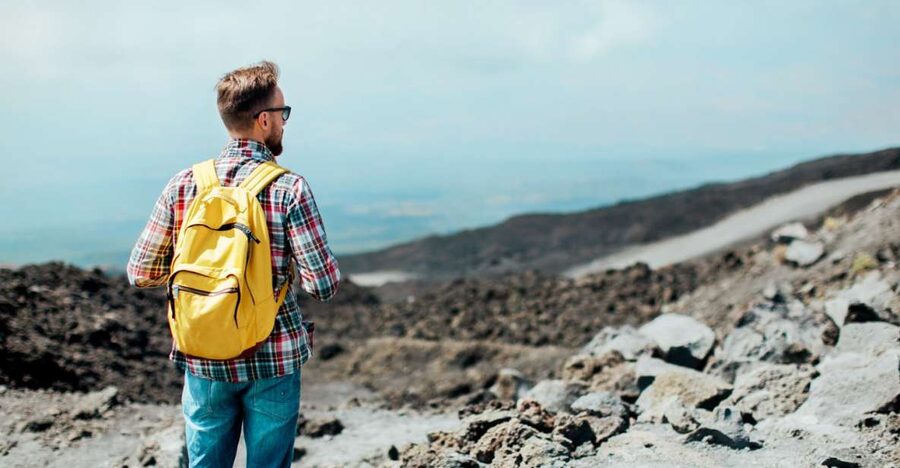
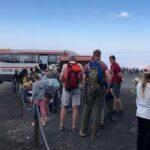
You’ll start from the designated pickup point in Catania, and if you choose the transfer option, you’re looking at roundtrip shuttle transportation from the city center. The drive portion is long enough that it helps to arrive on time and be ready to settle in.
A typical flow starts with a van ride, then a stop in Ragalna where you get welcome refreshments for about 45 minutes. This matters more than it sounds. It breaks the day into “arrive, reset, then climb,” and it gives you a buffer if your morning is running late.
Use the downtime wisely: bring your windbreaker easily accessible, and check that you’ve got your layers sorted. Etna’s altitude can turn warm sunlight into chill wind quickly, and the tours are outdoors for a chunk of the day.
Sapienza Refuge at ~1,986 m: Silvestri craters and newer eruption views
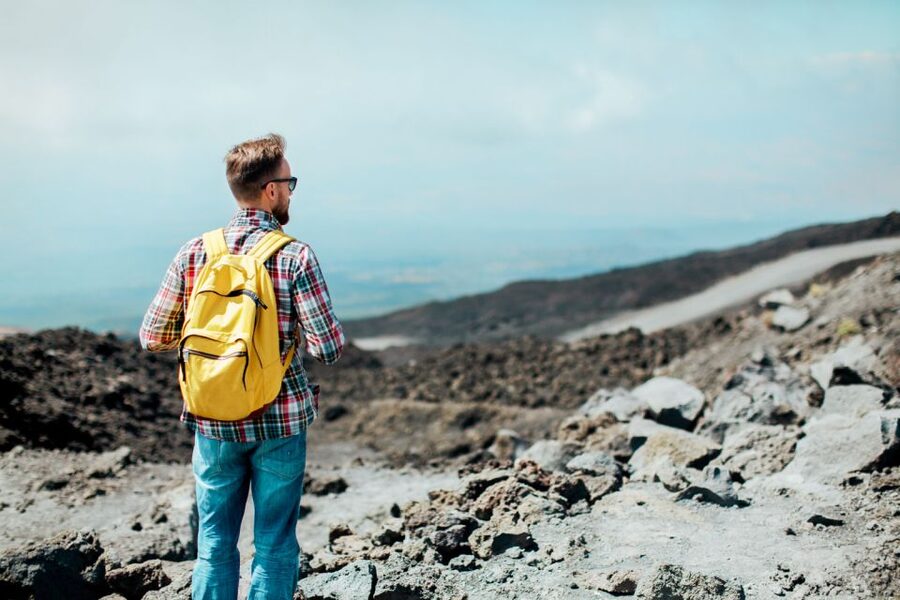
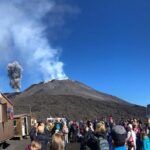
This is the centerpiece. From the Etna nature park area, the itinerary takes you up to Sapienza Refuge with views from around 1,986 meters. From there, you get a guided look at crater areas tied to historic eruptions, including the Silvestri craters from 1892, plus areas showing the volcano’s more recent activity.
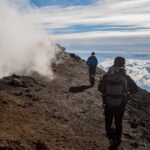
What I like about this setup is that you’re not choosing between “scenery” and “story.” You’re walking, looking, and learning at the same time, with the guide connecting crater shapes and lava behavior to what you see in front of you. It’s the kind of explanation that clicks fast because you’re constantly visualizing the shapes.
One practical note: the higher you go, the more weather matters. A light mist, wind, or cloud cover can change what’s visible. I’d treat the Sapienza portion as your big visual window—dress for it, and don’t plan to linger in jeans and a thin T-shirt.
Trekking choice vs the cable car and jeep bus up to higher altitudes
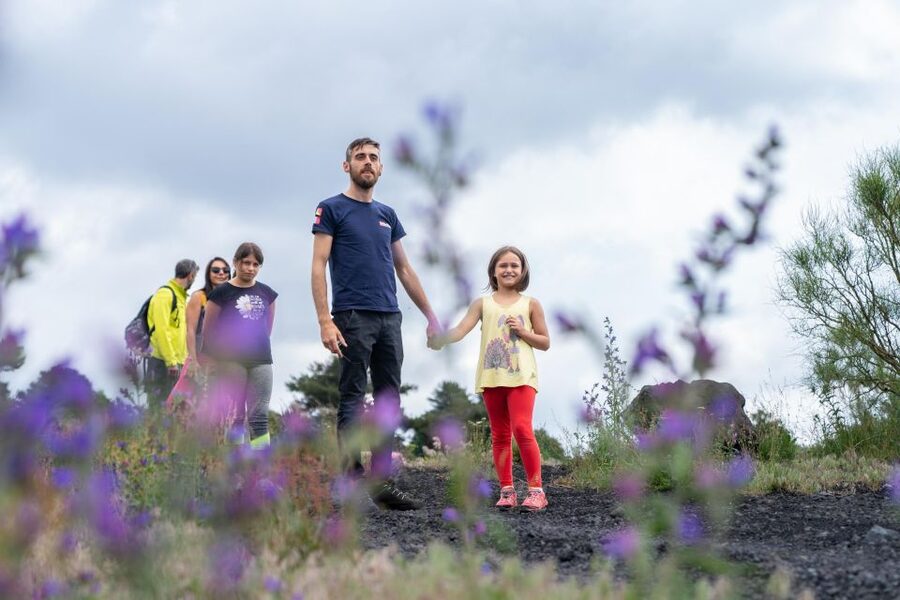
This tour gives you an option that’s genuinely useful: instead of trekking the whole way, you can choose the cable car and jeep bus option to reach the highest altitudes allowed that day. You’ll trade hiking effort for extra transport time and extra cost.
Why that matters: you control how intense the day feels. If you want Etna but your legs aren’t up for a full walking route, the high-altitude option helps you still see the dramatic volcanic terrain without pushing through every step.
Cost-wise, the tour information makes it clear that the cable car/4×4 to high altitudes is not included in the base price. People sometimes choose it to get the widest viewpoints possible, but you’ll want to budget for it before you go. In one reported case, the cable car upgrade was quoted around $30 per person, while another group noted figures around $80 per person when going further up—so expect “extra fee” rather than a predictable number.
My advice: decide early. If you wait until you’re on the ground, you can end up stressing about weather and timing when you’d rather be enjoying the craters.
Entering a lava cave with helmet and headlamp
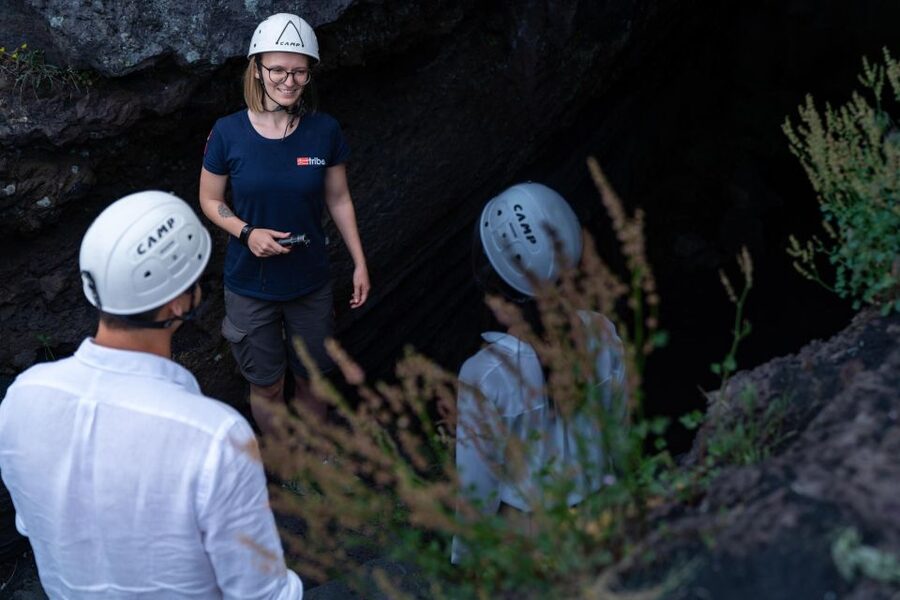
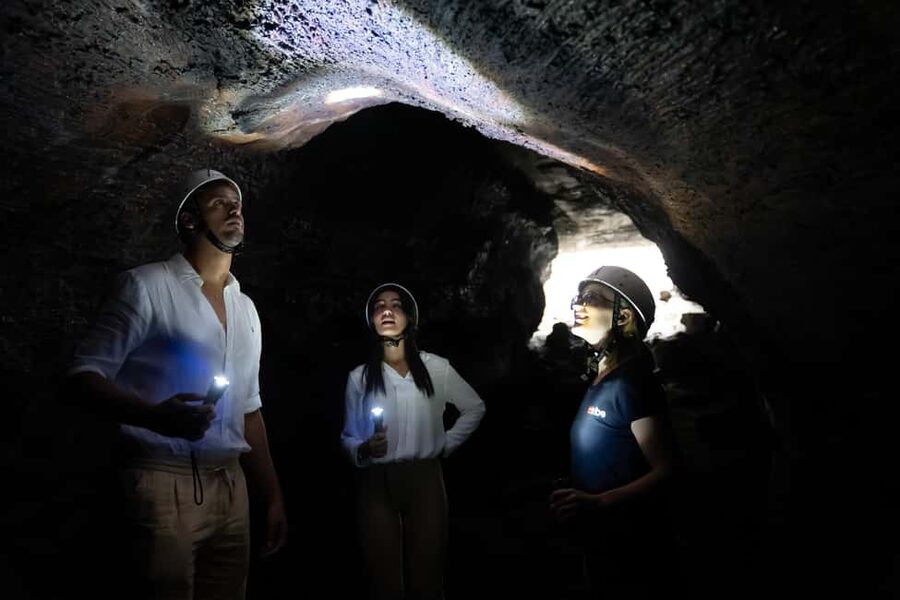
The lava cave visit is the part that feels the most different from other “volcano tours.” If your selected option includes it (and the transfer setup applies), you’ll get the cave visit kit, including a helmet and headlamp.
This is a serious practical inclusion. Without the gear, you’d be dealing with darkness and awkward footing. With the helmet and light, you can focus on what you’re seeing: the shape of lava flows and the idea of how tunnels can form when molten material moves and solidifies.
One consideration: cave time can feel short simply because it’s a controlled excursion. In at least one case, someone wished they had a few more minutes underground, even while understanding it was busy. So treat the cave as an experience sprint, not a long hangout.
Also pack for the cave’s vibe. You’re outdoors first, then inside a tunnel. Bring layers you can adjust, and keep a windproof outer layer with you in case the walk back is chilly.
You can also read our reviews of more hiking tours in Catania
The farm tasting: honey, olive oil, olive products, and wine
After the volcano segment, the tour shifts gears to taste. You’ll visit a well-known farm and sample local products such as honey, olive oil, and wine. Depending on the day’s selection, you may also see related items like olive-based spreads and other small local tastings that pair well with your views from earlier.
This tasting stop is more valuable than it looks on paper. Etna is volcanic land, and the flavors of Sicily show up in what grows there—especially in olive cultivation and the honey tradition. Even if you’re not buying souvenirs, it helps you connect the trip to something you can bring home and actually use.
I also like that the tasting feels like a real stop, not a rushed “buy this or leave.” People consistently come away with an appreciation for the variety: wine plus oils, plus the sweet stuff like honey. It’s a good way to end a cold, windy day with something that feels warm and rewarding.
Remember: lunch is not included. If you care about eating properly instead of snacking, plan ahead. The tasting will give you bites, but it’s not the same thing as a meal.
Price and value: what $45.55 covers, and what costs extra
At about $45.55 per person, the value mostly comes from what’s bundled:
- a multilingual live guide
- tasting of local products
- cave-visit kit (when the cave/transfer setup applies)
- the option for trekking shoes upon request (when the transfer option is selected)
- and, if you choose it, roundtrip transportation by shuttle from the city center
The big exclusions to plan for are:
- lunch
- cable car or 4×4 bus to high altitudes (when you want to go further up)
So here’s the real way to think about the price: this isn’t “cheap,” but it’s built to cover the core guided experience, the transport structure (when selected), and the tastings. The extra high-altitude transport is the variable, and it’s optional—but it can be the difference between a great view day and an “I got every viewpoint I could” day.
If you want the most value, I’d book with the transfer option (if that matters to you) and choose the trekking vs cable-car route based on your comfort level. If you’re already confident hiking and you don’t mind cooler conditions, you can keep spending tighter by trekking. If mobility or stamina is a concern, the cable car/jeep bus option can be the smarter call, even with extra fees.
What to bring for Etna weather (and what to skip)
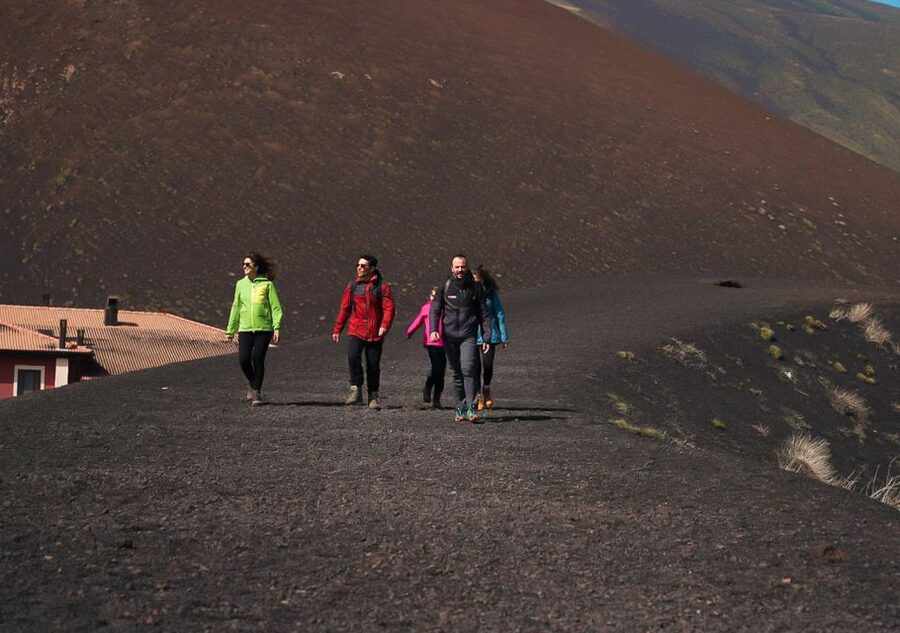
Etna takes your outfit personally. Bring a windbreaker and weather-appropriate clothing, and wear sports shoes. Layers matter because the temperature can change as you gain altitude.
If you’re selecting the transfer/cave setup and you want the easiest logistics, you can request trekking shoes. Don’t count on it automatically unless you’re using the option where that’s available.
What I wouldn’t bring: anything that makes you clumsy. You’ll be moving outdoors with uneven volcanic terrain. Keep your bag light and your hands free.
Finally: pets aren’t allowed on this activity, so plan accordingly if you’re traveling with animals.
Who this Etna nature tour suits best
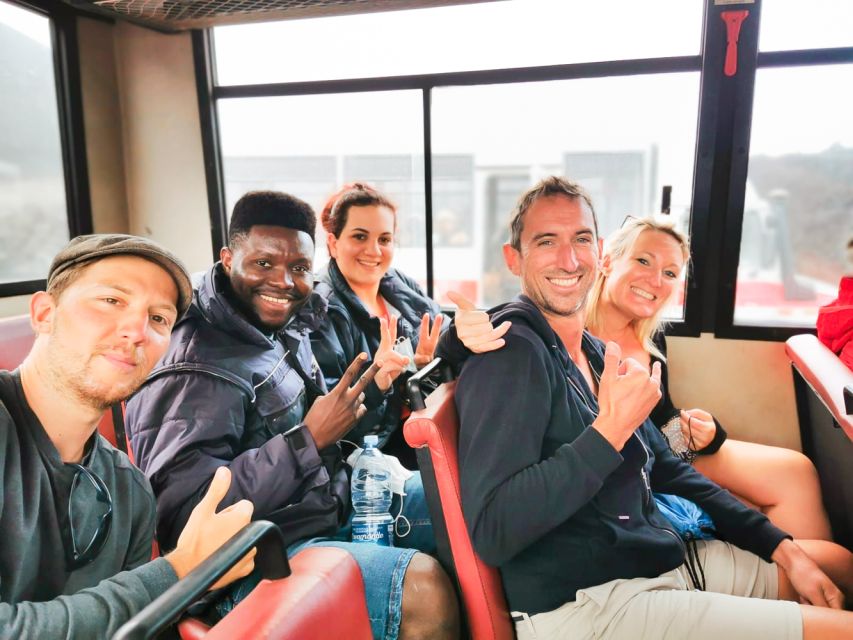
This is a great match if you want a structured day that mixes real outdoor time with guided explanations and a Sicilian tasting payoff. The small-group format helps keep the day from turning into a crowd march.
You’ll probably enjoy it most if:
- you like asking questions during a guided walk
- you want both surface crater views and an underground lava cave experience
- you’re interested in local foods (honey, olive oil, wine) after the hiking
There’s one clear group mismatch: it’s not suitable for people with mobility impairments. The activity includes trekking and cave walking that likely involve steps and uneven ground.
If you’re traveling with kids, there’s baby support: a baby seat or baby carrier is included in the infant price when the transfer option is selected. That can make a big difference for families trying to avoid complicated logistics.
Should you book the Catania Etna Nature Tour with hiking, cave visit, and tasting?
If your ideal day is equal parts volcano views, guided learning, and a satisfying Sicilian food stop, I’d book this. The combination of Sapienza Refuge craters, the Silvestri (1892) area, and an actual lava cave with helmet and headlamp is the kind of itinerary that feels full without being chaotic.
Book it especially if you like guidance that keeps pace with what you’re seeing. Guides named in people’s experiences—like Carmelo, Enzo, Simone, Peppe, Valentine, Daria, Gabrielle/Gabriele, Federico, Lorenzo, Nando, Antonio, and Andrea—are repeatedly described as the reason the geology and the day’s flow feel clear and fun. In other words: the guide isn’t just “present,” they shape how much you get out of the mountain.
Your decision hinges on one thing: the optional high-altitude transport. If you think you might want maximum viewpoints, plan for extra fees for cable car/jeep bus. If you’re happy hiking and want to keep the budget tight, you can get a strong Etna experience without that extra push.
FAQ
How long is the Etna nature tour?
The duration is listed as 3 to 7 hours, depending on the selected option and starting times. Check availability to see the exact start times for the day you want.
Is hotel pickup available in Catania?
Pickup is optional. If you select the transfer option, hotel pickup and drop-off are available from reachable hotels and B&Bs in Catania.
What transportation is included if I choose the transfer option?
If you choose the transfer option, the tour includes roundtrip transportation by shuttle bus from the city center.
Do I have to trek, or can I go up another way?
You can trek, or you can opt for the cable car and jeep bus to go up to the highest altitudes allowed. The trekking shoes option is tied to the transfer setup.
Is the lava cave visit included?
A cave visit is included for the option that applies, and it includes a kit with a helmet and lamp. The helmet/lamp gear is part of the cave visit option.
What kind of food and drink tasting is included?
You’ll sample typical local products at a farm, including honey, olive oil, and wine (plus other local offerings during the tasting).
Is lunch included?
No. Lunch is not included in the tour price.
What languages is the guide available in?
The live tour guide is listed in Spanish, French, Italian, English, and German.
What should I bring for the day on Etna?
Bring a windbreaker and sports shoes, plus weather-appropriate clothing. Temperatures can be cooler at altitude, so dress in layers.
Can I cancel for a full refund?
Yes. Free cancellation is available up to 24 hours in advance for a full refund.
Are pets allowed on the tour?
No. Pets are not allowed.