REVIEW · CATANIA
Mount Etna: Hike to the top 3400mt from the North Side
Book on GetYourGuide →Operated by Ashàra Etna & Stromboli Guides · Bookable on GetYourGuide
Mount Etna has a way of making you pay attention. This trek is about getting high, close, and informed on the active summit craters with certified volcanological guides. You start from Piano Provenzana (about 1,800m), ride up by vehicle, then walk into that strange, lunar-feeling zone of craters, lava flows, gas emissions, and bright mineral colors from sulfur.
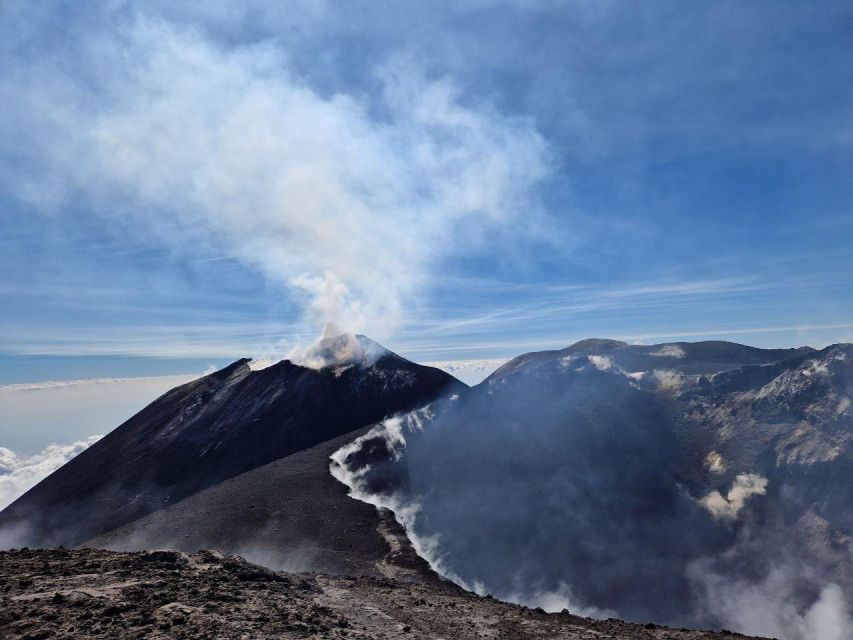
What I love most is the guide-led storytelling as you climb—how Etna’s evolution and history show up in what you’re seeing right now. Second, you’re not just looking at Etna from afar: you walk along the crater rim at roughly 3,320m, facing the Northeast Crater and taking in the Southeast Crater, tied to some of the most recent eruptions.
One consideration: the North-side route is only available if conditions allow safe access. If Etna is too active, your plan can change, so be ready for an alternate approach and a potentially different “how high you get” outcome.
In This Review
- Key things that make this Etna hike worth it
- Etna’s 3,400m summit-crater goal: how the trek is designed
- Getting to Piano Provenzana: the 4×4 segment and the cash detail
- Stop by stop: what you’ll do around Cratere Centrale
- Cratere Centrale dell’Etna: photos, rim walking, and the guide’s volcano reading
- Piano delle Concazze: the ascent stretch with high-altitude pacing
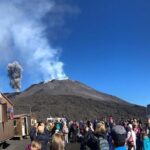
- The active summit craters: what you’ll actually see at the top
- The descent: ash, slag, and surprisingly scenic views back to the coast
- How the guide experience shapes what you learn (and what you feel)
- Price and real value: what 67.97$ covers, and what comes next
- What to pack (and what to wear) for North Etna conditions
- Who should book this Etna North hike—and who should skip it
- Should you book the North-side 3400m Etna crater hike?
- FAQ
- How long is the Mount Etna hike?
- Where do we meet for the North Etna hike?
- Is the 4×4 vehicle included in the price?
- What gear is included, and do I need trekking poles or a helmet?
- What should I bring with me?
- Is this hike suitable for kids?
Key things that make this Etna hike worth it
- Certified volcanological + mountain guidance so you learn what you’re actually looking at, not just facts on a screen
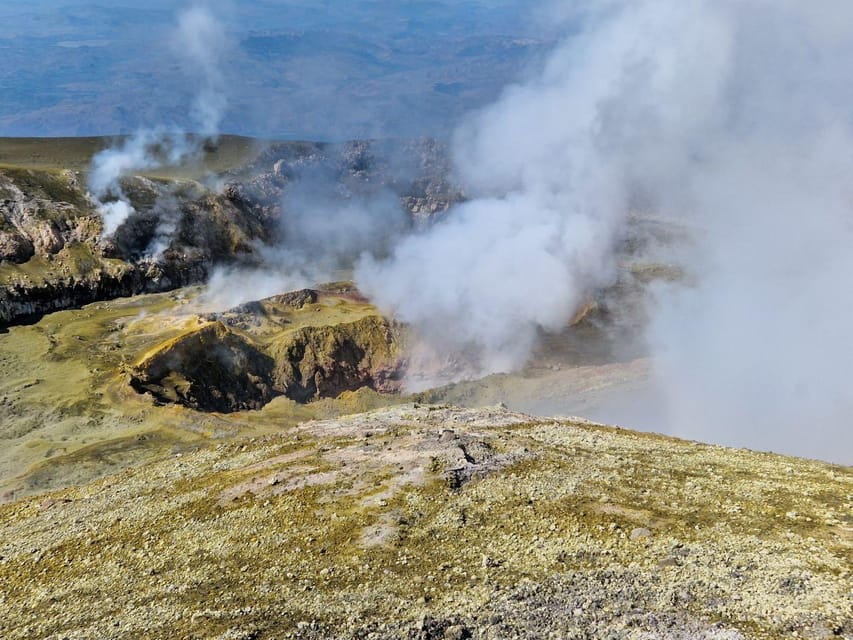
- Crater-rim walking near the Central Crater around 3,320m, with views toward the Northeast and Southeast craters
- Lava-and-ash terrain that’s truly hands-on, with gas emissions and volcanic bombs described as part of the hike experience
- North Etna access from Piano Provenzana with a dedicated slope that can be used in safer conditions
- Small-group feel with safety-led decisions by the guide if risks or weather shift
- Free trekking poles and helmets that take some pressure off your packing list
Etna’s 3,400m summit-crater goal: how the trek is designed
This hike targets the highest active zone you can reach in a guided format: the crater system around 3,400 metres. The point is not a casual summit push. You’re going to spend time at altitude, on uneven volcanic ground, moving between crater areas, and getting a close look at the active “workings” of a living volcano.
The route is also built around safety and access. From the North side, there’s a slope that can currently allow the climb in safer conditions, using special vehicles to reduce the toughest approach on foot. You’ll then transition into a longer ascent on foot—about two hours—from the higher vehicle drop-off toward the main crater rim.
If that sounds intense, that’s because it is. The trek fits best when you’re comfortable walking on sandy or uneven terrain and you can handle an exhausting, high-altitude hike even if you’re not aiming for a personal best.
You can also read our reviews of more hiking tours in Catania

Getting to Piano Provenzana: the 4×4 segment and the cash detail
Your day starts in Linguaglossa at the meeting point near the Ashàra info point, in front of Chiosco Bar Mareneve on Piano Provenzana (Etna Nord). There’s no hotel pickup here, so plan to get yourself there on time.
From there, you take a vehicle ride (about 25 minutes) to reach the climbing area closer to the crater zone. Here’s the cost reality: the hike price covers your guide, insurance, and provided hiking gear, but the 4×4 ticket is not included. You should expect to pay 60€ per person in cash on the spot.
It’s worth it, though. You’re not just “getting a ride”—you’re getting safer access to terrain that would be difficult and slower on foot. If you hate hidden add-ons, this is the one line item to know upfront.
Stop by stop: what you’ll do around Cratere Centrale
Cratere Centrale dell’Etna: photos, rim walking, and the guide’s volcano reading
The first big crater-area stop is around the Cratere Centrale dell’Etna. This is where your hike turns from “approach” into “active summit experience.”
Expect a guided segment that mixes:
- photo stops and scenic viewpoints along the way
- time spent on foot in the crater zone
- explanations from your volcanological and mountain guide
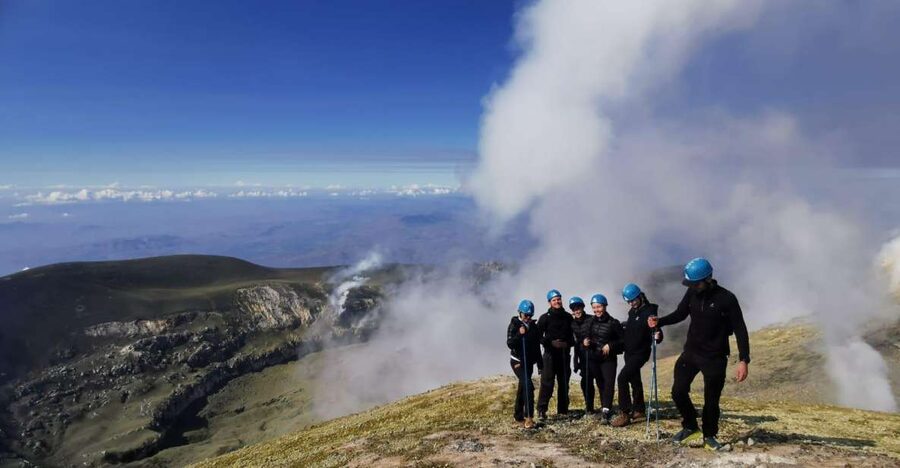
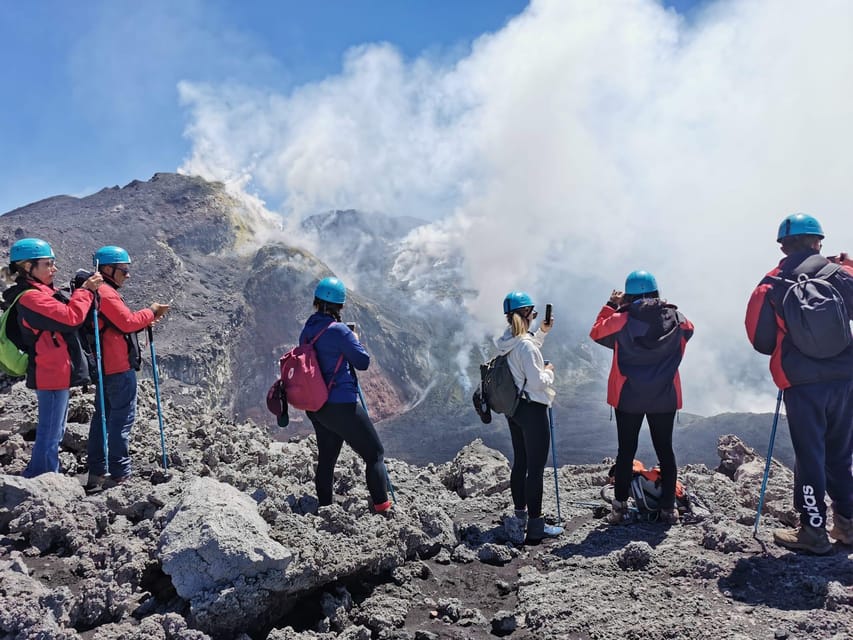
You’re aiming to reach the main crater rim at roughly 3,320m. Then comes the real attention grab: you walk along the rim and face the Northeast Crater while also admiring the Southeast Crater from your side.
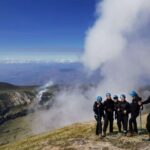
This is where the guide makes a big difference. The volcano isn’t random. Your guide helps you interpret what you’re seeing—like where gas emissions are coming from, why certain ground colors appear sparkly, and how volcanic bombs and ash fit into the current environment. One hint from what you should look for: the ground can look unusually bright, partly because of sulfur and other elements showing up through sublimation.
How long is this phase? Roughly two hours, including guided walking and time to take it in.
Piano delle Concazze: the ascent stretch with high-altitude pacing
After the crater-rim area, you move to Piano delle Concazze, around the 2-hour mark in the second guided walking phase. This part of the experience matters because it’s the transition from a vehicle-accessed height to a more focused summit-crater feel.
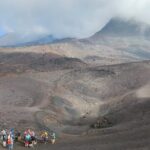
You’ll start near about 2,825m, then continue the main ascent toward the crater rim. The terrain stays volcanic—think fine volcanic ash, slag-like textures, and ground that can feel loose underfoot. The pacing is the guide’s job: they’ll regulate how long you push, how close you get to certain zones, and when breaks happen.
A practical note: this is the section where wearing proper mountain gear pays off. If you try to do it in shoes that are only okay for city walking, you’ll notice it fast.
The active summit craters: what you’ll actually see at the top
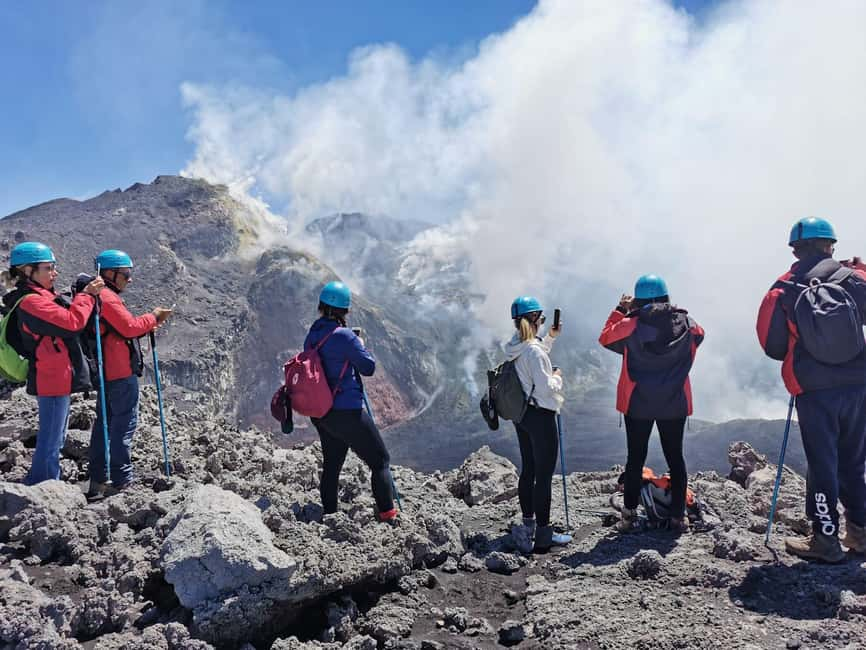
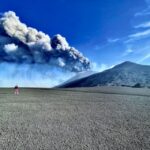
The summit isn’t a “stand still and admire” moment. It’s more like a guided field session in an active system. You’re visiting the higher crater areas (with the target around 3,400m) where you can observe:
- gas emissions
- volcanic material like ash and volcanic bombs
- ground colors that look almost unreal because of mineral sublimation, especially sulfur
You’ll also get those wide, sharp views that come only with crater elevation—plus the sense of scale. Etna’s summit area isn’t small. You’re surrounded by craters and lava flow patterns, and the guide’s explanations help you connect the dots between the shape of the terrain and the volcano’s recent activity.
From the reviews and the tour info, one theme repeats: the guide’s enthusiasm and clarity really change the experience. People talk about guides who don’t just describe Etna, but explain how it works—calm, competent, and focused on what’s relevant to the walk you’re doing right now.
The descent: ash, slag, and surprisingly scenic views back to the coast
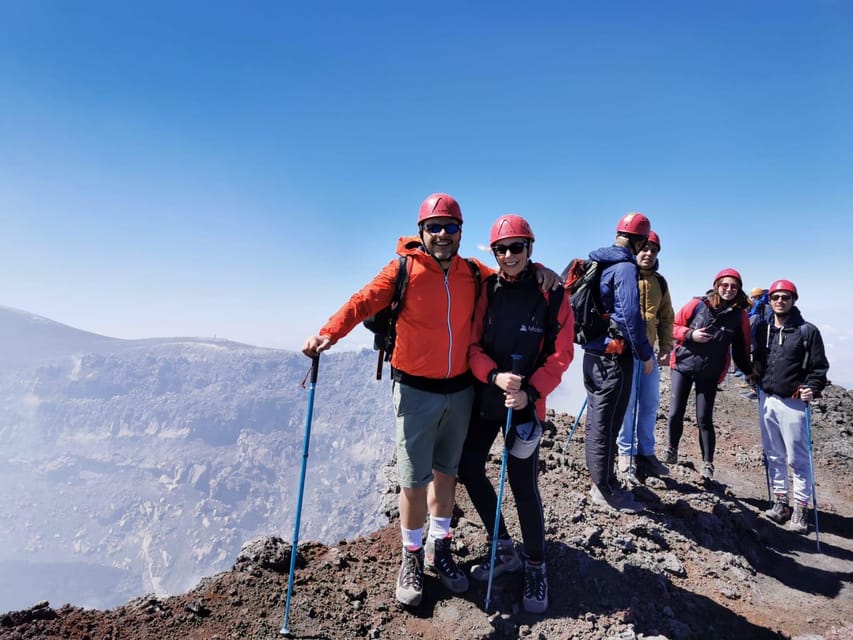
After you’ve done the crater-top portion, the descent is still part of the show. You’ll walk back down through fine volcanic ash and slag, which can feel like uneven powdery footing at times. This is also one of those sections where trekking poles help a lot, even if you’re used to hiking.
The good news: the descent remains panoramic. As you lower in altitude, you start looking out toward the Sicilian coast, so you don’t get trapped in a “just get down” tunnel. You’ll still get those long views while the ground changes under your boots.
Plan for this: if your legs are already tired, treat the descent as a leg-saver. Shorter steps and steady pacing beat forcing speed.
How the guide experience shapes what you learn (and what you feel)
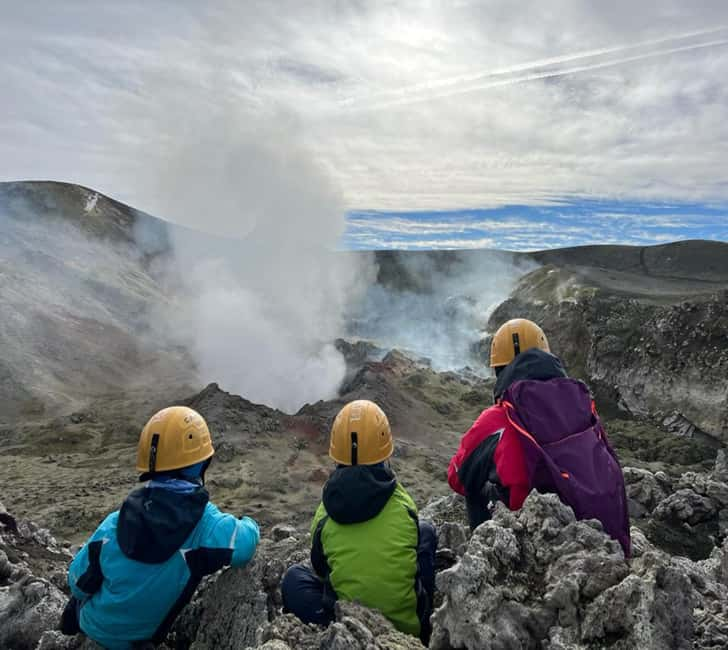
This hike is led by volcanological and mountain guides. That combination matters because Etna is both a scientific story and a safety story.
You get periodic breaks where the guide explains:
- the formation and peculiarities of the volcano
- what the current environment suggests about activity
- how to move safely through terrain that changes from one crater zone to another
One name you may hear in this context is Gino, described as calm and competent with excellent explanations. Even if your guide isn’t Gino, the guiding style tends to be similar: focused, practical, and centered on helping you read the volcano during the walk—not after the fact.
Price and real value: what 67.97$ covers, and what comes next
The advertised price is $67.97 per person for the hike experience with a certified guide and core gear. For that price, you get:
- volcanological or mountain guide
- insurance
- trekking poles (free)
- helmets (free)
- hiking boots support via provided gear listed in the tour details
The major extra cost is the 4×4 ticket (60€ per person) paid cash on the spot. So your real “day cost” is the base price plus that vehicle fee.
I think the value is strongest if you care about two things:
1) getting to crater zones safely with the right access
2) having expert explanations tied to the exact environment you’re walking through
If you’re the type who just wants a view and hates guided instruction, you may feel the money is more about learning than scenery. But if you like knowing what you’re seeing, this is one of the better ways to do Etna without turning it into a DIY uncertainty problem.
What to pack (and what to wear) for North Etna conditions
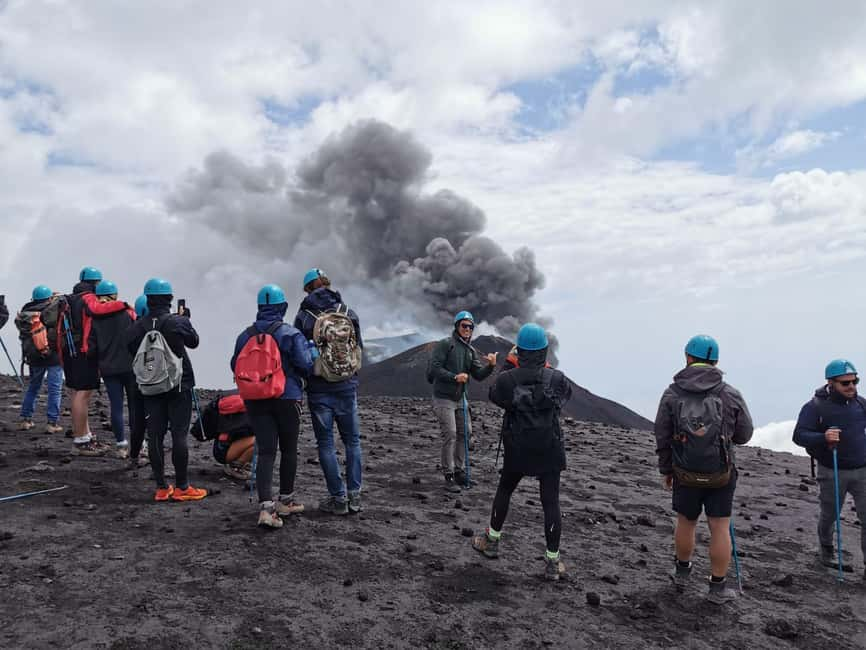
This is not a “light stroll.” Even in good weather, you’re moving through volcanic ground and higher altitude air.
Bring:
- windbreaker
- sunglasses and a hat
- sunscreen
- jacket, long pants, socks, t-shirt
- food and drinks (you’re responsible for it)
- daypack
You’ll also benefit from:
- proper mountain equipment (the tour notes this directly)
- closed shoes only—open-toed footwear is not allowed
Gear-wise, you’ll want to show up ready to hike. Trekking poles and helmets are available for free, so you don’t have to haul those. But if you already have good trekking poles, you’ll likely appreciate them.
Who should book this Etna North hike—and who should skip it
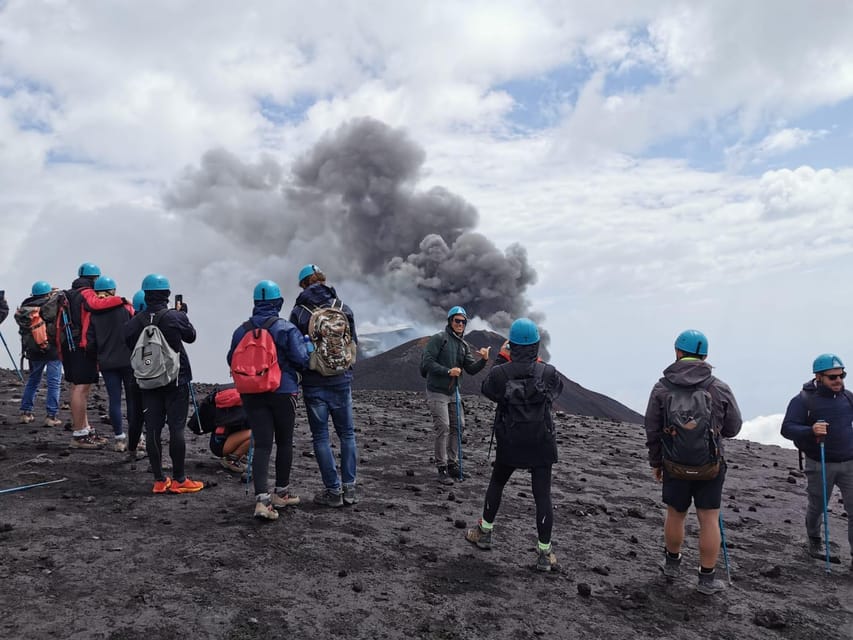
This works best for moderately trained hikers who can handle uneven, sandy volcanic terrain and who accept that the plan can shift based on activity and weather. It’s also aimed at people who want the adrenaline of real crater walking with the benefit of professional guidance.
It’s not suitable for:
- children under 9
- pregnant women
- people with heart problems, epilepsy, high blood pressure
- anyone with recent surgeries
If any of those apply, you should choose a different Etna experience.
Also, if you dislike cash payments on the spot, mark down that 4×4 ticket clearly before you book.
Should you book the North-side 3400m Etna crater hike?
Book it if you want an active volcano day where you learn while you walk—especially if you’re comfortable with a physically demanding hike and you like structured guidance in a high-risk environment. The combination of crater-rim access, free safety gear like helmets, and volcanological explanations is exactly what makes this day more than a standard viewpoint stop.
Skip or reconsider if you’re not comfortable with altitude, if you’re sensitive to exhausting hikes, or if you need a guaranteed North-side route at maximum height. The North-side climb can depend on current safety conditions, and the operator can adjust the excursion if volcanic risks change.
If you’re flexible and prepared, this is one of the most meaningful ways to experience Etna from the North side—close enough to feel the scale, guided enough to understand what’s happening, and challenging enough to make the day memorable for the right reasons.
FAQ
How long is the Mount Etna hike?
The experience lasts about 5 hours.
Where do we meet for the North Etna hike?
You meet at the Ashàra info point in front of Chiosco Bar Mareneve on Piano Provenzana (Etna Nord) in Linguaglossa. The hike ends back at the same meeting point.
Is the 4×4 vehicle included in the price?
No. The 4×4 ticket is not included and costs 60€ per person, paid cash on the spot.
What gear is included, and do I need trekking poles or a helmet?
The tour includes trekking poles and helmets (free to use). Hiking boots are listed as available, and the hike is supported with guide-provided safety gear.
What should I bring with me?
Bring a windbreaker, sunglasses, a hat, sunscreen, a jacket, t-shirt, long pants, socks, a daypack, plus food and drinks.
Is this hike suitable for kids?
It is not suitable for children under 9 years old.