REVIEW · CATANIA
Mount Etna: Special Hike on the Wild and Authentic Side
Book on GetYourGuide →Operated by Guide Vulcanologiche Etna Nord · Bookable on GetYourGuide
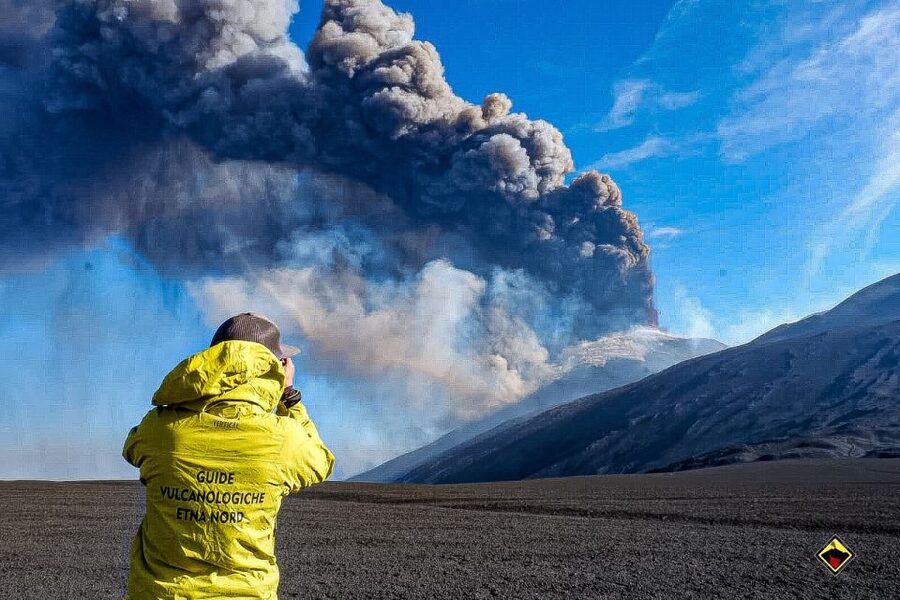
Etna gets famous fast, so going north is the smart move. This special guided hike takes you above 2,800 m, walks along crater edges, and focuses on volcanic forms most visitors never see. You’ll get the science from volcanology guides authorized to work on active volcano routes, following the safety limits set for the day.
Two things I really like: first, the route is built for maximum variety, from fractures and caves to the rims of major craters and the north-side features of Etna. Second, the experience is practical and safety-first, with helmets and proper hiking kit included, plus a guide who can explain what you’re standing on while you walk.
One possible drawback is that this is not a casual stroll. You’re hiking at high altitude on crater edges where dizziness can happen, and the walk includes sections that are physically and mentally demanding.
In This Review
- Key points to know
- Why the North Side of Etna Feels Like the Real Thing
- 4×4 Up to 2,800 m, Then a First Trek to ~2,900 m
- The Summit View Stop: What You Gain Even If Summit Access Changes
- Crater Edges and the North Rift: Walking Where the Volcano Opened
- Entering the Volcanic Cone: Helmets, Tight Views, and Real Eruption Mechanics
- Views, Weather, and Altitude: How to Dress So You Enjoy It
- Price and Value: What the €65 Covers (and What Costs Extra)
- Where You Meet and How to Start Smoothly
- Who This Tour Suits Best on Etna (and Who Should Skip It)
- Final Call: Should You Book This Wild North Etna Hike?
- FAQ
- How long is the Etna special hike?
- Where do I meet for the tour?
- What’s included in the $65 price?
- Is summit (Sommital) crater access included?
- How does the tour reach higher elevations?
- What languages are offered for the live guide?
- What should I bring for the hike?
- What kind of people should avoid this tour?
- What happens if I need to cancel?
Key points to know
- Wild north slope focus instead of the most crowded areas
- 4×4 transport to 2,800 m, then foot trekking with planned altitude limits
- Crater-edge walking with views over Taormina and the Aeolian Islands (weather dependent)
- Rift, eruption craters, and inside a volcanic cone with protective helmets
- Small groups by language/number to keep the experience from feeling packed
Why the North Side of Etna Feels Like the Real Thing
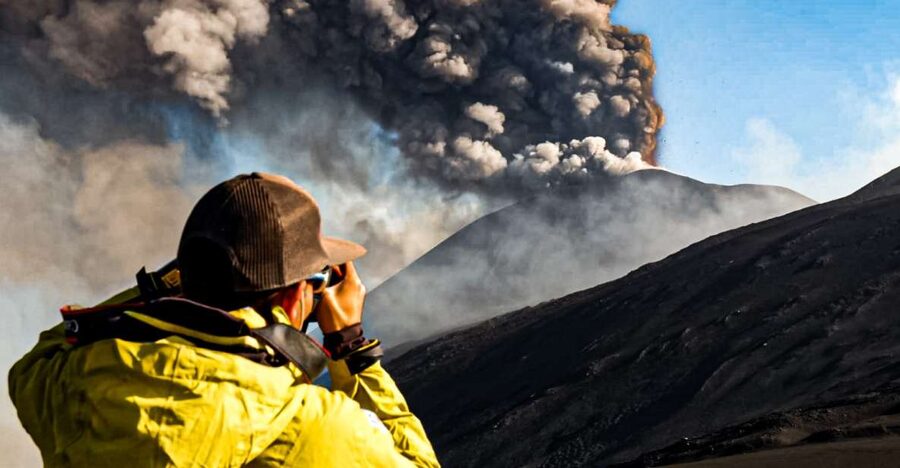
Most Etna days you hear about center on the summit zone. This one flips that script. You’re going to the wild north side, where the terrain and volcanic history look rawer and less staged. The big payoff is perspective: you’re not only seeing Etna from above, you’re walking through the places where the volcano’s activity shaped the ground.
I also like that the guides run the day according to the active volcano reality. The tour is conducted by authorized volcanological guides, working within the communications and risk levels set by civil protection and current ordinances. That matters because the experience isn’t just about drama. It’s about reaching specific altitudes safely, then doing the foot trekking that’s most interesting at that risk level.
The north route also makes sense if you care about variety. You can expect fractures (the volcanic “cracks”), caves and supply-duct type passages, plus craters from older eruptions. It’s geology you can actually point to—because you’re standing right where it happened.
You can also read our reviews of more hiking tours in Catania

4×4 Up to 2,800 m, Then a First Trek to ~2,900 m
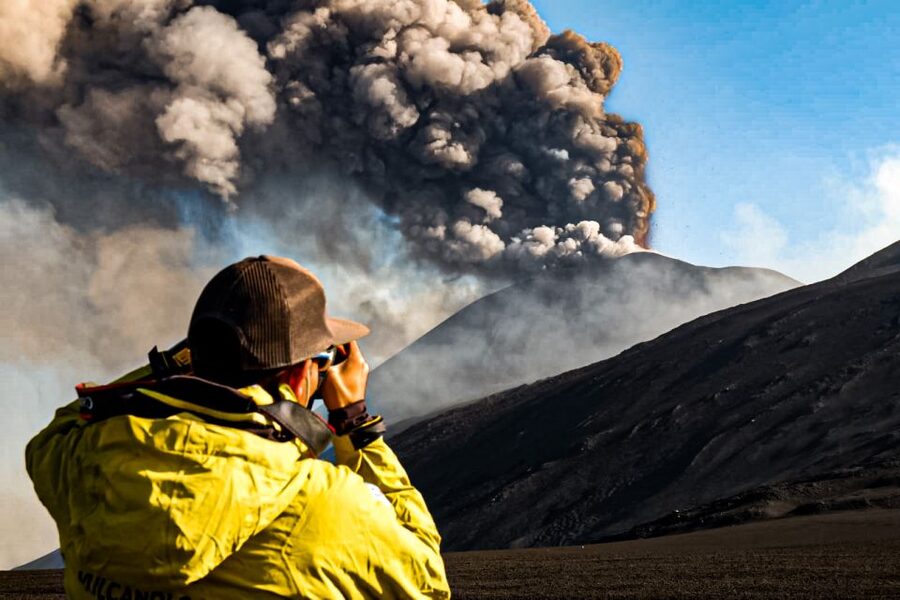
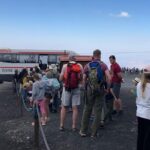
The day starts with the part you’ll feel right away: the ascent by special 4×4 vehicles. You go from about 1,800 m up to 2,800 m, covering roughly 8 km of road across rough ground. The guide starts explaining the volcano while you’re still climbing, which helps you understand what you’re seeing even before your boots hit trail.
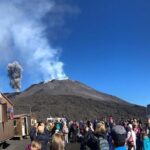
At around 2,800 m, you reach the Volcanological Observatory at high altitude. From there, the first short walk goes roughly from 2,800 m to about 2,900 m. The group pauses at a panoramic point aimed at the summit craters, the recent lava flows, and the view over Sicily from above—when weather allows.
This is a smart structure for a short 4-hour tour. You get altitude quickly, you get a view break early, and you also get context before the longer north-side walking begins.
One practical detail: visibility can vary. So if you show up with clear skies, you’ll likely see the famous layers of Etna and the wider region. If clouds roll in, you’ll still get the volcanic textures up close—just with less distance view.
The Summit View Stop: What You Gain Even If Summit Access Changes
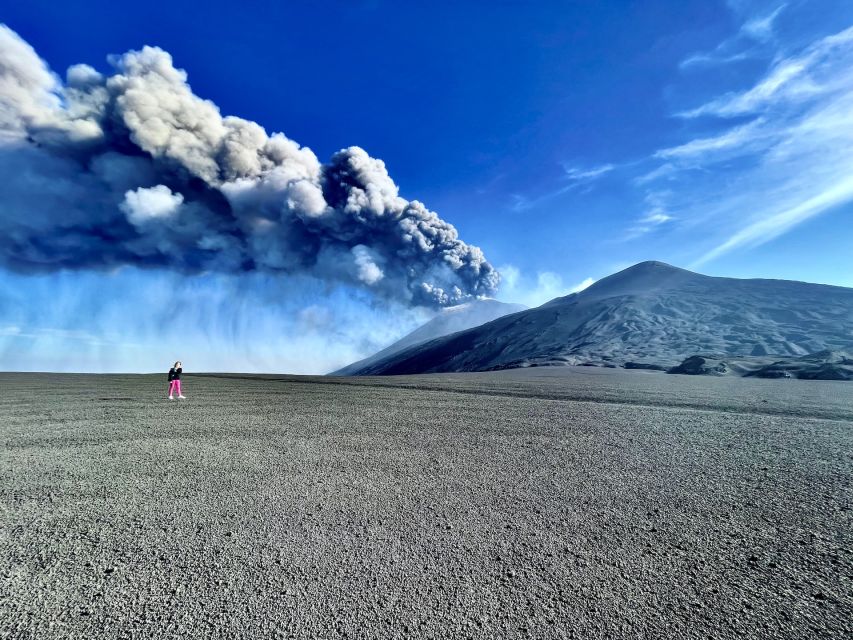
This stop is basically your “Etna orientation” moment. You’re looking toward the higher crater zone, but the key is that the tour is designed to work even when summit craters are limited or closed due to risk.
The plan explicitly works as an alternative. When access to the most sensitive summit craters is unsafe, this north-side itinerary can still take you to the highest point safely reachable with guides. That means you’re not stuck with a half-day disappointment if conditions change.
As you pause at the panoramic point, pay attention to the contrasts the guide points out: older crater shapes versus newer lava flow textures, and how the slopes and voids relate to how the eruptions played out. It’s the difference between just seeing a mountain and understanding why parts of it look the way they do.
And yes, the views include Taormina and the Aeolian Islands on clear days. I’d plan for the idea of “wow views” but keep your focus on the volcanic ground, because that’s what won’t go away.
Crater Edges and the North Rift: Walking Where the Volcano Opened
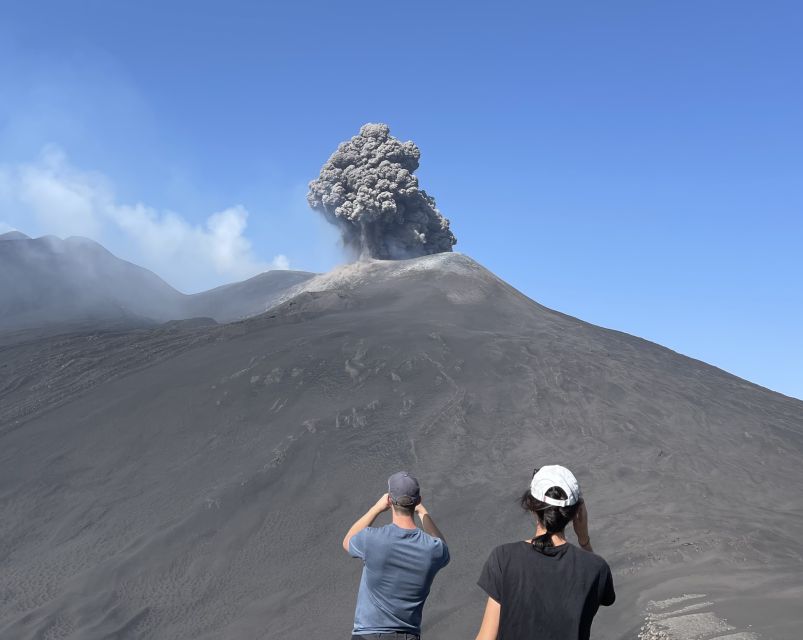
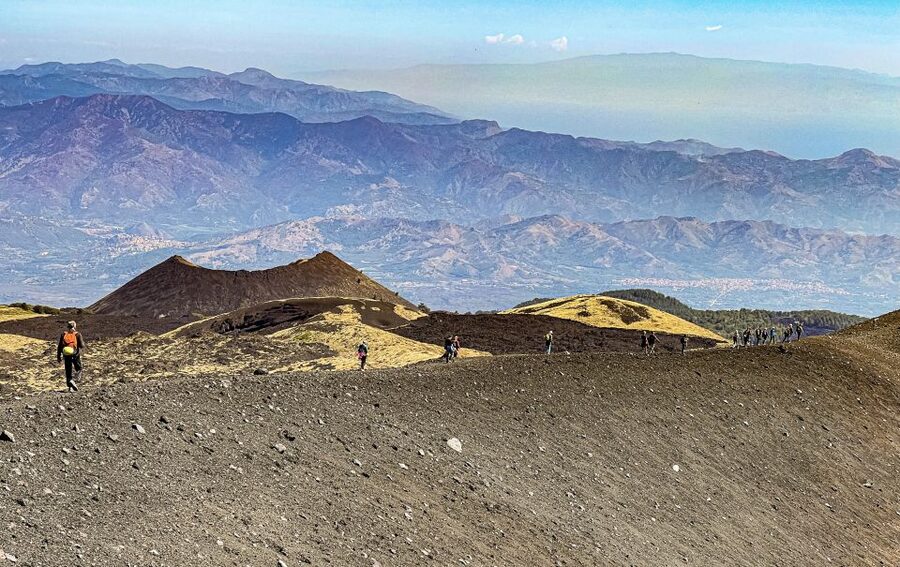
After the first trek, you head back to the 4×4 and move toward the north side of one of the largest craters. Then the longest walking portion begins, planned to connect back to the original starting area on foot.
This section is where you’ll feel most “close to the action,” not because you’re near heat, but because you’re on the terrain created by explosive and effusive activity. Expect a route built around major volcanic features, including:
- The Rift of the north side of Etna, a big fracture system tied to lateral activity
- Craters from the eruption of February 24, 1947, where you’ll pass through areas linked to that event
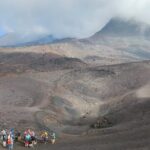
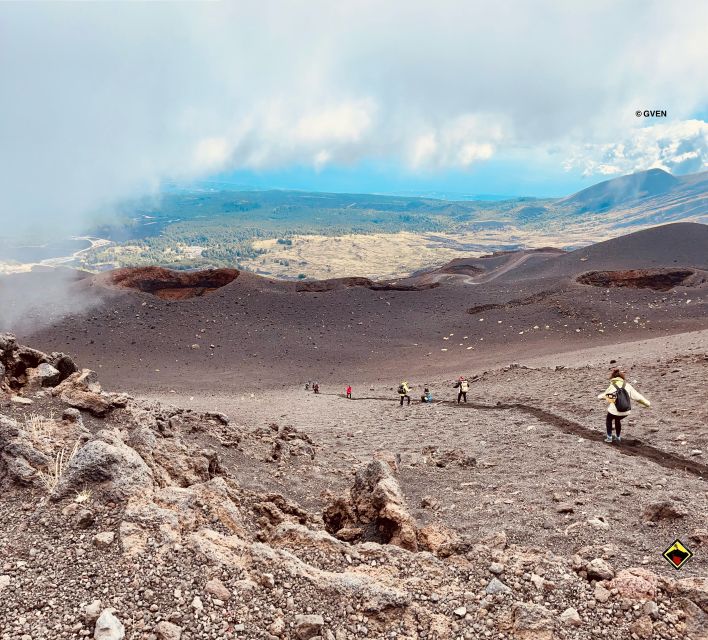
- Walks along edges of large explosive craters, with descents on slopes of volcanic ash
- A progression through crater areas connected to multiple eruption episodes, including older cycles and more recent activity beyond 2002
A total of about 6 km of route on foot is planned up to Piano Provenzana. That distance, combined with high altitude, is why the tour lists itself as moderately trained. You’re not doing technical climbing, but you are walking on volcanic terrain where footing can be uneven.
If you’re the kind of person who likes reading the land, this is the best part. Every stop has a “why” attached to it: what the ground form suggests, what kind of eruption likely shaped it, and how later eruptions built on earlier fractures.
Entering the Volcanic Cone: Helmets, Tight Views, and Real Eruption Mechanics
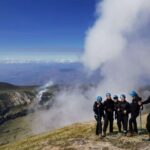
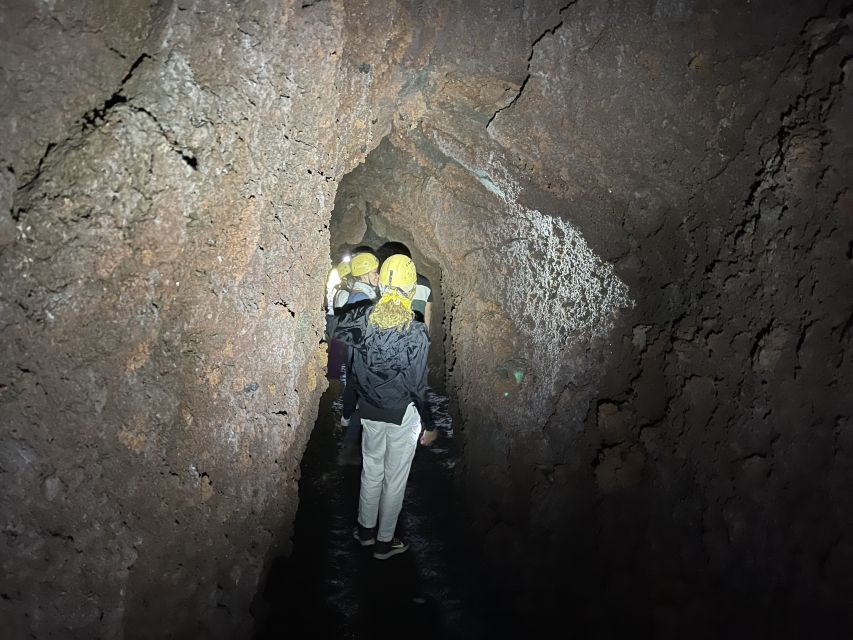
One of the most memorable parts of the route is also the part that makes the tour feel different from the standard summit days: you enter portions of a volcanic cone with protective helmets.
The route description calls out a chimney/cone area described as perfectly intact, where you’ll enter to understand eruption mechanics. You’ll also enter into the mouths associated with lava flows. This is not “walk past a hole.” It’s structured access inside volcanic forms, so you get a strong sense of scale and flow pathways that you can’t fully grasp from outside.
Because this is inside a volcanic structure, it’s also the part you should take seriously if you have any comfort issues. The tour is not suitable for people with claustrophobia, and it’s also flagged for people with vertigo or those afraid of heights. If that’s you, skip this experience and look for a different Etna option that keeps things more open.
For everyone else: go in with the right mindset. You’re there to learn how gases and magma travel through the volcano and how explosive events carve craters and openings. The helmet isn’t just a safety item; it signals this is an active-volcano context, even when you’re standing still.
Views, Weather, and Altitude: How to Dress So You Enjoy It
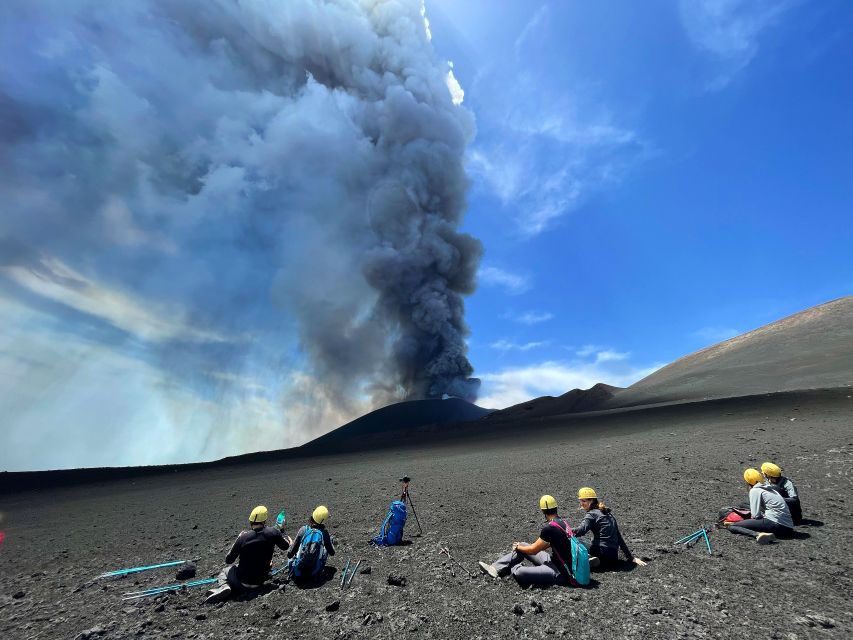
A north Etna hike works only if you dress for wind and temperature swings. Even in comfortable seasons, high altitude can feel sharp fast, and volcanic ash terrain can be cooler than you expect under sun.
Here’s what I’d plan around based on what’s included and what you’re asked to bring:
Included gear that helps a lot
- Warm jackets
- Trekking shoes
- Extra socks
- Trekking poles
- Backpack
- Accident insurance
- Protective helmets (for the cone sections)
Bring your own essentials
- Windbreaker
- Sunglasses and sunscreen
- Long pants and comfortable clothes
- Snacks and drinks (lunch is not included)
- Comfortable hiking shoes if the provided ones aren’t your size fit (the tour requires proper footwear and you’re not covered by insurance without adequate shoes)
- A packed lunch, plus extra layers for changeable conditions
One more practical note: the tour involves crater edges and high points. They specifically warn that the route may cause dizziness in susceptible individuals. So if you’re someone who gets motion or altitude effects, plan slow, keep breathing steady, and tell your guide early if you feel off.
Price and Value: What the €65 Covers (and What Costs Extra)
At $65 per person, the price is mainly paying for the expert guiding and safety setup. It includes the authorized volcanological guide plus core trekking items like helmets, poles, shoes, and warm layers, plus accident insurance.
But there are two extra costs you should expect:
- A vehicle fee paid on the spot for the 4×4 transport segments, listed as €50 per person (from about 1,800 m to 2,800 m, and also referenced for other altitude transfers around 2,800 m to 2,500 m).
- A parking ticket mentioned in the materials as €5 for weekdays and €8 for Sundays/holidays, and also noted as €3 in the meeting-point guidance. Bring a little extra just to be safe.
Then add your basics:
- Lunch, snack, and bottled water are not included, so bring them.
- A rain jacket (K-way) isn’t included in what’s listed, so if you’re sensitive to wet wind, consider adding your own.
In plain terms: the value is in the guide-led geology and the serious access to volcanic features (including the cone areas). The extra transport fee is part of what makes it possible to reach 2,800 m quickly and reach the north-side craters without turning it into an all-day slog.
Where You Meet and How to Start Smoothly
You meet at the Chiosco Bar Mareneve near the skier chairlift used in winter. You’ll be looking for the second house out of the 4 present in the parking area.
Arrive slightly early so the group can get checked in without stress. It’s also the kind of place where winter ski cues are easy to spot, even in other seasons.
Once the hike begins, the pacing is structured around altitude and safety limits. That’s also why the tour runs only when the minimum number of participants is met, and why it may be advised to postpone or cancel if weather turns unfavorable.
Who This Tour Suits Best on Etna (and Who Should Skip It)
This isn’t for every Etna traveler. It’s built for people who enjoy walking, reading terrain, and handling altitude with a clear head.
This tour is a good fit if you:
- Want the north side specifically, with less crowd energy
- Enjoy geology explanations while walking
- Are comfortable hiking at high altitude for around 4 hours
- Like crater-edge scenery more than only summit photography
It is not suitable for people with:
- Back problems
- Mobility impairments
- Claustrophobia
- Heart problems
- Fear of heights
- Vertigo
- Respiratory issues
- Epilepsy
- Altitude sickness
- No hiking experience
- Recent surgeries
- Low fitness
- People over 95 years
If any of those apply, choose a different Etna experience that fits your comfort zone. And if you’re on the edge, talk to your guide about health conditions before you start. The route is done under safety limits, but your body matters too.
Final Call: Should You Book This Wild North Etna Hike?
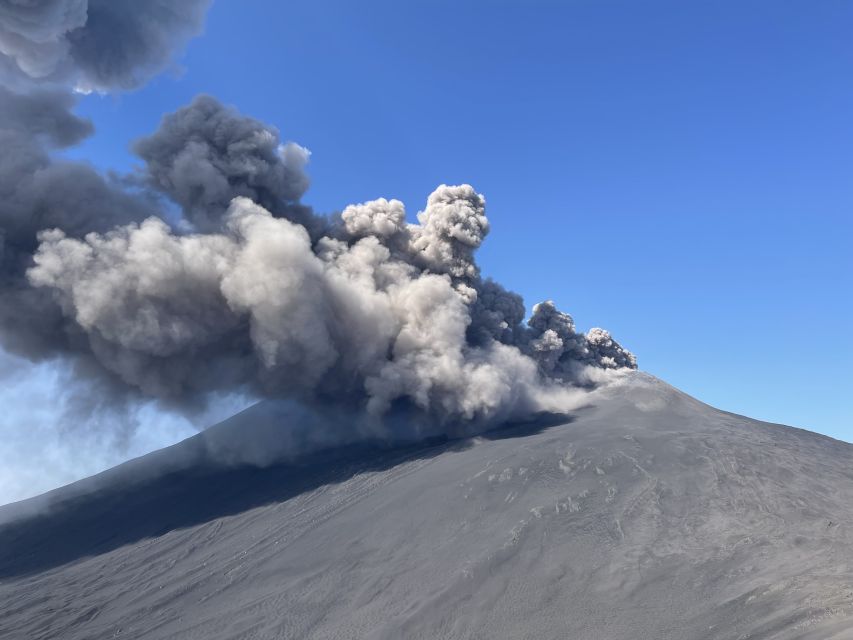
I’d book it if you’re the type of traveler who wants Etna to feel real, not just scenic. The mix of 4×4 altitude jump, crater-edge walking, and guided access to volcanic forms like rifts and cone interiors makes it a standout option when summit craters aren’t reachable or you simply want the less-frequented side.
Skip it if you hate confined spaces, get dizzy with heights, or struggle with high altitude on foot. This isn’t a compromise tour; it’s a specific experience with a specific physical profile.
If you’re ready to walk, learn, and take the north-side route seriously, this is one of the most rewarding ways to spend a short Etna window.
FAQ
How long is the Etna special hike?
The tour lasts about 4 hours.
Where do I meet for the tour?
Meet at the Chiosco Bar Mareneve near the ski chairlift used in winter. The meeting spot is the second house of the 4 present in the parking lot.
What’s included in the $65 price?
The price includes an authorized volcanological guide, trekking poles, protective helmets, accident insurance, trekking shoes, warm jackets, extra socks, and a backpack.
Is summit (Sommital) crater access included?
This route is designed as a valid alternative if summit crater access is closed due to volcanic risk. It also aims to reach the highest point safely reachable with guides when summit access isn’t available.
How does the tour reach higher elevations?
You travel by special 4×4 vehicles from about 1,800 m to 2,800 m (and the plan references additional altitude transfers). A vehicle fee is listed as €50 per person paid on the spot.
What languages are offered for the live guide?
Live guides are available in French, Italian, and English.
What should I bring for the hike?
Bring a windbreaker, sunglasses, snacks and drinks, hiking shoes, sunscreen, a jacket, comfortable clothes, and a packed lunch.
What kind of people should avoid this tour?
It’s not suitable for people with claustrophobia, fear of heights, vertigo, heart problems, respiratory issues, epilepsy, altitude sickness, or mobility/back problems, and it also requires moderately trained hikers.
What happens if I need to cancel?
You can cancel up to 24 hours in advance for a full refund.