REVIEW · CATANIA
Etna Volcano: South Side Guided Summit Hike
Book on Viator →Operated by Ashàra Etna & Stromboli Guides · Bookable on Viator
Mount Etna on foot feels like walking on another planet. This South Side guided summit hike puts you high above Catania, trekking through black lava and lunar-looking terrain to the summit craters with a volcanologist guide. I especially like that you’re not just getting views—you’re getting real volcanic context from guides such as Antonio and Max. Another plus: you’re kitted out with helmet, trekking boots, and trekking poles, so you can focus on the climb instead of shopping. The main catch is physical strain and cold wind at altitude—this is not a casual stroll, and conditions can affect how close you get to the highest crater areas.
To manage an active volcano safely, the itinerary can shift if gas/vapor levels or conditions change. In the best-case scenario you walk the rim areas and see the Central, Northeast, and Southeast craters from secure viewpoints; in other cases you may cover different crater zones and lava features instead. Either way, the hike is designed to keep you moving, stopping often for crater views and photos—so you’re not just standing around. Plan for a tough hike on uneven ground, sometimes slippery sand and gravel, and expect a day that can feel colder than you expect even when you start warm.
In This Review
- Key highlights at a glance
- Getting to 2,800m: cable car and 4×4 to start where the action is
- Your volcanologist guide: safety plus real science you can use
- Crateri Sommitali: Central crater rim views and crater-to-crater context
- The views you’re aiming for (even if the summit gets restricted)
- Valle del Bove: the “big picture” depression and the lava-world walk
- More Etna highlights: gases, sulfur colors, bombs, lava flows, and a lava-flow channel
- Descent and getting back down: back to about 2,500m
- What you need to bring (and what the tour provides)
- Price and value: what $78.64 actually buys you
- Pace, fitness level, and why this hike feels hard
- Weather realities on an active volcano (and why you should dress like it’s unpredictable)
- Should you book this Etna South guided summit hike?
- FAQ
- What is the duration of the Etna South guided summit hike?
- What time does the tour start?
- Where does the tour meet?
- Is the tour offered in English?
- Is there a mobile ticket?
- What’s included in the price?
- What is not included?
- How many people are in a group?
- What fitness level do I need?
- Can the route change due to volcano conditions?
Key highlights at a glance
- Volcanologist-led crater walking with safety-first explanations from guides like Antonio, Max, and Simon
- High-altitude trekking from Sapienza (about 2,800–2,900m) using cable car and/or a 4×4 bus (ticket extra)
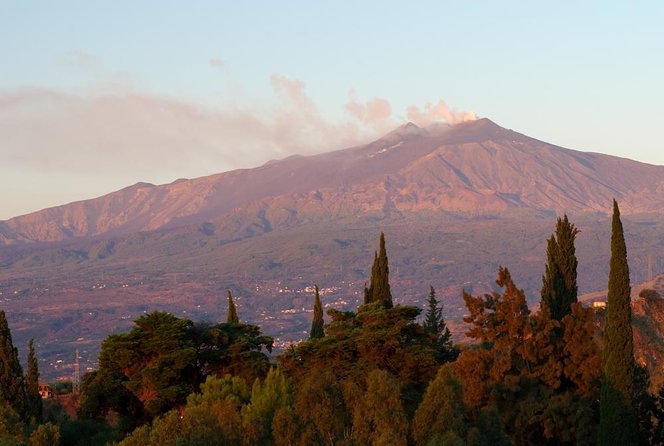
- Crater rim perspectives on Central, Northeast, and Southeast crater areas when conditions allow
- Distinct lava textures and volcanic chemistry—including gas emissions and sulfur-rich colors
- Breaks built in for photos, plus a rest stop near the top (bring food/water)
- Max group size of 20, which helps you keep up and actually hear the guide
Getting to 2,800m: cable car and 4×4 to start where the action is
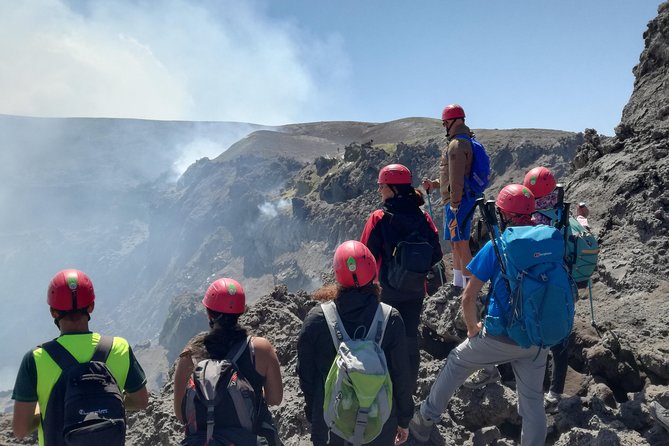
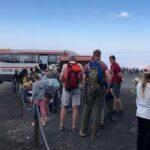
You start at Piazzale Rifugio Sapienza (Etna South), in Nicolosi, meeting at Ashàra Etna & Stromboli Guides at 8:00am. The big altitude jump happens before serious hiking. You take the cable car and then a 4×4 jeep/bus to reach roughly 2,800m to 2,900m—the point where the terrain turns very “volcano,” very fast.
That extra ride is not cheap, but it’s also part of what makes the hike feel worth it. Your tour price covers the guiding and key safety gear, while the cable car + 4×4 tickets are paid locally (listed as €65 per person). So in real-life terms, you’re paying for a guided summit-style experience: you’re not wasting hours getting to the good stuff on foot.
One practical thing I love here: you’re not wandering alone. A guide manages the pacing and keeps you on the safe routes for an active volcano, which matters more than you might think when the ground is volcanic gravel, slope angles change, and the air can shift quickly.
You can also read our reviews of more guided tours in Catania
Your volcanologist guide: safety plus real science you can use
This tour is led by a certified company and a volcanological guide, and that shows up in how the day flows. Guides such as Antonio, Max, Philippo, Massimo, Marco, Angelo, and Simon are repeatedly praised for being professional, engaging, and focused on safety. It’s not just geology trivia. The best part is how the guide explains what you’re looking at while also pointing out danger signs and why certain areas are off-limits.
On Etna, conditions can change. Even when your route is planned, the guide may adjust the itinerary if there’s too much vapor or gas near a main crater. Reviews reflect this reality: in one case, the summit access was limited due to unsafe gas/vapor conditions, but the day still delivered a full, fascinating crater and lava experience.
If you want to “get it” instead of just “see it,” this is the value engine. A volcanologist doesn’t just narrate. They help you connect the walking route to the volcano’s behavior—so the scenery becomes a lesson you actually remember.
Crateri Sommitali: Central crater rim views and crater-to-crater context
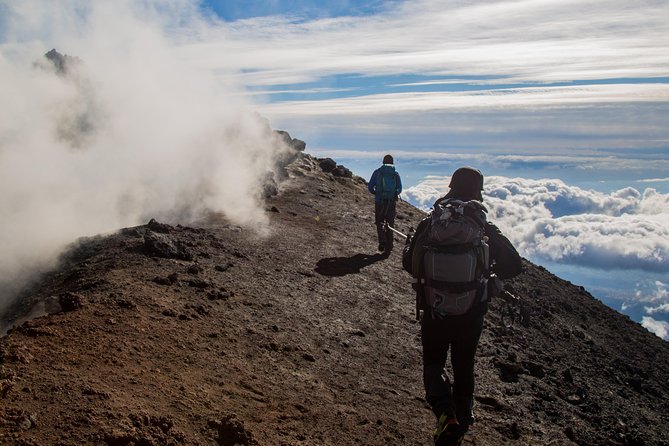
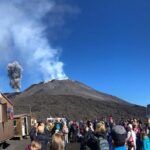
The core of the hike is the Itinerario Crateri Sommitali area—where you walk in and around the summit craters. When conditions allow, you’ll experience the kind of views that make Etna famous: walking near the rim of the Central Crater, facing the Northeast Crater, and looking out toward the Southeast Crater, known for the most recent impressive eruptions.
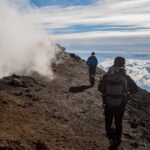
This is the part of the day that feels the most surreal. The ground isn’t just “volcanic.” It’s volcanic in a specific way: uneven black lava, ash-like surfaces, and spots where you can see gas emissions. You may also notice areas with volcanic bombs and spatter-cone textures in the distance. There’s a reason the photos look unreal—Etna has that “freshly made” feel.
One review tip that’s worth taking seriously: wear dark clothing. Not for style points—because bright colors can feel extra miserable in cold sun and glare up top. Also, the wind can be strong enough that it changes how your energy goes. You’ll get built-in photo stops, but the guide still keeps the hike moving and the group together.
The views you’re aiming for (even if the summit gets restricted)
If you’re imagining a guaranteed “right to the very top crater edge” moment, keep your expectations flexible. Active conditions can limit access. The good news: you’re still moving through summit crater terrain, so you’re not left with a dud day. Even when access changes, you still see crater rims and get a close look at the volcanic features the area is known for.
Valle del Bove: the “big picture” depression and the lava-world walk
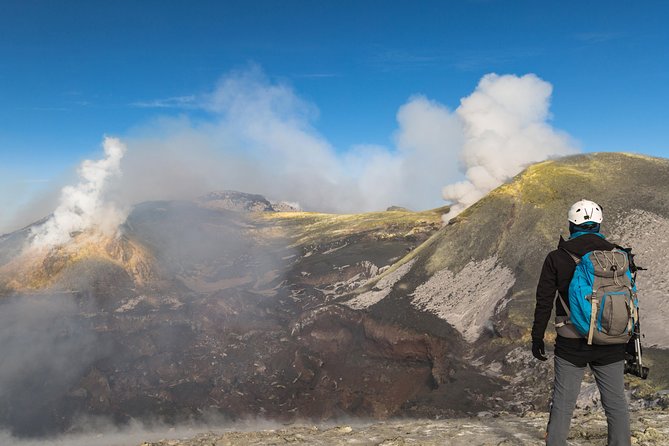
Next comes Valle del Bove, a dramatic volcanic depression that helps you understand Etna as more than a single peak. From here, the scenery tends to widen and feel more like a crater universe—distances look longer, and you start noticing how lava flows shaped the terrain over time.
Walking here is a shift from simply “walking uphill.” You’re moving across uneven ground with surfaces that can be slippery, especially on descent. One review notes the descent can be harder due to slick soil. Another describes deep sand and gravel. Translation: even if you feel strong on the climb, your legs and footing need respect on the way down.
This section is also where you’ll likely appreciate the volcanologist’s explanations most. The guide can point out how features connect—where emissions came from, why certain slopes look the way they do, and how the crater landscape evolves. It turns the walk into something you actively interpret.
And yes, you’ll still stop for photos. There’s a reason the best summit photos come from a guide-managed pause rather than a solo scramble: you’re staying safe while the light and the views line up.
You can also read our reviews of more hiking tours in Catania
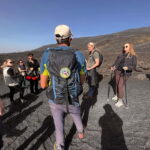
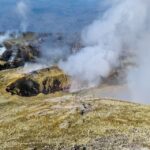
More Etna highlights: gases, sulfur colors, bombs, lava flows, and a lava-flow channel
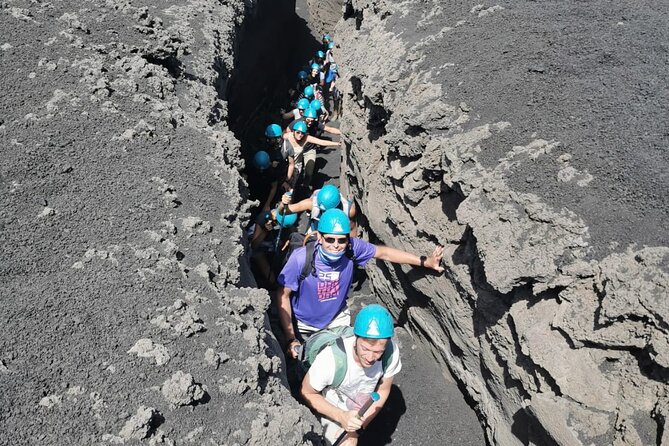
After the main summit-crater focus, the tour weaves in more Etna terrain that rounds out the story. You’re walking through areas described as lava flows and lunar-looking environments, and the guide is expected to point out what you’re seeing—like gas emissions and the sparkle/colors in the ground linked to sublimation of elements, especially sulfur.
You may also encounter or look over features such as:
- Volcanic bombs (larger ejected rock shapes)
- Spatter cones and crater-wall textures
- Lava layers that look like frozen waves
- Lava tubes (viewed as part of the broader volcanic landscape, depending on conditions)
On the descent side, the tour includes a stop at Barbagallo craters and crossing a lava flow channel. That’s a great “different angle” moment. Instead of only thinking about the summit, you get to see how Etna’s eruptions leave behind channels and pathways—almost like a roadmap of where molten material traveled.
One small but helpful reality: even when the day goes well, you should expect wind. Multiple reviews call out harsh wind at altitude, and one even mentions minus temperatures and snow on the summit. You don’t need to plan for snow every day, but you do need to plan for cold wind and fast weather changes.
Descent and getting back down: back to about 2,500m
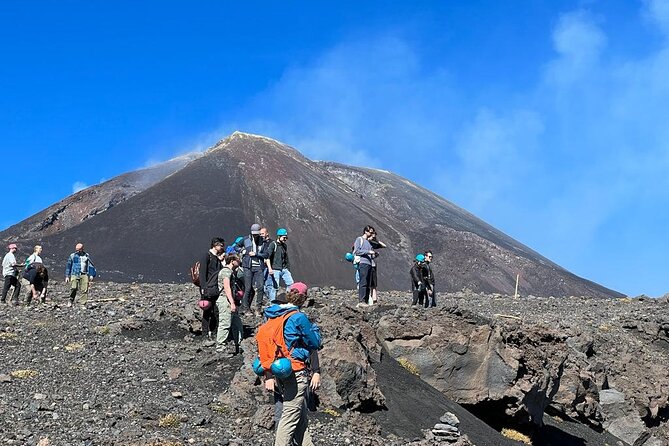
The hike is structured as a climb to summit-crater areas and then a controlled descent. Once you’re back around 2,500m, you return via the Etna cable car to the starting point.
This part matters because energy management is everything. Your motivation might spike at the craters, then the legs get punished going downhill across volcanic grit. If you’re choosing trekking poles, use them on descents. They take stress off knees and make a slippery trail feel more manageable.
If the summit access is restricted due to gas/vapor, your exact route may change, but the overall shape stays the same: you return to the same starting area at the end of the day. The guide will keep you oriented and moving.
What you need to bring (and what the tour provides)
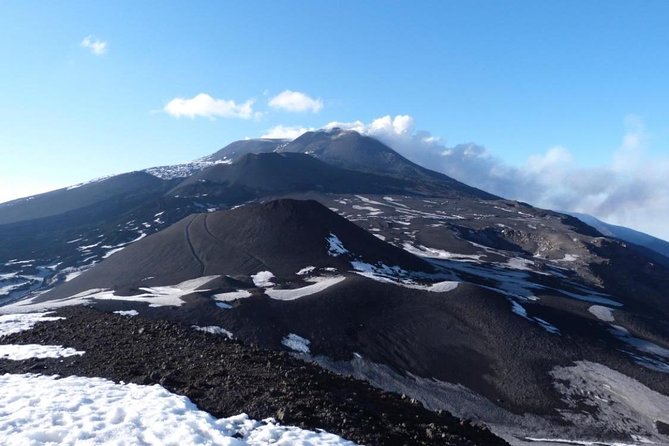
Good hiking shoes are non-negotiable here. The terrain can be steep, uneven, and slippery. The tour includes key items: safety helmet, trekking boots, trekking sticks, and insurance with volcanological guides. That setup makes it easier for people who don’t travel with serious hiking gear.
However, don’t treat provided items as permission to pack light. The wind can be intense and temperatures can swing. Reviews recommend bringing:
- A windproof layer (a wind jacket isn’t listed as included)
- Warm gloves and possibly a thin neck scarf
- A hat (thin hat works; just protect your head from wind)
- Long pants and tall socks
- Water and a real lunch plan
One common tip: bring extra layers even if the morning starts mild. A review notes the experience was warm at first, then cold fast. Plan for cold sun and cold wind. If you run hot easily, you’ll still want a windbreak layer because wind at 2,800m changes everything.
Photo and wind advice: keep one hand free when possible, because the wind can make you lose balance on loose ground. Let the guide pick safe spots for photos rather than trying to stage your own.
Price and value: what $78.64 actually buys you
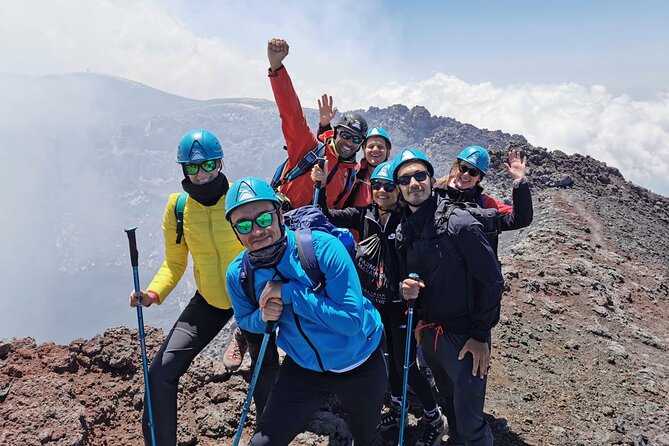
The listed price is $78.64 per person, and for that you get the essentials that make a guided volcano hike safe and informative: volcanological guides (with insurance) plus helmet, trekking boots, and poles.
Then comes the big add-on: cable car + 4×4 jeep tickets are €65 per person, paid locally. So a realistic total to budget is roughly $78.64 + €65 (currency varies depending on exchange rates). That still isn’t “cheap,” but it’s not just for a walking guide. You’re paying for:
- A professional, certified guide team trained to work around an active volcano
- Equipment that covers safety and comfort
- Transportation up to the trail zone, which would be time-consuming to replicate on your own
The value really shows if you care about understanding what you’re seeing. If all you want is a quick Instagram-style crater look, you might find cheaper Etna options. But if you want crater rim walking with scientific explanation and structured safety, this is one of the better value plays—especially with a smaller group size (max 20).
Pace, fitness level, and why this hike feels hard
This is listed for moderate physical fitness, but also described as medium-high and requiring people to be in very good condition. In plain terms: expect effort.
On distance, reviews mention about 8–10 km of walking over uneven ground. The climb is strenuous. The descent can be strenuous too, especially if the soil is slippery. That’s why so many tips focus on footwear, poles, and taking it slow.
If you’re prone to fatigue on long climbs, plan extra margin. The guide stops for breaks and takes frequent pacing breaks, but you still have to keep hiking. There’s no magic—Etna requires leg power.
Who should feel good about this:
- You hike regularly or at least feel confident on uneven paths
- You don’t mind cold wind and variable weather
- You want a guided experience where safety decisions are part of the program
Who might want a different option:
- You struggle with steep uneven trails
- You get uncomfortable with cold wind exposure
- You prefer guaranteed access to the very summit regardless of conditions (active volcano days can change)
Weather realities on an active volcano (and why you should dress like it’s unpredictable)
This experience requires good weather. That’s standard for high-altitude volcano hiking, but it has an extra twist: Etna is active. Vapor, gas, and wind can affect safety access to crater areas.
What this means for you: treat the itinerary as flexible. If the air conditions near a main crater are unsafe, the guide may modify where you walk. In practice, that can mean you still see plenty of crater zones, lava features, and viewpoints—even if you don’t get the exact summit access you hoped for.
So dress for both sun and cold. If you packed like it’s a Mediterranean beach day, you’ll feel it once you’re high and exposed.
Should you book this Etna South guided summit hike?
Book it if you want a guided, crater-focused Etna day with real volcanology and proper safety gear. The best reason is simple: you’re not just walking through scenery. You’re learning what the summit craters mean, how emissions change conditions, and how lava features connect across the route.
Skip it (or pick a less strenuous Etna option) if you’re worried about steep uneven terrain, cold wind, or the possibility that summit access could be adjusted for safety. This is an active volcano experience. Sometimes the day you get is shaped by the mountain, not by your plans.
If you go in with good shoes, layered clothing, water and food, and realistic expectations about conditions, this hike is a strong pick for Etna fans—and for anyone who wants the summit-area feeling without doing it alone.
FAQ
What is the duration of the Etna South guided summit hike?
The hike is listed at about 6 hours (approx.).
What time does the tour start?
It starts at 8:00 am.
Where does the tour meet?
You meet at Piazzale Rifugio Sapienza, 95030 Nicolosi CT, Italy, at Ashàra Etna & Stromboli Guides.
Is the tour offered in English?
Yes, it’s offered in English.
Is there a mobile ticket?
Yes, the tour includes a mobile ticket.
What’s included in the price?
Included items are a helmet, trekking boots, insurance and volcanological guides, and trekking sticks.
What is not included?
Not included are bottled water, snacks/food, the cable car and 4×4 jeep tickets (€65 per person), pick up transfer service from Catania or around, and a wind jacket.
How many people are in a group?
The maximum group size is 20 travelers.
What fitness level do I need?
You should have a moderate physical fitness level, and the tour can be medium-high in difficulty. The day requires people to be in perfect physical conditions.
Can the route change due to volcano conditions?
Yes. Since this is an active volcano, the itinerary may vary if necessary for safety.