REVIEW · LOMBOK
Mount Rinjani Summit Trek Full Sunrise Point (2D-1N)
Book on Viator →Operated by Dhyns Rinjani Hiking · Bookable on Viator
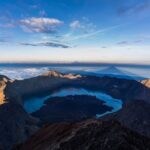
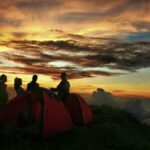
Rinjani at dawn is the kind of thing you remember later. This 2D-1N trip lines up a summit attempt to 3726m and builds in a waterfall outing first, so you get more than just suffering on the trail. I like how the team leans on support, with porters carrying much of the camping and cooking gear, and I also like that you get real comfort items included for cold mountain nights like sleeping gear, warm layers, and gloves.
One thing to consider: this trek is not for the casual fit. The climb is for people with strong physical fitness, and the national park entrance fee is not included (you’ll need extra cash for that).
In This Review
- Quick hits before you commit
- The real appeal: 2 days, 1 night, and a sunrise mission at 3726m
- Where you start: Senaru base and the meeting point setup
- Day 1 warm-up: Sendang Gile and Tiu Kelep waterfalls
- The main event: trekking to the 3726m summit sunrise point
- Gear and comfort: what’s actually included (and why it matters)
- Who does what: guide, porters, and the pace you’ll live with
- Water, food, and hydration: how you’ll fuel the climb
- Transportation after the trek: getting off the mountain and back into Lombok
- Price and value: what $160 actually covers, and what you pay extra
- Fitness reality check: who will enjoy this, and who should reconsider
- Service details that matter: luggage, warmth, and organization
- Your biggest gotchas: entrance fees, tips, and what to bring yourself
- Should you book the Mount Rinjani summit sunrise 2D-1N?
- FAQ
- What is the duration of the Mount Rinjani summit sunrise trek?
- Where does the tour start and end?
- Is pickup transport included?
- What is included for the trek and camping?
- How much water is provided?
- What’s not included in the price?
- Do you get dropped off after the trek?
- Can I cancel for a refund?
Quick hits before you commit
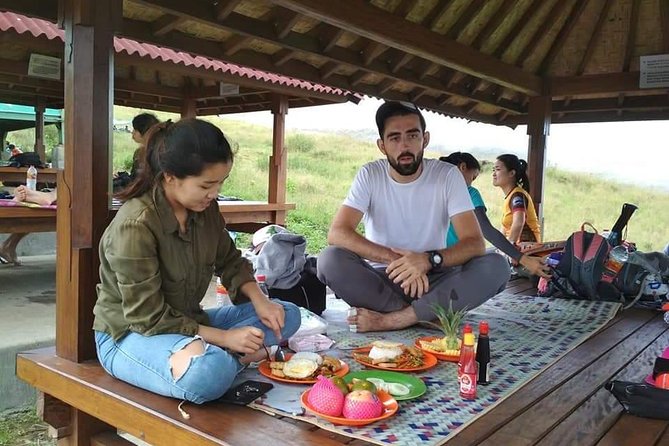
- Cold-weather gear is included: warm jacket, gloves, sleeping bags, mattress, pillow, and even a chair.
- Porters handle the camp work: they carry cooking gear and camping equipment, not just water.
- A women’s guide leads the waterfall stop: Sendang Gile and Tiu Kelep are the warm-up before the main trek.
- Summit focus with a sunrise point: the route is designed around seeing sunrise from the summit area at 3726m.
- You get 3 litre mineral water/day: helpful on a hard couple of days.
- Transport drop-off is included: after the trek, you’re dropped toward Senggigi, Mataram, or Bangsal.
The real appeal: 2 days, 1 night, and a sunrise mission at 3726m
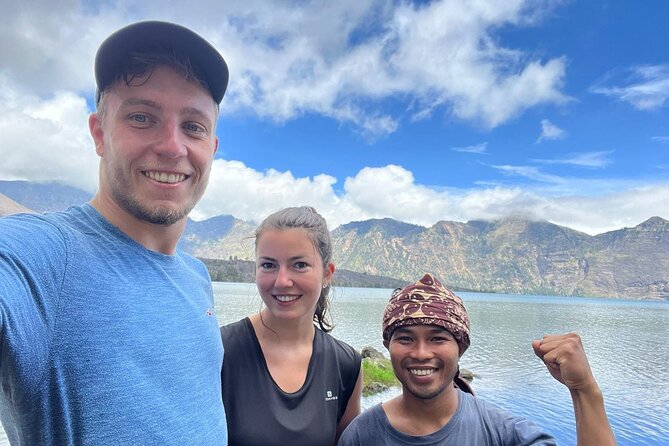
Mount Rinjani is the rare hike where the goal is not only the view—it’s the moment. The plan here is built around reaching the top near enough for a full sunrise point experience. That means the schedule will feel intense, especially on summit night and early morning when you’re moving in cold conditions with tired legs.
What makes this version appealing is the time balance. You’re not signing up for days and days of trekking logistics. It’s 2 days (approx.) with one overnight, which is perfect if you want the Rinjani payoff without turning your trip into a full-week endurance test.
And unlike some “summit-only” packages, you start with something grounding: a waterfall stop that breaks up the storyline. You get scenery and a reset day vibe before the main climb starts.
Where you start: Senaru base and the meeting point setup
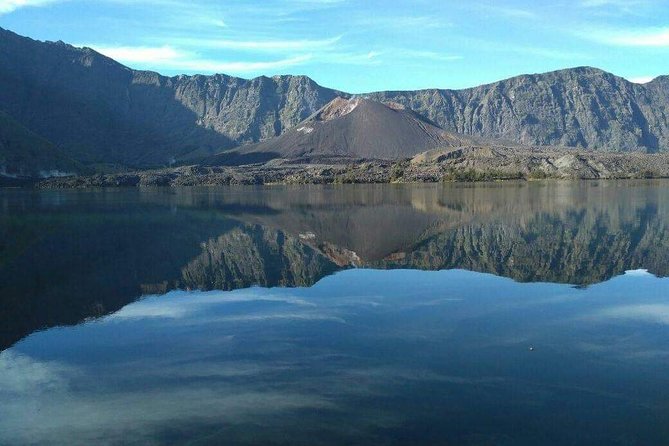
You’ll meet at Mount Rinjani Vacation Tours & Trekking Organizer in Senaru (Jl. Pariwisata, Senaru, Pawang Karya, Kabupaten Lombok Utara). That matters because it tells you this trek is organized around the Senaru approach—not some random handoff.
The package also notes luggage storage available at the Rinjani Vacation office. This is one of those practical details that makes your day easier: you can keep your non-trek items safely stored instead of carrying everything while you climb.
Group travel is part of the structure. It’s listed as a private activity with only your group participating, and it also mentions group discounts. So you’re not fighting a huge crowd on the trail, but you should still expect a group pace rather than a solo rhythm.
Day 1 warm-up: Sendang Gile and Tiu Kelep waterfalls
Stop 1 is Sendang Gile and Tiu Kelep Waterfall. This is more than a pretty photo stop. The waterfalls give you a softer introduction to the area’s terrain and weather. If you’re coming in from elsewhere on Lombok, it also gets your body moving before the steep climb begins.
A fun detail: this waterfall portion is guided by a women guide. That’s worth noting because you’ll often learn more from a local guide when the group stops aren’t just checklists. You’ll also get a break from the summit mindset and shift into a “slow and steady” groove—useful before you start charging uphill later.
What to watch for here is simple: waterfall trails can be slick. Bring trekking shoes with grip, and don’t treat this part as effortless. It’s a warm-up, but it’s still on your feet.
The main event: trekking to the 3726m summit sunrise point
The core of the itinerary is the summit attempt to 3726m. The listing highlights both the spectacular view and a full sunset/sunrise point experience. Practically, that means you’ll be hiking in the window when visibility and light matter most—so you’ll want to follow your guide’s timing and not wander off to chase views.
Because this tour is designed around summit timing in a short window, the effort level is real. The tour is recommended for experienced trekkers with group support, and it specifically says travelers should have strong physical fitness. If you’re unsure, don’t overestimate your “I hike sometimes” fitness. The Rinjani climb is a different beast.
Still, the structure is built to support you. Your guide and porters are there not just for navigation, but for keeping the plan realistic: carrying equipment, setting up camp essentials, and managing the logistics that would otherwise eat up your energy.
Gear and comfort: what’s actually included (and why it matters)
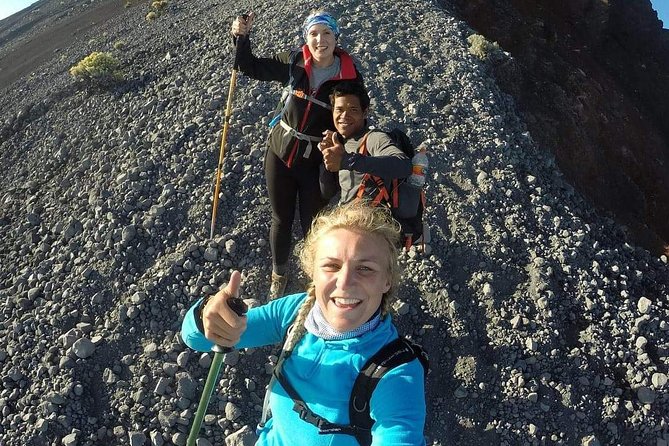
At $160 per person, the value is not just that you get a guide. You also get a full bundle of camping comfort items that directly affect your night on the mountain.
Included items include:
- Tent and a toilet tent (plus paper)
- Sleeping bags, mattress, pillow, and a chair
- Warm jacket and gloves
- One pics trekking pole / person (so you’re not forced to rent gear at the last minute)
- Food and drinking water on the trek: 3 litre mineral water per day/person
That set is important for two reasons.
First, mountain nights can feel brutally cold. The package includes warmth items so you’re not relying on whatever you packed for a beach day.
Second, your sleep quality impacts your next day more than people think. A sleeping bag plus a mattress plus a pillow won’t turn Rinjani into a hotel bed, but it can keep you from feeling wrecked for the sunrise push.
Also, porters carry cooking gear and camping equipment, which means your personal load should be more manageable. You’ll still have to carry essentials (and you’ll want to keep your own day items handy), but the heavy camp items are handled.
Who does what: guide, porters, and the pace you’ll live with
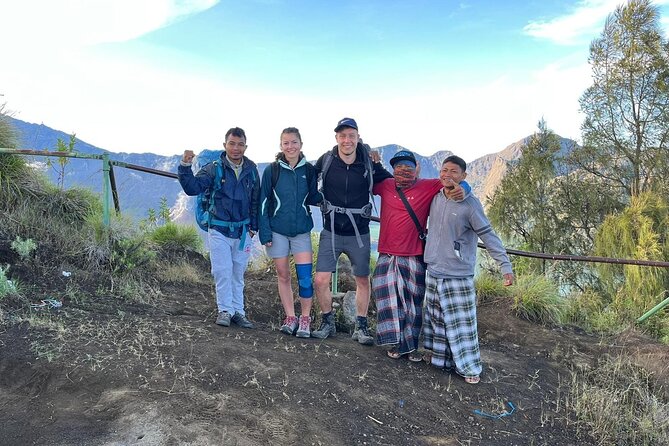
This trek runs with:
- an experienced English speaking guide
- professional porters
In the reviews, reliability and service show up again and again. People specifically mention guides like Apeng and strong porter support. One common praise theme is that the team handled needs during the hike and kept things organized and on time. That’s not just nice to hear. On a summit trek, a “messy” operation costs you energy.
Because it’s a group trek, your pace will be shaped by the group. That can be a good thing. If you’re the type who burns too hot early, a group pace can keep you from exploding before summit night.
If you’re the type who likes to move fast, just know you might not get the solo schedule you want. The upside is you’re trading independence for structure and safety.
Water, food, and hydration: how you’ll fuel the climb
You’re provided with food and 3 litre mineral water per day/person. Hydration is not optional on a high volcanic trek. The better you manage water early, the less you’ll suffer later.
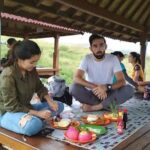
You should also think about food as fuel for the climb—not a casual snack break. This style of trek means you’ll likely eat when the guide schedules it, not when you feel like it.
Bring your own snacks only if you like having personal comfort food. The package already supplies food on the trek, but having a familiar snack can help if you get picky about taste during a long day.
Transportation after the trek: getting off the mountain and back into Lombok
After the trek, there’s a transport drop-off included to Senggigi, Mataram, and Bangsal. That’s a practical win because it reduces the chaos right after summit day when everyone’s tired and you don’t want to figure out transit while sore.
The listing also says the activity ends back at the meeting point. In real life, this often means you’re routed back into the Senaru area and then continued toward your chosen region. Either way, the key point is: you’re not left stranded with no plan.
Price and value: what $160 actually covers, and what you pay extra
Let’s talk money straight.
$160 per person gets you:
- guide + professional porters
- trekking and camping equipment basics (tent, sleeping gear, toilet tent setup)
- water and food during the trek
- warm layers and gloves
- trekking pole per person
- storage at the office
- transport drop-off after the trek
What is not included:
- Tips for guide and porters
- Extra porter for your own luggage
- National park entrance fee: IDR 200,000 per day / each
- Transport for pickup before and transfers after the trek
- Accommodation/hotel
So the real “cost feel” depends on where you’re staying in Lombok and whether you need extra help with luggage. The park entrance fee is likely the biggest fixed extra. Tips are common on Indonesia trekking trips, and if you skip them, don’t be surprised if that affects how the team feels about wrap-up logistics—guides and porters rely on that.
Overall, for a summit-oriented 2D-1N with camping gear and porter support, $160 looks like solid value, especially if you’d otherwise have to rent trekking poles, sleeping gear, or scramble for a last-minute guide.
Fitness reality check: who will enjoy this, and who should reconsider
The tour is recommended for experienced trekkers and says you should have strong physical fitness. If you’ve done steep hikes with real elevation gain, you’ll have a better chance of enjoying the experience rather than just surviving it.
This is especially important because the trek is short and intense. When the timeline is tight, there’s less margin for rest days, slow pacing, or experimenting with gear.
You’ll likely enjoy it if you:
- are comfortable hiking early morning or night
- handle steep, uneven trail
- want a structured summit experience with support
- want the sunrise payoff without a 4- to 6-day commitment
You might reconsider if:
- you struggle on steep hikes
- you get winded quickly at altitude-like effort (even without guaranteed altitude acclimation details here)
- you need frequent long breaks to manage energy
Service details that matter: luggage, warmth, and organization
A few included details are “small” on paper, but they really affect how the trek feels:
- Luggage storage at the office: you travel lighter.
- Toilet tent and paper: you’re not improvising at night.
- Warm jacket and gloves: cold isn’t something you’re guessing on.
- Sleeping setup: you aren’t sleeping on bare ground.
In the reviews, people also praise how the team is reliable and on time, and how the guide and porters stay attentive. Names mentioned include Apeng, Oky, and Kusmayadi across different Rinjani trekking experiences. Since guides can vary by schedule and group, take that as a hint that the operator has staff with a track record of being helpful—not a promise you’ll get the exact same person every time.
Your biggest gotchas: entrance fees, tips, and what to bring yourself
Here are the practical items you should plan for:
- National park fee: IDR 200,000 per person per day (not included).
- Tips: not included. Plan a budget.
- You may need an extra porter if you have heavy personal luggage.
- Bring your own essentials not listed as included (things like your personal toiletries, and anything you need for comfort).
What you should bring based on the included gear list?
- You’ll have a warm jacket and gloves provided, but that doesn’t mean you should dress like it’s a tropical hike.
- Bring rain protection or layers as needed. The listing doesn’t spell out rain gear, and Rinjani weather can shift fast.
Should you book the Mount Rinjani summit sunrise 2D-1N?
Book it if you want a focused, organized 2-day route to the 3726m summit sunrise point, and you appreciate that the package handles a lot of the hard logistics for you: camp gear, porter support, warm items, and water.
Hold off or choose a different trek if you’re not confident with steep climbing, you hate cold nights, or you dislike group pacing. This one is built for trekkers who can handle effort for a short window.
If you’re deciding between “cheapest” and “most supportive,” I’d steer you toward this format. Paying a bit extra for porter-managed camp logistics and included sleep comfort often buys you something rarer than extra views: a better chance you’ll actually enjoy the sunrise instead of just collapsing afterward.
FAQ
What is the duration of the Mount Rinjani summit sunrise trek?
The trek runs for 2 days (approx.) with 1 night.
Where does the tour start and end?
You meet at Mount Rinjani Vacation Tours & Trekking Organizer in Senaru. The activity ends back at the meeting point.
Is pickup transport included?
No. The listing notes that transport pickup is not included.
What is included for the trek and camping?
You get trekking and camping support including a trekking guide and porters, tent, toilet tent and paper, sleeping bags, mattress, pillow, chair, food and drinking water, plus warm jacket, gloves, and a trekking pole per person. There is also luggage storage at the Rinjani Vacation office.
How much water is provided?
The package includes 3 litre mineral water per day per person.
What’s not included in the price?
Not included are tips for guide and porters, extra porter for your own luggage, national park entrance fee (IDR 200,000 per person per day), and accommodation/hotel.
Do you get dropped off after the trek?
Yes. It includes a transport drop-off after the trek to Senggigi, Mataram, and Bangsal.
Can I cancel for a refund?
Yes. Free cancellation is available up to 24 hours in advance for a full refund. If you cancel less than 24 hours before the start time, the amount paid will not be refunded.