REVIEW · CATANIA
Tour to the Summit Craters of Etna 2920 meters with cable car and Jeep
Book on Viator →Operated by Excursions Etna Catania · Bookable on Viator
Etna has a way of making scale feel real. This small-group day trip takes you up to the crater area by cable car and jeep, then keeps going on foot to active zones with a guide from Volcanological–Alpine Guides. I love the mix of big-altitude views and hands-on geology.
I also like that the day isn’t just walking past rocks; it includes a lava cave with helmet and torch gear, plus time at Oro d’Etna for honey, oil, and wine tastings. The one drawback to plan around is that you’ll be at altitude and doing short treks, so you’ll want decent shoes and a bit of stamina.
If Etna is on your bucket list, this route hits the best highlights without turning the day into a marathon. The group stays small (maximum 10), and you get English guidance throughout. One other thing to keep in mind: Etna is a living volcano, and conditions can change fast around eruption or aftershocks, so bring a flexible mindset on any dates near activity.
In This Review
- Key things I’d bookmark before you go
- The best reason to choose this Etna day: it’s built for real views
- Starting from Catania: easy pickup, early start, and a long day rhythm
- Cable car to Rifugio Sapienza to 2920 m: the payoff starts early
- The 2002/03 crater walk: short trek, strong context, and good photo angles
- Seeing the 1992 lava flow at Colata Lavica near Zafferana
- Down in the lava cave: what to expect underground
- Oro d’Etna: honey, oil, and three Etna DOC wine tastings
- Price and value: what $318 buys on Etna day
- Pace, small-group size, and how to get the most out of it
- What to bring (and wear) for a comfortable crater day
- Who this Etna tour suits best
- Should you book it? My call on who should say yes
- FAQ
- Is this tour suitable for most travelers?
- What’s the meeting point in Catania?
- How long does the tour take?
- What’s included in the price?
- Are cable car and jeep tickets really included?
- Does the tour include lunch?
- How many people are in the group?
- What language is the tour offered in?
- What food and drink do you get?
- What’s the cancellation policy?
Key things I’d bookmark before you go
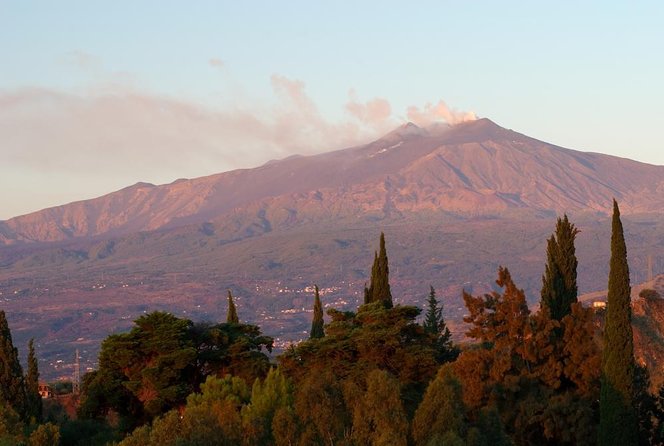
- Cable car to 2920 meters for quick altitude gain without wasting the morning
- Guided crater walk along the famous 2002/03 craters, with context for what you’re seeing
- AA-type lava trek tied to the 1992 lava flow near Zafferana
- Lava cave visit with helmet, torch, and protective cap so you can go underground safely
- Oro d’Etna tasting stop featuring honey, oil, and three Etna DOC wines
- Maximum 10 travelers for a calmer pace and more time for questions
The best reason to choose this Etna day: it’s built for real views
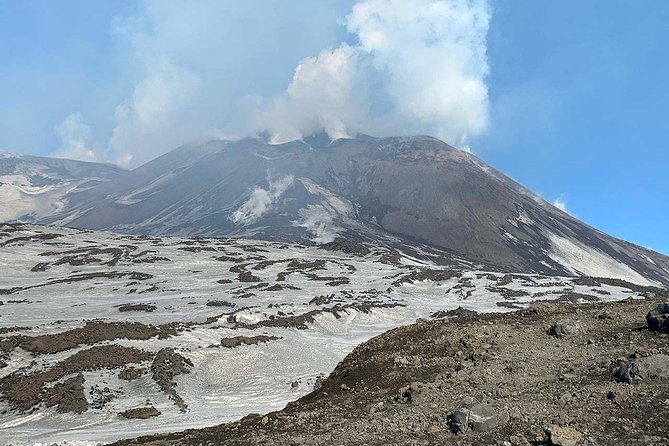
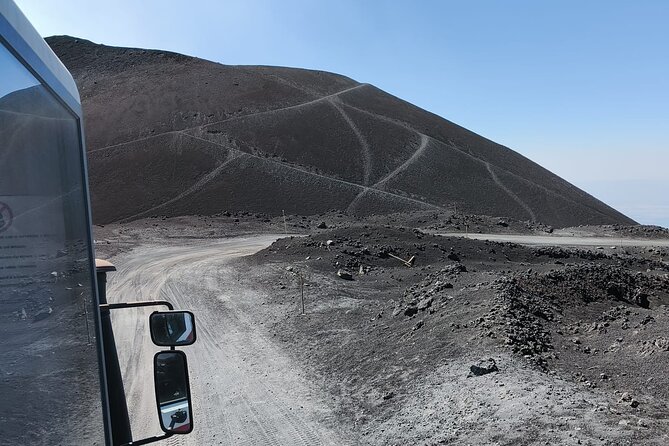
This is the kind of Etna trip that respects your time. You start in Catania and head to Rifugio Sapienza at about 2000 meters, then use the cable car and jeep to reach the summit craters area efficiently. That matters because Etna days can get long fast once you’re hiking at altitude.
From there, the day keeps layering experiences: above-ground crater zones, a short trek over volcanic ground, then a cave underground. I like that you’re not stuck on a single “type” of activity. You get geology you can see up close, and you also get the feel of how lava can form tunnels and passageways.
And because the tour is capped at 10 people, it doesn’t feel like a cattle call. The guide can point out what matters, answer questions, and manage the group when the terrain is uneven.
You can also read our reviews of more tours and experiences in Catania.

Starting from Catania: easy pickup, early start, and a long day rhythm
The day begins at 8:00 am with pickup at the Savia pastry shop area (Via Etnea 300/302/304 and Via Umberto I 2/4/6). That’s handy if you’re already staying in central Catania, and it also keeps your morning simple.
The whole tour is about 6 hours. Expect the day to feel like a sequence of time blocks: travel up, guided walking and viewing, then the cave and tasting stop. It’s not designed as a slow, do-nothing outing. It’s meant to keep moving so you can get to the crater area while you still have daylight and good conditions.
Also note lunch isn’t included. That’s not unusual on Etna tours, but it does mean you should plan a snack strategy. If you go hungry, you’ll feel it more at altitude.
Cable car to Rifugio Sapienza to 2920 m: the payoff starts early
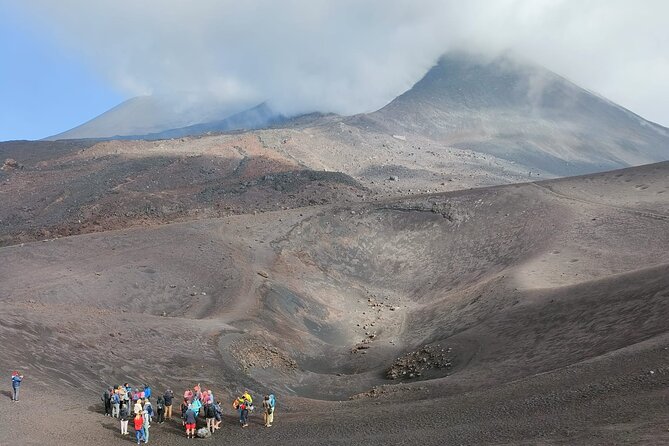
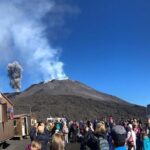
You arrive at Rifugio Sapienza at around 2000 meters, and the cable car takes you up to about 2920 meters. This is where the day changes from “drive and look” into “you are actually at the volcano.”
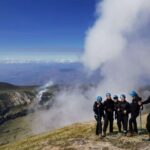
The guidance here comes from Volcanological–Alpine Guides, and the walk focuses on specific crater formations tied to major events. You’ll be accompanied through the Craters of 2002 and the imploded western flank of the South/East crater. Even if you don’t have a volcanology background, the value is that someone is connecting place to process. You’re not just taking photos of rocks; you’re learning what formation comes from what kind of eruption behavior.
The time you spend here is about 1 hour, and the goal is to cover the crater zone meaningfully rather than just rush to a viewpoint. I like that pace. It’s enough time to take in the scale, but it doesn’t chew up the entire trip.
The 2002/03 crater walk: short trek, strong context, and good photo angles
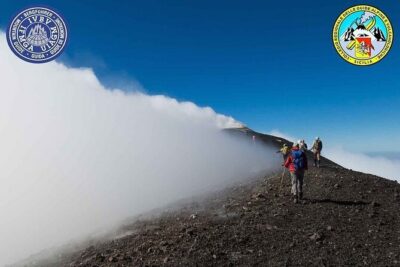
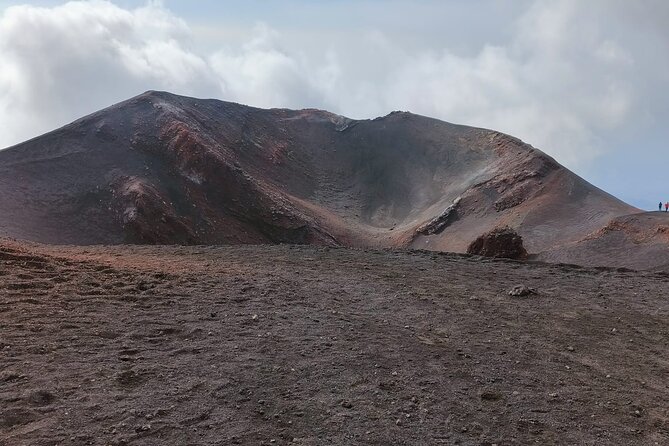
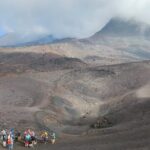
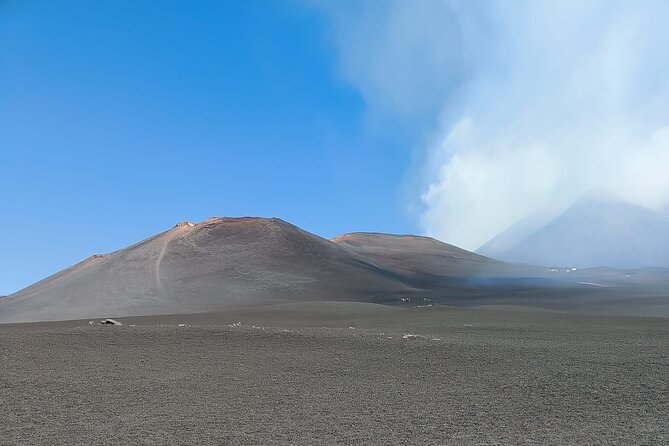
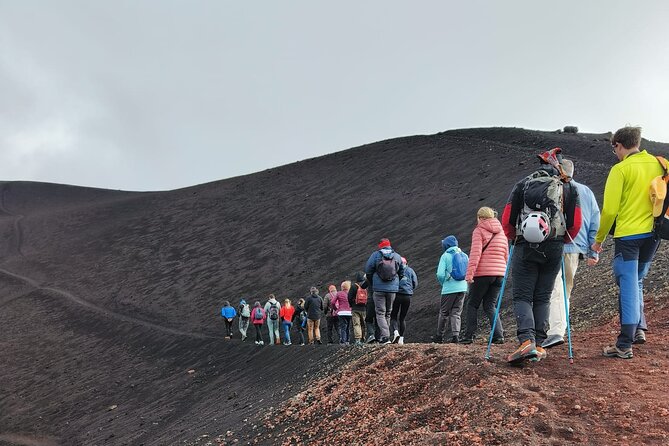
After the initial high point, you continue on foot with a lighter trek along the crest of the famous 2002/03 craters. This is about 45 minutes of walking, paced for the group.
You’ll learn why the Barbagallo craters matter. The key idea is that they represent the last eruption to have formed lateral craters. That’s the kind of detail that makes the scenery more than dramatic backdrop. It helps you understand what you’re standing on and why it looks the way it does.
You also get views toward the eastern flank of the southeast crater. If you enjoy geology and want to know what you’re seeing, this is one of the most satisfying parts of the day because it’s structured around named features rather than vague “volcano stuff.”
Practical consideration: your footing will be on volcanic ground, which can be uneven. Nothing in the provided info suggests a hardcore hike, but you should still treat it like hiking at altitude.
Seeing the 1992 lava flow at Colata Lavica near Zafferana
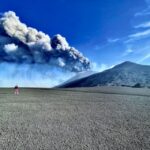
Next comes Colata Lavica 1992, where you’ll view the final stretch of the 1992 lava flow that arrived at the gates of Zafferana. This stop is shorter (about 30 minutes), but it’s memorable because the eruption impact is tied to a real-world endpoint: where lava actually traveled.
You’ll take a short trek on the well-known AA-type lavas, which are rough, jagged surfaces. The value of this brief walk is that it makes the abstract concept of lava movement tangible. You can physically feel the difference between smooth volcanic rock and the broken, clinkery textures that come from how lava cools and fragments.
If you have sensitive ankles or you hate unstable footing, this is where you’ll want to pay attention to shoes and balance. The upside: it’s brief, and the guide can help you keep your footing.
Down in the lava cave: what to expect underground
Then you switch gears with a volcanic cave visit. This is one of those stops that turns “cool volcano facts” into a bodily experience.
You enter a lava-formed tunnel, and the activity is described as suitable for everyone. The gear is provided: helmet, torch, and a protective cap. Plan for short time underground (about 30 minutes), and expect the cave to change the feel of the day—cooler, darker, and more enclosed than the crater area.
The practical win here is safety and comfort. Having a helmet and torch means you’re not improvising. You also get a guided visit rather than just walking into a cave on your own.
If you’re claustrophobic, caves can be tricky even when they’re described as accessible. The info says suitable for everyone, but your body still has its own limits. If you know you don’t do well in tight spaces, it’s worth thinking twice.
Oro d’Etna: honey, oil, and three Etna DOC wine tastings
The last major stop is at Oro d’Etna, a farm where you’ll connect the volcano to what’s produced on its slopes. You’ll find honey, oil, and three wine tastings:
- Etna rosso DOC
- Etna bianco DOC
- Etna Rosato DOC
The point isn’t just sampling. It’s understanding the mineral character people associate with Etna wines. Even if you’re new to wine, the structure—multiple tastings in a row—makes it easier to compare and notice differences rather than treating wine as one generic category.
This portion lasts about 30 minutes. It’s short, but it’s paced for a group tour, and it gives you a take-home memory beyond crater photos.
Note: lunch isn’t included, but tasting stops sometimes help cover the “I need something” feeling. Still, plan on eating later.
Price and value: what $318 buys on Etna day
At $318.06 per person, you’re paying for a full package: guided crater time, transport from Catania, and key included logistics. The tour includes an air-conditioned vehicle, and it covers the cable car and jeep tickets. It also includes cave helmet/gear and the entrance elements listed for each stop.
For me, the value equation looks strongest in three places:
- You get the big altitude jump via cable car rather than spending your whole morning climbing from the start.
- You get guided context for crater formations and lava flow features, not just a self-guided walk.
- You get two different “volcano experiences” (surface walking and underground cave), plus the tasting stop at the end.
You’re not getting lunch, so if you’re someone who hates skipping meals, budget for that separately. Also, if you hate group schedules, you might feel time pressure. But if you like a focused day plan that hits multiple Etna zones, the price makes more sense.
Pace, small-group size, and how to get the most out of it
With a maximum of 10 travelers, you get a more personal day than bigger buses. That matters on Etna because terrain can require small adjustments—slower steps on rough ground, a pause for views, or time to regroup at a crater edge.
My advice: come ready to walk and listen. This isn’t the right day for someone who wants to spend hours lingering at one spot. The tour is designed to move through stops efficiently, while still making time for the guide to explain what you’re seeing.
Also, if you like asking questions, this is a good group size for that. You’re more likely to get direct answers than if the guide is busy managing a crowd.
What to bring (and wear) for a comfortable crater day
The provided info doesn’t list a full packing list, but your day practically demands a few basics. At 2920 meters, you can feel the difference in air and weather even if conditions seem fine in the morning.
Bring:
- Sturdy closed-toe shoes with grip for volcanic ground
- A layer you can adjust (caves and higher elevations can feel cooler)
- Sunglasses and sunscreen for exposed crater areas
- A small snack or energy bar, since lunch isn’t included
You’ll get cave gear, so you don’t need to bring a helmet. But you should still dress for walking and uneven surfaces.
Who this Etna tour suits best
This is a strong match if you want:
- A single day that covers crater zones, lava flow terrain, and a lava cave
- A guide-led experience in English
- A small group with room for questions (up to 10)
- A finish with food and drink that ties into the mountain (honey, oil, and wine tastings)
It may be less ideal if you:
- Can’t handle altitude and uneven footing
- Get uncomfortable in caves, even with provided gear
- Want a free-form schedule rather than a structured day plan
Should you book it? My call on who should say yes
If you want an Etna day that feels both spectacular and organized, I’d say book it. The combination of cable car access to high elevation, a guided crater walk focused on named eruption zones, and a lava cave visit gives you variety without turning the day into chaos. The Oro d’Etna tasting stop is also a nice capstone, especially if you like connecting places to what people make there.
The best reason to hesitate is the same reason Etna stays exciting: it’s a real volcano. One recent group noted that Etna erupted a couple days after their visit, which is a reminder that conditions can change. If you’re very sensitive to that uncertainty, consider building flexibility into your travel dates.
FAQ
Is this tour suitable for most travelers?
The information says most travelers can participate, and the lava cave activity is described as suitable for everyone. Still, you’ll be walking on volcanic terrain and at altitude, so comfortable shoes and a reasonable fitness level will help.
What’s the meeting point in Catania?
Pickup is at Savia pastry shop, with addresses listed along Via Etnea 300/302/304 and Via Umberto I 2/4/6 in Catania.
How long does the tour take?
The duration is about 6 hours.
What’s included in the price?
Included features are an air-conditioned vehicle, helmet for the cave, and cable car and jeep tickets.
Are cable car and jeep tickets really included?
Yes, the cable car and jeep tickets are included as part of the Etna ascent and transit.
Does the tour include lunch?
No. Lunch is not included.
How many people are in the group?
The tour has a maximum of 10 travelers.
What language is the tour offered in?
It’s offered in English.
What food and drink do you get?
At Oro d’Etna, you’ll sample honey, oil, and three wine tastings: Etna rosso DOC, Etna bianco DOC, and Etna Rosato DOC.
What’s the cancellation policy?
Free cancellation is available. You can cancel up to 24 hours in advance of the experience for a full refund.