REVIEW · SAINT CATHERINE
3 Days Hike Experience in Sinai Heights on Old Trails
Book on Viator →Operated by Sinai Hikes · Bookable on Viator
Old trails in Sinai feel like a living story. This 3-day hike in the Sinai heights near Saint Catherine follows old paths used by pilgrims and Bedouin communities, with time to learn customs, plants, and herbs from local guides. Expect rocky climbs, high summits, quiet valleys, and a million-stars style bivouac that makes the whole trip feel like it belongs to another era.
I love two things most: the Bedouin-led storytelling (the kind that turns plants, animals, and local laws into something you can actually picture) and the meals cooked over the fire after a long day of walking. One thing to consider: this trek is for people with moderate physical fitness, and it depends on good weather for the experience to run smoothly.
In This Review
- Sinai Heights on Old Trails: The Core Idea
- Meeting in Saint Catherine: Your 9:00 AM Start Point
- Day 1: Old Pilgrim Paths, Bedouin Dwellings, and First Night Under Stars
- Day 2: High Summits, Valleys, and “Why This Route Matters”
- Day 3: Boulders, Bedouin Gardens, and Final Views
- Fire-Cooked Meals and Coffee/Tea: More Than a Bonus
- Guides, Camels, and Safety: How the Trip Stays Comfortable
- Price Check: Is $441.81 Per Person Fair Value?
- Who This Sinai Hike Is Best For
- Should You Book This 3-Day Old-Trails Hike?
- FAQ
- What time does the hike start?
- Where does the tour start and end?
- How long is the hike?
- What’s included in the price?
- What is not included?
- Do I need moderate fitness?
- Is this a private tour?
- How do the camels help?
- What happens if the weather is bad?
- Can I get a refund if I cancel?
Sinai Heights on Old Trails: The Core Idea
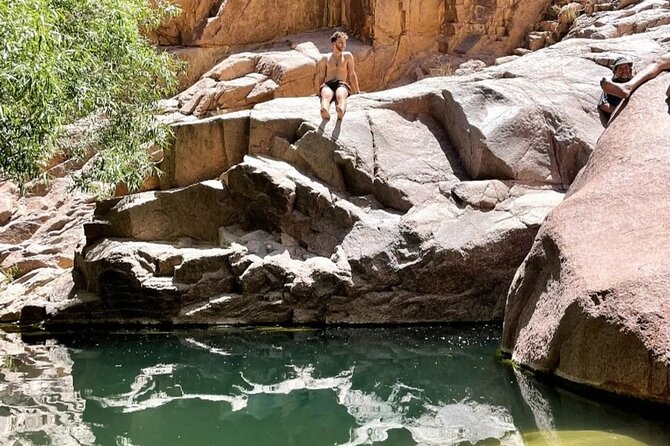
This isn’t a treadmill hike with checkpoints. It’s a walking route through a rugged corner of Egypt where you move between mountains and valleys on older paths, including routes linked to pilgrims and areas once used by Bedouin tribes.
What you gain is context. You’re not just moving through scenery—you’re learning the local way of seeing the land: which herbs matter, how people read the terrain, and why certain places were used for living, grazing, or farming in the past. If you’re the type who enjoys quiet moments as much as big views, you’ll probably like the rhythm here.
Meeting in Saint Catherine: Your 9:00 AM Start Point
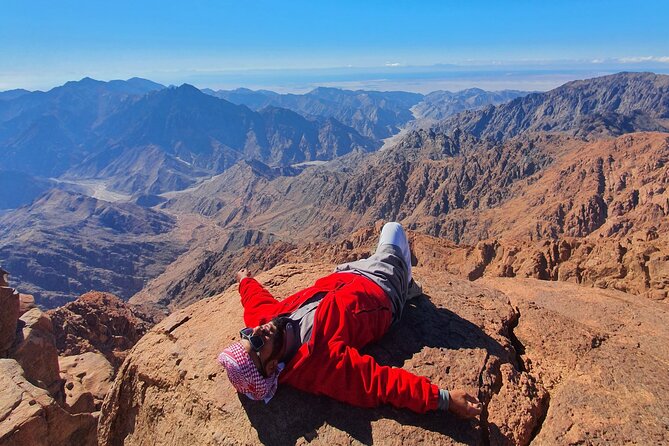
The hike begins at 9:00 am in Saint Catherine, South Sinai Governorate. Transportation to the starting point in Saint Catherine city is not included, so you’ll want to plan how you’ll get there in advance.
Because the day starts early, take that seriously. Bring water discipline from day one and don’t assume you can sleep in. In hot or windy conditions, early hours make a real difference, and it also helps you keep the pace comfortable rather than rushed.
You can also read our reviews of more hiking tours in Saint Catherine
Day 1: Old Pilgrim Paths, Bedouin Dwellings, and First Night Under Stars
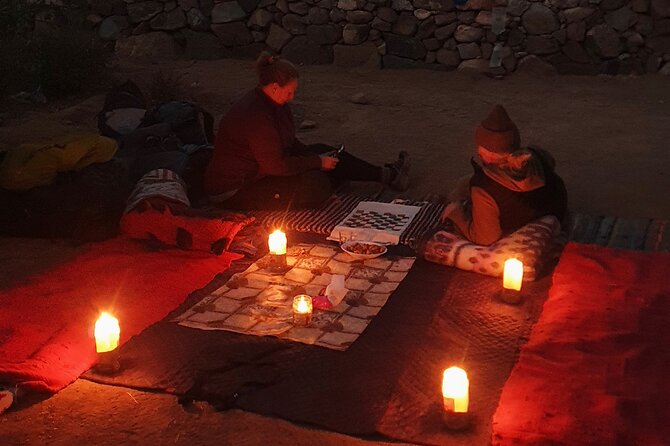
Your first day is about getting into the “old trails” mindset. You’ll hike along older paths used by pilgrims, then transition into routes that connect with Bedouin living traditions—the kind of stops where you can actually understand how people organized daily life around the land.
You’ll also start seeing the trip’s practical style: hiking over rocky ground and boulders, then resetting with camp time, coffee/tea, and meals cooked by the guides over the fire. The overnight plan is part of the appeal, too. You’ll sleep in nature under a sky described as a million-star hotel—and even if the sky varies with cloud cover, the point is the same: you’re away from city light and noise.
What to watch for: your legs will feel it on Day 1, especially if you’re not used to uneven rocky trails. Start steady and let your body warm up.
Day 2: High Summits, Valleys, and “Why This Route Matters”
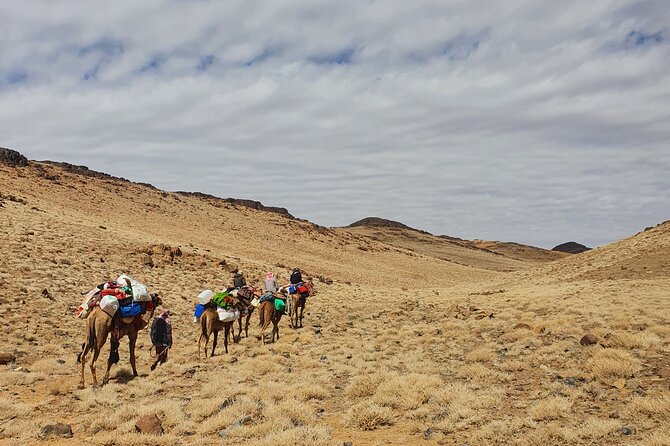
Day 2 leans into the tougher terrain. Expect high summits, valleys, and rocky trails. This is the part of the hike where the route choices matter, because the Sinai Heights aren’t forgiving: a “good viewpoint” route is also often a route with loose stone or steep steps.
This is also when the Bedouin guiding shines. Guides like Ahmed Moussa are often described as both professional and fun, but what seems to matter most is the way they connect what you’re walking past with local knowledge. In other words, you’re not just doing a physical challenge—you’re learning what the land was “for,” and how people lived with it.
In the same day you may also hear about plants and herbs, local animals, and Bedouin customs. That doesn’t turn the hike into a classroom—it makes it easier to remember where you’ve been and why it matters.
Possible drawback on Day 2: the higher sections can feel exposed. If you’re sensitive to heights or wind, keep moving but don’t sprint the steep bits.
Day 3: Boulders, Bedouin Gardens, and Final Views
The third day is where the hike starts to feel both rewarding and a little bittersweet. You’ll continue through older paths and rocky stretches, but you’ll also get time for slower appreciation—especially around the “garden” idea mentioned for Bedouin life.
The experience includes visiting old gardens that Bedouin communities used before. That stop is valuable because it shifts the story away from “wild wilderness” and into human adaptation. It’s a reminder that people didn’t just survive here—they figured out how to cultivate in a harsh environment.
Depending on conditions, you might also catch the kind of nature surprises the region can offer after rain—details like waterfalls and natural swimming lakes are mentioned as possibilities when weather brings them. If that doesn’t happen, the hills and valleys still do their job: give you a big-sky finish and the chance to walk out with your head clear.
Fire-Cooked Meals and Coffee/Tea: More Than a Bonus
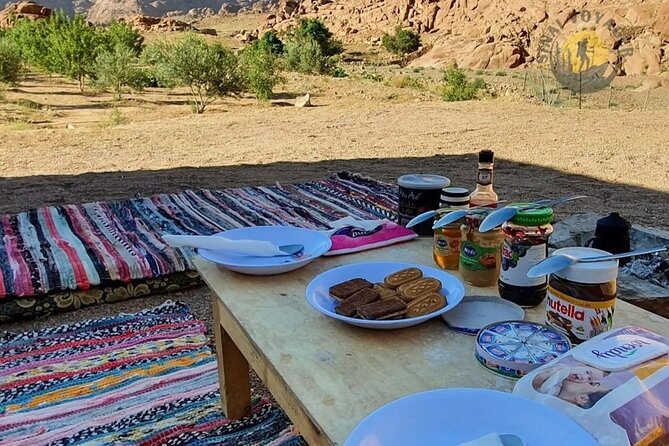
Food is baked into the design of this trip. You get 3 meals cooked by Bedouins, plus coffee and/or tea, and basic camping equipment for the camp setup. That’s the practical value: you’re not budgeting meals or hunting for food after a hard hike.
The bigger value is how the meals fit the day. After walking through boulders and summits, camp food over a fire changes the mood. Multiple guides are credited for keeping things organized and making people feel cared for, and the food is often singled out as better than expected.
One practical note: since personal camping equipment is not included, make sure you bring whatever you need for sleeping comfortably and staying warm overnight. The trip provides basic camping equipment, but you should still think about your own comfort.
Guides, Camels, and Safety: How the Trip Stays Comfortable
This experience includes a professional Bedouin guide plus camel guides. There are camels to carry luggage, which is a big deal on a multi-day hike. Even with a daypack, lighter walking means you can focus on footing and rhythm rather than dragging everything on your back.
Safety is also part of the promise here. You’ll be traveling with experienced route people who know the terrain and can adjust as conditions change. In guides’ descriptions, there’s a consistent theme of attention to detail—good care, organized timing, and a focus on making the trip feel smooth.
On the guide side, names that come up strongly include Ahmed Moussa, Amo Nasser, and Gabaly. Different names, same overall vibe: people who can explain the land and keep the group moving with confidence.
Price Check: Is $441.81 Per Person Fair Value?
At $441.81 per person for an approximately 3-day hike, the price is only “fair” if the inclusions actually matter to you. Here, they do.
You’re paying for:
- A professional Bedouin guide
- Camels to carry luggage
- 3 Bedouin-cooked meals plus coffee/tea
- All fees and taxes
- Basic camping equipment
- A structured route with safety and weather reliance
Transportation to the starting point is not included, so you’ll cover that separately. Also, personal camping equipment is on you.
If you compare what it costs to hire guides and logistics for a multi-day hike elsewhere, a setup that includes food, guide time, luggage camels, and camping essentials can be good value—especially if you’d rather spend your effort on hiking than managing the backend.
Who This Sinai Hike Is Best For
This tour is a great match if you want:
- A real hiking experience on older, less touristy paths in the Sinai Heights
- Cultural learning that stays practical (customs, herbs, and Bedouin traditions)
- A small-group feel, since it’s listed as private for your group
- A camp setup with fire meals and stargazing time
It may not be ideal if you:
- Don’t have moderate hiking fitness for rocky trails and elevation changes
- Hate early mornings (it starts at 9:00 am)
- Need everything predictable and flat, step-free, and low-effort (rock and boulders are part of the deal)
Should You Book This 3-Day Old-Trails Hike?
If you like the idea of hiking with local guides who explain the plants, customs, and reasoning behind the route, this is a strong choice. I’d book it if you’re excited by big mountain views and you can handle uneven rocky walking with a steady pace.
I wouldn’t book it if you’re looking for an easy stroll, or if weather dependence would make you nervous. This experience requires good weather, and conditions can change what you see—like rain-driven waterfalls or swimming spots.
If you’re ready to trade city comfort for three days of walking, stories, fire-cooked meals, and night skies, this one makes a lot of sense.
FAQ
What time does the hike start?
The start time is 9:00 am in Saint Catherine.
Where does the tour start and end?
It starts in Saint Catherine, South Sinai Governorate, Egypt and ends back at the meeting point.
How long is the hike?
The duration is listed as 3 days (approx.).
What’s included in the price?
Included items are 3 meals cooked by Bedouins, coffee and/or tea, a professional Bedouin guide, camel guides, camels to carry luggage, all fees and taxes, and basic camping equipment.
What is not included?
Not included: transportation to the starting point in Saint Catherine city and personal camping equipment.
Do I need moderate fitness?
Yes. The trip is described as suitable for travelers with a moderate physical fitness level.
Is this a private tour?
Yes. It’s listed as a private tour/activity, meaning only your group will participate.
How do the camels help?
Camels are included to carry your luggage, reducing how much you have to carry yourself.
What happens if the weather is bad?
The experience requires good weather. If it’s canceled due to poor weather, you’ll be offered a different date or a full refund.
Can I get a refund if I cancel?
Yes, free cancellation is available up to 24 hours in advance of the experience start time for a full refund.