REVIEW · SICILY
Hike near the summit craters up to the maximum safe altitude currently foreseen
Book on Viator →Operated by Guide Vulcanologiche Etna Nord · Bookable on Viator
Volcano air at the edge of 3,000 meters. This guided Etna trek takes you up through lava fields and crater zones to the maximum summit altitude allowed by current ordinances, stopping where it’s safe to stop. I love that you get a real vulcanological guide and not just a walk-and-point style tour, and I also love the way the route stays above 2,500 m so the views are constant rather than occasional.
What you should consider: the hike is manageable on paper, but high-altitude effort and uneven volcanic ground mean you’ll feel it more than you expect. If conditions change, the plan can shift, including reduced access when the summit cone is closed.
Key Tour Highlights (Why This Etna Hike Feels Worth It)
- Maximum safe altitude (3,000 m) for crater views under current rules
- Small group size (max 15) with an authorized vulcanological guide
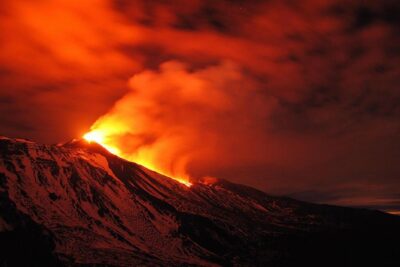
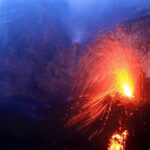
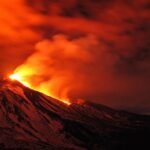
- Regulated access near the South-East Crater where recent activity is visible from a safe distance
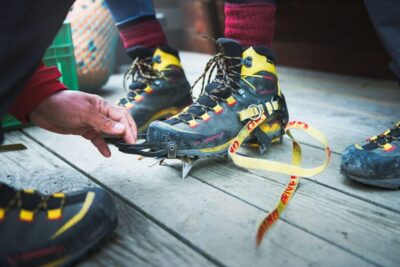
- Gear provided (poles, helmet, warm jacket, extra socks, even an extra backpack)
- A true up-and-down day (about 6.5 km total) with a steady descent back to the cable car
In This Review
- Mount Etna’s 3,000 m Line: What You’re Really Signing Up For
- The 5-Hour Plan: How the Day Flows (and Why Timing Matters)
- Getting to 2,500 m: The Cable Car Start and Its Hidden Value
- The Main Hike: Lava Fields, Craters, Hot Fumaroles, and Constant Views
- South-East Crater Views Without Risky Cone Access
- Descent to the Cable Car: When Your Legs Catch Up
- Gear, Warmth, and the Stuff People Forget
- Price and Value: What You Pay, What You Get
- Who Should Book This Etna Summit Hike (and Who Should Skip)
- Guide Quality and What You’ll Hear on the Walk
- If Conditions Change: How the Experience Adapts
- Practical Extras That Make the Day Smoother
- Book It or Skip It: My Decision Guide
- FAQ
- How high do we hike on this Mount Etna tour?
- Is the cable car ticket included in the price?
- What kind of fitness level do I need?
- What happens if the summit crater access is restricted due to volcanic activity?
- What should I bring for comfort and safety?
- Is this tour suitable for children and service animals?
Mount Etna’s 3,000 m Line: What You’re Really Signing Up For
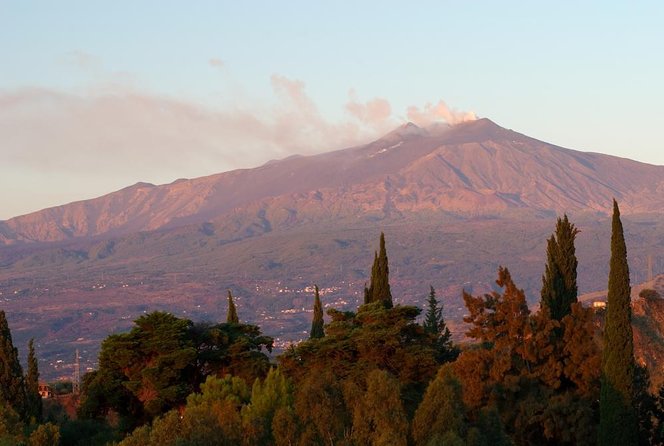
This is the kind of hike you remember because it has a clear goal and a hard limit. You’re aiming for the maximum altitude currently allowed by summit ordinances, set around 3,000 m. That matters because it’s not just “go higher if you can.” It’s “go as high as is permitted,” and that safety boundary shapes everything: the pacing, the route choices, and what you’ll get to see.
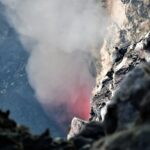
You’re walking through a world that looks familiar only in the sense that it’s still ground under your boots. But it’s volcanic terrain: lava fields, crater edges, hot fumaroles along the way, and surfaces that can be unstable or uneven. That’s why the day feels both exciting and grounded in real operating procedures.
This is also a guide-led science-and-safety experience. The guiding team is an authorized vulcanological guide, and you’ll get the geology in context, not just scenic commentary. In past groups, guides like Filippo (a geologist who explains things clearly) and Vincenzo were praised for tying encouragement to solid facts, so you’re learning while you’re walking.
The 5-Hour Plan: How the Day Flows (and Why Timing Matters)
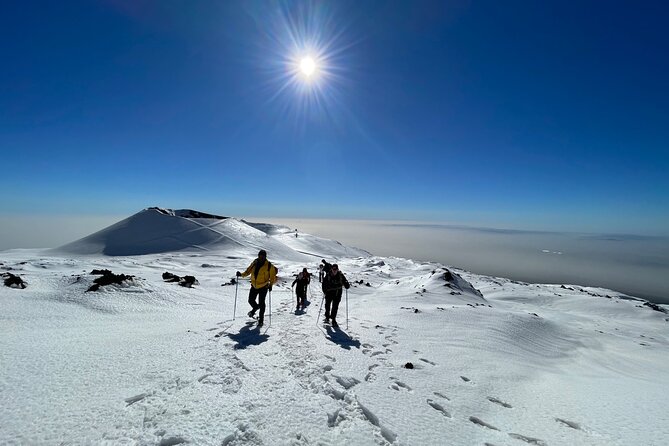
The day starts at 8:30 am at EsagonalPiazzale Funivia Etna, Sud, in Nicolosi (CT). From there, check-in and tickets are handled with your guide before you head to the cable car.
The structure is simple:
- Cable car up to 2,500 m
- Trek gaining around 500 m to 3,000 m
- Descend on foot to the cable car station, then cable car back
That flow is useful for two reasons. First, you save time and energy by reaching the main walking zone quickly. Second, the ascent is gradual enough that it stays comfortable for many hikers, but still challenging because you’re gaining altitude while walking across volcanic terrain.
The day is about 5 hours total (distance around 6.5 km; gain about 500 m, varying a bit with conditions). It’s rated E for hikers used to high altitude, which is a polite way of saying you don’t need mountaineering skills, but you do need to respect altitude and footing.
Also keep in mind: the route can be adjusted by the guides’ discretion, and it may be suspended if environmental, weather, or volcanic conditions change. That flexibility is usually what keeps the day safe, and it can also mean the exact crater focus shifts.
You can also read our reviews of more hiking tours in Sicily
Getting to 2,500 m: The Cable Car Start and Its Hidden Value
The tour begins at 1,900 m, then you ride the cable car up to 2,500 m, where the trek starts. That gap is the difference between a casual outing and an actual high-altitude crater walk.
The cable car also affects how your body handles the start. You’re not warming up slowly at low altitude first, so you’ll want to start breathing steadily right away. It’s a good idea to move at a pace that feels almost too slow at first—altitude punishes overconfidence.
One more practical note: the cable car ticket is not included in the listed price. You pay 52€ per person on site for a round trip cableway ticket. The tour includes entry to Mount Etna and the guided portion, but this part is separate, so budget accordingly.
The Main Hike: Lava Fields, Craters, Hot Fumaroles, and Constant Views
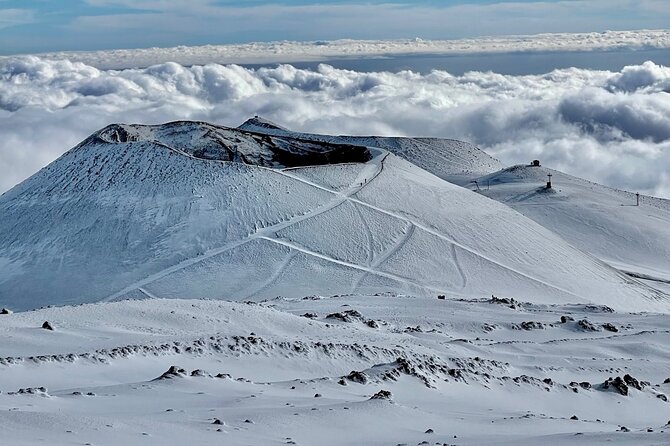
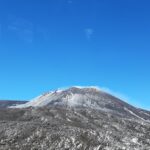
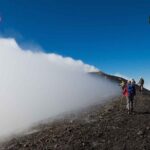
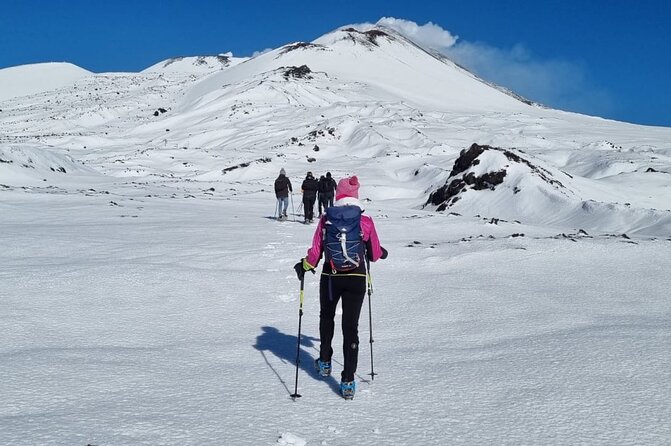
From 2,500 m, your walk gains roughly 500 m to reach 3,000 m at the base of the South-East Crater, Etna’s most active cone. This is the core of the experience: you’re moving through an area shaped by eruptions, not a generic trail.
As you hike up, you’ll pass over or near:
- lava fields
- lava channels
- craters
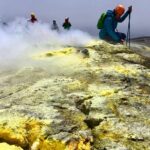
- hot fumaroles (areas with volcanic heat)
In other words, it feels like you’re walking inside the volcano’s recent edits. The terrain isn’t designed for convenience. Expect uneven ground, loose rock, and occasional segments where your footing matters more than your stride length.
This is why trekking poles are included. Even if you’re an experienced hiker, poles are useful on volcanic surfaces because they help you steady your center of gravity on irregular ground. You also get trekking shoes support via recommendation, and the tour provides helmets and a warm jacket, which you’ll really appreciate at altitude.
If you want to set yourself up for success, I’d treat this like an altitude hike first and a sightseeing hike second. Hydrate, keep your effort controlled, and don’t rush the early sections.
South-East Crater Views Without Risky Cone Access
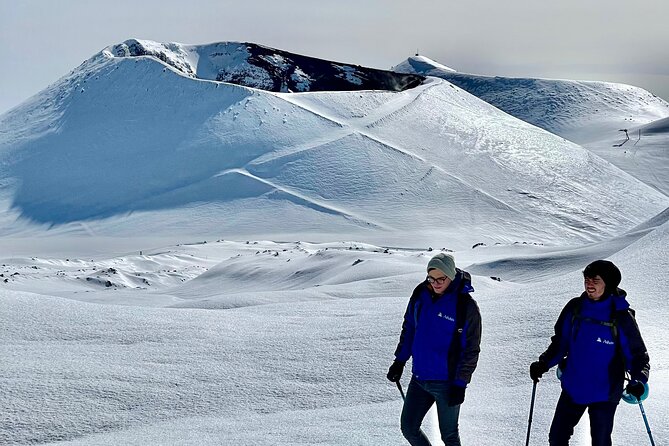
Here’s the key detail that makes this tour feel both authentic and responsibly planned. You reach the maximum safe altitude near the activity, but you don’t automatically get access to the summit cone.
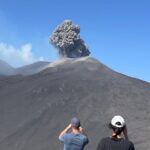
Your route stays at a safe, regulated distance where you can admire the South-East Crater, including the source of many recent eruptions. Access to the cone can be closed due to extreme heat, instability, and potential collapses when magma is shallow.
This is why the day can still be excellent even when you can’t go right up to the most dramatic point. In past sessions, when the summit crater was forbidden due to recent eruptions, the tour offered a reduced guided walk with crater observation from a safe distance and then continued along older and smaller craters plus interesting volcanic features. The value didn’t disappear; it shifted into safer terrain with the same Etna story.
Also watch how your comfort handles crater edges. The route includes walking along crater rims, and the program notes dizziness can happen for sensitive individuals. If you’ve ever felt lightheaded on high overlooks, take it seriously. Slow down, keep your eyes on stable ground when needed, and tell your guide if you’re affected.
Descent to the Cable Car: When Your Legs Catch Up
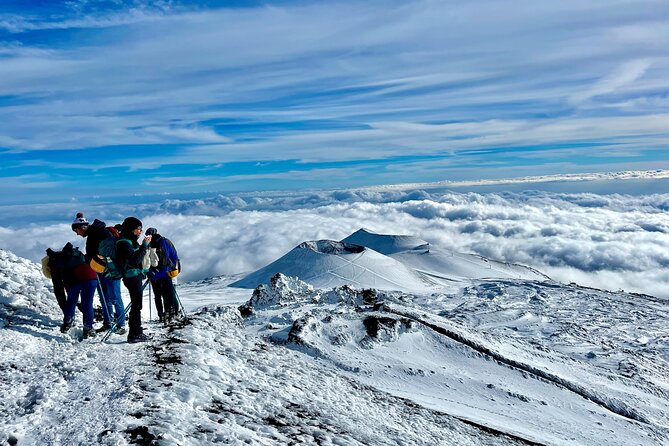
After reaching around 3,000 m, you start the descent on foot down to the cable car station. The walking doesn’t end when you feel triumphant; it ends when your legs feel it.
Descending can be trickier than ascending on volcanic ground because slopes and loose footing ask for precise steps. This is another reason poles help so much. Your knees will thank you, and so will your overall energy level for the cable car ride back down.
Expect the day to feel like a complete loop rather than a single climb. Even with only about 6.5 km total, the elevation gain and volcanic surfaces are what make it “full.”
Gear, Warmth, and the Stuff People Forget
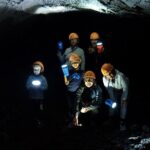
The tour includes a lot of what hikers often scramble to find:
- trekking poles
- trekking shoes
- helmets
- warm jacket
- extra socks
- extra backpack
- accident insurance
- admission entry to Mount Etna
That’s strong value because it removes friction. You don’t need to guess what to bring for cold mountain air or crater dust. Past feedback also emphasized that you can borrow jackets and boots on site if you didn’t come prepared, which is a relief when you pack light.
But there are two important things not included:
- Hat and gloves
- Contact lens use isn’t recommended due to volcanic gases and ash. If you do wear them, sunglasses are advised.
This is the kind of detail that can make or break comfort. Cold air plus crater activity means you may feel eye irritation faster than you expect. Bring a hat, and bring gloves even if the day starts sunny at lower elevations.
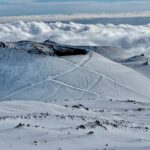
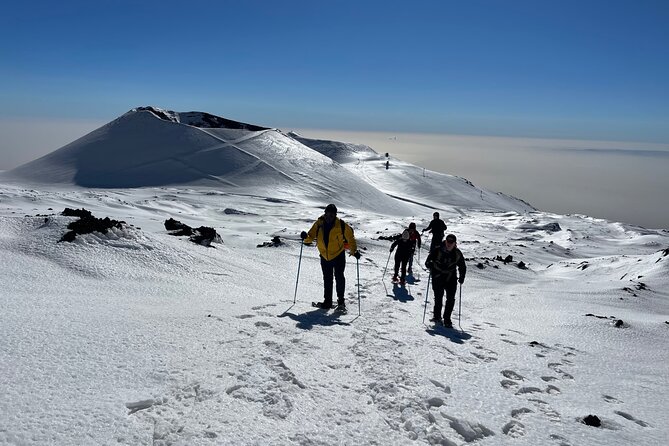
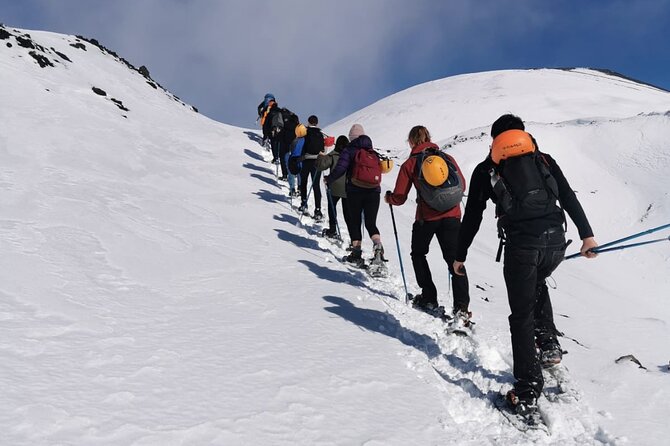
In winter or deep snow conditions, snowshoe rental may be available for 15€ per person, paid to your guide if needed. So if your trip dates lean snowy, plan for it as a possibility.
Price and Value: What You Pay, What You Get
The listed price is $66.38 per person, and the tour runs about 5 hours with an English offering and a maximum group size of 15. On average, it’s booked about 19 days in advance, which usually means you’ll have to plan but not months of lead time.
Here’s the honest value picture:
- You’re paying for an authorized vulcanological guide
- You’re also getting gear and accident insurance
- And you’re including entry/admission to Mount Etna
The big extra cost is the cable car: 52€ round trip per person on site. When you add that, you’re no longer in budget-tour territory. Still, for a guided trek to the maximum safe altitude, it can be a fair deal because the guided portion is doing real work: safety management, route decisions, and scientific interpretation.
For me, the best value sign is not the price tag. It’s that the route is specific and high-stakes: 2,500 m start, around 3,000 m goal, crater edges, and controlled access near ongoing activity. You’re not paying just for a view; you’re paying for a safe way to get close to the volcano’s action.
Who Should Book This Etna Summit Hike (and Who Should Skip)
This works best if you:
- have moderate physical fitness
- can handle high altitude effort
- are comfortable with uneven, unstable volcanic terrain
- can stand/walk for several hours in cold mountain conditions
It’s not recommended for people who do little physical activity. Even if the distance looks short, the climb and altitude feel longer than they measure on a map.
It’s also suitable for children over 7 years old who are used to walking. That’s important: don’t assume kids will treat crater walking like a playground adventure. If they can’t handle a sustained walk, this won’t feel fun.
If you have cardiovascular or respiratory issues, or hypertension, the program explicitly advises it isn’t suitable. If you’re unsure about your health, share details with the guide. The goal is fewer surprises.
One more practical preference: if you don’t like heights or you get dizziness near crater rims, you can still go, but you should take it slow and communicate with your guide early so they can help you manage the moments that trigger symptoms.
Guide Quality and What You’ll Hear on the Walk
The guides on this route are often the reason people come away thinking it was their best Etna day. In past groups, guide Filippo stood out for explaining the volcano in a way that felt scientific but not complicated, and for pushing the group with the right encouragement to reach the top. Others, like Podlo, were praised for making the day unforgettable through strong organization and a friendly, professional style.
Daniele also got credit for keeping a family group moving with confidence, and for making the descent interesting even when conditions changed. And Vincenzo was noted for detailed information about Etna and for choosing good points along the route.
There’s a pattern here: you’re not just walking to say you were there. You’re walking while someone interprets the geology with you, and that’s where the day becomes more than a highlight photo.
If Conditions Change: How the Experience Adapts
Etna runs on its own schedule. That’s not a problem with the tour; it’s the reality of active volcanism. The itinerary may be adjusted, and the excursion can be suspended if conditions pose risk.
Sometimes you might not reach the usual access level to the summit cone. In earlier sessions during periods of restrictions, the tour still delivered a meaningful crater experience by shifting to observation from a safe distance and then continuing across older craters and lava features.
If your goal is learning and views rather than a single checklist moment, this flexibility can actually help you. You’ll still get to the high zone when it’s safe, and you’ll still get guided explanation, just with a different emphasis depending on what Etna is doing that week.
Practical Extras That Make the Day Smoother
A few small details can save you stress:
- Wear clothes for cold air at altitude. The tour provides a warm jacket, but you’ll still feel the cold at 3,000 m.
- Bring your own hat and gloves. They’re not included.
- Avoid contact lenses if you can. Gases and ash can irritate eyes.
- Expect uneven volcanic ground. It’s not a paved promenade.
- Plan to focus on your pace. Don’t race the group early.
It also helps that the meeting area has a place to grab something like breakfast or sandwiches before you start. A quick bite before your climb can make the whole day feel less rushed.
Book It or Skip It: My Decision Guide
I’d book this if you want a guided, safe path to the highest permitted Etna altitude with nonstop crater context and actual vulcanology talk. The included gear and the accident insurance reduce risk and hassle. And the small group size helps you feel guided rather than herded.
I’d skip it if altitude walking scares you, if you’re recovering from respiratory or cardiovascular issues, or if you hate uneven ground with a real chance of dizziness at crater rims. If you want a short, easy walk with guaranteed access to the very top cone, this route may not match your expectations because access can close and the plan adapts.
FAQ
How high do we hike on this Mount Etna tour?
You start trekking at about 2,500 m and hike up to around 3,000 m, which is the maximum altitude allowed under current summit ordinances.
Is the cable car ticket included in the price?
No. You’ll pay 52€ per person on site for the round trip cableway ticket.
What kind of fitness level do I need?
You should have moderate physical fitness and be used to walking. The hike is rated E for hikers used to high altitude, and it’s not recommended for people who engage in little physical activity.
What happens if the summit crater access is restricted due to volcanic activity?
The guides can adjust the route at their discretion or suspend the excursion if volcanic, environmental, or weather conditions change for safety. You may still observe craters from a safe distance and continue along alternate crater terrain.
What should I bring for comfort and safety?
Bring hat and gloves (not included). Also, the tour advises against contact lenses due to volcanic gases and ash; sunglasses are recommended if you wear lenses.
Is this tour suitable for children and service animals?
Children must be over 7 years old and accustomed to walking. Service animals are allowed.