REVIEW · MEXICO CITY
Nevado De Toluca: Reach the Summit with Professionals
Book on GetYourGuide →Operated by Travesías México · Bookable on GetYourGuide
Nevado de Toluca turns a hike into a full-on mountain day. You’ll climb to the summit of El Nevado de Toluca with professional guides and technical gear, then soak up panoramic views of forests, valleys, and crater lakes. Guides like Alan and Carlos are known for keeping things safe and well-paced, even when the weather turns.
What I like most is that the whole package feels built for altitude reality, not just marketing photos. You get helmets, poles, and a backpack loan, plus transportation, mountain fees, insurance, and lunch—so you can focus on the trail instead of scavenger-hunting gear. The main drawback to plan around is the difficulty level: you’re going up to 4,680 meters, and the climb includes steep, rocky sections that can feel exposed and mentally demanding.
In This Review
- Key moments that make this tour worth your day
- Why Nevado de Toluca feels different than a Mexico City side trip
- Getting there from Mexico City: meeting at Mercado Michoacán
- Paso del Quetzal to the crater: what your route actually delivers
- The summit push: altitude, steep rock, and a planned return window
- Professional guiding + included helmets and poles (and why it matters)
- Food and the long-day rhythm: fuel, warmth, and getting back down
- What to pack for 4,680 meters: the cold, rain, and gloves checklist
- Price and value: is $162 really fair for Nevado de Toluca?
- Who should book this Nevado de Toluca summit tour (and who should skip it)
- Should you book Nevado de Toluca with Travesías México?
- FAQ
- How high do you hike on Nevado de Toluca?
- How long is the tour?
- Where do we meet the guide?
- What’s included in the price?
- What should I bring?
- Is this tour a small group?
Key moments that make this tour worth your day
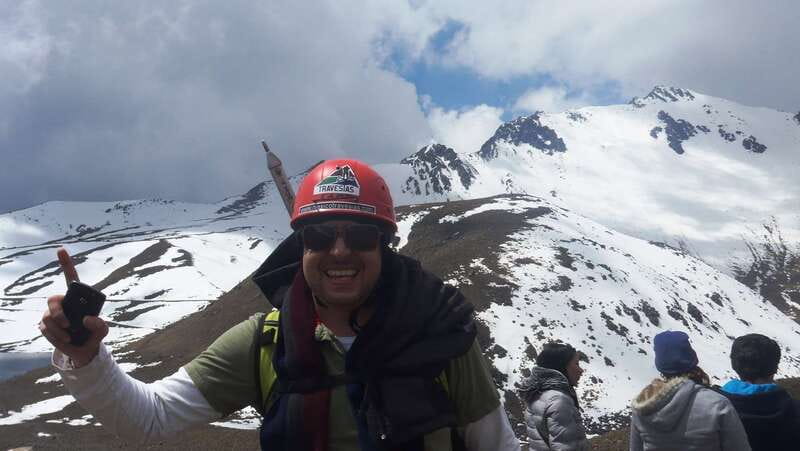
- Paso del Quetzal route: classic summit approach with big high-mountain views and crater-lake sightlines
- Small group size (up to 12): easier pacing, more checking-in, and less trail chaos
- Technical equipment included: helmets and walking poles take the edge off the scramble and descent
- Safety-focused guiding: guides adjust pace for each person and keep an eye on altitude stress
- A real timing cutoff: summit attempts are planned to leave enough daylight for a safe return
- Descent can be dusty and slippery: you’ll want your rain layers and grippy footwear ready
Why Nevado de Toluca feels different than a Mexico City side trip
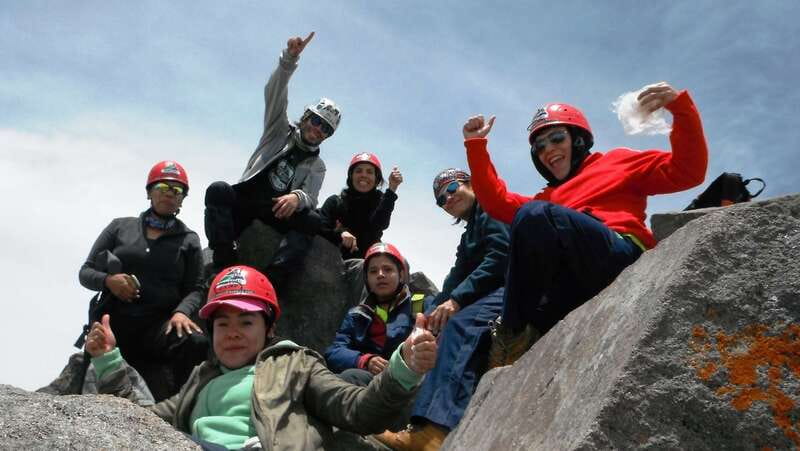
This isn’t a gentle walk with a few photo stops. You’re hiking a high volcano where the air gets thin fast, and your legs notice it. Even if you’re in great shape, the altitude changes the effort level more than most people expect.
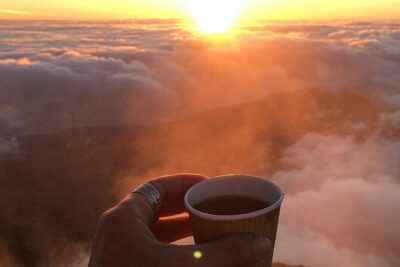
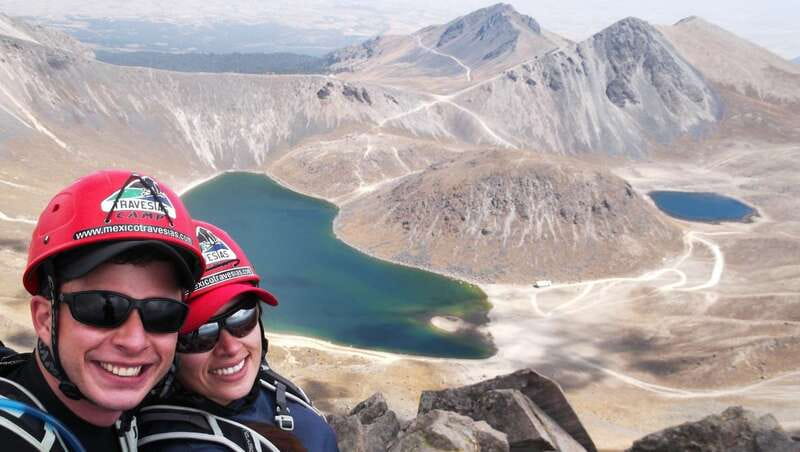
The payoff is dramatic in a simple way: open crater terrain, sweeping views, and a feeling of being genuinely up in the clouds. Once you reach the top area, you’re rewarded with a view of the woods, valleys, and crater lakes inside the volcanic bowl.
Also, it’s a tour where the guides matter. When you’re dealing with steep rock and fast-changing weather, having a professional lead you in the right line is not a nice-to-have.
You can also read our reviews of more tours and experiences in Mexico City.
Getting there from Mexico City: meeting at Mercado Michoacán
You’ll meet your guide at Mercado Michoacán, at the corner of Vicente Suarez and Michoacan, in front of the market on the benches. That meeting point matters because it keeps the start organized and avoids the usual Mexico City “where do we wait?” scramble.
From there, expect a real drive day. Many hikers end up spending close to a couple hours getting toward the mountain area before you start the main walking sections, with additional shuttling depending on where vehicles are allowed. One thing to be aware of: the roads are winding and gravelly, so if you get carsick easily, it can be rough.
The tour runs as a full-day experience. Plan on being out most of the day, and realistically into evening—because you’re hiking long enough to earn that post-trail meal feeling.
Paso del Quetzal to the crater: what your route actually delivers
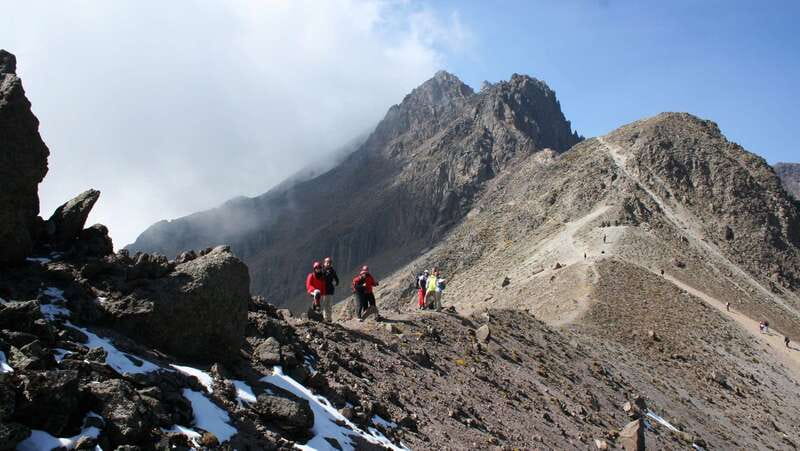
The route goes to the summit area via Paso del Quetzal, starting with walking on the volcano’s sides before you reach the higher zones. Along the way, you’re trading urban terrain for cold, open mountain air and a constantly shifting view of ridges.
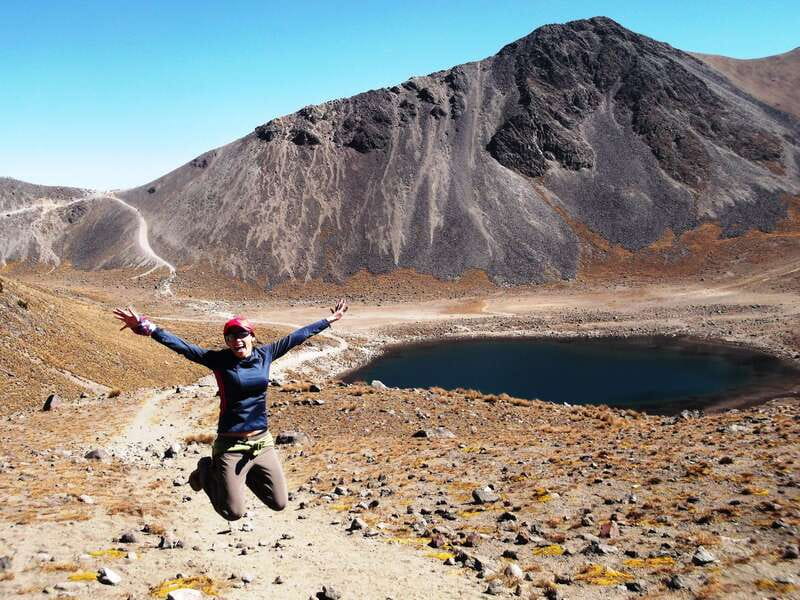
Once you climb high enough, the scenery becomes less about “pretty” and more about “wow, I can see for miles.” You’ll look out over the woods and valleys, and you’ll get chances to spot the lakes inside the crater—a signature moment that makes the effort feel worth it.
This is also where the tour’s structure helps. You’re not just dropped at a random trailhead and left to figure it out. With professional guides and included technical gear, the route feels more controlled, especially when the ground gets steep.
The summit push: altitude, steep rock, and a planned return window
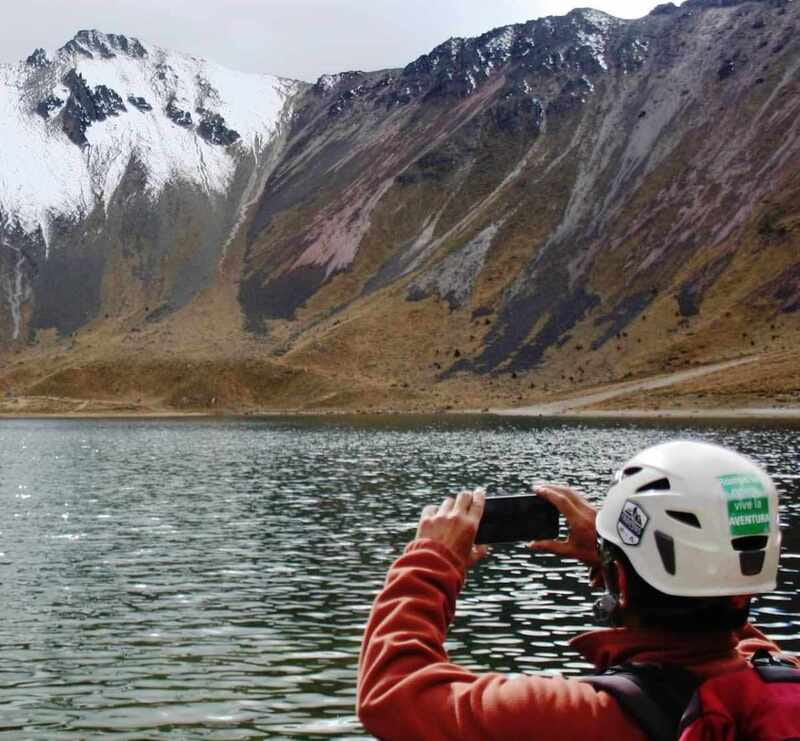
The summit attempt is the reason you’re here, but it comes with real physical work. You’re recommended to be someone who exercises regularly, and the climb takes you up to 4,680 meters. Your body will feel it through breath rate and leg fatigue, even if you’re an experienced hiker.
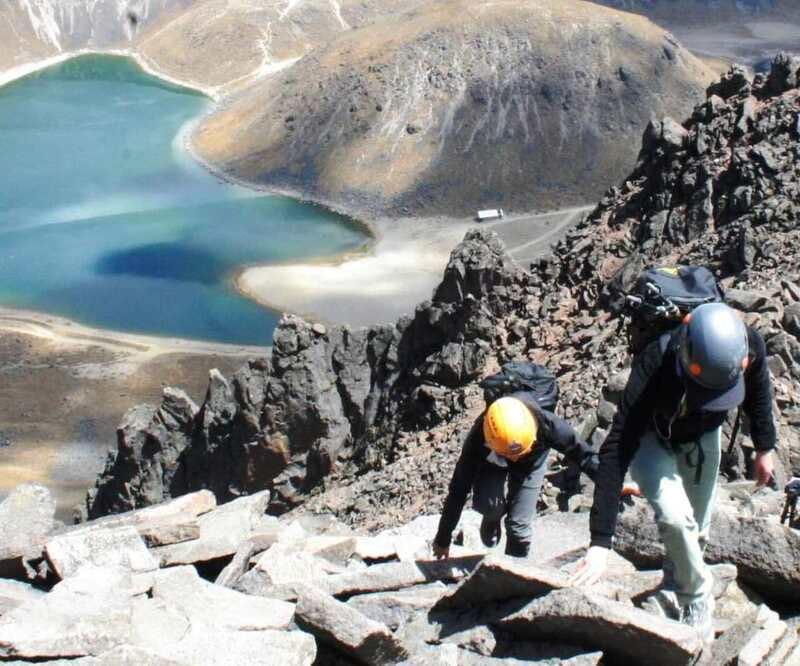
At the top, there’s also scrambling involved. Some sections can include steep rocky climbing—so even if you’re fit, you still need balance, confidence on uneven footing, and the mental game to keep moving safely. One traveler noted around 200 meters of very steep vertical rock climbing on the way to the peak, and that’s exactly the kind of detail that should shape how you prepare.
Timing is another big factor. The day is managed with a summit cutoff around 1pm to make sure you get down safely. That’s a smart safety choice, but it also means pace matters. If you want the summit, you’ll need a steady effort from the start.
Professional guiding + included helmets and poles (and why it matters)
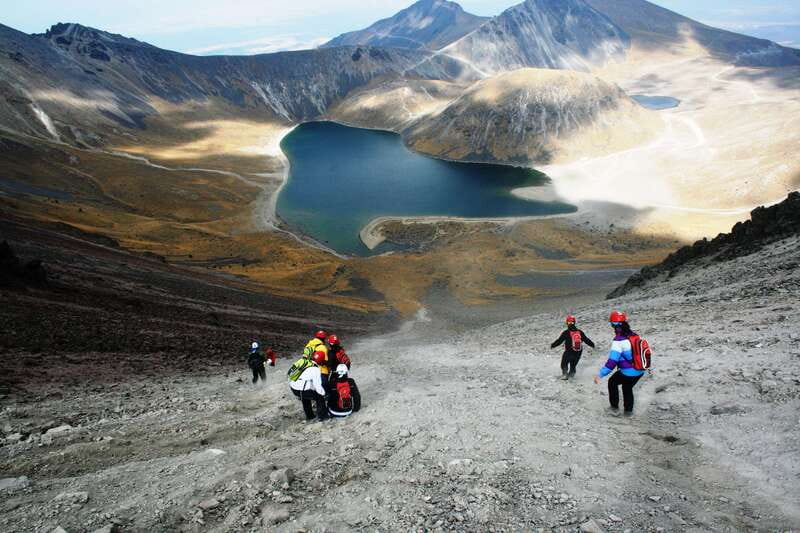
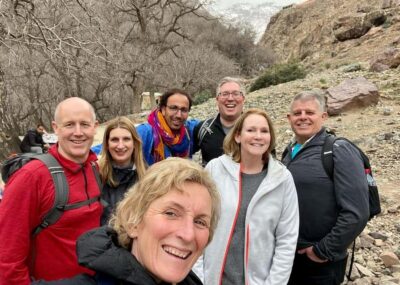
This tour’s biggest advantage is how the guides run the day. Guides like Santiago and Giovanni are praised for safety-first leadership, gear checks, and thoughtful pacing. Other guides—like Sergio, Carlos, and Alan—are repeatedly mentioned for being patient, encouraging, and good at reading the group’s condition.
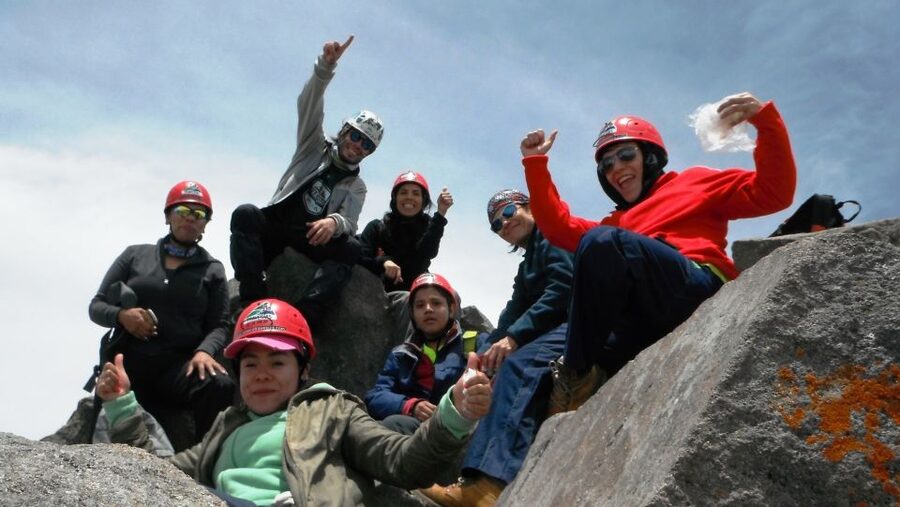
You’ll travel with a small group (limited to 12), which helps a lot on a steep route. Less crowding means you can move at a pace that doesn’t require constant stop-and-go threading. It also makes it easier for guides to check in and adjust when someone feels altitude stress.
The technical equipment included is practical, not symbolic. You’ll get helmets for head protection during the trickier rock sections, and walking poles that help with balance on both the climb and the descent. You also get a backpack loan, which takes care of how you carry water and lunch without improvising.
Food and the long-day rhythm: fuel, warmth, and getting back down
Lunch is included, and you’ll also be provided food during the day as part of the package. In real-life terms, that means you won’t arrive at the hardest sections under-fueled—one of the fastest ways to turn a great hike into a miserable one.
You’ll want to treat the day like a high-altitude endurance effort, not a quick stroll. Start steady, eat when it’s offered, and drink regularly. Altitude headaches and shortness of breath are less scary when you’ve built a routine early.
Some groups also enjoy an extra meal stop on the return. That’s not something you should count on as guaranteed from the base tour description, but it does show up often enough that you should expect a full outing rather than a “hike only” experience.
What to pack for 4,680 meters: the cold, rain, and gloves checklist
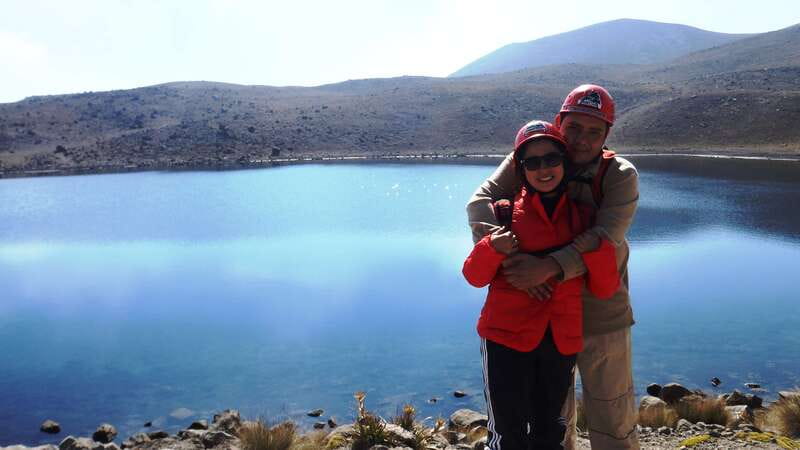
Even on a bright day, this is a mountain environment. Temps can drop fast, wind can bite, and weather can change quickly. The tour specifically recommends you bring:
- Hiking shoes (not casual sneakers, unless you know you can handle slippery rocky dirt)
- Rain gear (because “maybe” weather is real at altitude)
- Gloves and weather-appropriate clothing
- Sunglasses (high altitude sun is no joke)
- Change of clothes and a towel
- Comfortable layers you can add or strip as you warm up
A useful extra tip from the reality of the trail: the descent can be dusty and slippery, so having the right traction matters. Some people also prefer a face covering or mask-like option if you’re bothered by dust.
And yes—acclimatization helps. The tour recommends doing this as an exercise-ready hike, and multiple hikers stress that coming from lower elevations can hit hard.
Price and value: is $162 really fair for Nevado de Toluca?
At $162 per person, this tour is priced like a real guided mountain day, not a cheap transfer plus “good luck.” The value comes from what’s included:
- Transportation to the mountain area
- Guide and mountain fees
- Technical equipment (including key safety gear)
- Lunch and additional food
- Insurance
- Loan of a backpack
When you add it up, a self-arranged version of this day usually costs you time, coordination, and gear rentals anyway. Here, the package reduces the number of things that can go wrong—especially the gear and the guiding.
If you’re deciding between a DIY hike and a guided summit attempt, I’d frame it like this: if you want the summit with fewer unknowns, this price starts to look reasonable very quickly.
Who should book this Nevado de Toluca summit tour (and who should skip it)
This is best for you if:
- You exercise regularly and feel comfortable with a demanding hike.
- You’re okay with steep, rocky terrain and scrambling near the top.
- You want the summit try with professional guidance and safety gear.
It’s not a fit if you have medical or mobility limits. The tour states it’s not suitable for pregnant women, people with back problems, mobility impairments, respiratory issues, epilepsy, or hemophilia. If any of those apply, look for a different style of outing.
Also consider altitude tolerance seriously. The tour is recommended for people that do exercise because you’ll climb to 4,680 meters, and some hikers feel altitude effects even when they’re active.
If you get carsick easily, take extra care with the winding gravel-road drive and plan accordingly.
Should you book Nevado de Toluca with Travesías México?
If your goal is a guided summit day—gear included, safety managed, and the route led by professionals—this is a smart choice. You’ll get the full Nevado de Toluca experience: high-altitude effort, crater-lake views, and a structured return that protects you from getting caught out late.
Book it if you’re ready for a long, physically demanding outing and you can handle rocky terrain and steep sections. Skip it if the idea of scrambling or exposure makes you anxious, because that’s part of reaching the top.
One last decision check I like: if you can’t honestly see yourself moving steadily up and down in cold, windy mountain weather, pick an easier day. The volcano won’t care how excited you are on day one—it will only respond to how prepared you are.
FAQ
How high do you hike on Nevado de Toluca?
The tour climbs to an altitude of 4,680 meters above sea level.
How long is the tour?
It’s listed as a 1-day experience.
Where do we meet the guide?
Meet your guide at Mercado Michoacán, at the corner of Vicente Suarez and Michoacan, at the benches in front of the market.
What’s included in the price?
The package includes transportation, a guide, mountain fees, technical equipment, lunch, food, insurance, and a loan of a backpack.
What should I bring?
Bring sunglasses, hiking shoes, comfortable clothes, rain gear, gloves, a towel, change of clothes, and weather-appropriate layers.
Is this tour a small group?
Yes. It’s a small group with a limit of 12 participants.