REVIEW · LAS VEGAS
Las Vegas: Valley of Fire Guided Hike with Drinks and Snacks
Book on GetYourGuide →Operated by Love Hikes · Bookable on GetYourGuide
Desert cliffs feel close enough to touch. This guided hike takes you from Las Vegas into Valley of Fire for petroglyphs, red-rock views, and even a look toward Lake Mead—all without the stress of figuring out routes on your own.
I like two things a lot: first, the small group setup (up to 12) keeps the experience personal, and you’ll get real talk from guides like Sarah, Michael, Halle, Tony, and Nick. Second, you choose your hike level, so you can go easy, tackle a moderate scramble, or commit to the difficult terrain.
One thing to plan for: the rock is uneven and you’ll use your hands on some sections, so pick the difficulty honestly and wear sturdy hiking shoes.
In This Review
- Key highlights before you go
- Why Valley of Fire feels like a quick trip to another world
- Getting from Las Vegas to the park without logistics headaches
- Lake Mead views: the early wow moment
- Petroglyph-covered walls and what your guide teaches on the trail
- Easy, moderate, or difficult: picking the right hike level
- Easy hike: more time to look, less strain on your legs
- Moderate hike: the sweet spot for most people who want adventure
- Difficult hike: for avid hikers who want rough terrain
- The real terrain: rock scrambles, detours, and staying comfortable
- What’s included: snacks, drinks, and why it matters in the desert
- What to bring (and what not to bring)
- How long it takes and when to start thinking about timing
- Who this tour is best for (and who should skip it)
- Price and value: is $129 a good deal?
- Final call: should you book this Valley of Fire guided hike?
- FAQ
- How long is the Valley of Fire guided hike from Las Vegas?
- Is transportation included?
- What hike options are available?
- What is included in the price?
- What should I bring?
- Is the tour suitable for children or pregnancy?
Key highlights before you go
- Small-group limit of 12 means less waiting and more attention from your guide.
- Choose easy, moderate, or difficult so the hike matches your fitness and comfort.
- Petroglyph stops help turn red rock into a real story of Nevada’s oldest state park.
- Lake Mead viewpoints give you a big visual payoff early in the day.
- Guides adjust routes when weather or ground conditions change, including detours around standing water.
- Snacks and drinks included so you’re not hunting for supplies during the hike.
Why Valley of Fire feels like a quick trip to another world
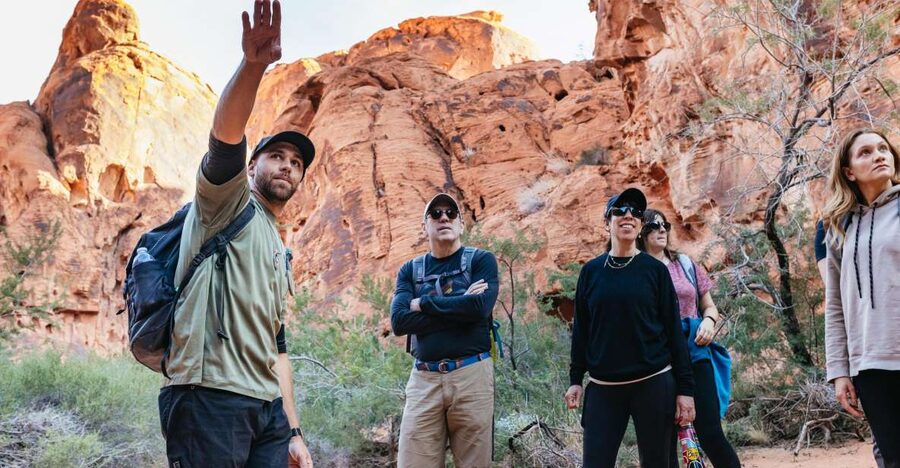
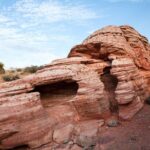
Valley of Fire is famous for a reason: the red rock looks sculpted by a giant hand. Up close, you see layers, cracks, and shapes that don’t exist on a city street. And the best part for a Las Vegas trip is how doable it is—you’re not giving up half a vacation day just to see something truly different.
The guided format matters here. It’s one thing to walk trails. It’s another to understand why the rock is red, why certain formations stand where they do, and what you’re looking at when you spot petroglyphs. Multiple guides on this experience—Sarah, Michael, Halle, Tony, Nick—keep showing up in feedback as the reason people call this a highlight.
You can also read our reviews of more guided tours in Las Vegas
Getting from Las Vegas to the park without logistics headaches
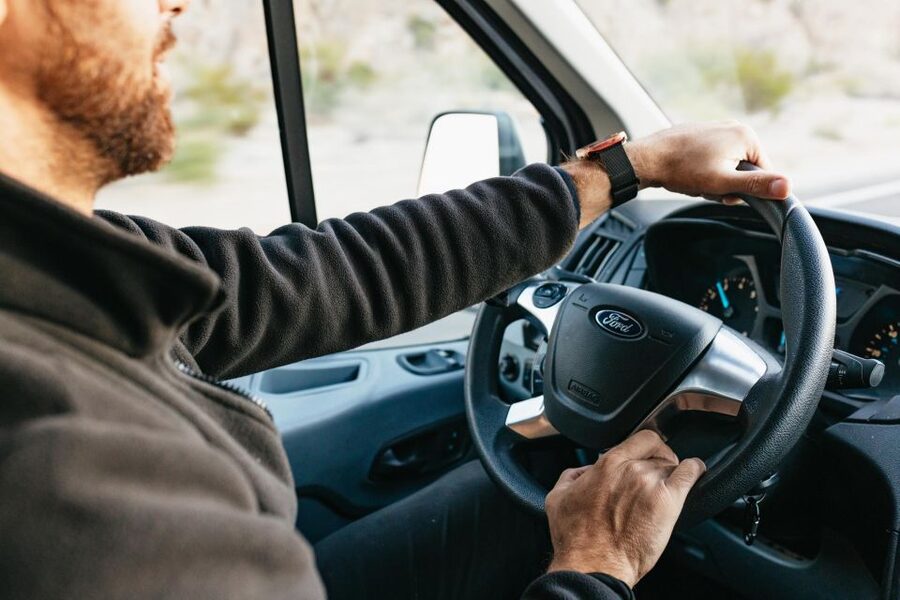
Your day starts with pickup from many Las Vegas Strip and Downtown-area properties. That saves time and keeps you from worrying about parking, entry rules, or whether you picked the right trailhead.
The drive is part of the fun. As you leave the city, the desert stretches out fast. You’ll also get a clear sense of what kind of hike you’re walking into—especially if you’re choosing moderate or difficult and you want your guide to match the pace to the group.
Small note that matters: pickup is included, but you may be asked to meet at a different hotel than your own. It’s not a deal-breaker, just a good thing to confirm before the day-of.
Lake Mead views: the early wow moment
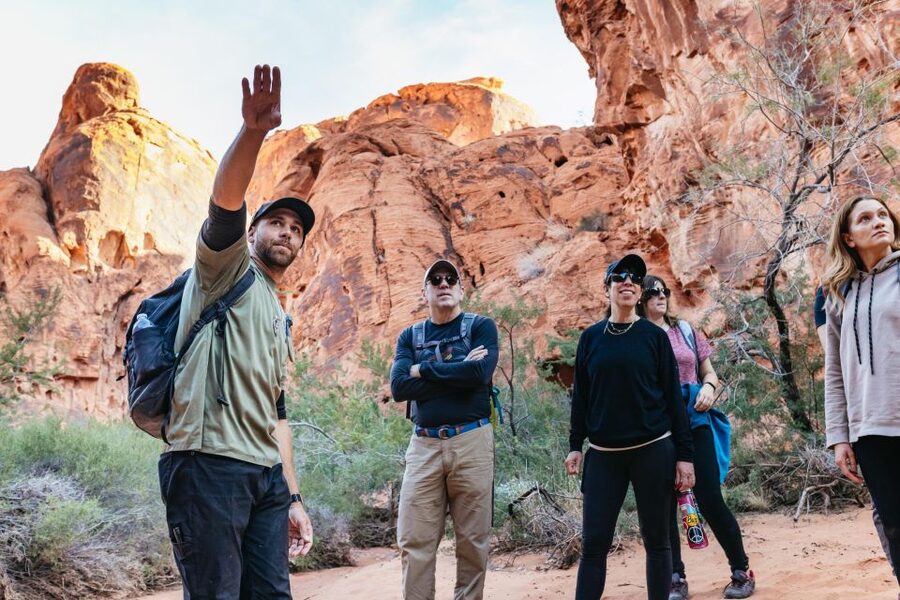
Once you arrive at Valley of Fire, you’ll take in views of Lake Mead, often described as the largest manmade lake in the United States. Even if you’re not a trivia fan, it works. You get a wide horizon and a sense of scale—then you step into a park that feels way more intimate.
This is a useful stop because it anchors your expectations. After seeing the big water view, the red-rock details feel even more dramatic. It also gives you a moment to catch your breath before the first stretch of walking.
Petroglyph-covered walls and what your guide teaches on the trail
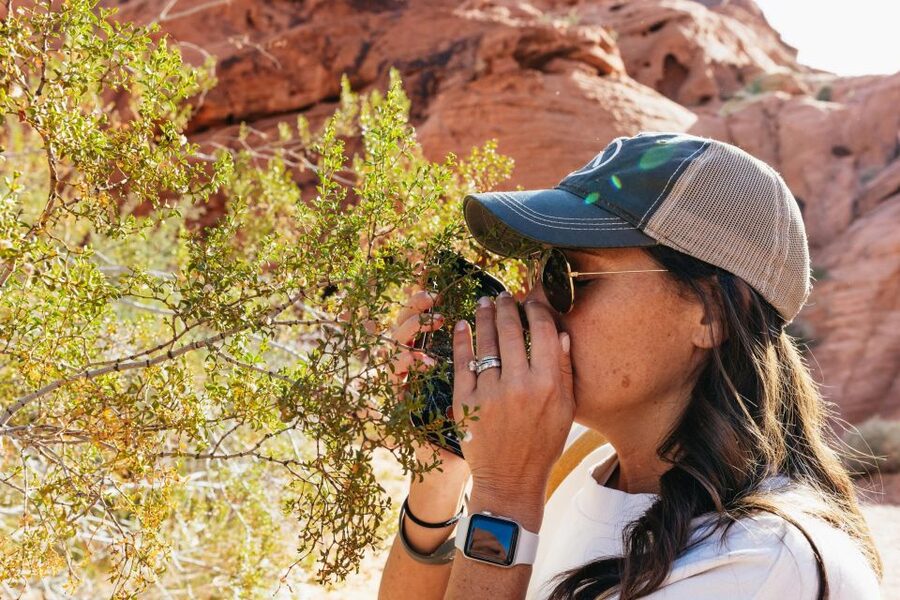
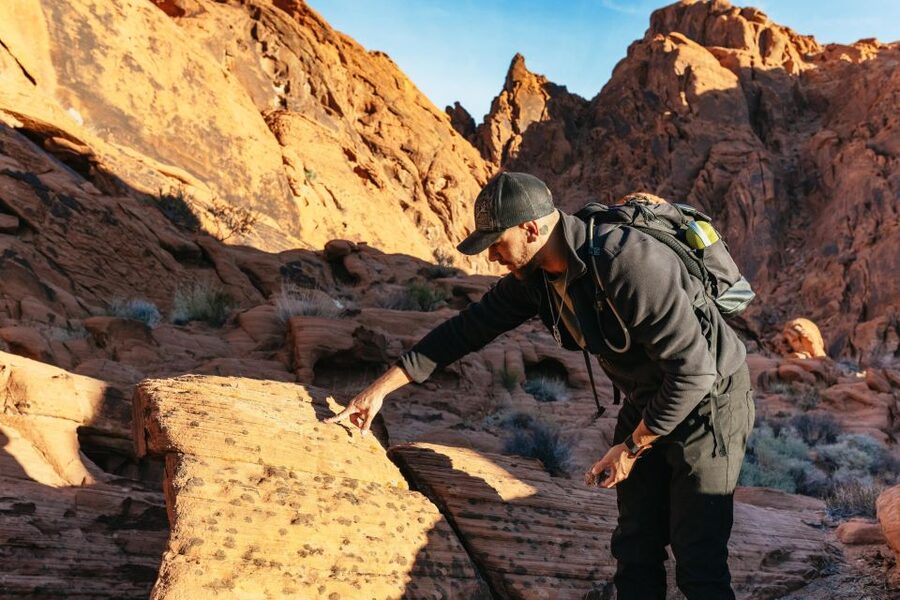
The heart of this park isn’t just the rock shapes. It’s the human marks. You’ll pass areas with petroglyphs—ancient carvings left long before modern maps existed—and your guide explains what you’re seeing.
This is where the difference between a guided hike and a self-guided walk gets real. You may spot the petroglyphs on your own, but a guide helps you read them: how they fit into the park’s story, why certain walls matter, and what to notice as the carvings come into view.
Feedback repeatedly mentions guides pointing out animals and small details too—like lizards, vultures, squirrels, baby mountain sheep, and a horned lizard. Even if you don’t see every species every time, having a guide scanning the same desert you’re walking through turns “random scenery” into something you’re actively looking at.
Easy, moderate, or difficult: picking the right hike level
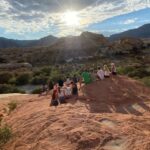
This tour gives you options, which I really appreciate. Desert hikes can feel deceptively short on a map, but red-rock terrain changes everything once you’re moving.
You can also read our reviews of more hiking tours in Las Vegas

Easy hike: more time to look, less strain on your legs
The easy option is designed for families and is suitable for all ages and fitness levels—though the tour itself is not suitable for children under 8. In practice, this means you can expect a walk that focuses on seeing petroglyphs and natural arches without the bigger scrambling elements.
If you want photos, slow exploring, and a chance to enjoy the park without white-knuckle footing, this is the best choice.
Moderate hike: the sweet spot for most people who want adventure
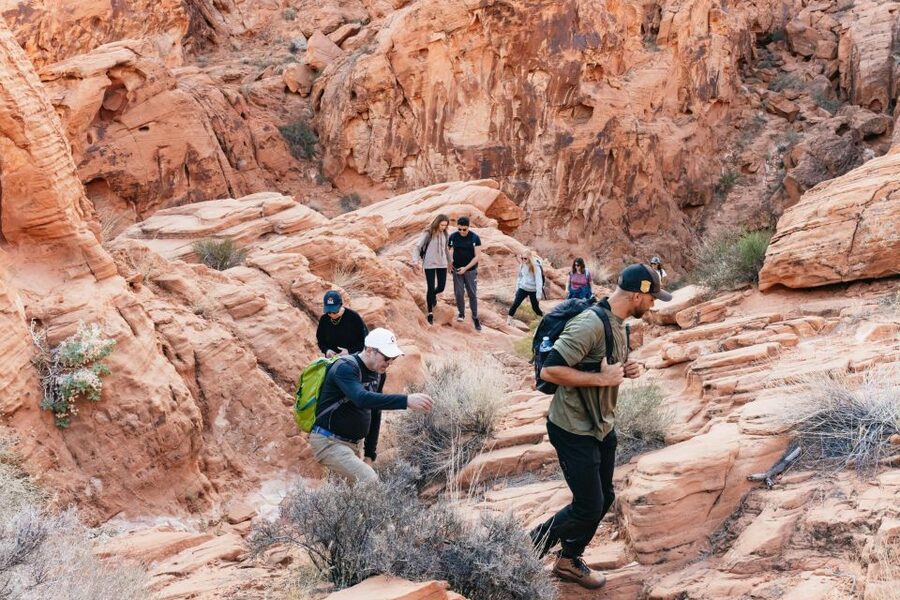
Moderate is where many people land. You’ll hike at a pleasant pace, and you’ll scramble or climb over boulders, crevasses, brush, peaks, and plateaus. You might also go off-trail to reach some of the most compelling spots—so your footing matters, but you’re not committing to the full intensity of the difficult option.
From feedback, moderate can still involve real hand-and-foot movement. One person even described it as perfect mix of peaceful and challenging. If you hike regularly or you feel comfortable navigating uneven ground, moderate is a smart bet.
Difficult hike: for avid hikers who want rough terrain
The difficult route is more intense and recommended for avid hikers. Expect more demanding terrain and more time spent working for the best views. If you love scrambles and you want remote-feeling areas, this level tends to deliver.
But be honest with yourself. Difficult terrain is not just “longer.” It’s also more technical.
The real terrain: rock scrambles, detours, and staying comfortable
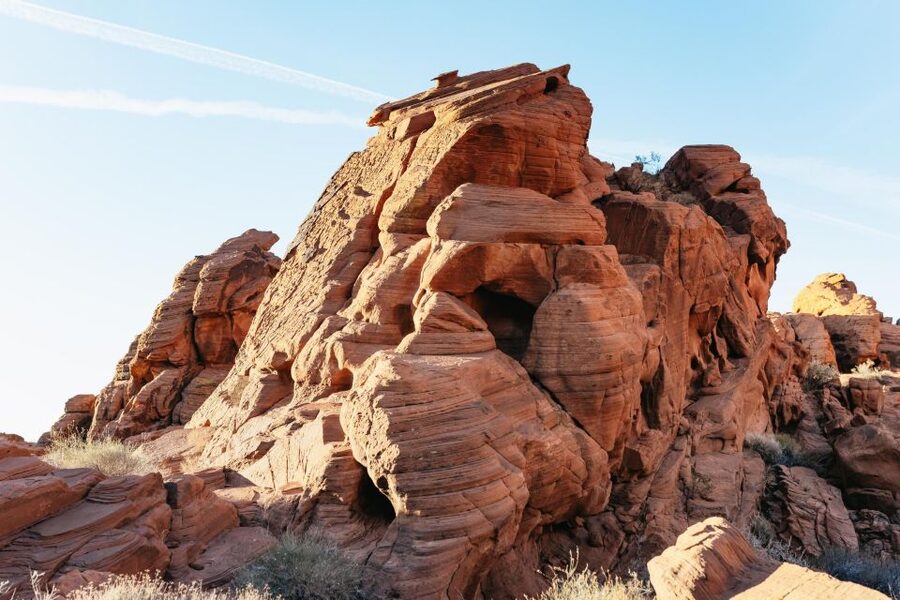
Valley of Fire is rugged. You’re walking on rocks, stepping over uneven ground, and sometimes using hands for balance. That’s part of the attraction—this isn’t a flat walk through a garden—but it’s also the reason this tour is best with proper shoes.
One detail that stands out in feedback: guides sometimes detour due to standing water. Desert weather can change quickly, and conditions can affect how safe or enjoyable certain routes are. The good news is that your guide is there to keep the hike safe and still interesting.
A practical mindset helps: if you think of the hike as active scrambling rather than simple sightseeing, you’ll enjoy it more.
What’s included: snacks, drinks, and why it matters in the desert
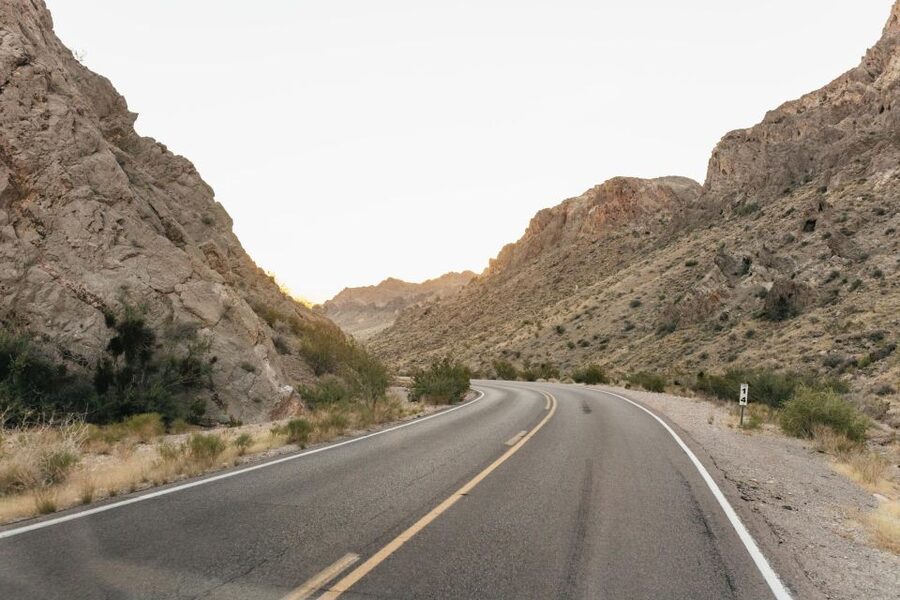
You get snacks and drinks as part of the tour. That matters in the desert more than it does on a city walking tour. You’re moving across exposed rock, and you don’t want to burn time stopping for food.
From the notes people shared, guides often bring enough to keep everyone hydrated and energized. And if you’re the type who likes to pack your own, bring a daypack anyway—many people do, and it keeps your essentials organized.
What to bring (and what not to bring)
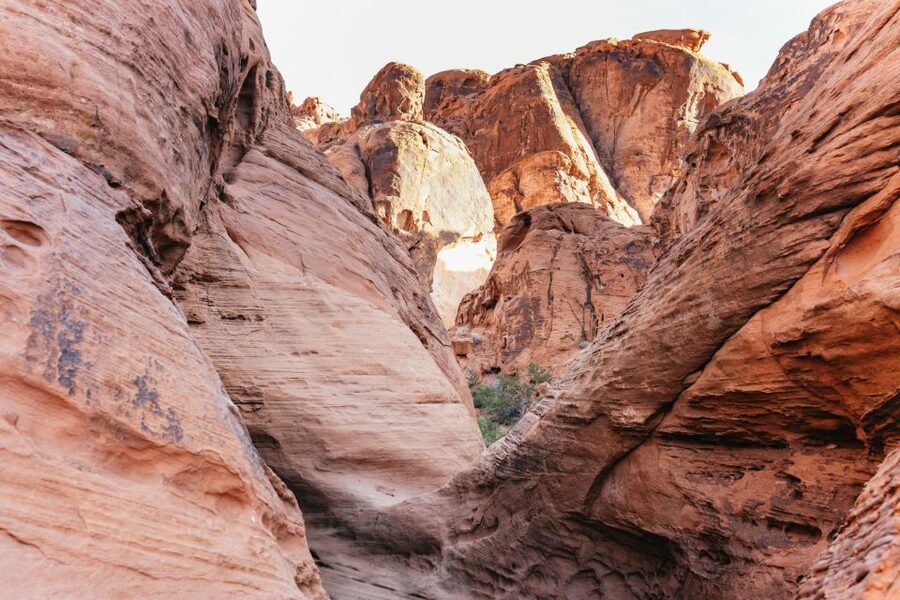
Here’s what the tour asks for, and I agree with it:
- Sunglasses
- Camera
- Hiking shoes
- Sunscreen
- Daypack
Not allowed: drones.
If you only remember one thing, make it footwear. Good tread and ankle stability help you feel confident on scrambles. Then sunscreen and sunglasses do the rest of the job.
How long it takes and when to start thinking about timing
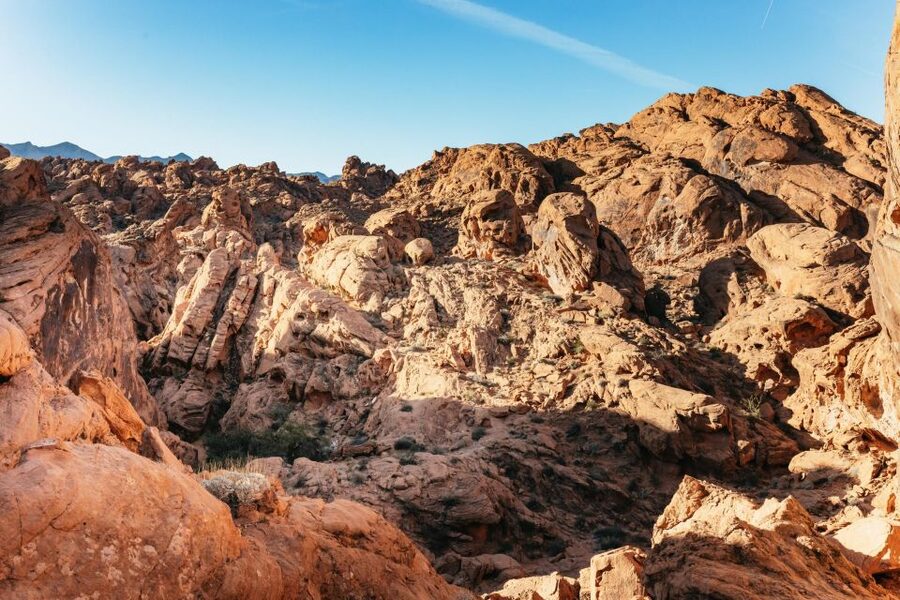
The tour runs about 4 to 6 hours total. That’s a nice window if you want a desert experience but still want time for dinner back in Las Vegas.
Duration can shift a bit depending on which hike level you choose and the day’s conditions. In feedback, people doing moderate often finished early in the morning on comfortable-weather days, which is exactly what you want when you’re hiking.
If you’re sensitive to heat, consider choosing the earliest start you can fit into your schedule.
Who this tour is best for (and who should skip it)
This hike fits best if you:
- Want a guided desert experience with petroglyphs and geology talk
- Like small-group tours (up to 12 participants)
- Want a choice of routes: easy for relaxed viewing, moderate for adventure, difficult for serious hikers
- Prefer not to navigate on your own in a remote-feeling park
It’s not suitable for:
- Children under 8
- Pregnant women
If you’re unsure, lean toward easy or moderate. You can always push harder later—this park isn’t going anywhere.
Price and value: is $129 a good deal?
At $129 per person, you’re paying for the mix that’s hard to replicate cheaply on your own: transportation from Las Vegas, a live guide, and included snacks and drinks—plus the small-group feel.
Here’s why that’s good value for many people:
- You avoid the hassle of driving, parking, and figuring out how to connect the best sights.
- You get guided interpretation of petroglyphs and desert geology, not just photos of red rock.
- The guide can adjust the hike when conditions change, like detours around standing water.
If you’re a confident hiker who loves self-planning, you could technically DIY Valley of Fire. But you’d be giving up the guidance, the route matching to your level, and the hands-on exploration that tends to make this trip memorable.
Final call: should you book this Valley of Fire guided hike?
I’d book it if your ideal Vegas day includes red-rock scenery, petroglyphs, and a route that’s matched to your hiking comfort. The biggest selling point for me is the combination of small group size, real guide-led interpretation, and hike levels that let you control how intense the day feels.
Skip it if you’re not comfortable with uneven footing and occasional scrambling, or if your group doesn’t meet the stated limits (children under 8 and pregnant women). And if you’re heat-sensitive, plan around an early start and take sunscreen seriously.
FAQ
How long is the Valley of Fire guided hike from Las Vegas?
The experience runs about 4 to 6 hours total, depending on the hike level and conditions.
Is transportation included?
Yes. Round-trip transportation is included, with pickup available from most Las Vegas Strip and Downtown properties (you may need to meet at a different hotel than yours).
What hike options are available?
You can choose from easy, moderate, or difficult hikes, each with different terrain and intensity.
What is included in the price?
The tour includes the hiking trip, a live tour guide, transportation, snacks, and drinks.
What should I bring?
Bring sunglasses, a camera, hiking shoes, sunscreen, and a daypack.
Is the tour suitable for children or pregnancy?
Children under 8 are not suitable, and pregnant women are not suitable. Drones are also not allowed.