REVIEW · ARUSHA
7-Day Private Kilimanjaro Hiking Tour via Machame from Arusha
Book on Viator →Operated by Duma Explorer · Bookable on Viator
Kilimanjaro without the slog to the start. This Machame route from Arusha gets you to Machame Gate fast (about 1.5 hours) and then layers in scenery from mossy cloud forest to the high, spare alpine zones.
I like that the pace and planning are built for the mountain, not just the calendar.
Second, I’d call the real win the operational support: porters and cooks meet you from the start, camp setup happens ahead of you, and the company leans on nearly 20 years of leading Kilimanjaro and Meru climbs. That kind of experience matters when altitude turns “easy” into “not easy.”
The main trade-off is that this is the most popular camping route, so you’ll likely share the trail and camps with a lot of other climbers.
In This Review
- Key things to know before you go
- Machame From Arusha: easy access, classic route, and big views early
- Day 1: Machame Gate to Machame Camp through cloud forest
- Day 2: Shira Plateau day—uphill sections, hot sun, and plant changes you can actually see
- Day 3: the acclimatization roller coaster—only ~110 meters up, but you go higher
- Day 4: Barranco Wall to Karanga Valley—hands-on climbing, then green calm
- Day 5: to Barafu Camp—glacier views, cold sleep prep, and summit-wake timing
- Day 6: Uhuru Peak at night—Stella Point is the tough switch
- Day 7: Mweka Gate downhill—forest walking and slippery trail risk
- Private setup plus years of climbing support: what you’re paying for
- Value check: is $2,699 per person a smart deal?
- Who should choose this Machame route (and who should reconsider)
- Should you book this 7-day private Machame climb?
- FAQ
- What time does the Machame climb start from Arusha?
- How long is this Kilimanjaro trek?
- Is this a private tour?
- What’s the hardest part of the climb?
- Do I get glacier views on this route?
- What is the cancellation policy?
Key things to know before you go
- Machame Gate access: You start your trek shortly after a roughly 1.5-hour drive from Arusha.
- Cloud forest to alpine zones: Early trees, later heathers and tall grasses, then high-altitude plants.
- Smart acclimatization: A day with only about 110 meters of gain still sends you to around 4,530 meters before descending.
- Barranco Wall is the day: It’s described as the hardest day segment and you may use your hands.
- Summit push begins at midnight: Headlamp hiking for about six hours, with the steep part ending at Stella Point.
- Finish through Mweka forest: A forest descent to Mweka Gate, with possible slipperiness if it’s rained.
Machame From Arusha: easy access, classic route, and big views early
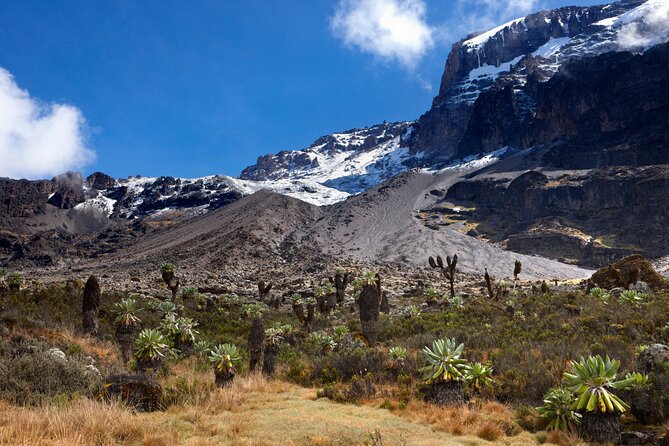
I like this route’s “get going” energy. You leave Arusha at 9:00 am, drive to Machame Gate in about 1.5 hours, then meet your team—guides, porters, and cooks—right where the climb begins. That reduces the scramble factor, especially if you’re still shaking off jet lag.
From there, the route delivers a steady rhythm of changing terrain. Day one alone goes from moss-covered cloud forest into areas where heathers, tall grasses, and wildflowers appear as the trees thin. If conditions are clear, you can even get sharp views toward Kibo Peak—early motivation that helps when the mountain starts taking your breath.
Day 1: Machame Gate to Machame Camp through cloud forest
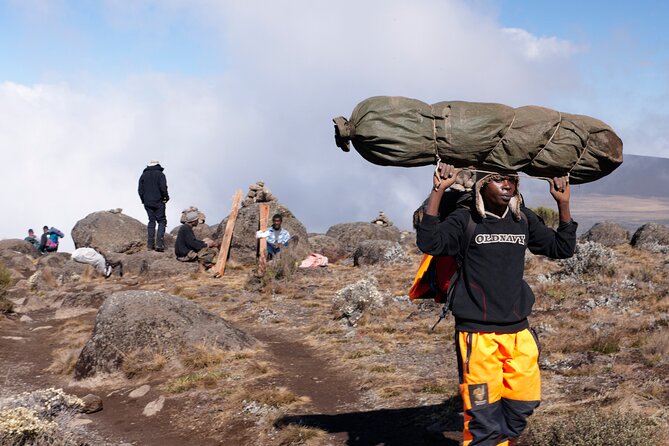
Your first day is about transition. You’ll arrive at Machame Gate, register your climb, and watch your porters and guides get things dialed in. Then you hike toward Machame Camp through that cool, damp-feeling cloud forest—moss, shade, and a kind of quiet you don’t get at higher, windier elevations.
As the hike progresses, vegetation shifts fast. Expect the forest to open up and the mountain to look less like a jungle and more like high-altitude grassland. If you’re lucky with visibility, Kibo Peak shows up as a clear reference point. Camps are prepared before you arrive, so you can focus on walking instead of logistics.
What to watch for: even on day one, don’t assume the air is “easy” just because you’re not that high yet. Cloud forests can feel cooler, but you can still get tired when the body hasn’t found its rhythm.
Day 2: Shira Plateau day—uphill sections, hot sun, and plant changes you can actually see
Day two adds more vertical work. There are “several uphill sections,” and on a clear day it can be hot, so you’ll want to drink steadily. This is also when the mountain starts showing off in a way that isn’t just visual—it’s biological.
You’ll pass viewpoints looking down at plains and forests and up toward Kibo and Mawenzi. Then altitude starts changing the plants. The route specifically calls out Senecio kilimanjari and Lobelia deckenii, which are famous high-altitude species. It’s a good day for paying attention. Seeing those changes helps you understand why acclimatization isn’t “optional.”
After lunch, you climb the Shira Plateau, formed when Kibo’s lava flows filled the Shira crater. That’s a neat reminder that the scenery is shaped by deep geology, not just weather and trail dust.
By the time you reach Shira Camp, the day shifts from effort to recovery. You’ll be relaxing for the rest of the day, which is exactly what you want at this stage.
Possible drawback: day two can feel relentless if you’re carrying too much pace. Slow and steady is the theme. If you feel yourself rushing, that’s usually your body asking for a gentler rhythm.
Day 3: the acclimatization roller coaster—only ~110 meters up, but you go higher
This is one of the most important days because it’s designed for acclimatization. The day ends with elevation gain of only about 110 meters, but it still takes you higher—up around 4,530 meters by early afternoon—before you descend to Barranco Camp.
The hiking starts with a stretch east on the Shira Plateau. You’ll reach the junction where the Shira and Lemosho routes meet, then continue through barren terrain. After lunch, you reach the high point for the day, then descend fairly quickly.
If you’re feeling strong, there’s an optional detour for faster hikers via Lava Tower, described as a 300-foot lava formation jutting out from the mountainside. It can be a rewarding “stretch,” but it also means extra exertion—so don’t treat it like a checkbox.
Why this day matters: this is how the mountain trains you. You go up, you come back down, and your body learns to cope. That learning often shows up later when you’re dealing with longer stretches of thin air.
Day 4: Barranco Wall to Karanga Valley—hands-on climbing, then green calm
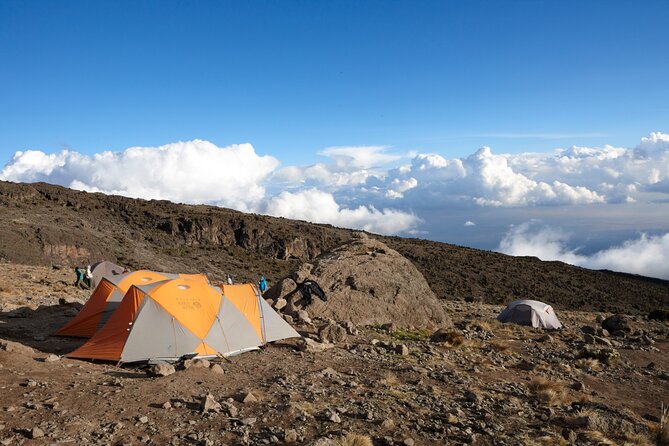
If you ask me which segment most threatens confidence, it’s Barranco Wall. The route describes it as the hardest part of the day, and in some places you may need to use your hands to help climb. That means you’ll want good grip skills and a willingness to slow down when the trail turns steep.
Once you reach the top, the terrain becomes more level for a while. Then you descend into the Karanga River Valley, which is where the route earns its “contrast” points. After days of rock and exposure, that green valley feel gives your mind a breather.
Practical tip: if you’re the kind of hiker who wants to jump into the next downhill too fast, don’t. After a steep wall, you can be clumsy. Keep your steps controlled, especially in any loose footing.
Day 5: to Barafu Camp—glacier views, cold sleep prep, and summit-wake timing
Day five is your setup day for the night push. After breakfast you hike to Barafu Camp. Along the way, you can view several glaciers on Kibo and also notice the junction that connects the descent route Mweka with the Machame trail.
The trek passes alpine desert with little vegetation. But Barafu Camp offers stunning views of Kibo and Mawenzi, and that’s where the reality sets in: you’re close to the top, and the mountain is about to get serious.
Here’s the key emotional planning moment: you’ll finish dinner early and try to sleep, because you wake before midnight for the summit hike. If you’ve ever tried to sleep before an alarm you’re worried about, you know the drill. Build patience into your evening—this is part of the climb too.
A note on glaciers you may spot: the route text specifically mentions Heim, Kersten, and Decken glaciers as you hike through earlier sections. So keep your eyes up mid-trek; those views can be a morale boost when your legs feel like wet noodles.
Day 6: Uhuru Peak at night—Stella Point is the tough switch
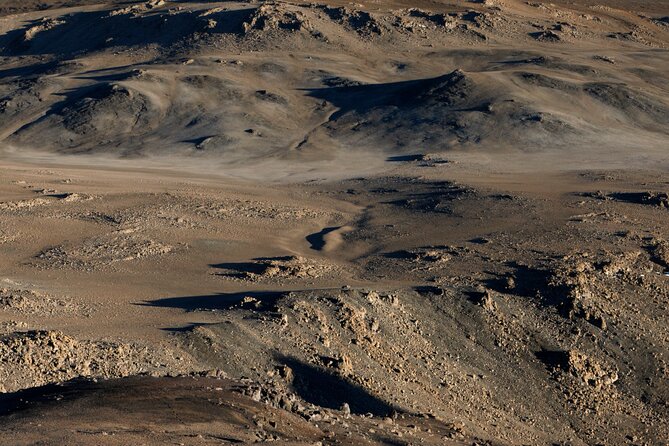
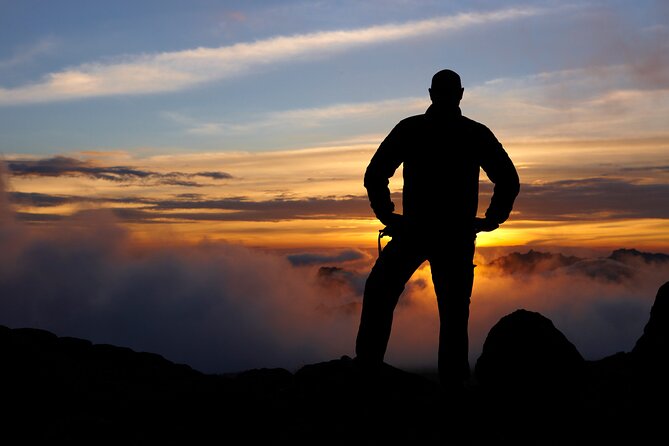
Around midnight, you begin the final ascent to Uhuru Peak. The hike runs for about six hours, and you’ll be using headlamps for the dark stretches. The route notes that the ascent to the crater rim is the most challenging part.
The trail is described as very steep until Stella Point. After that, the hike from Stella Point to Uhuru Peak becomes a gradual climb and is not described as technically difficult. The catch is altitude. The air is thinner, your body works longer, and “not difficult” still feels like hard work.
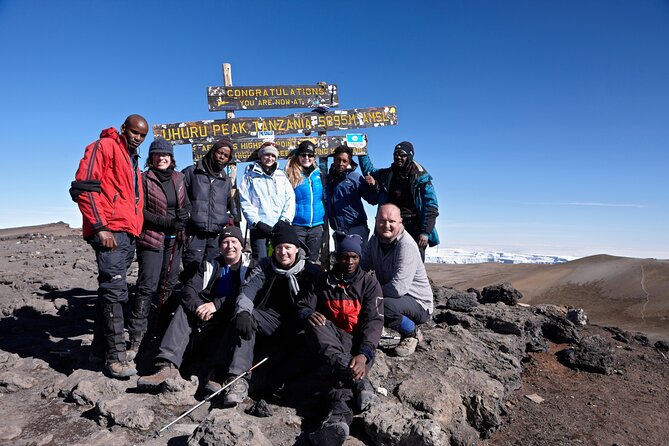
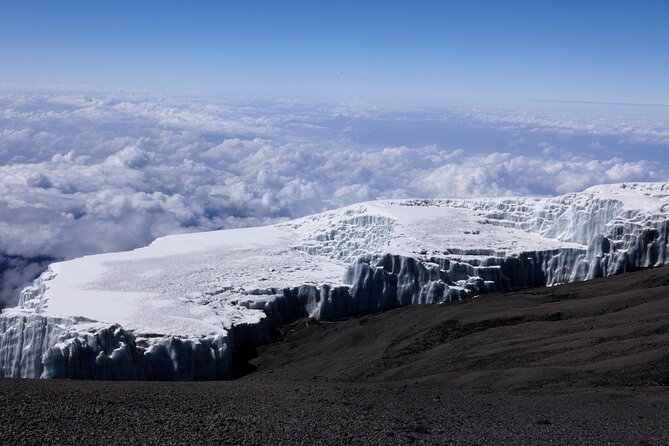
The crater rim hike takes about one hour, then you reach Uhuru for peak photos with your guide and group. After that, you descend to Mweka Camp. On the way down, you get views of the mountain, the crater, clouds, and glaciers—often the kind of views that feel unreal because you earned them the hard way.
What I’d plan mentally: summit day is less about speed and more about rhythm. If you go out too fast early, you pay for it later. Let the night-hike grind do its job.
Day 7: Mweka Gate downhill—forest walking and slippery trail risk
Day seven is the finish line, and it’s a gentler final chapter. After breakfast, you hike through forest to Mweka Gate. The route notes the trail may be slippery after rain, so you’ll want to watch your footing and take the descent seriously.
Once you’re at the lower station of Mweka Gate, vehicles meet you and take you back to Arusha. It’s a satisfying close: you started in the high-bush and cloud forest zones, and you end by easing back down into greenery and regular travel time.
If you’re feeling emotional on this day (it happens), that’s normal. Finishing a trek like this changes how you view effort.
Private setup plus years of climbing support: what you’re paying for
This is a private tour/activity, meaning only your group participates. That matters because your guides can manage pacing and decisions without blending into a huge public group experience.
What I’d call the other value layer is how the company frames its support. It started as a trekking company, has been leading climbs up Kilimanjaro and Meru for almost twenty years, and emphasizes mountaineering support. On a mountain, that isn’t marketing fluff—it tends to show up in smoother planning, better contingency thinking, and attention to the small things you don’t notice until they’re missing.
On the ground, porters and cooks spend the trek with you, and camps are prepared before you arrive. That means less carrying for you and fewer mental tabs to juggle while you’re trying to adjust to altitude.
Also, this route’s popularity means you’ll likely be joined by many other climbers—especially around camps like Barranco Camp, which the route text flags as a favorite among mountain staff. So think “shared adventure,” not “private mountain solitude.”
Value check: is $2,699 per person a smart deal?
At $2,699 per person, this isn’t a bargain. But Kilimanjaro isn’t cheap because the logistics and staffing are real. Here, you’re paying for:
- A guided, private climb format
- A team of guides, porters, and cooks with camp prep ahead of you
- Route planning and the ability to manage the steep, acclimatization-critical parts
- High-end equipment and long-running operational experience
So the value question becomes: do you want to reduce risk and stress by choosing a company that runs this a lot? If you do, the price starts making more sense. If you’re the kind of hiker who wants total DIY freedom and doesn’t care about backup planning, you may feel this is expensive.
My practical take: this price looks more justified for travelers who value a supported summit attempt and a smooth, controlled itinerary—especially given that the summit hike requires dark-hour endurance and a steep crater-rim climb.
Who should choose this Machame route (and who should reconsider)
This climb fits you best if:
- you have strong physical fitness
- you want the classic camping-route feel with day-to-day scenery changes
- you’re okay with the idea of lots of other climbers sharing the path
You might rethink it if:
- you dislike steep, technical-feeling hiking like Barranco Wall
- you get anxious about night hiking, since the summit push begins around midnight and runs for roughly six hours
If you’re traveling with others, “private” can be great for coordination—everyone sticks to the same plan and timing.
Should you book this 7-day private Machame climb?
I’d book it if you want a route with easy trailhead access, clear acclimatization design, and a summit push that’s supported by a company built around the mountain—not just selling a trekking badge.
I’d hesitate if you want quiet camps, or if your fitness level is still building. The route is demanding in the places that matter: Barranco’s steep climbing and the altitude-heavy summit hours.
If you’re making your decision right now, compare your comfort with two realities: the steep crater-rim climb at the end and the fact that you’ll be hiking in the dark with a headlamp. If those don’t sound like fun, you’ll still likely finish—but you’ll want the stronger motivation.
FAQ
What time does the Machame climb start from Arusha?
The start time is 9:00 am. You leave Arusha for Machame Gate and meet your team there.
How long is this Kilimanjaro trek?
It’s listed as 7 days (approx.). The schedule runs from Machame Gate through the final descent to Mweka Gate.
Is this a private tour?
Yes. It’s described as private, so only your group will participate.
What’s the hardest part of the climb?
The hardest part of the day is described as Barranco Wall on day four, with spots where you may need to use your hands. The summit push is also the most challenging overall portion because the ascent to the crater rim is very steep.
Do I get glacier views on this route?
Yes. The route notes views of Kibo’s glaciers, including Heim, Kersten, and Decken, and glacier views during the summit hike and descent.
What is the cancellation policy?
You can cancel up to 3 days in advance for a full refund. If you cancel less than 3 days before the experience start time, the amount paid won’t be refunded.