REVIEW · ARUSHA
6 Days Serengeti Safari(hiking waterfalls &coffee tour)
Book on Viator →Operated by Serengeti African Tours · Bookable on Viator
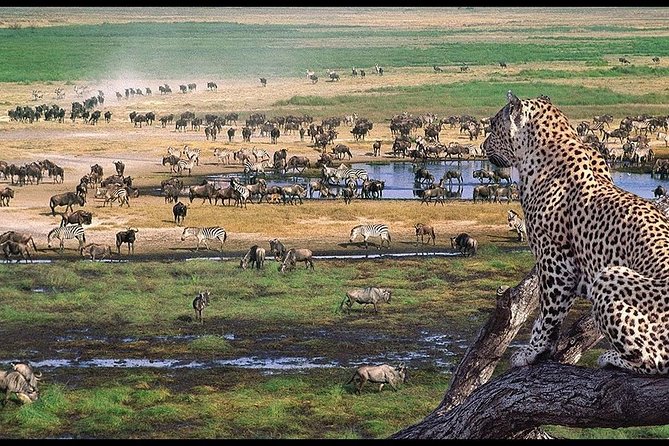
Wildlife shows up fast when you’re in the right vehicle. This 6-day north Tanzania circuit runs with a pop-up-roof safari jeep for up to about 6–7 people, plus a guide/driver and chef (people often mention guides like David and cooks like Matthew). You get two days in Serengeti for the migration season payoff, and a strong start in Tarangire elephants where the herds can be truly impressive.
One thing to plan around: the days are packed with early starts and long drives, and you’ll be camping in tents, so this is best if you’re happy trading comfort for close wildlife time.
In This Review
- Key highlights worth getting excited about
- A small-group north circuit route from Arusha
- Day 1 Tarangire National Park: baobabs, birds, and elephant numbers
- Day 2 Serengeti plus the Ngorongoro viewpoint and optional Maasai stop
- Day 3 Serengeti game drive and the Simba campsite near Ngorongoro
- Day 4 Ngorongoro Crater at 6:15am for black rhino chances
- Day 5 Lake Manyara: flamingoes, hippos, and rare tree-climbing lions
- Day 6 Materuni Waterfalls hike, Chagga culture, and a coffee tour
- Price and logistics: is $1,250 per person good value?
- Who this safari fits best (and who should think twice)
- Should you book this 6-Day Serengeti Safari plus waterfalls and coffee?
- FAQ
- Where does the tour start?
- How many days is the safari?
- What parks and areas are included?
- Is the Maasai village visit included?
- What vehicle do you use for the safari drives?
- How big is the group?
- What’s included in the price?
- What’s not included?
- Is there a coffee stop on the final day?
- Can I cancel and get a full refund?
Key highlights worth getting excited about
- Tarangire’s elephant density: big herds and great odds for sightings
- Serengeti with time to hunt for animals: two days instead of one
- Ngorongoro at dawn: descent timing is set for serious black rhino searching
- Lake Manyara mix of birds and big animals: flamingoes, hippos, plus possible tree-climbing lions
- Materuni waterfalls plus coffee: hike, culture, and a refreshingly different final day
- A small group feel: fewer people in the jeep often helps with viewing quality
A small-group north circuit route from Arusha
This safari is built for people who want real game viewing, not a rushed checklist. You travel in a custom safari jeep with a pop-up roof, and the group stays small, typically up to 6 clients (your exact headcount can vary). You also travel as a team: a guide/driver plus a chef handling the camp rhythm and meals, which matters more than it sounds when you’re moving every day.
The route covers the classic north circuit parks: Tarangire, Serengeti, Ngorongoro Conservation Area (including the crater), and Lake Manyara, then you add a “reset day” in the Materuni area near Moshi with waterfalls and a coffee stop. The value is that you’re not just passing through. You get enough time in each place to make sightings more likely.
Day 1 Tarangire National Park: baobabs, birds, and elephant numbers
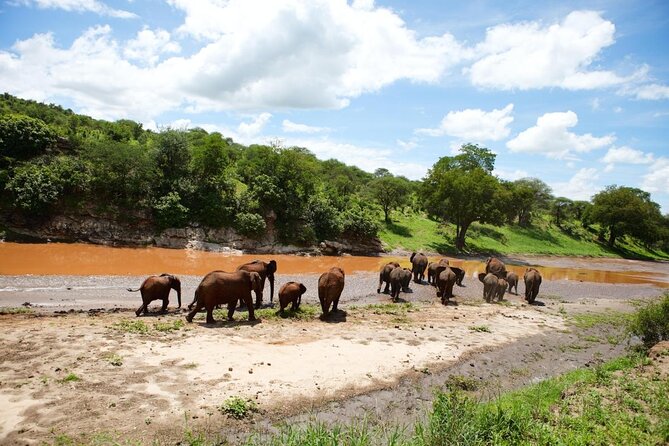
Tarangire is where the safari often hooks you in the first morning. The park is known for savannah and seasonal swamps, plus the giant baobab trees that give the scenery its “this can’t be real” feel. You’ll also see a lot of birdlife, and the park has recorded hundreds of bird species.
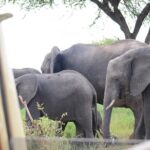
But it’s elephants that make Tarangire famous. The herds can be large, and you’re more likely to get close viewing of these giants here than in many other parks. If you care about getting your elephant fix early, this is a smart day-one anchor.
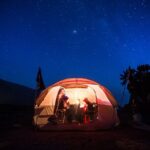
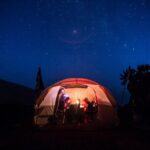
Practical note: you’ll do an extensive game drive, then sleep at a campsite in a tent. The tour includes your sleeping bag, sleeping mattress, and tent setup, so you’re not starting from zero.
Day 2 Serengeti plus the Ngorongoro viewpoint and optional Maasai stop
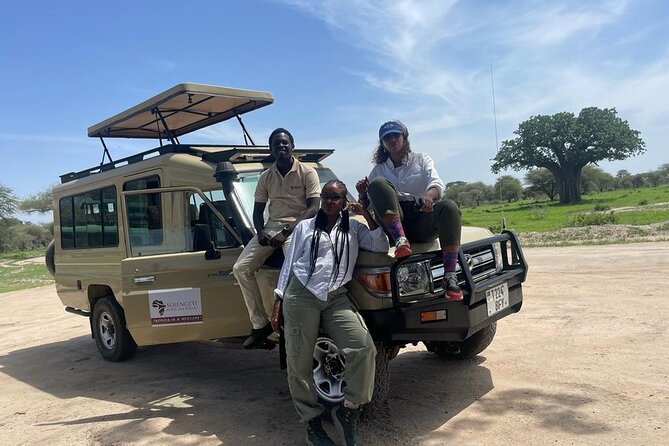
On day two you head toward Serengeti, and along the way you transit through the Ngorongoro area. The plan includes a brief stop at the crater gate and viewpoint so you can get those surreal first looks before you spend real time in the crater later.
When you reach Serengeti, you’re not stuck in traffic or waiting forever to get driving. The focus stays on getting you out on the savannah for wildlife time.
There’s also an optional Maasai village visit connected to the Ngorongoro area. It’s not included in the price and is typically a short stop (often around 20–45 minutes). This is the kind of add-on you should weigh honestly: if your priority is animals and light time in the parks, you can skip it and keep your day moving.
Day 3 Serengeti game drive and the Simba campsite near Ngorongoro
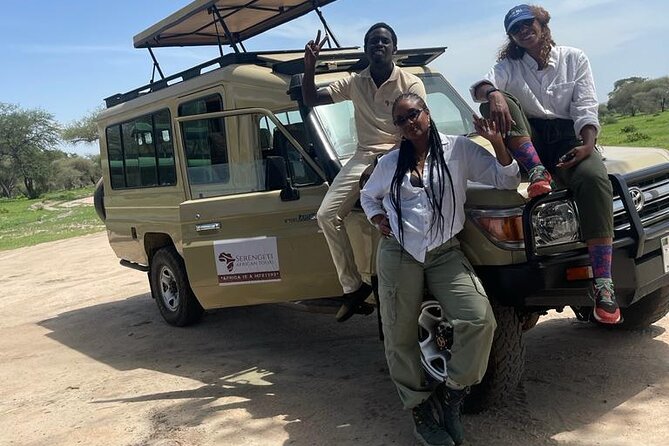
This is your second Serengeti day, and that’s the difference between a “nice safari” and a memorable one. An early breakfast is followed by an early game drive, because in Serengeti the morning hours often bring the best action. Then you continue with more driving into the afternoon before transitioning toward the Ngorongoro side.
That night you sleep at Simba campsite near the crater rim. This is helpful because it puts you in the right position for an early crater start the next morning. You may also spot animals right around the campsites, so don’t treat camp grounds as just sleep space.
If you’re someone who enjoys slow wildlife watching as much as big sightings, the pacing here is a good fit. You’re not rushing from one park boundary to another every hour.
Day 4 Ngorongoro Crater at 6:15am for black rhino chances
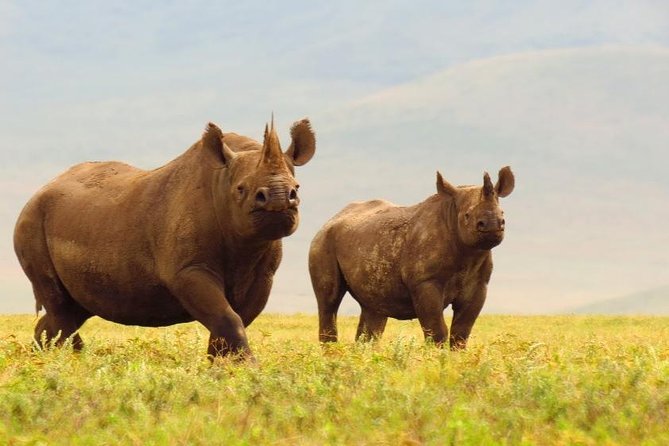
Day four is the one day many people remember months later, mainly because of timing. You descend the crater around 6:15 am with a specific aim: black rhino viewing. In Ngorongoro, rhinos are harder to spot than many other animals, and dawn gives you better odds when visibility and animal movement tend to be in your favor.
The crater is a floor crater, and that affects viewing. Instead of scanning endless distance all day, you can often see animals more readily because you’re working from the crater’s bowl view.
After your morning crater time, you’ll do a game drive and then ascend back out. Then you pack and head toward the Lake Manyara area for the next stop. This day has the most “mission mode” feel, so build your expectations around patience and early mornings.
Day 5 Lake Manyara: flamingoes, hippos, and rare tree-climbing lions
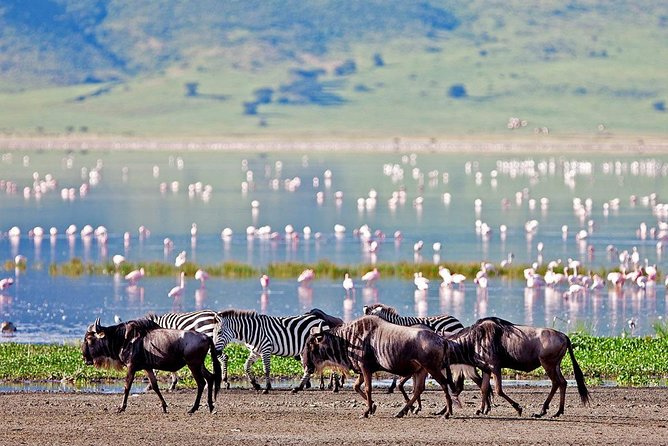
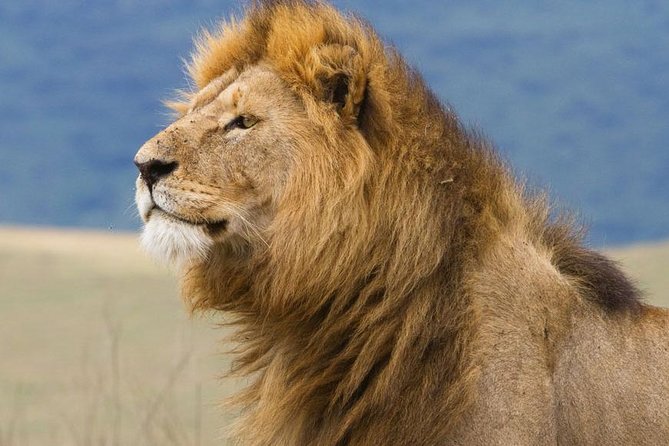
Lake Manyara gives you variety after Serengeti and Ngorongoro. The park is known for flamingoes, and it’s also associated with tree-climbing lions, though those lions are rarely seen in practice. So treat the lion story as a possibility, not a guarantee.
Your game drive covers a broader mix: birds, buffaloes, wildebeest, warthogs, vultures, eagles, and monkeys can show up depending on the day. You can also visit the hippo pool for close views and stop for the hot spring feature that’s associated with the park.
This is the day where your safari brain and your “vacation brain” start to share the steering wheel. You still drive and scan, but there’s more room for relaxing between wildlife moments.
Day 6 Materuni Waterfalls hike, Chagga culture, and a coffee tour
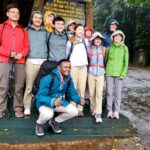
The final day flips from safari game viewing to active travel in the foothills. You’re picked up in the morning and driven to Materuni Village, about 15 km from Moshi. Materuni is tied to the Chagga tribe, and it’s close to Kilimanjaro’s boundary area, which means you may get views of the summit if weather cooperates.
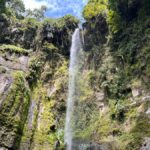
The centerpiece is a hike to Materuni Waterfalls, about a 40-minute walk. The waterfalls are more than 80 meters high, and the plan includes time to enjoy a refreshing dip. Along the way, your guide explains local village life and the surrounding fauna and flora.
The tour name also includes a coffee element, and a Materuni waterfalls and coffee tour is specifically noted as part of the “final day” experience in the feedback I reviewed. So expect coffee-related stops or tasting as part of this day’s culture route, not a separate side trip.
Price and logistics: is $1,250 per person good value?
At $1,250 per person for roughly 6 days, the value depends on what you’d otherwise pay for a similar mix of parks, camping, and meals. Here’s what’s clearly included: park fees, the safari jeep, camping equipment (sleeping bag, mattress, tent), and meals during the safari (breakfast, lunch, and dinner at set points across the trip).
You’re also paying for time in multiple high-demand areas: Tarangire, two full Serengeti days, Ngorongoro with its dawn descent, plus Lake Manyara, then an extra day in Materuni. That’s a lot to pack into a single itinerary, and it’s only worth it if the pacing matches your travel style.
What’s not included is also important: visas, tips, and flights. So budget separately for those, plus your own water and personal spending as needed.
One more value note: the tour is positioned as small-group. In the real world, small groups can mean you get better sight lines and less waiting, especially in places where jeeps cluster.
Who this safari fits best (and who should think twice)
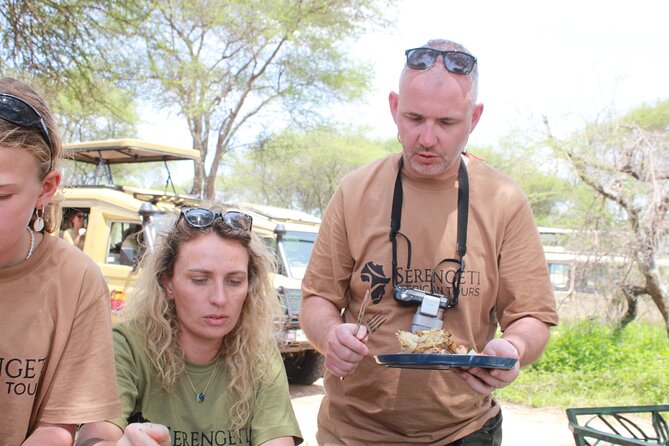
I’d point this one toward you if you want a classic north circuit itinerary with enough time to make good wildlife odds. It’s also a strong match if you like camp travel with actual support: a chef handling the food rhythm and a driver guiding you through the parks with a focus on sightings.
It may be less ideal if you dislike early starts. Day four’s crater timing and the earlier game drives are not gentle. It’s also not a “soft luxury” setup since you’re sleeping in tents.
If you’re planning for a strictly private experience, double-check expectations at booking. The tour is described as a group safari, and in low season it can adjust to smaller or mixed combinations. You might still feel well looked after, but the “just your family” assumption may not always hold.
Should you book this 6-Day Serengeti Safari plus waterfalls and coffee?
Book it if you want the north circuit highlights without cutting corners: elephants in Tarangire, two days in Serengeti, dawn-focused Ngorongoro viewing, and a Lake Manyara day with birds, hippos, and the chance of something special. The small-group format and the driver-and-chef setup are exactly the kind of details that shape the quality of your days.
Pass or at least compare if you need late mornings, predictable comfort, and no camping. Also, if you’re not interested in the optional Maasai village stop, you’ll likely be happier planning to skip it and keep your time focused on wildlife and park driving.
If you’re the type who plans around the morning light and doesn’t mind a bit of grit for a lot of payoff, this itinerary is a very sensible choice.
FAQ
Where does the tour start?
The experience is based in Arusha, Tanzania, with pickup offered.
How many days is the safari?
It’s about 6 days in total.
What parks and areas are included?
The tour includes Tarangire National Park, Serengeti National Park, Ngorongoro Conservation Area (including the crater), Lake Manyara National Park, and a full-day visit to Materuni Waterfalls (near Moshi).
Is the Maasai village visit included?
No. The Maasai village visit is optional and not included in the price.
What vehicle do you use for the safari drives?
You travel in a custom safari jeep with a pop-up roof.
How big is the group?
The tour is described as having a maximum of about 7 travelers, with a small group setup (up to 6 clients noted in the tour description).
What’s included in the price?
Park fees, the safari jeep, camping equipment (sleeping bag, sleeping mattress, tent), and meals during the safari are included.
What’s not included?
Visas, tips, and flights are not included.
Is there a coffee stop on the final day?
The tour is described as including a coffee tour as part of the Materuni day.
Can I cancel and get a full refund?
Yes. You can cancel up to 24 hours in advance of the experience start time for a full refund. If you cancel within 24 hours, the amount paid is not refunded.