REVIEW · ARUSHA
From Arusha/Moshi: Kilimanjaro Hike Marangu Route Day Trip
Book on GetYourGuide →Operated by KILINGE -ADVENTURES · Bookable on GetYourGuide
Rainforest, altitude, and Kilimanjaro in one day. This Kilimanjaro day hike on the Marangu Route is a smart way to experience the mountain without committing to a multi-day trek. You’ll hike from Marangu Gate up through rainforest to Mandara Hut (2,720 m) and come back the same day, with chances to spot Kilimanjaro’s two famous peaks, Kibo and Mawenzi, in clear moments.
I like the day’s structure: an easy-to-follow rhythm with registration and a real trek briefing at the gate, then a steady climb to the hut for a proper break. I also like the human side—an organized setup with a professional guide who focuses on nature and keeps the hike interesting, plus a lunch that people often say was better than expected.
One thing to plan for: this is not a casual stroll. You’ll cover close to 900 meters of elevation gain and loss and you can get cold if the rainforest weather turns wet, so you need solid grip shoes and warm layers.
In This Review
- Key highlights worth knowing
- Marangu Route day hike: what the 8–10 hours really feel like
- Moshi or Arusha pickup and the drive to Marangu Gate (1,870 m)
- Registration, briefing, and the rainforest start: Marangu Gate to Mandara Hut
- Mandara Hut (2,720 m): lunch, Maundi Crater views, and a real breather
- The descent: quicker time, colder air, and why shoes matter
- Kilimanjaro views on a day hike: Kibo and Mawenzi from lower slopes
- Price and value: what $101 includes, and what costs extra
- What to bring for Marangu: shoes, gloves, and cold-rain reality
- Who should choose this Marangu day trip (and who shouldn’t)
- Should you book the Marangu Route day hike from Moshi/Arusha?
- FAQ
- How long is the Kilimanjaro Marangu Route day hike?
- Where does the hike start?
- How long is the hike to Mandara Hut?
- How long does the descent take?
- Is the national park fee included?
- What’s included in the price?
- What’s not included?
- What time is pickup from Arusha?
- What restroom facilities are available at the park?
- What gear should I bring?
- Do they speak English?
- Is pay later and free cancellation available?
Key highlights worth knowing
- Marangu Route pacing: a full 8–10 hour out-and-back with a rainforest climb to Mandara Hut
- Mandara Hut break: picnic lunch at 2,720 m and time to breathe before the descent
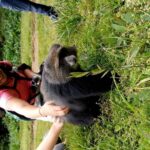
- Wildlife spotting: you might see monkeys such as blue and colobus types along the trail
- Maundi Crater stop nearby: viewpoints that can show Kenya plain views and Kilimanjaro peak silhouettes
- Guide-led nature talk: guides focus on what you’re seeing, not just where you’re walking
- Plan for the cold-rain combo: wet trail + lower temps can catch people in weak footwear
Marangu Route day hike: what the 8–10 hours really feel like
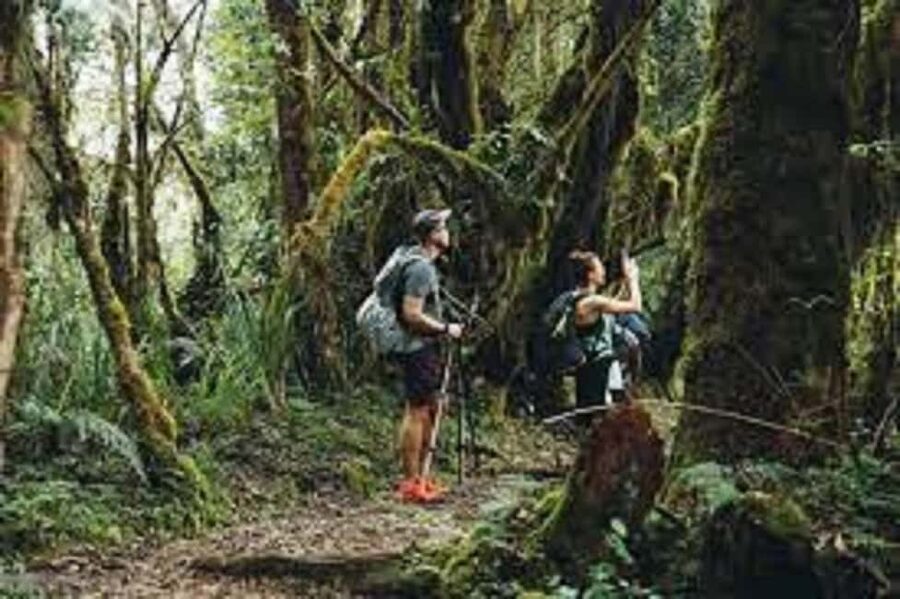
A Kilimanjaro day hike sounds simple until you’re walking uphill in rainforest and realizing you still have the full descent waiting for you. This trip runs about 8–10 hours total, and it’s designed as an out-and-back experience—up to Mandara Hut, then back down the same way.
The climb is the main effort. Expect roughly 3–4 hours from Marangu Gate to Mandara Hut, then 2–3 hours down. Even if the altitude isn’t extreme compared to higher routes, you’re moving for a long time, so a calm pace matters.
If you’re the type who gets cold easily, know this: the lower zones can still feel chilly when rain rolls in. The trails can be slick, too. The people who feel happiest on this hike are usually the ones who arrive prepared for wet weather and don’t underestimate how long it takes.
Moshi or Arusha pickup and the drive to Marangu Gate (1,870 m)
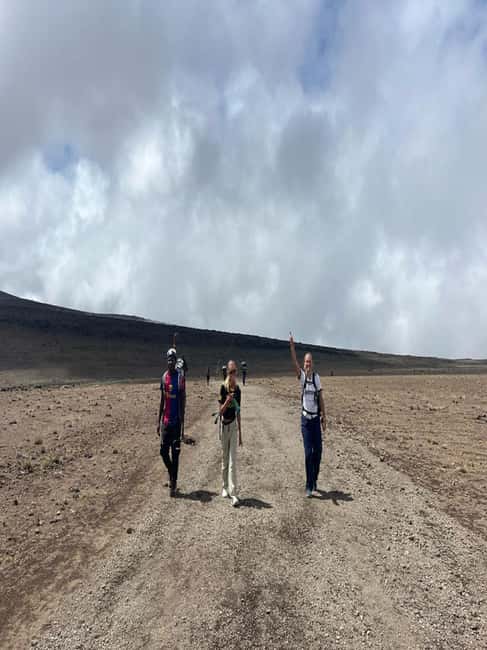
Your day starts early with a hotel pickup in Moshi or Arusha. If you’re beginning in Arusha, the listed pickup time is 6:00 am, which means you’ll want to be ready to go before your brain wakes up properly.
From Moshi, the experience includes the transfer from your hotel to the gate. If you start in Arusha, there’s not an included Arusha-to-Moshi transfer fee—so budget time and money for getting into the Moshi area first.
The drive is part of the day’s value. It gets you off the routine of town life and into the Kilimanjaro landscape while the morning is still cool. It also means you arrive at Marangu Gate (1,870 m) with enough time to handle the paperwork and get your gear sorted before walking begins.
Registration, briefing, and the rainforest start: Marangu Gate to Mandara Hut
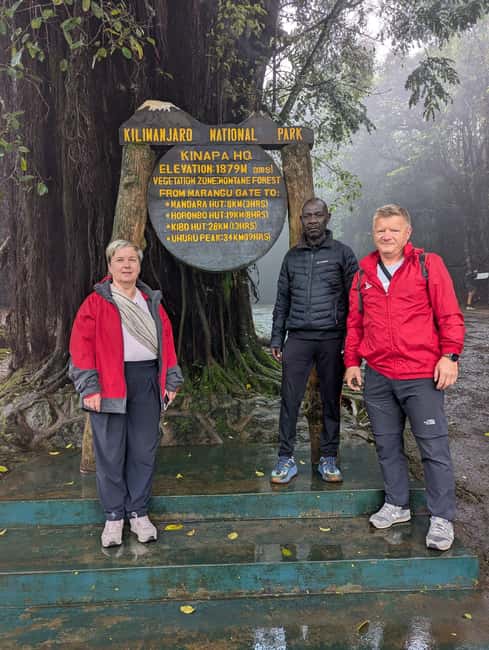
At Marangu Gate (1,870 m), you’ll do registration and get a trek briefing from your guide. This matters more than it sounds. It’s the moment you learn how the day will run, what to watch for on the trail, and how to pace yourself for a long, wet, forested hike.
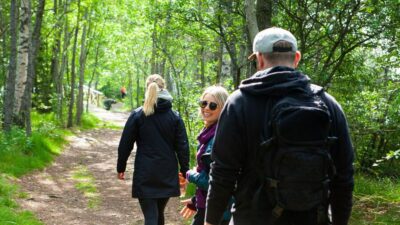
Then you start into the rainforest zone, where the trail feels more like walking through a living tunnel than hiking on open paths. You can expect dense forest, big trees, and active birdlife. If you enjoy wildlife watching, this is one of your best chances—people often mention seeing monkeys, including blue and colobus types.
The climb itself is described as relatively gentle compared to steeper routes, but it’s still uphill. A helpful way to think about it: this is a long day on your legs, not a short workout you can rush.
The hike time to Mandara Hut (2,720 m) is about 3–4 hours. On a good day, you’ll settle into a steady rhythm. On a wet day, that same rhythm becomes about balance—slow steps, good footing, and keeping your feet warm.
Mandara Hut (2,720 m): lunch, Maundi Crater views, and a real breather
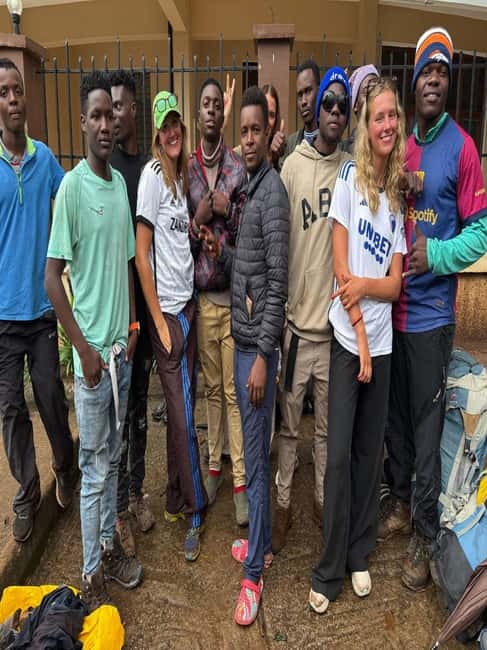
Reaching Mandara Hut is where the day stops feeling like pure work and starts feeling like an experience. You’ll arrive for a break and a picnic lunch, typically served in a calm, scenic setting at around 2,720 m.
This is also the point where you can reset for the descent. If you rush through the middle of the day, the downhill will feel harder than it needs to. Taking 20–40 minutes to eat, regroup, and cool down from the climb makes a real difference.
There’s often time to explore the area and visit the nearby Maundi Crater, which can offer striking views—especially when visibility is good. People like this stop because it shows Kilimanjaro from a different angle than you’re used to: you’re higher than the rainforest below, with a wider sense of what’s around you, including distant plains and mountain silhouettes.
Restrooms are on-site, and one practical detail to know: they can be Turkish-style toilets. That’s easy to overlook until you need it, so plan accordingly if you’re picky about comfort.
The descent: quicker time, colder air, and why shoes matter
When you turn back toward Marangu Gate, the pace usually speeds up. The descent is typically 2–3 hours, retracing your trail through the rainforest.
That faster timing can fool you. Going down uses different muscles, and wet ground makes it easy to lose footing. This is where a lot of comfort depends on what you wear.
I’d treat footwear as your number-one gear choice for this route. Some people end up slipping because they chose less grippy shoes or lighter footwear that didn’t handle the rain well. If your shoes don’t have good grip and your socks or layers get soaked, the cold can hit fast.
Plan for the descent to feel about control, not speed. Slow down, keep your weight centered, and use a trekking rhythm that avoids big leaps on slick sections.
Kilimanjaro views on a day hike: Kibo and Mawenzi from lower slopes
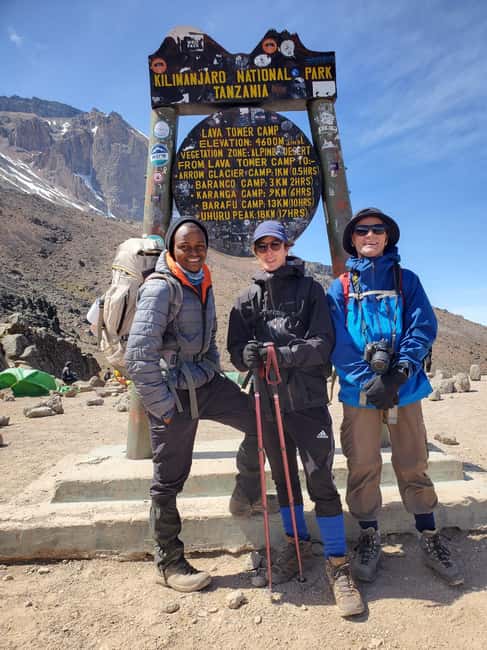
You’re not chasing the highest altitude on this route, so the goal isn’t dramatic summit panoramas at any cost. Instead, you’re aiming for those moments when the clouds thin and Kilimanjaro’s silhouette shows up clearly.
This day hike is promoted specifically for scenic views of Kibo and Mawenzi. In practice, those peaks are most visible when the weather is cooperative. You’ll often see more from viewpoint breaks and clearer moments rather than the entire hike being peak-perfect.
So go into it with a flexible expectation. If the day starts foggy, don’t assume the views are impossible—rainforest hikes can clear in waves. If you get a window of visibility near the hut or nearby crater area, you’ll understand why people say the day is worth it, even though it’s long.
Price and value: what $101 includes, and what costs extra
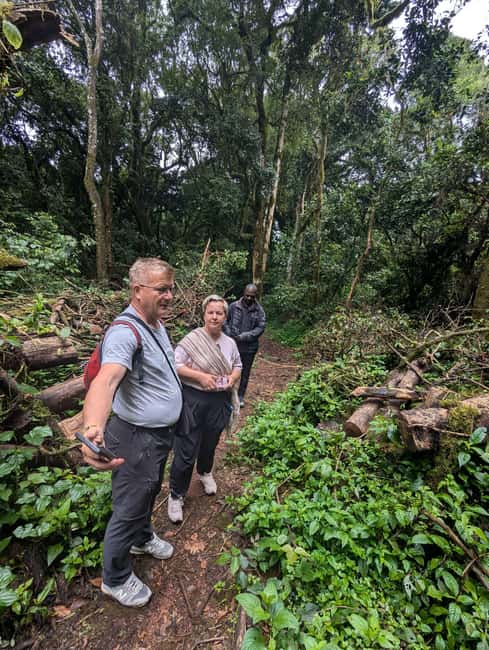
The listed price is $101 per person, but the value depends on what’s included and what you still need to pay.
Included:
- Transfer from the hotel in Moshi to the gate
- Professional tour guide
- Lunch
- Drinking water
Not included:
- National park fee
- Transfer fee from Arusha to Moshi
- Travel insurance
- Alcoholic beverages
- Hiking poles
- Water bottles
Here’s the practical way to judge value: you’re paying for a guided, organized day with transport and a meal at altitude. If you’d otherwise figure out the guide, the timing, and the entry logistics yourself, this package can be a straightforward deal.
Still, the park fee is the big extra variable. National park fees are not included in the $101, and one reported point of confusion involves how group members pay at the gate. If you’re hiking with friends, it’s smart to coordinate payment plans before you arrive at the gate so you don’t end up trying to solve it last minute.
What to bring for Marangu: shoes, gloves, and cold-rain reality
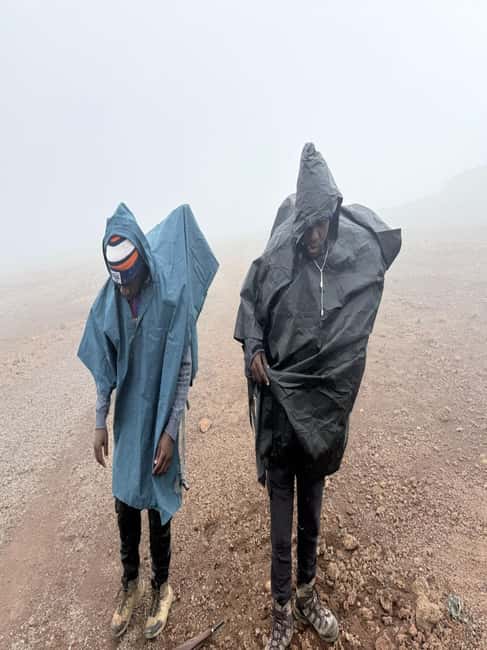
This is a rainforest hike with long hours, so pack like you expect damp weather and cooler air than you’d guess from the word Kilimanjaro. The basics that are specifically recommended include:
- Hiking shoes
- Gloves
- Trekking gear
Also, pay attention to what is not provided. Hiking poles and water bottles aren’t included, though you do get drinking water. If you prefer your own bottle system, bring one. If you like trekking poles for stability on wet descent sections, bring your own rather than counting on rentals.
Clothing-wise, think layers. The people who feel most comfortable on the day tend to have enough warmth for the cold moments, especially when tropical rain rolls in and the air cools down.
Who should choose this Marangu day trip (and who shouldn’t)
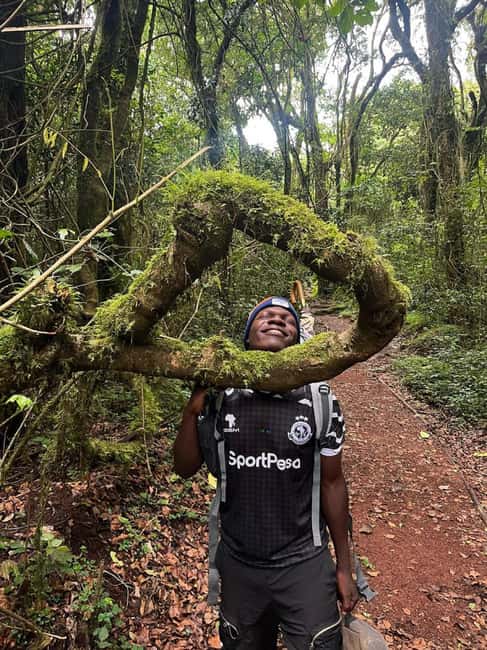
This is a great choice if you:
- Want a Kilimanjaro hike experience without a multi-day commitment
- Enjoy rainforest hiking and wildlife watching
- Have one workable day and want a guided plan with lunch and transport
You should reconsider if you:
- Struggle with long hikes or expect a light walk
- Don’t have grippy shoes for wet conditions
- Get easily cold and don’t want to manage layers
The route is often described as requiring a good level of physical fitness, so be honest about your stamina. A slow steady pace works best, but you still need the endurance for a full day.
Should you book the Marangu Route day hike from Moshi/Arusha?
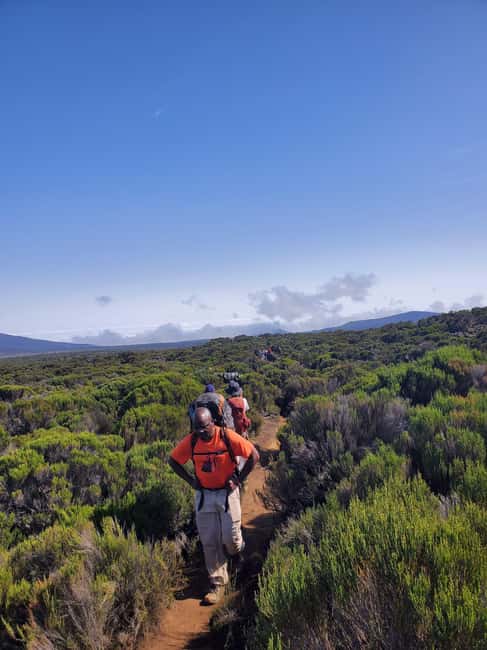
If you want Kilimanjaro in one day, and you’re okay with a long, organized hike through rainforest, I think this is a solid bet. The structure is clear, the guide role is real (not just a stamp-and-go), and the lunch break at Mandara Hut turns the long hours into something you can actually enjoy.
Book it if you’re prepared for slick trail conditions and bring proper footwear and layers. Don’t book it if you’re hoping for an easy stroll or if you hate the idea of damp, cooler weather outdoors.
FAQ
How long is the Kilimanjaro Marangu Route day hike?
The hike takes about 8–10 hours total, including the ascent and descent.
Where does the hike start?
You start at Marangu Gate (1,870 meters).
How long is the hike to Mandara Hut?
The hike from Marangu Gate to Mandara Hut (2,720 meters) takes about 3–4 hours.
How long does the descent take?
The descent back to Marangu Gate takes about 2–3 hours.
Is the national park fee included?
No. The national park fee is not included.
What’s included in the price?
The experience includes transfer from your hotel in Moshi to the gate, a professional tour guide, lunch, and drinking water.
What’s not included?
Not included are the national park fee, Arusha to Moshi transfer fee, travel insurance, alcoholic beverages, hiking poles, and water bottles.
What time is pickup from Arusha?
Pickup from Arusha is listed as 6:00 am.
What restroom facilities are available at the park?
Restrooms are described as Turkish-style toilets.
What gear should I bring?
Bring hiking shoes, gloves, and trekking gear. Hiking poles and water bottles are not included.
Do they speak English?
Yes, the tour language is English.
Is pay later and free cancellation available?
It offers Reserve & Pay Later, and you can cancel up to 24 hours in advance for a full refund.