REVIEW · ARUSHA
4 days Best experience Kilimanjaro Hike, Serengeti &Ngorongoro
Book on Viator →Operated by Dancing Simba Safaris · Bookable on Viator
Four days, three big draws: wildlife, crater, hike. This itinerary stitches together Serengeti and Ngorongoro with a hands-on day in Materuni near Kilimanjaro, plus a soak at Chemka hot springs. I love how it mixes classic game drives with a real walking day, and I also like the practical, camping-style rhythm that keeps you close to the action. The main drawback to plan around is time on the road and early starts, especially if you’re hoping for an easy pace.
I also appreciate the value feel: a private safari setup, a safari jeep with a top for better spotting and photos, camping equipment, and meals and drinking water built into the days in the parks. You’ll sleep outside during the safari nights (camping sites on the Serengeti and Ngorongoro rim), so it’s not a “hotel every night” trip. If you want five-star comforts, you might need to adjust expectations.
Altitude and effort are the other thing to consider. Day 1 includes trekking up to about 2,500m above sea level in the Materuni area, which is doable for many people but not for everyone. Bring a decent day-hike mindset, and you’ll get far more out of the views and the cultural stops.
In This Review
- Key highlights that make this 4-day Kilimanjaro and Northern Safari combo worth your attention
- The big-picture flow: from Arusha height to Serengeti safaris to Ngorongoro’s crater stage
- Day 1 in Materuni: trek toward 2,500m, coffee tour, then Chemka hot springs
- Serengeti National Park: an evening game drive and a Seronera camp overnight
- Ngorongoro Conservation Area: Maasai coexisting with wildlife on a volcanic rim
- Crater day: descending into Ngorongoro for Big Five viewing and more
- Camping, food, and comfort: what’s included and what to expect in the tented nights
- Guides, communication, and how to get more out of each game drive
- Value and what this package covers (and what you’ll pay separately)
- Who should book this 4-day Kilimanjaro hike plus Serengeti and Ngorongoro safari
- Should you book this tour? My straight answer
- FAQ
- How long is this 4-day tour?
- Where does the tour start?
- What wildlife destinations are included?
- Is the tour private?
- What activities happen on Day 1?
- What meals and drinks are included?
- Are safari jeeps and camping equipment included?
- Can I cancel for a full refund?
Key highlights that make this 4-day Kilimanjaro and Northern Safari combo worth your attention
- Materuni trek to ~2,500m plus a coffee tour with a local guide, not just a quick photo stop
- Cheka/Chemka hot springs where you can swim in warm-and-cool natural pools
- Serengeti evening game drive from the Arusha side of the circuit, ending with an overnight at Seronera camp
- Ngorongoro Conservation Area as a shared animal-and-Maasai grazing space, with a chance to learn about the volcanic setting
- Crater descent for Big Five viewing from the natural sanctuary of the crater floor
- Private group experience with your own safari jeep setup, not a crowded joiner scramble
The big-picture flow: from Arusha height to Serengeti safaris to Ngorongoro’s crater stage
This is a tight 4-day plan that hits three Tanzanian “musts” without pretending they’re close together. You’ll begin in Arusha, spend Day 1 in the Materuni area (trek + coffee + hot springs), then move straight into safari mode for Serengeti and the Ngorongoro Conservation Area.
What makes the flow work for you is pacing: Day 1 is active and cultural, then the next three days are built around daylight for wildlife. The safari drives are long enough to matter, but the itinerary also tries to place you near where you’ll sleep so you don’t waste every evening stuck on the road.
One more practical note: this is a private tour/activity, so your group’s timing and questions get attention. That matters on a safari, where small changes in the morning schedule can mean better viewing.
Day 1 in Materuni: trek toward 2,500m, coffee tour, then Chemka hot springs
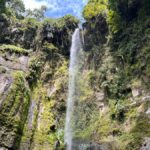
Day 1 starts with trekking from Materuni Village up to around 2,500m above sea level. Even if you’re not chasing altitude records, this hike can feel like a mini-adventure: cooler air, steady climbing, and the payoff of big views once you reach higher points. Plan to go slower than you would on flat ground and keep water handy.
The coffee tour is a big part of why this day feels more than just exercise. You’ll be guided through the local process in Materuni, then you’ll get hot traditional food as part of the experience. It’s the kind of stop that helps you understand where the scenery around you comes from—farmland, local livelihoods, and daily routines tied to agriculture.
Then comes the reset: Chemka hot springs. You’ll get time to experience nature pools with clean water—warm on one side and cooler on the other—so you can choose how your body feels. It’s a smart pairing after trekking because it turns “sore muscles” into “at least I can move again.” If you hate being cold, you’ll probably spend more time in the warm areas, but it’s nice that you can switch up.
Logistics-wise, you end the day back in Arusha and head to Graceland hotel for the night. That’s helpful if you want a more normal bed before two safari camping nights.
Serengeti National Park: an evening game drive and a Seronera camp overnight
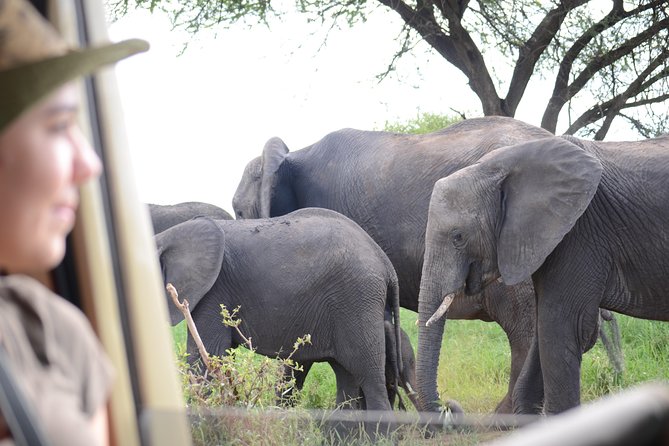
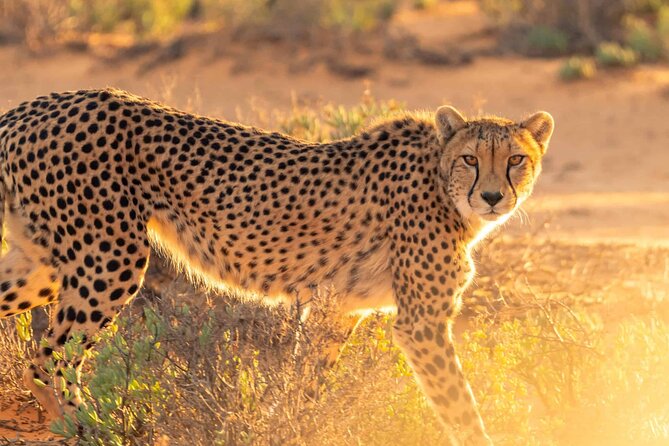
After breakfast on Day 2, you depart around 8:00am for direct Serengeti National Park, carrying a lunch box. You’ll arrive later afternoon, then enjoy about two hours of game viewing in the evening.
This timing is practical. Evening light in Serengeti can be excellent for animal activity, and it also gives you a calmer start rather than racing straight into the park from sunrise. You’ll still get meaningful time on the ground, then the day ends with a drive to your tented camp for dinner and overnight at Serengeti Seronera camp.
Why this works for you: it keeps expectations realistic. In a short safari, you’re not trying to do everything at once. You’re aiming for good sightings in a focused block of time, then using the night to sleep close to the area so the next day doesn’t feel like pure transit.
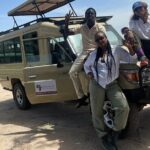
Also, you’ll be traveling with a safari jeep that has a top roof setup. That helps with visibility when you need to track animals across open plains—especially for people shooting photos or just trying to see what the driver is spotting.
Ngorongoro Conservation Area: Maasai coexisting with wildlife on a volcanic rim
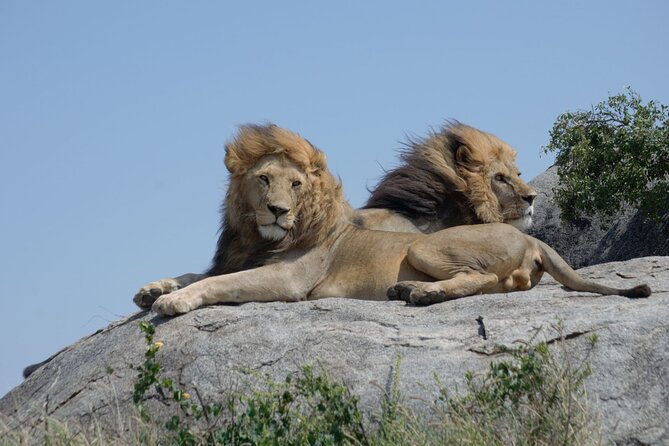
Day 3 shifts from Serengeti to the Ngorongoro Conservation Area, and it’s worth understanding the difference. This area is managed as a conservation zone where animals and local Maasai communities coexist, including cattle grazing alongside wildlife. That’s not just trivia—it changes the feel of the drive. You’ll have a chance to glimpse something of Maasai way of life while you head toward the crater.
You start with an early morning game drive before entering the Ngorongoro Conservation Area. Then you’ll stop at the entrance gate, where you can learn more about the volcanic landscape. From there, the plan is to drive around the rim of the crater itself.
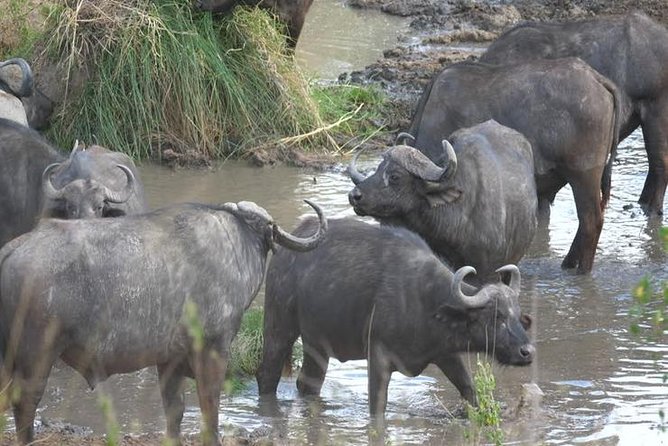
From the rim, you look down and can see herds—wildebeest and buffalo are specifically mentioned as possible sights. Even if you don’t see the full “television” scene instantly, the crater rim view is one of the reasons Ngorongoro earns that famous reputation. It’s like a natural amphitheater, and the geology shapes where animals gather.
You’ll wrap the day with dinner and overnight at the NgoroNgoro crater rim simba camping site. Staying on the rim matters because it saves driving time and helps you position for the next morning descent.
Crater day: descending into Ngorongoro for Big Five viewing and more
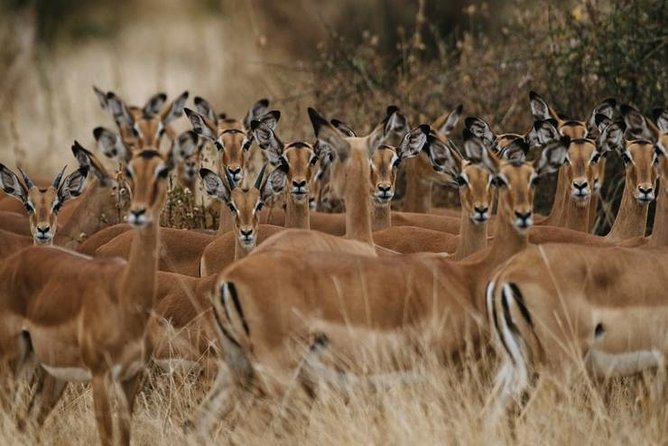
Day 4 is the payoff: after breakfast, you descend into the crater. This is the part where the crater walls do their work. They create a natural sanctuary, and that often means more consistent wildlife viewing because animals concentrate in the crater’s sheltered environment.
Here’s what you can aim for based on the itinerary’s focus: the Big Five, including lions, elephants, buffalo, rhino, and leopard. You also have a chance to spot hippos, hyenas, and flamingos. The exact mix depends on season, timing, and luck, but the crater is designed for sightings, and the schedule puts you on the right stage.
If you’re into animal behavior, Ngorongoro can feel like an “ecosystem all in one place” day. You might see animals near water sources, along open grass sections, or moving through areas where the crater conditions make them comfortable. The best advice I can give is to stay patient at each stop. On a short safari, your best odds come from careful scanning rather than rushing from point to point.
Camping, food, and comfort: what’s included and what to expect in the tented nights
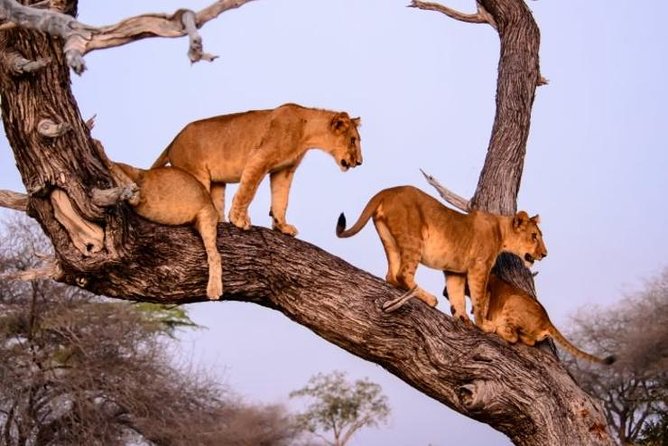
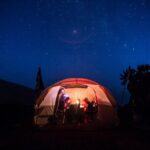
One of the smartest parts of this tour is that it doesn’t pretend you’re doing a luxury city trip. Camping equipment is included, and you’ll have tented camp nights at Serengeti Seronera camp and at the NgoroNgoro crater rim simba camping site.
Food is included in a way that matches the schedule: breakfasts (for all four mornings), lunches (for the days you’re on the move), and dinners (three dinners). Drinking water is included too. That means you’re not constantly budgeting for meals during the long park days, which can otherwise eat into your time and energy.
In terms of comfort, your biggest “unknown” isn’t the quality of the safari—it’s what your body thinks about sleeping in camp. If you’re sensitive to temperature changes at night, bring layers. If you’re fine camping-style sleep, you’ll likely find that the tented nights make the safari feel more real and more connected to the parks.
Also, the itinerary explicitly keeps you with a safari jeep that has a top roof. For me, that kind of detail is the difference between good viewing and missing the action.
Guides, communication, and how to get more out of each game drive
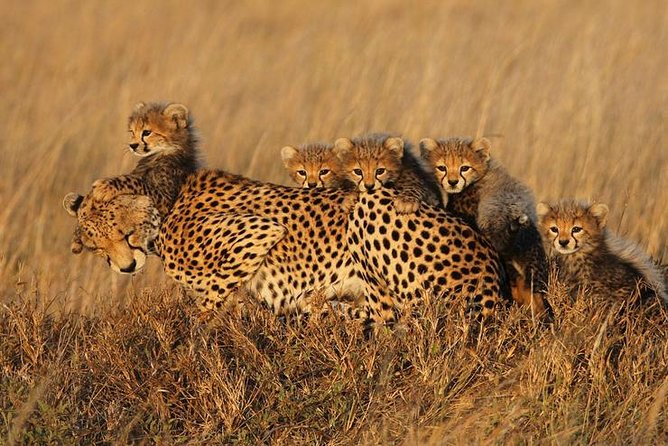
Even with a perfect route, your safari experience depends on how well you can read what’s happening in front of you. This is where guides make a visible difference. Names that show up in operator experience include Ezra, Mathew, Michael, and even Bulldozer as a guide for some departures.
The consistent theme with those named guides is wildlife explanation—how ecosystems work, what animals tend to do, and why certain areas get more sightings. If you ask practical questions, you’ll get more than a basic summary. For example:
- Ask what to watch for in the next hour (not just the next day).
- Ask why the driver is stopping where they are.
- Ask what behavior signals feeding, resting, or moving.
Since the tour is private, you can usually request that the guide slows down when you want to look longer. That turns “two hours of game viewing” into something you remember, instead of a rushed pass.
One more helpful operational point: the company’s communication is repeatedly described as responsive, and there’s even mention of airport transfer being available in some cases. If you have language needs (one client report notes a French guide was provided when requested), contact the operator ahead of time so they can try to match your preferences.
Value and what this package covers (and what you’ll pay separately)
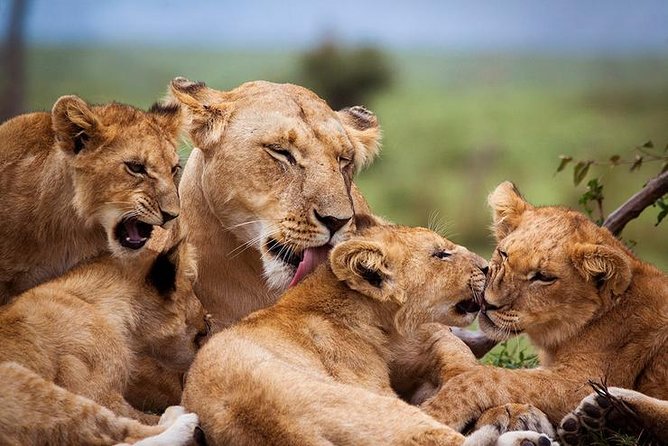
You’ll notice “price” shown here is $0.00. That looks like a display placeholder, so double-check the final cost at booking. Still, the included items tell you how the package is meant to be priced and what you’re getting for your money.
Here’s the value logic: you’re paying for multi-day park access and a full movement plan across Arusha, Serengeti, and Ngorongoro. In addition, you get:
- Private safari adventure
- Camping equipment
- Safari jeep with top up roof
- Meals and drinking water across the safari days
- Dinner and breakfast structure built into the overnight camping stops
What’s not included is also clear: tipping, flights, and personal items. Tipping is a normal safari reality, but it’s good to plan your budget so it doesn’t surprise you at the end. Personal items are usually where people overspend later—things like extra snacks, drinks, laundry, or convenience purchases.
So is it good value? If you want a short, focused route that hits Serengeti + Ngorongoro and also gives you Kilimanjaro-area hiking and hot springs on Day 1, this kind of bundled plan can be a strong deal versus booking everything separately.
Who should book this 4-day Kilimanjaro hike plus Serengeti and Ngorongoro safari
This tour is best for you if:
- You want big wildlife targets (including Big Five chances) without dedicating a full week
- You’re okay with camping nights and more “adventure” than “resort”
- You want Kilimanjaro-area culture and activity, not only safari drives
- You prefer a private setup so your group’s questions and pace matter
You might want to choose something else if:
- You’re not comfortable trekking up toward 2,500m
- You strongly dislike early mornings or long driving days
- You need hotel-style comfort for every night
Should you book this tour? My straight answer
If your goal is a compact Tanzanian highlight run—Materuni trek, coffee tour, Chemka hot springs, then Serengeti and Ngorongoro for serious wildlife viewing—this is a sensible match. The itinerary tries to maximize daylight for animals and keeps you sleeping close to where the action is, which is exactly what you want on a short schedule.
I’d book it if you like the idea of combining walking + soaking + safari drives in one trip, and you’re fine with tented nights. If you’re chasing a super easy pace or you expect a full luxury hotel circuit, you’ll probably feel the difference quickly.
If you decide to go, do one simple thing that pays off: ask your operator about your group’s pace for the Materuni hike and confirm what camping night comfort will feel like for you—then you’ll arrive ready, not surprised.
FAQ
How long is this 4-day tour?
It runs for about 4 days.
Where does the tour start?
The experience starts in Arusha, Tanzania.
What wildlife destinations are included?
You visit Serengeti National Park and the Ngorongoro Conservation Area.
Is the tour private?
Yes. It’s listed as a private tour/activity, and only your group participates.
What activities happen on Day 1?
You trek from Materuni Village up to about 2,500m above sea level, enjoy a coffee tour with a local guide and hot traditional food, and visit Chemka hot springs to swim in the natural pools.
What meals and drinks are included?
Meals and drinking water are included. The package lists breakfasts (4), lunches (4), and dinners (3), plus drinking water.
Are safari jeeps and camping equipment included?
Yes. You get a safari jeep with a top up roof and camping equipment.
Can I cancel for a full refund?
You can cancel up to 24 hours in advance for a full refund. If you cancel less than 24 hours before the start time, the amount you paid is not refunded.