REVIEW · ARUSHA
Private Full Day Hiking Experience to Marangu Route
Book on Viator →Operated by Serengeti Wildlife Safaris · Bookable on Viator
A hut stop is the best Kilimanjaro test. For one long day, you hike part of the famous Marangu route, reach Mandara Hut, then head back down without signing up for the full multi-day trek. You start with pickup in Arusha and get registered properly before your boots hit the trail.
What I like most is the private setup, so your timing and pace feel yours. I also love that lunch is built in, with a relaxed picnic feel while you’re still moving.
The one drawback to keep in mind: this is still a hike. If cloud cover rolls in, the big Kilimanjaro views can be less dramatic, and the effort won’t disappear just because it’s shorter.
In This Review
- Key highlights at a glance
- Why the Marangu day hike makes a smart Kilimanjaro test
- Arusha pickup and the Marangu Gate start: less chaos, more hiking
- The trek to Mandara Hut: what the climb actually feels like
- A quick reality check on pace
- Picnic lunch en route: fuel plus a reason to breathe
- The Mandara Hut rest and slow descent: where the day gets real
- Getting back to Arusha: the ride, the beer, and the let-down-proof finish
- Price and value: is $260 worth it for 7 hours on Kilimanjaro?
- Who this hike suits best (and who should rethink)
- What to bring so your day doesn’t get derailed
- Should you book the Private Full Day Hiking Experience to the Marangu Route?
- FAQ
- How long is the Marangu route private day hike?
- Where does the tour start?
- Does this hike include Mandara Hut?
- Is lunch included?
- Is drinking water provided?
- Are pickup and transport included?
- Are admission tickets included?
- What fitness level is required?
- Do I need my Visa?
- Are tips included in the price?
Key highlights at a glance
- Mandara Hut turnaround: the day is designed to let you experience the mountain rhythm early
- Registration before you climb: you handle the official gate steps first, then start trekking with less stress
- Picnic lunch on the trail: fuel that feels part of the experience, not an afterthought
- Unlimited drinking water: you’re not constantly thinking about refills
- Comfort on the way back: driver waiting, relaxing ride, and that Kilimanjaro beer moment
- Moderate-fitness friendly approach: a good “try Kilimanjaro” option if you’re assessing your readiness
Why the Marangu day hike makes a smart Kilimanjaro test
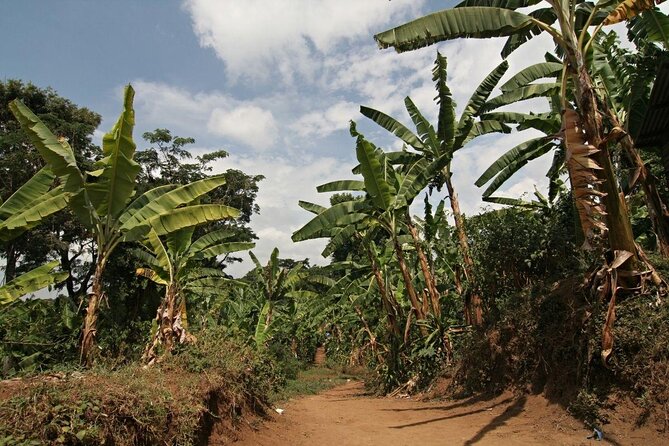
Kilimanjaro can be intimidating before you even start. This day hike is built for the in-between stage: you want to feel the mountain’s altitude, the effort, and the logistics of a real trekking day, but you do not want to commit to the full climb yet.
The Marangu route is especially useful for getting your bearings. You’re approaching the mountain from the southeast side, staying in the lower altitude zone for the day. That means you get the true Kilimanjaro “I’m actually doing this” feeling without the full expedition pressure.
It’s also a solid choice if your holiday is short or if you’re traveling with family. The idea is simple: one or two days on the mountain can tell you a lot about how your body and mindset handle the trek. And if you decide later that you’re ready for a bigger challenge, you’ll start with more confidence.
Arusha pickup and the Marangu Gate start: less chaos, more hiking
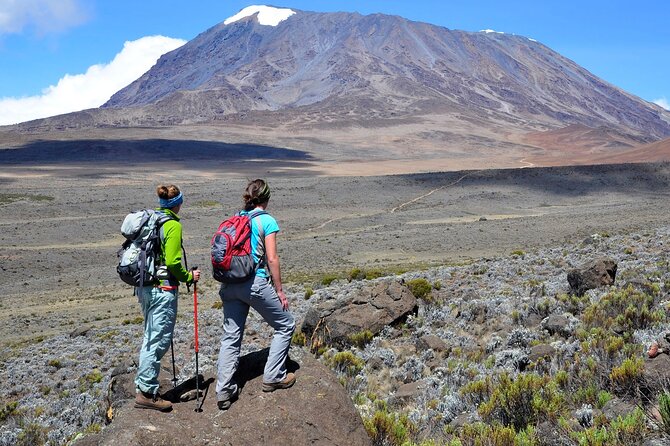
Your day begins in Arusha with hotel pickup. The vibe here matters. When the driver is already waiting and you’re not juggling taxis, you lose less energy before the trek even starts.
From there, you head toward the Marangu gate for registration with the authorities. That’s an important detail people sometimes underestimate. Being properly registered before you start makes the day feel smoother, and it helps you avoid that awkward scramble that can happen on self-guided climbs.
This first stretch also keeps things practical for families or first-timers. You’re in a car, not on foot. You’re not “racing daylight.” The goal is to get you to the start point in time, calm enough to start walking.
One thing to note: you do need to bring your Visa. It’s explicitly required for this kind of Tanzanian planning, and it’s better to have it sorted before you’re standing at the wrong desk.
The trek to Mandara Hut: what the climb actually feels like
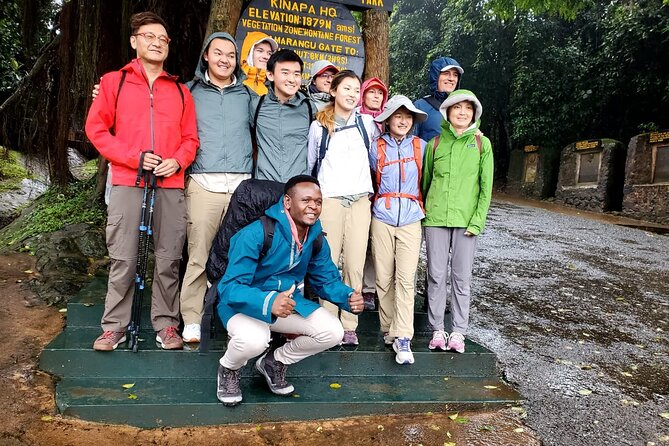
Your main hiking block focuses on reaching Mandara Hut, the first major stop point on a full Kilimanjaro trek path. The structure is clear: you trek through the lower altitude segment of the route, take time to eat, then rest at the hut before starting your descent.
Expect the day to feel like a steady walking rhythm. The climb is not described as a technical ascent, but it’s long enough that you’ll feel it in your legs by the end. In one of the hiking experiences connected to this route, people highlighted a rainforest section near the base and described the hike to Mandara Hut as roughly a 900-meter climb. Another common theme was that the slopes can feel gentle—enough to keep it manageable, but not so easy that you forget you’re hiking a mountain.
You’ll also get the benefit of a proper turnaround goal. Instead of wondering how much farther you have, you know the plan: get to Mandara Hut, enjoy your time there, then return slowly.
A quick reality check on pace
If you’re deciding whether you’re “moderately fit,” don’t think only about your ability to walk. Think about whether you can keep a steady pace for several hours. This is not a sprint. The best day hikes here are the ones where your guide can match your tempo, so you finish feeling like you had a strong day, not like you got dragged up the mountain.
Picnic lunch en route: fuel plus a reason to breathe
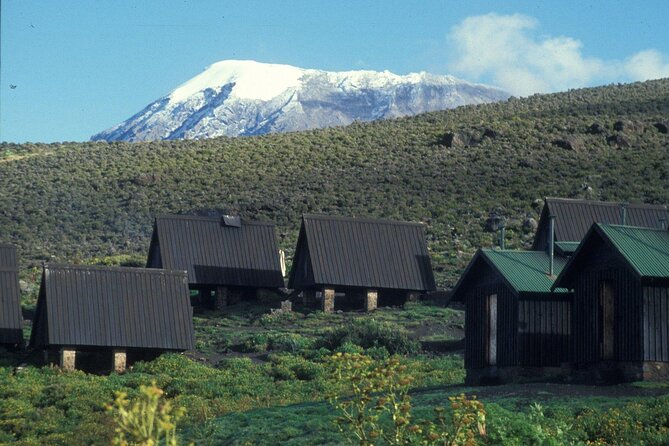
Lunch is part of the hiking plan, not something tacked on at the end. You take a picnic lunch while you’re trekking toward Mandara Hut. That matters more than it sounds.
Mid-trek meals help you keep energy levels stable. They also break the psychological monotony of walking hour after hour. You stop, eat, look around, and then get back into motion with less grumpiness.
The route is famous for giving hikers a close, direct connection to the mountain. In feedback tied to this day hike, people talked about the viewpoint effect from the lunch stop—how the mountain backdrop can make even an ordinary picnic feel like a milestone. If the weather is clear, you can get that memorable Kilimanjaro moment. If clouds roll in, you still get the comfort of a planned meal and rest.
And yes, you’re also covered for water. Unlimited drinking water is included, so you’re not forced into last-minute purchases. Just remember the instruction: bring your non-disposable water bottle.
The Mandara Hut rest and slow descent: where the day gets real
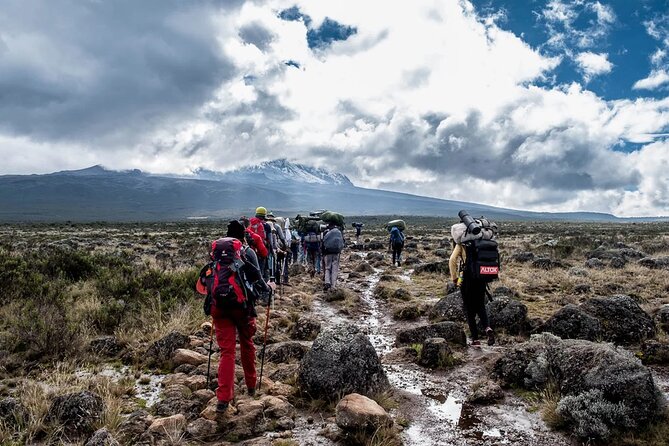
Once you arrive at Mandara Hut, you rest for about 30 to 45 minutes. This pause is the difference between a harsh day and a thoughtful day. You’re given time to sit, recover, and let your body reset before going back down.
After that, you start a slow descent back to the Main Gate. Going down is usually easier than going up, but it still takes effort. Your knees and feet do real work during the descent, and that’s exactly why the “slow” part is important. A slow descent helps you keep control of your pace and reduces the feeling of “the mountain is still taking things from me.”
This part of the hike is also where your guide’s approach matters. One negative experience in the broader feedback around this kind of day hike pointed out problems when the guide wasn’t able to communicate well and when the pace felt unsupported. You can’t always control weather or energy levels, but you can choose a provider that clearly supports your day. In practical terms, that means you should ask questions at the start—about pacing, what to expect at the hut stop, and how you’ll handle the descent.
Getting back to Arusha: the ride, the beer, and the let-down-proof finish
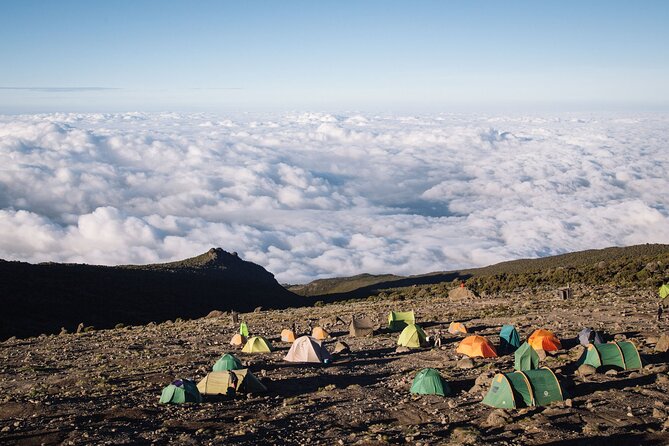
After the descent, your driver is waiting for you. You then drive back to your hotel in Arusha, with relaxing music and Kilimanjaro beer served either cold or warm, depending on how the team handles it that day.
This “finish strong” moment is more valuable than a lot of people realize. You’re done with the physical work, but you’re not done with the day. Having transport ready means you can unwind instead of negotiating rides while tired.
The return drive also helps you treat the day as a complete experience. It gives you a clean start and a clean stop. That’s a big deal when you’re using this day hike as a stepping stone toward a bigger Kilimanjaro trek.
Price and value: is $260 worth it for 7 hours on Kilimanjaro?
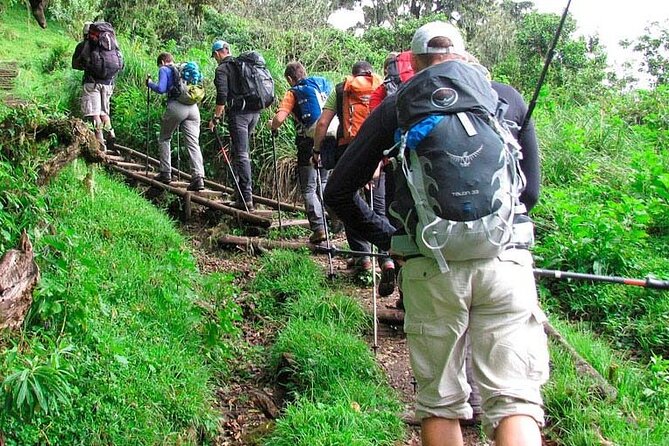
$260 per person is not cheap, but this is a private full-day hike, not a seat on a bus. Here’s what you’re actually paying for, based on what’s included:
- Lunch is included.
- You get private transportation plus parking fees.
- Unlimited drinking water is included.
- You also get a professional driver/guide.
- The day’s admission items tied to the stops are listed as free in the plan.
When you add those up, the value comes from reducing friction. You’re not trying to organize transport, registration steps, and guide support on your own. You’re paying for a managed day.
Two more value points:
- Private means your group is the only group doing this segment with you. That usually translates into fewer delays.
- Group discounts can apply, which can lower the effective cost if you travel with a friend or family group.
The main thing not included is tips. That’s normal in Tanzania guiding culture, but it affects your final budget. If you’re strict about planning, set aside a tip amount before you go so you don’t have to decide while you’re exhausted.
Who this hike suits best (and who should rethink)
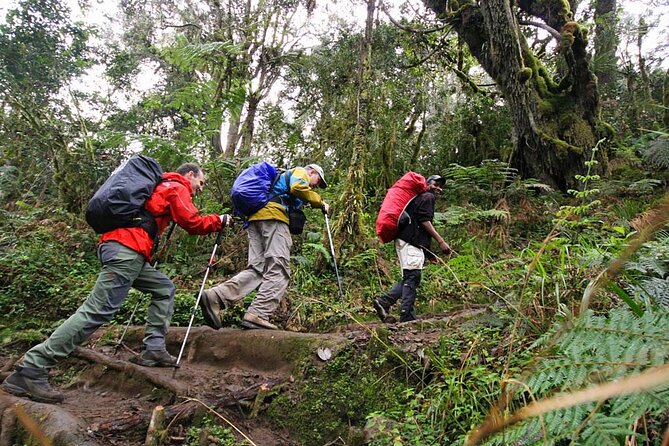
This is a great fit if you:
- are testing your readiness for a longer Kilimanjaro trek
- want a shorter Kilimanjaro experience with real mountain time
- are traveling with children who aren’t ready for the full climb
- have limited vacation days but still want the core experience
It’s also a reasonable choice if you have moderate physical fitness and want the day broken into a clear goal: Mandara Hut, then descent.
You might want to rethink it if:
- you know you struggle with long walking days, even at a manageable pace
- you expect a guaranteed view from the mountain (cloud cover can change the mood fast)
- you rely on your guide to answer lots of questions in a specific language and you’re very communication-sensitive
That last point isn’t about the mountain. It’s about support. A good day hike should feel like you’re not guessing your way through the experience.
What to bring so your day doesn’t get derailed
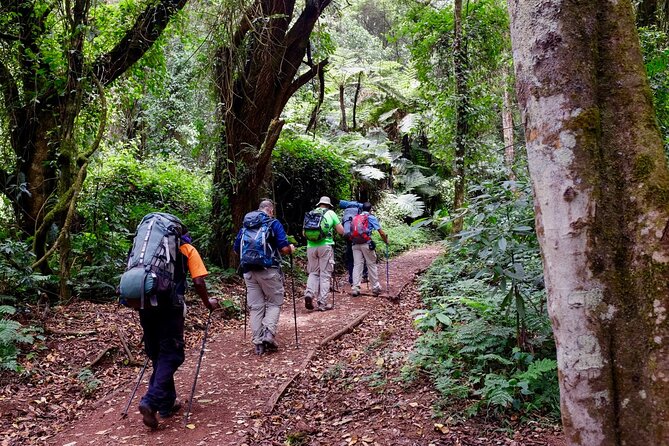
This trip asks for two specific items from you:
- A non-disposable water bottle (even though unlimited water is included, you’ll want your own bottle)
- Your Visa
Beyond that, keep your focus on practical basics. This day is structured, timed, and outdoors-based. If you forget key documents, the day can slow down fast at the registration stage.
Should you book the Private Full Day Hiking Experience to the Marangu Route?
If your main goal is to get a real feel for Kilimanjaro without committing to the full climb, I think this is a smart booking. You’ll experience the mountain’s walking rhythm, you’ll reach Mandara Hut, and you’ll do it with the comfort of private transport and built-in water and lunch.
Book it if you’re planning to decide later whether you’re ready for a longer Kilimanjaro trek. This day hike is one of the cleanest ways to test your stamina and your mindset.
Consider another option if you need an easier outing than a full trekking day can be, or if your entire trip depends on having dramatic clear-sky views. Weather can shift, and the day still requires real effort.
Overall, for the price, you’re buying organization, a guided day, and the key milestone experience. For many people, that’s exactly what makes Kilimanjaro feel possible.
FAQ
How long is the Marangu route private day hike?
It’s listed as approximately 7 hours.
Where does the tour start?
Your day starts with a hotel pickup in Arusha.
Does this hike include Mandara Hut?
Yes. Your main goal for the day is to reach Mandara Hut, then rest and descend back toward the gate.
Is lunch included?
Yes, lunch is included.
Is drinking water provided?
Yes. Unlimited drinking water is included.
Are pickup and transport included?
Yes. Private transportation is included, and pickup is offered.
Are admission tickets included?
The plan lists admission items for the stops as free.
What fitness level is required?
Travelers should have a moderate physical fitness level.
Do I need my Visa?
Yes, you should bring your Visa.
Are tips included in the price?
No. Tips are not included.