REVIEW · ARUSHA
Mountain Kilimanjaro Day Hike
Book on Viator →Operated by African polecat safaris · Bookable on Viator
Kilimanjaro, but you keep it to a day. This private day trek from Arusha or Moshi takes you up to Mandara Hut on the Marangu Route, with rainforest wildlife and views of the mountain’s big presence along the way.
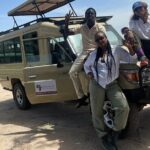
What I love is how the hike is built for real people, not super-athletes. I’ve seen guides like Johnson and Zakayo set a pace that feels steady and human, plus they use the walk to point out plants and mountain details as you go.
My main caution is timing: from Arusha you should expect a long day of road time to and from the park, which can feel like several hours each way. If you hate being in a vehicle, plan accordingly or consider the Moshi-side pickup.
In This Review
- Key things you’ll notice on this Kilimanjaro day hike
- A Kilimanjaro Day Hike That Gets You to Mandara Hut Fast
- Price and value: what $267 buys you (and what it doesn’t)
- Arusha vs Moshi: the drive time reality check
- From pickup to Marangu Gate: the official start of your hike
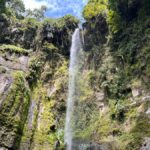
- The rainforest trek to Mandara Hut: where the day earns its keep
- Picnic lunch at Mandara: the built-in break that keeps you moving
- The descent back to the Main Gate: quick relief, real satisfaction
- Gear and fitness: what you should prepare for a “taster” that still works you
- Who this Kilimanjaro taster is for (and who should consider a longer trek)
- What kind of guide experience should you expect?
- Should you book this Kilimanjaro day hike?
- FAQ
- How long is the Kilimanjaro day hike?
- Where does the hike start and end?
- Do I get pickup from my hotel?
- How far do you hike?
- Is the park admission included?
- What’s included for the trek itself?
- What should I bring or pay for separately?
- Is this tour private?
- Is free cancellation available?
Key things you’ll notice on this Kilimanjaro day hike
- Private day trek to Mandara Hut on the Marangu Route (southeast approach)
- Rainforest trail with wildlife chances, including birds, mongoose, and blue and colobus monkeys
- Guides who slow down and explain, with names you may meet like Johnson, Zakayo, Zak, Ami, Chris, and John
- Marangu Gate registration handled on the trip, with admission and park fees included
- Trek up, picnic en route, hut break, then descent back to the main gate the same day
- Hiking poles and drinking water included, plus return transfers after the hike
A Kilimanjaro Day Hike That Gets You to Mandara Hut Fast
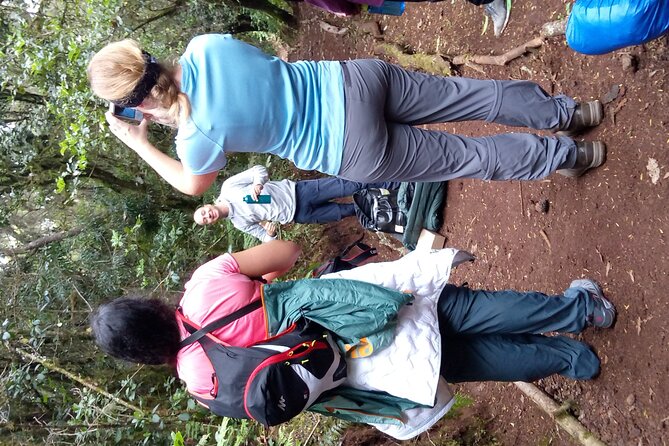
This is the Kilimanjaro experience for people who want the mountain without the full, multi-day push to the summit. You’re not just doing a scenic walk. You’re walking the first big stretch of the Marangu Route until Mandara Hut, then turning around and coming back down.
The practical magic here is that it feels like a real climb. You start with official registration at Marangu Gate, work your way upward through rainforest conditions, and then you reach the hut where the full climb would continue. For many first-timers, that moment gives you the emotional payoff: you get that Kilimanjaro “I’m actually here” feeling while still keeping the commitment to a single day.
And you still get the things that make hiking in this region memorable: the soundscape of birds, the possibility of seeing small animals, and the sense that you’re inside an ecosystem rather than just walking up a road.
Price and value: what $267 buys you (and what it doesn’t)
At $267 per person for a roughly 10-hour day, the value mostly comes from what you don’t have to arrange yourself.
Included items you’ll feel on the ground:
- Park fees and admission (including park fees for non-residents)
- Guide/driver and transportation
- Drinking water during the day
- Hiking poles
- All fees and taxes, plus the items labeled “included” for the activity
Not included items that matter:
- Tips for your guide, porters, and cook
- Visas, international flights, travel insurance
- Personal shopping and other personal expenses
- Sleeping bag (not usually needed for a day hike, but it’s listed as not included)
Is it expensive? Kilimanjaro is not a budget hobby once park fees, guides, and transport are involved. The fair way to judge this price is that you’re paying for the whole “day machinery” to run: permits handled, poles supplied, and a guide who can make the rainforest trek meaningful. If you tried to self-organize the full day safely, with official registration and transport, you’d spend plenty of time coordinating—and still might end up paying similar costs once park access is factored in.
Arusha vs Moshi: the drive time reality check
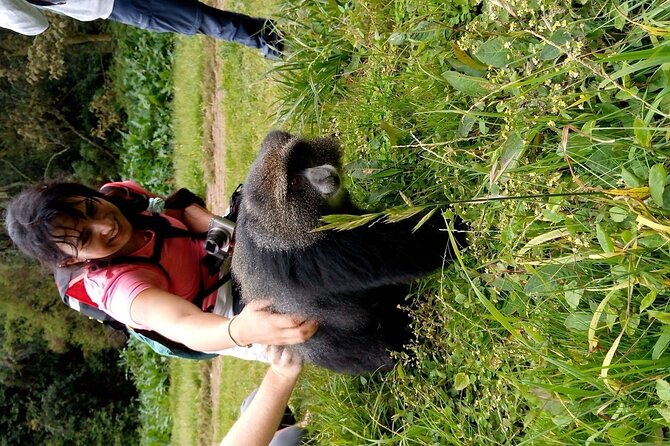
This hike has pickup options from Arusha or Moshi, and that one detail changes how your day feels.
If you start from Arusha, expect extra road time. One traveler flagged that the round trip can run long, and when you’re planning a day focused on a hike, long transfers can steal energy. If you’re the type who likes to “get moving” fast, Moshi-side pickup will likely feel better.
If you’re staying in Arusha and you don’t want to relocate, this is still a solid option. Just go in with eyes open. You’ll spend a meaningful chunk of your day on the road before you reach the trail.
A useful habit: plan a calm arrival morning. Don’t schedule anything tight before pickup, and try to keep your luggage easy to grab. You want to arrive ready to walk, not ready to fight your own schedule.
From pickup to Marangu Gate: the official start of your hike
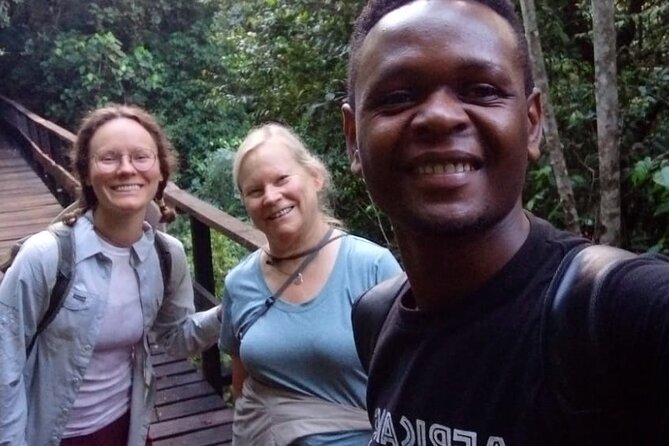
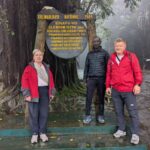
Your day begins with a hotel pickup, then a drive to Marangu Gate for registration with the authorities. This step matters more than it sounds. It means you’re entering the system correctly, on-route for the Marangu experience, with park access handled.
Once you’re registered, you start hiking along the route that approaches the mountain from the southeast part. That setup is part of why the day feels like a “leg” of the broader Kilimanjaro journey rather than a standalone nature walk.
You’ll also notice how the operation is designed to reduce friction. Your guide and driver handle the transitions—getting you from road to paperwork to trail—so you can focus on the one thing you came for: the walking.
The rainforest trek to Mandara Hut: where the day earns its keep
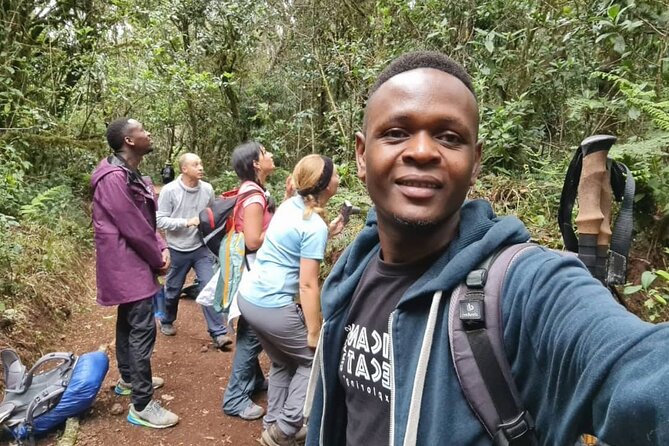
The main mission is simple: get from the start to Mandara Hut, then head back down.
What makes this portion special is that it’s not just about distance or altitude in the abstract. It’s about conditions.
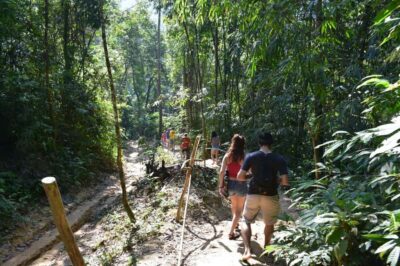
- You hike through rainforest trails
- You have chances to spot birds
- You may see mongoose and blue and colobus monkeys
- The trail experience feels more like a living place than an exposed climb
On a day hike, you often wonder, “Will I actually get a Kilimanjaro feel?” This route answers that by bringing you into the rainforest world that feeds into the climb. Even when the peak is shy behind cloud, the environment still feels like Kilimanjaro country.
Also, don’t underestimate how “uphill” can feel even when it’s not the full summit route. Multiple hikers described it as challenging because it’s mostly uphill. That’s why the guiding style matters: the best guides keep you moving at a pace that feels sustainable.
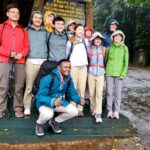
In the reviews and the way guides work on this route, patience shows up a lot. Guides such as Johnson and Zak/Zac are repeatedly praised for walking slowly enough for slower hikers and for using the time to teach you what you’re actually seeing—plants, mountain details, and the natural rhythm of the trail.
Picnic lunch at Mandara: the built-in break that keeps you moving
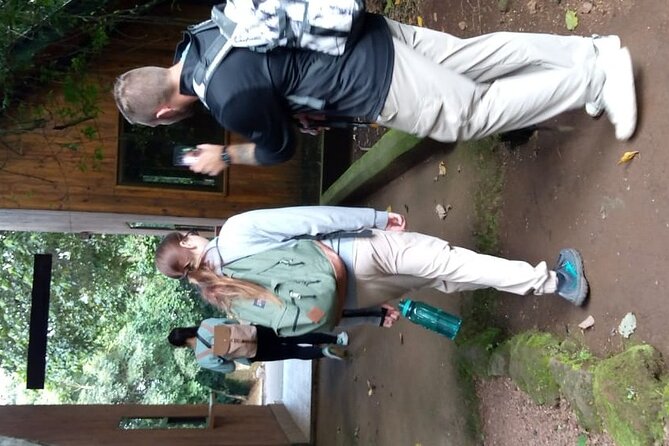
When you reach Mandara Hut, you stop and reset. Plan for a 30 to 45 minute rest at the hut before you begin your descent.
And you don’t just reach the hut hungry. You’ll have a picnic lunch en route to Mandara Hut. This is one of those “small” inclusions that ends up mattering a lot. A day hike on Kilimanjaro can push your effort faster than you expect. Having food and water built into the timing reduces stress and helps you enjoy the moment instead of counting minutes until the next bite.
Think of this lunch-and-rest structure as part of the tour’s pacing strategy:
- Upward effort to reach the hut
- Food and a real pause to breathe
- Then a controlled descent back to the gate
If you’ve never hiked in rainforest conditions before, the break time also helps you feel steady for the downhill, when footing and endurance can trick you.
The descent back to the Main Gate: quick relief, real satisfaction
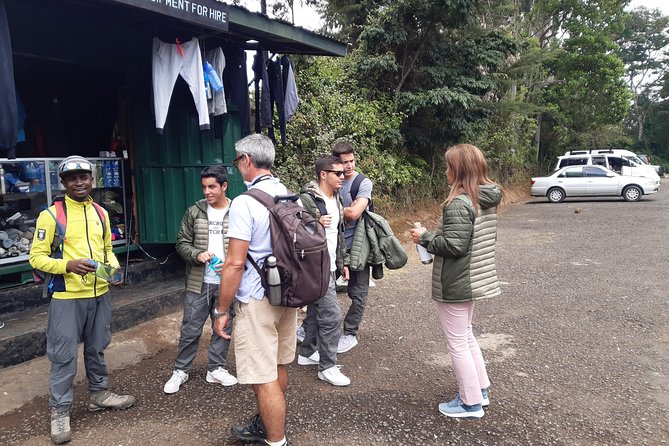
After resting at Mandara Hut, you start your slow descent back to the main gate. This is where the day becomes emotionally satisfying. You’ve reached the turning point, and now you’re returning with that quiet knowledge: you did a meaningful chunk of Kilimanjaro.
Downhill is usually easier on the lungs, but it’s not effortless. You’ll still want to keep your footing careful and your pace controlled. Having hiking poles included is genuinely useful here. Poles can take pressure off knees and help you manage uneven ground in rainforest conditions.
Your driver then waits to take you back to your hotel. The trip is designed to keep the day comfortable afterward, with return transfers and refreshments.
Gear and fitness: what you should prepare for a “taster” that still works you
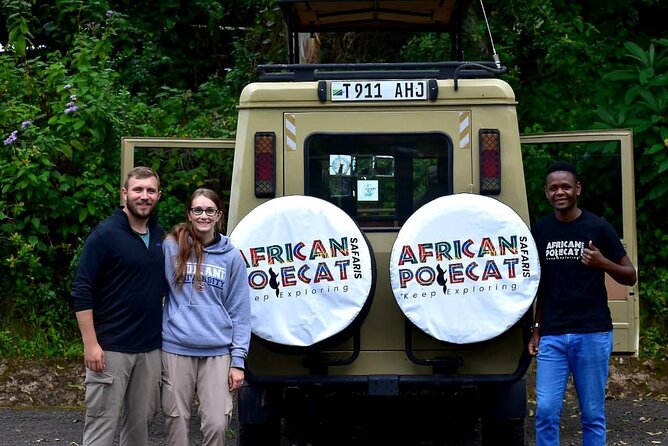
This hike is described as suitable for most travelers, and it makes sense: it’s a day trek, not a summit assault. But don’t let the word “day” fool you. You’re still walking uphill for hours in rainforest terrain.
Here’s how to prepare without overthinking it:
- Wear hiking shoes or sturdy footwear with good grip
- Bring a light rain layer or waterproof shell if you have one
- Pack sun protection (rainforest days still include bright patches)
- Use the included hiking poles unless you’re truly used to going without them
- Drink water regularly during the day (it’s provided, but you still need to drink)
Fitness-wise, aim for consistency over speed. If you can walk steadily for a few hours uphill at a moderate pace, you’re in the right zone. If you’re coming in with a “I can only do flat ground” attitude, you’ll likely find the climb mentally draining, even if you make it to Mandara.
The good news is that the guided pace is repeatedly praised as patient. Guides like Chris and Ami are described as motivating, attentive, and supportive, which helps a lot if you’re not a fast hiker.
Who this Kilimanjaro taster is for (and who should consider a longer trek)
Book this if you want:
- A Kilimanjaro introduction without spending 5–7 days on a summit route
- A guided walk that connects you to rainforest life and Kilimanjaro geography
- A day that includes an official start (registration), a hut milestone (Mandara Hut), and a proper lunch
It also makes sense for:
- Beginners who want structure and a slower pace
- People short on time
- Travelers who want to experience the mountain environment but don’t want an all-out summit attempt
Consider a different option if:
- You absolutely hate long road days from Arusha
- You want a guarantee of summit views (this route is more about the climb experience than a guaranteed “peak photo” day)
- You’re looking for a fully remote, unguided experience (this is private and structured; that’s part of its value)
What kind of guide experience should you expect?
The strongest repeated theme is how much your guide shapes the day. Multiple names come up—Johnson, Zakayo, Zak/Zac, Ami, Chris, and John—and the praise is consistent:
- They stay attentive and communicative
- They help you keep up with a slow, steady pace
- They share context about nature and the mountain
- They make time for photos when it’s practical
This matters because the route to Mandara can feel intense if you’re focused only on reaching the hut. A good guide turns the trek into a story you can follow: what you’re walking through, why it matters, and what you’re seeing in real time.
If you care about education and encouragement, this is one of the best ways to get it on a short Kilimanjaro day.
Should you book this Kilimanjaro day hike?
I’d book it if you want a real Kilimanjaro day—walking into the rainforest toward Mandara Hut, getting a planned picnic stop, and coming back down without needing summit-level stamina.
Before you commit, ask yourself one question: can you comfortably handle a full-day commitment that includes road time, especially if you’re starting from Arusha? If the answer is yes, you’re in great shape for a memorable introduction.
Also, look at your expectations. This isn’t “summit or nothing.” It’s a taster hike on a historic route with real nature, a hut milestone, and guides who tend to make the day feel safe and doable.
If you want Kilimanjaro in one day, this is a sensible way to do it. If you want a summit day, plan for a multi-day climb instead.
FAQ
How long is the Kilimanjaro day hike?
It runs about 10 hours, approximately.
Where does the hike start and end?
It starts in Arusha, Tanzania and ends back at the meeting point.
Do I get pickup from my hotel?
Yes. Pickup is offered from Arusha or Moshi.
How far do you hike?
The trip focuses on reaching Mandara Hut, the first point of the Marangu Route, then descending back to the main gate the same day. The exact distance isn’t specified in the details provided.
Is the park admission included?
Yes. Admission Ticket Included, and park fees (for non-residents) are listed as included.
What’s included for the trek itself?
You get a professional driver/guide, transportation, drinking water, and hiking poles, plus the fees/taxes and activities listed as included.
What should I bring or pay for separately?
Personal items, tips and gratuities for your mountain guide and porters/cook, and items like visas, flights, and travel insurance are not included. A sleeping bag is also listed as not included.
Is this tour private?
Yes. It’s private, meaning only your group participates.
Is free cancellation available?
Yes. You can cancel up to 24 hours in advance for a full refund.