REVIEW · ISLAND OF HAWAII
Kilauea: Volcanoes National Park Guided Hike
Book on GetYourGuide →Operated by Volcanoes Hiking Guides · Bookable on GetYourGuide
Kīlauea feels closer on a guided hike. In Hawai‘i Volcanoes National Park, you walk a 4-mile loop through native Hawaiian rain forest toward hardened lava-lake views, with real-time eruption intel shaping what you get to see.
I really like the small group cap (10 people), which keeps the questions coming and the pace human. I also like the practical add-ons: trekking poles, backpacks, and a snack, plus an English guide who can explain the science and the local connections.
The main catch is lava viewing is not guaranteed. The hike runs rain or shine, and weather or Kīlauea’s activity can change what’s visible.
In This Review
- Key Things to Know Before You Go
- Kīlauea on Foot: What You Really Get From This Guided Hike
- Meeting at the Kīlauea Visitor Center: Simple Start, No Mystery
- Native Hawaiian Rain Forest Walking: Rain Gear Is Part of the Plan
- The 4-Mile Loop and Hardened Lava Lake Views: Where the Science Gets Real
- Lava Viewing That Changes With Weather and Kīlauea: How to Think About It
- Small Group Energy (Max 10) and the Guide Factor
- Volcano House at the Finish: Food With a View and an Easy Decompression
- Eco-Tourism Angle: What It Means in Real Life
- Price and Value: Is $120 Worth It?
- Who Should Book This Kīlauea Guided Hike
- Should You Book This Kīlauea Volcanoes National Park Guided Hike?
- FAQ
- How long is the Kīlauea guided hike?
- Where does the tour meet?
- Is the park entrance fee included in the price?
- Will I definitely see lava?
- What should I bring for the hike?
- Does the tour run in rain?
- What is the group size?
- Can I cancel and get a full refund?
Key Things to Know Before You Go
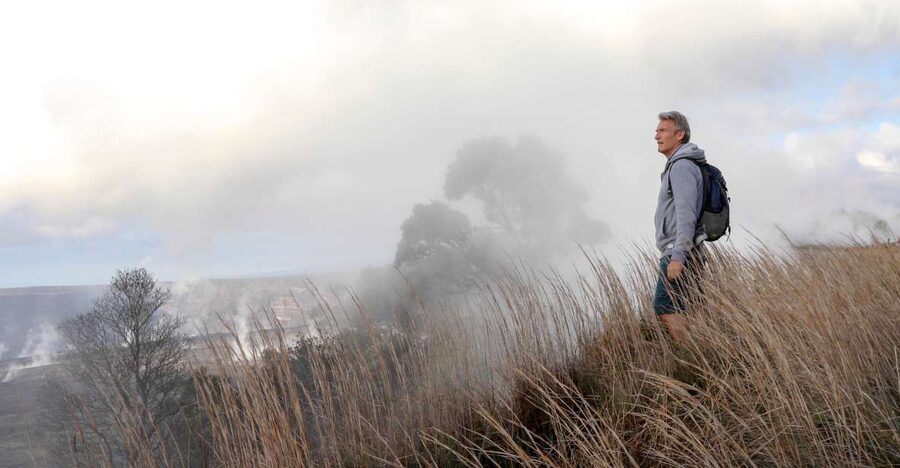
- Small group size (max 10) keeps this from feeling like a cattle-walk through the park.
- Real-time lava updates can change timing so you spend time where it counts.
- Rain-forest walking on a 4-mile loop mixes trail effort with geology and ecology lessons.
- Provided trekking gear (poles and backpacks) helps you hike more comfortably with less hassle.
- Volcano House finish gives you an easy place to refuel with a view after the hike.
- Multiple guides on rotation (Yvonne, Jennifer, and others) bring strong volcano talk and on-the-spot problem solving.
Kīlauea on Foot: What You Really Get From This Guided Hike
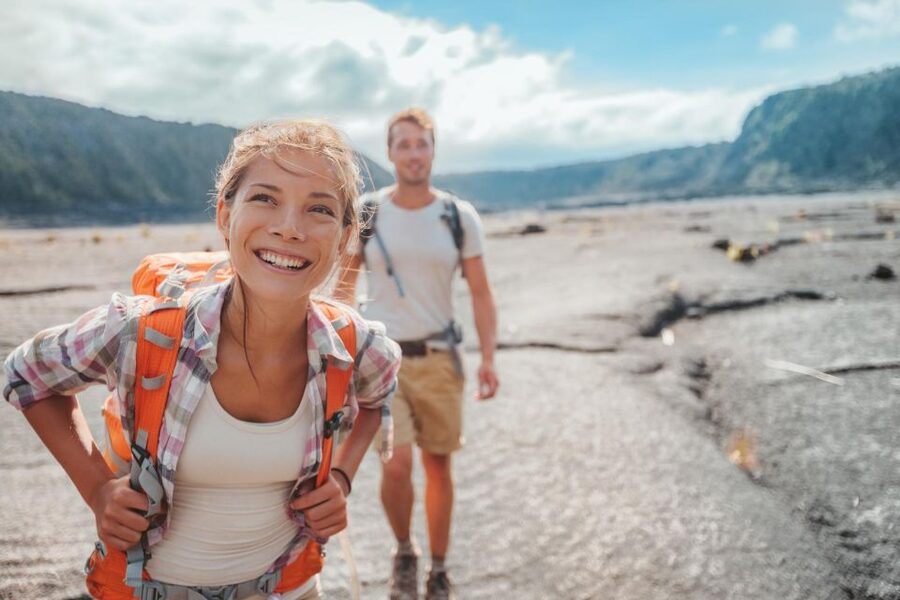
This is a hike that treats Kīlauea like a living classroom, not a background for photos. You’re on your feet for about 3 hours on a 4-mile loop, but the point isn’t just the distance. The point is understanding what you’re walking through and timing your lava viewing as conditions allow.
You’ll get education along the way—volcanic geology, how the ecosystem works in Hawai‘i, and how Hawaiian stories connect people to the mountain. And because it’s a small group, the guide can slow down when questions pop up, instead of racing everyone to the next “must-see.”
One important reality check: the best lava views depend on weather and Kīlauea’s activity. That doesn’t make it a lottery, but it does mean you should go in expecting “best effort viewing” rather than a guaranteed eruption show.
Meeting at the Kīlauea Visitor Center: Simple Start, No Mystery
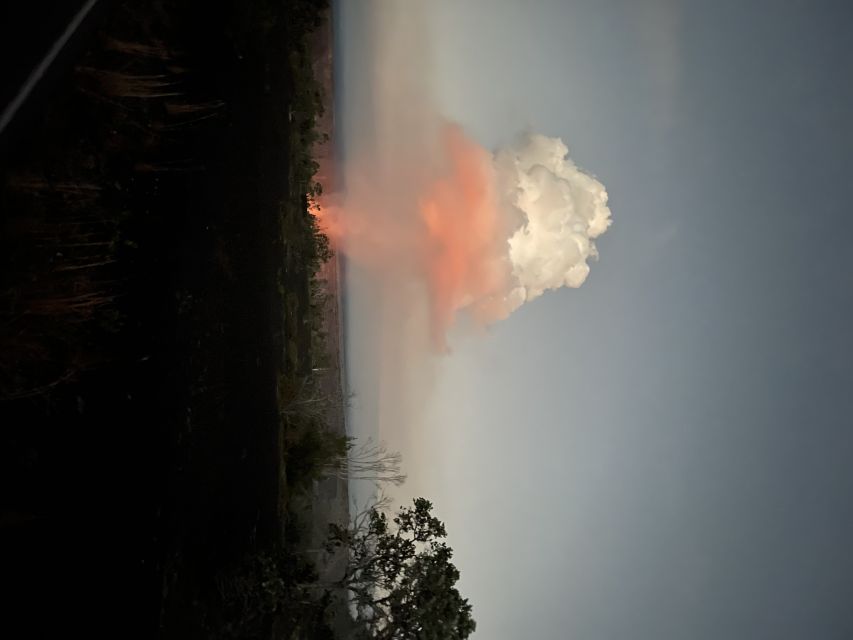
You meet at the Kīlauea visitor center. That’s handy because you don’t need hotel pickup or a complicated rendezvous. Bring your own transport plans and arrive a bit early so you can settle in before the hike briefing.
From there, the guide sets expectations for the day. You’ll know the basic route shape (loop hike), the general focus (rain forest + lava-lake area), and what the group should watch for as you move. When lava viewing matters, that upfront framing helps you notice details instead of just hoping you’ll stumble into the right spot.
Since there are no van rides with people you don’t know, this also feels less like a shuffle and more like a shared day with a tight group.
Native Hawaiian Rain Forest Walking: Rain Gear Is Part of the Plan
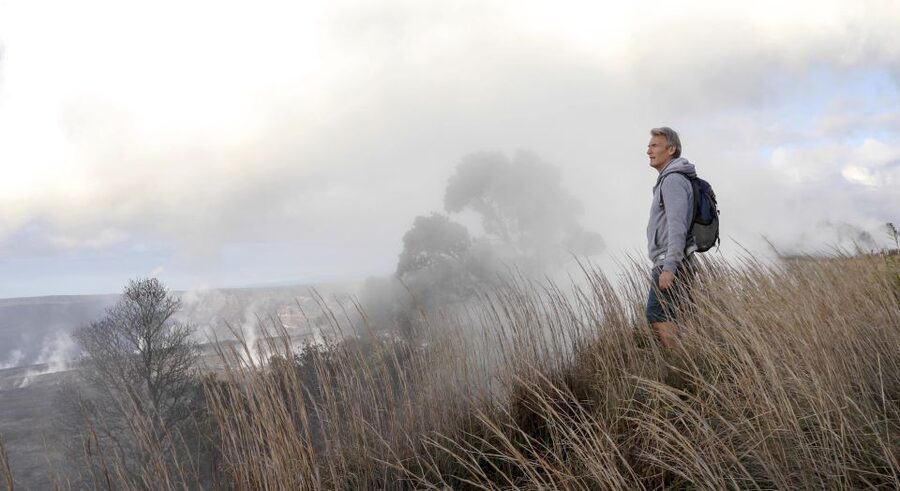
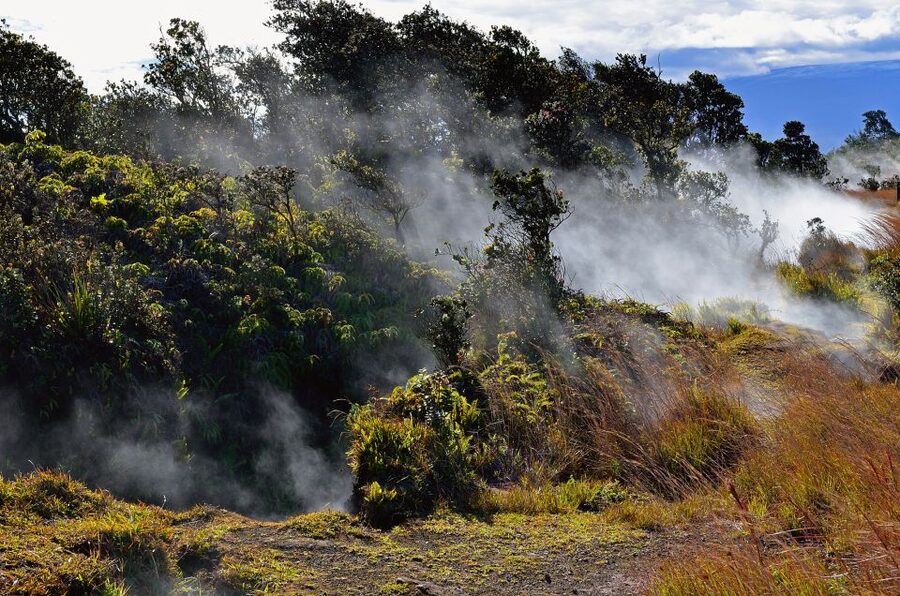
The hike takes you through native Hawaiian rain forest. In practical terms, that means you should expect damp ground, misty air, and slippery patches—especially if it’s drizzling. The tour runs rain or shine, so your clothing choices matter more than your optimism.
You’ll want comfortable closed-toe hiking shoes (open-toed shoes aren’t allowed). The guide provides backpacks and trekking poles, which helps if the trail has uneven footing or if you want to keep your knees happy on a downhill stretch.
The best part of this forest walk is that it isn’t just “pretty trees.” The guide points out what’s native, what’s invasive, and how the plants and animals fit together around the volcano’s ongoing changes. If you’ve ever walked through a forest and felt like you were missing the story, this is designed to fix that.
Tip: Rain gear matters even if the sky looks okay when you start. Plan for wind-driven drizzle, wet leaves, and damp socks.
The 4-Mile Loop and Hardened Lava Lake Views: Where the Science Gets Real
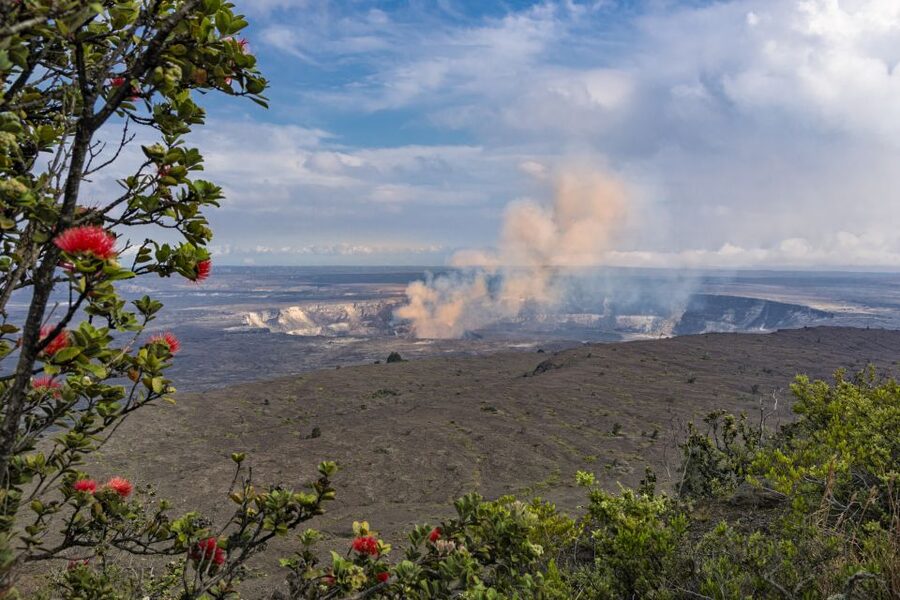
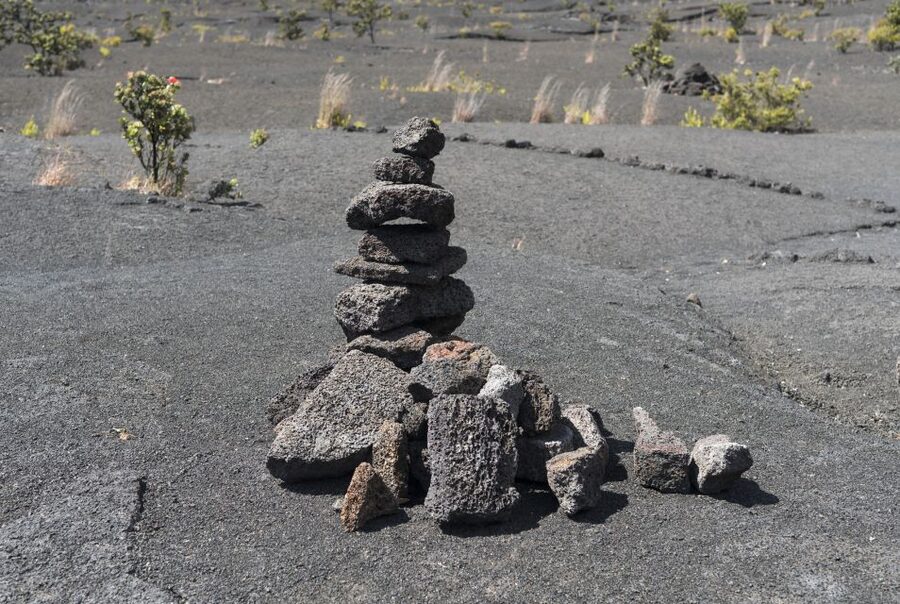
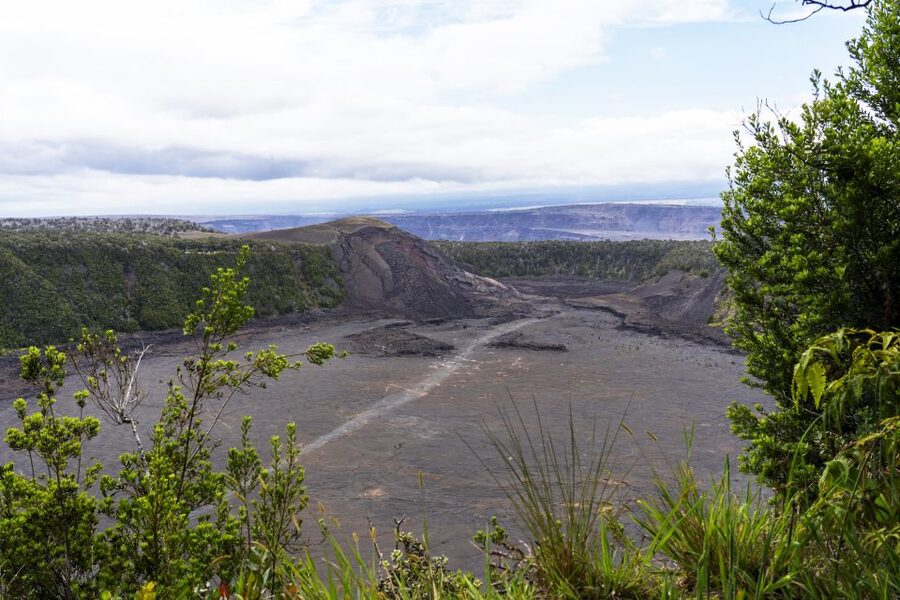
This is a 4-mile loop hike, and it’s structured so you’re moving, stopping, and learning without feeling stuck in one place. Along the way, you get views around a hardened lava lake. That’s a big deal because hardened lava is like the park’s memory—evidence of what the volcano did, and a hint of what it can do again.
The guide uses the terrain and rock features to explain volcanic geology and the area’s history. You’ll also learn how the ecosystem adjusts when the ground is born from lava and reshaped over time.
What keeps it exciting is the way the guide treats lava viewing as something you work toward. The activity includes real-time updates, and that can mean you shift your timing to improve your odds. One reason the reviews rate this so highly is that you’re not left guessing. You’re guided to the best options as conditions change.
Lava Viewing That Changes With Weather and Kīlauea: How to Think About It
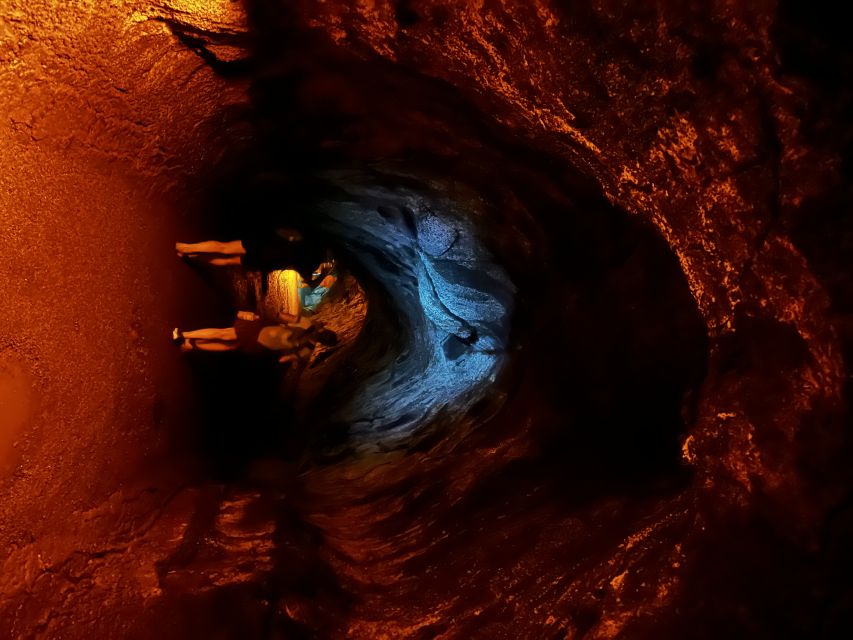
Let’s be honest: lava viewing isn’t guaranteed. It depends on weather and the volcano’s activity. That can sound like a warning label, but here’s how I’d frame it for your planning:
- If you’re okay with flexible viewing, you’ll have a better day.
- If you’re arriving expecting one specific outcome at one specific minute, you may feel frustrated.
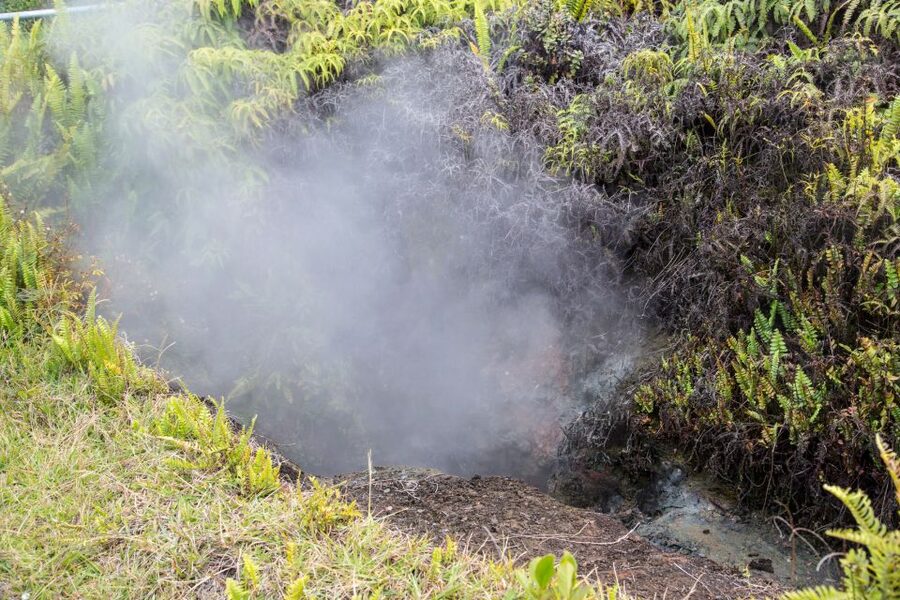
This tour leans into flexibility with live eruption updates. That matters because visibility and timing are often the difference between a dull view and a wow moment. When conditions line up, you might catch active lava or steam behavior that’s hard to interpret on your own.
In the hands of guides like Yvonne and Jennifer, you may get extra observational tools and extra explanation. In past experiences, telescopes were used to help people see magma, and guides shared eruption trend info even while walking. It’s the kind of support that turns a “look over there” moment into actual understanding.
Reality check for your expectations: the hike is still a hike first. Lava viewing is the bonus that can be excellent, but you should judge the tour by the full experience—trail + story + on-the-ground decision making.
Small Group Energy (Max 10) and the Guide Factor
A lot of park tours feel like a conveyor belt. This one uses a small group size (limited to 10 participants), which changes everything.
With fewer people, it’s easier for the guide to:
- notice who’s asking questions
- adjust pacing for the group
- explain the “why” behind what you’re seeing
You’ll also feel that the guides genuinely care about the work. Names like Yvonne and Jennifer show up repeatedly, and the tone of their guidance is clear: they explain the volcano, the local plants and wildlife, and the Hawaiian connections, not just the facts. People also noted a high level of preparedness—extra ponchos, the right walking gear support, and photo stops that actually help you capture the scene without rushing.
And because it’s an English live guide, you’ll get a steady flow of explanations. If English isn’t your strongest language, having a guide who can slow down and clarify helps a lot—especially when you’re dealing with technical volcano terms.
Volcano House at the Finish: Food With a View and an Easy Decompression
The hike concludes at Volcano House restaurant and bar. That’s not just a convenience; it changes how the day feels.
After 3 hours of walking—likely with wet shoes and a head full of geology—you get a place to sit down, eat, and look around without needing to immediately plan your next move. The view is part of the fun, and it’s a natural transition from “trail brain” to “vacation brain.”
In some cases, the experience extends beyond the hike itself. People have described getting meals and then enjoying lava glow later at night from the same area. You shouldn’t bank on night views, but having Volcano House as a base makes it easier to keep watching if conditions cooperate.
What to do after: If you’re the type who wants to keep observing, plan to linger a bit after you eat. Don’t just rush off the moment you finish. A volcano day often rewards patience.
Eco-Tourism Angle: What It Means in Real Life
The tour emphasizes eco-tourism and connecting you with nature sustainably. In plain terms, that’s reflected in how the experience is run: smaller groups, education over spectacle, and a focus on understanding the environment you’re walking through.
Instead of making the trip about speed, it’s about awareness—native plants, invasive threats, and how the volcanic environment shapes daily life. When you know what you’re looking at, you’re less likely to treat the place like a backdrop.
This is also why real-time updates matter. If the guide can shift you to better viewing without unnecessary detours, you waste less time and disturb less along the way.
Price and Value: Is $120 Worth It?
At $120 per person for a roughly 3-hour guided hike, this isn’t the cheapest way to see Volcanoes National Park. But it also isn’t just you walking around the visitor center area with a map.
Here’s what you’re paying for:
- a small group format (max 10)
- a live English guide focused on volcano science and the local ecosystem
- included gear: backpacks and trekking poles
- a healthy snack
- COVID-free experience labeling (as stated by the provider)
- real-time updates that can improve lava viewing odds
Also, the park entrance fee is not included, so your total cost will be higher once you factor in entry. Hotel pickup and drop off aren’t included either, so you’re responsible for getting to the meeting point.
Still, if you’ve ever been in Volcanoes National Park and felt like you were seeing “stuff” without knowing what it meant, the guide time is the value. This hike is set up so you understand what’s on the ground under your feet and why lava viewing might change hour to hour.
Best value scenario: you catch active lava or peak visibility, and you leave with both photos and real context.
Who Should Book This Kīlauea Guided Hike
This hike fits best if you:
- want a structured walk with stops and explanations
- like learning about volcanic geology and native ecosystems
- are comfortable hiking about 4 miles on uneven, damp ground
- can handle rain or shine without needing perfect weather
It also works well for people who want a guided day without big-group chaos. Since the group stays under 10, the vibe tends to be more personal.
You should skip it if:
- you need mobility accommodations (it’s not suitable for people with mobility impairments)
- you’re traveling with children under 6
For most adults in decent walking shape, this is a fair effort level: a loop that can have some mild climbs and wet footing, but not described as extreme.
Should You Book This Kīlauea Volcanoes National Park Guided Hike?
If your goal is to understand Kīlauea while you hike—and you’d like your lava viewing to be guided by real-time updates—this is a strong choice. The small group size, included gear, and high-quality guide interpretation are the big wins.
Book it if you’re okay with the one unavoidable truth: lava viewing is weather- and activity-dependent. If you can roll with that and focus on the hike + the science + the forest walk, you’ll get a day that feels like more than just sightseeing.
If you want, tell me your travel month and whether you’re more excited about lava views or the ecosystem lessons. I can help you decide how to schedule this hike and how to plan your remaining time at Volcanoes National Park.
FAQ
How long is the Kīlauea guided hike?
The hike lasts about 3 hours.
Where does the tour meet?
You meet at the Kīlauea visitor center.
Is the park entrance fee included in the price?
No. The park entrance fee is not included.
Will I definitely see lava?
Lava viewing is subject to weather conditions and the activity of Kīlauea, so it isn’t guaranteed.
What should I bring for the hike?
Bring comfortable shoes (hiking shoes), water, and rain gear.
Does the tour run in rain?
Yes. The tour takes place rain or shine.
What is the group size?
It’s a small group limited to 10 participants.
Can I cancel and get a full refund?
Yes. Free cancellation is available up to 24 hours in advance for a full refund.