REVIEW · MONTEVERDE
Hiking to Curi-Cancha Reserve
Book on Viator →Operated by Three Brothers Tours · Bookable on Viator
Birds are the main event here.
This guided walk through primary and secondary forest is built for close-up nature spotting in Monteverde, with a bilingual guide who helps you track birds and mammals you’d miss on your own. It’s an easy-to-moderate hike at a relaxed pace, with enough structure to keep you focused (and enough patience for wildlife that won’t pose on schedule).
One thing to watch: the reserve entrance fee is not included. You’ll also want to plan your timing if you’re chasing specific sightings like quetzals.
In This Review
- Key things to know before you go
- Why this Curi-Cancha guided hike is so worth it
- Price and the real cost: $39 plus $25 entrance
- Where you meet (and how to show up ready)
- The 3-hour itinerary: what the forest walk actually feels like
- Bird watching tips you can use on the trail
- Guide quality can make a big difference
- Group size: small enough to matter, still worth being aware
- Weather, insects, and what to bring
- Who this tour is best for
- Should you book Hiking to Curi-Cancha Reserve?
- FAQ
- Is the reserve entrance fee included in the $39 tour price?
- How long is the Curi-Cancha hike?
- Where does the tour start?
- What’s included in the tour?
- Is transportation included?
- Is the group size limited?
- What happens if the weather is bad?
Key things to know before you go
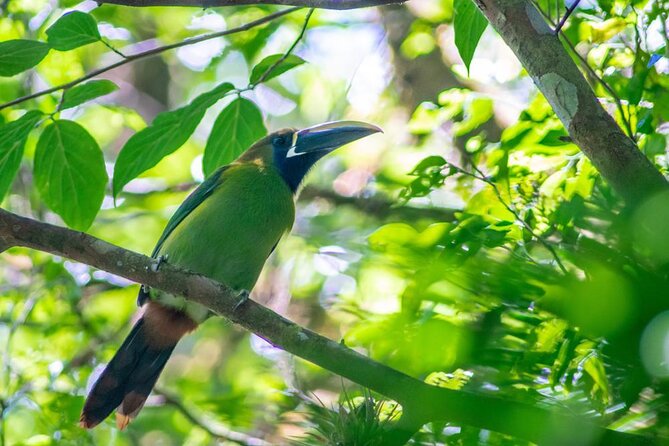
- Bilingual guidance included so you can actually follow the details on birds, forest life, and behavior.
- Scopes help with small birds and quick, hard-to-see moments in the canopy.
- Entrance fee is extra ($25 per person), on top of the $39 tour price.
- Small group size (maximum 9) usually keeps everyone close to the guide.
- Service animals are allowed, and infants must sit on laps.
Why this Curi-Cancha guided hike is so worth it
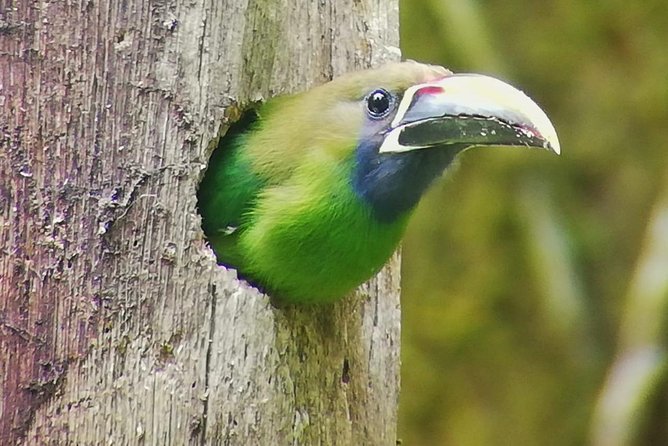
Curi-Cancha is one of those reserves where a guided stop turns the whole place from scenery into a living checklist. You’re walking in both primary and secondary forest, which matters because it changes what you’re likely to notice as you move—different birds, different movement, and different “hiding places” as the trail shifts.
I like tours like this because the guide isn’t just walking. They’re scanning. In Monteverde, a lot of wildlife is quiet, quick, or just plain high up. A good guide turns that into real results: hummingbirds darting in and out, bigger birds moving with purpose, and mammals that can be spotted if you know what to look for and where to look first.
You should also know this is a reserve walk, not a rugged trek. Most people can participate, and the hike length is about 3 hours, which makes it a solid “do it on a day with no big plans” activity.
Price and the real cost: $39 plus $25 entrance
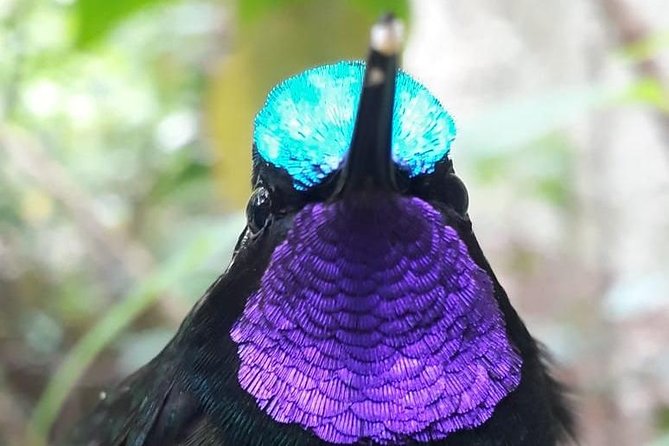
The tour price is $39 per person, and it includes the guided tour. The reserve entrance ticket is separate: $25 per person. So your all-in budget is about $64 per person for the full experience, before any extras like snacks or tips.
Is that worth it? In my view, yes—mainly because the guide’s bird-spotting help often saves you time and guesswork. When you’re paying for a guide in a bird-heavy reserve, you’re really paying for three things: finding activity, explaining what you’re seeing, and helping you see it clearly with viewing tools. If you enjoy nature at close range and want your walk to feel intentional, this price makes sense.
If you’re on a strict budget, the math is the only downside here. The cost is straightforward, but you do need to plan for that entrance fee.
Where you meet (and how to show up ready)
You’ll start at Reserva Curi Cancha, about 300 meters northwest of Fábrica de Quesos Monteverde. The exact address listed is in Monteverde (Provincia de Puntarenas, 60109), and the tour ends back at the same meeting point.
Transportation isn’t included, but it’s near public transportation, which is handy if you’re staying in town and don’t want to arrange a private ride. Because the hike is only around 3 hours, I’d treat this as a “be on time, not late” activity. You don’t want your best spotting window eaten by arrival delays.
A practical tip: if you can, arrive with a bit of cushion so you can get settled and use the bathroom before you start the trail. It keeps the hike calm for everyone, including kids who need a quick check-in.
The 3-hour itinerary: what the forest walk actually feels like
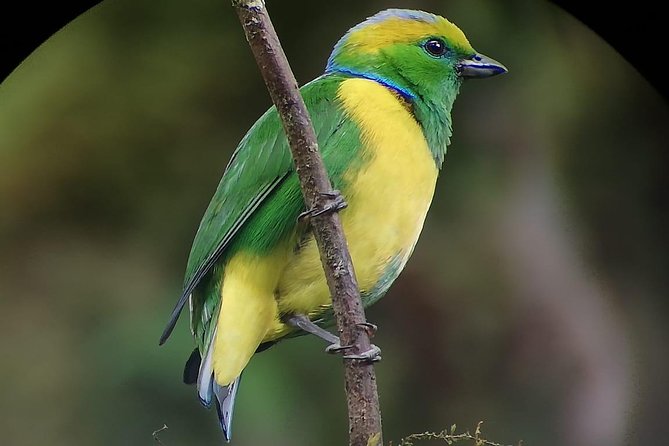
This tour is mainly one experience: Stop 1 at Curi-Cancha Reserve. You’ll walk through primary and secondary forest while the guide focuses on natural history, bird watching, and some mammals.
Here’s what that usually looks like in real life:
- You move along marked trails, but the pace changes when the guide finds something active.
- When birds sing or flicker through the canopy, the guide stops, points, and helps you track the direction and height.
- You’ll likely get a mix of “big wow” sightings and smaller finds (plants, behavior, small movements) that add up to a fuller picture of the reserve.
The best guides make the walk feel like a story. You learn what to notice and why it matters. In past departures, guides such as Mauricio, Johnny, Adam, Eliar, Elberth, and Roy have led this walk, and their styles tend to focus on spotting skills and clear explanations. That’s a big reason this tour earns high marks overall.
One careful consideration: the experience is listed at about 3 hours, but actual time can vary depending on how the wildlife cooperates and how quickly the group moves. On a day when visibility is low or activity is slow, your hike might feel shorter than you hoped. The good news is that the guide’s job is to keep the time productive.
Bird watching tips you can use on the trail
If bird watching is your goal, this is the kind of tour where your attitude helps. Wildlife won’t hold a pose. So you want a plan for how to react when the guide calls out a sighting.
A few things to keep in mind based on what works best in this reserve:
- Quetzals may be time-sensitive. There’s a tip that quetzals are more reliably seen in the morning at Curi-Cancha, then later they fly up to the cloud forest. If quetzals are your top target, pick an earlier time slot when you can.
- Follow the guide’s scanning. When you hear bird calls, look where the guide looks next. Many small birds are easy to miss because they move quietly, then vanish.
- Expect the best moments to be brief. I like that the guide includes help for close viewing. When something flits into view, you need a quick way to confirm it.
Even if you’re not a serious birder, you’ll still benefit. Many people come expecting only “pretty birds,” but end up enjoying the natural history side: why certain animals are where they are, and what forest conditions they prefer.
Guide quality can make a big difference
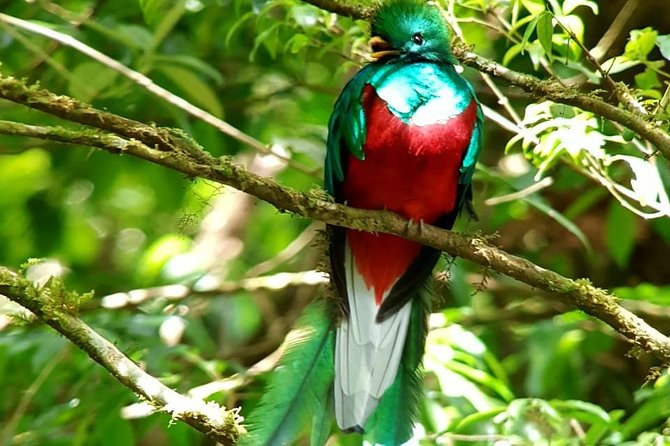
This is one of those tours where the guide really matters. The overall rating is strong, and many guides clearly know their birds and wildlife spotting strategy.
That said, not every outing is the same. Some experiences have had guides who were less engaged with bird spotting than expected, and a couple of reports describe issues like the guide not showing up or the group size feeling too large for everyone to get close viewing moments. If you walk in hoping for a very specific type of birding, it’s smart to choose a time that works well for you—and arrive ready to get involved.
If you’re the type who asks questions, this is a good match. Guides tend to share how to spot wildlife and what you’re looking at in the moment. When the guide is dialed in, the whole reserve feels like it’s “on” for you.
Group size: small enough to matter, still worth being aware
The tour caps the group at a maximum of 9 travelers, which is a strong setup for a reserve walk. Smaller groups make it easier for everyone to hear directions, see the point of focus, and reposition quickly when an animal appears.
Still, there have been occasions where the number of participants felt higher than what some people expected. When that happens, your time at a scope or telescope view can be shortened because more people are trying to look at the same moment.
How do you protect your experience? Keep your attention on the guide’s instructions, and be willing to move with the group. When wildlife is moving, the best “spotting strategy” is staying flexible.
Weather, insects, and what to bring
The tour requires good weather, and if it’s canceled due to poor weather, you should be offered a different date or a full refund. In Monteverde, that usually means you should plan for rain risk—especially if you’re going in the wet season or around afternoon showers.
From on-the-ground feedback, a rain jacket is a smart idea. One person specifically called out that the rain jacket matters, and there are also mentions of mosquitoes being intense at certain times of year. So yes, pack insect protection.
I’d also bring:
- A light rain layer you can actually move in
- Water for the walk
- Bug spray (or something similar)
This isn’t a long trek, but it’s long enough to feel uncomfortable if you’re soaked or bitten early.
Who this tour is best for
This hike is a great fit if you:
- Want guided bird watching without having to figure out where to look
- Like learning natural history while you walk
- Travel with kids who can handle a calm, trail-based activity (infants sit on laps)
- Need a tour that allows service animals
It may be less satisfying if you prefer a completely self-directed experience. The reserve is worth visiting, but the power of this tour is that the guide helps you see what’s there. If you don’t like relying on someone else’s pace or scanning method, you might feel like you’re waiting for signals instead of exploring freely.
Should you book Hiking to Curi-Cancha Reserve?
I’d book this if you want a guided nature walk that turns Monteverde’s forest into real sightings. The combination of a bilingual guide, a focus on birds and mammals, and a small group setup makes this good value—especially when you factor in how often wildlife is easy to miss without help.
The main reasons to rethink it are simple: you’ll pay the extra reserve entrance fee, and some sightings (like quetzals) may depend on time of day. Also, while most outings are well run, guide quality can vary, so pick a time you can commit to and show up ready to engage.
If you come for birding and you’re okay staying flexible when animals move, this is one of the stronger “nature with a guide” bets in Monteverde.
FAQ
Is the reserve entrance fee included in the $39 tour price?
No. The tour fee covers the guided tour, but the reserve entrance ticket is not included. The entrance fee is $25 per person.
How long is the Curi-Cancha hike?
It’s listed at about 3 hours.
Where does the tour start?
You’ll meet at Reserva Curi Cancha, about 300 meters northwest of Fábrica de Quesos Monteverde, Monteverde, Provincia de Puntarenas, Costa Rica.
What’s included in the tour?
The tour includes a guided tour with a bilingual guide.
Is transportation included?
No. Transportation is not included, though the meeting point is near public transportation.
Is the group size limited?
Yes. This activity has a maximum of 9 travelers.
What happens if the weather is bad?
This experience requires good weather. If it’s canceled due to poor weather, you’ll be offered a different date or a full refund.