REVIEW · MEXICO CITY
From Mexico City: 2-Day Pico de Orizaba Summit Trek
Book on GetYourGuide →Operated by Travesías México · Bookable on GetYourGuide
Pico de Orizaba starts before dawn. This 2-day summit trek mixes a 4×4 ride, a night at the Piedra Grande hut, and sunrise over Mexico’s highest peak.
I love the way you get hands-on crampon and ice-axe practice before you’re committed to the glacier. I also like the safety-first vibe with professional guides and a small group that keeps attention on your pace and comfort.
The main consideration is the altitude and hard terrain: you need excellent physical condition, and the tour is not set up for people who can’t handle strenuous mountaineering effort.
In This Review
- Key things to know before you go
- Why Pico de Orizaba feels like a real climb, not a hike
- Getting from Mexico City to Tlachichuca and the Piedra Grande hut
- Day 1: acclimatization walk, crampon practice, and a plan for tomorrow
- Day 2 before dawn: glacier sunrise and the summit push
- Guides and safety equipment: where this trip earns its confidence
- Meals and pace: what’s included, and how not to waste energy
- The $599 price: what you’re really paying for
- What to pack: the cold-weather checklist that actually matters
- Health and fitness: who this trek suits best
- Who should book this 2-day Pico de Orizaba summit trek
- Final decision: should you book, or choose a gentler climb?
- FAQ
- Where is the meeting point in Mexico City?
- How long is the Pico de Orizaba summit trek?
- What is included in the price?
- Is accident insurance included?
- What equipment do I need to bring versus what’s provided?
- Are alcoholic drinks included?
- What languages are available for the tour guide?
- What’s the group size?
- Is the tour suitable for people with heart problems?
- Can I cancel and get a refund?
Key things to know before you go
- Piedra Grande hut stay: Your one night is at the mountain hut used as your staging point, not a “resort night” in town.
- Real practice first: You practice using crampons and an ice axe during the acclimatization walk.
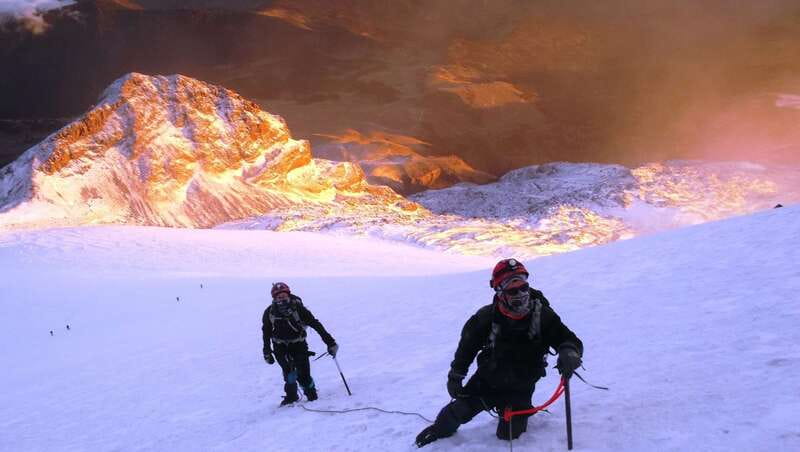
- Sunrise timing: You’re aimed at being in position before first light, watching glacier colors change near the crater.
- Summit at 5,700 meters: Pico de Orizaba is Mexico’s highest point and a serious North America climb.
- Gear is included: Helmet, head lamp, crampons, ice axe, and safety equipment come with the trip.
- Small group (up to 15): Less crowding, more guide attention, and smoother movement on tricky sections.
Why Pico de Orizaba feels like a real climb, not a hike
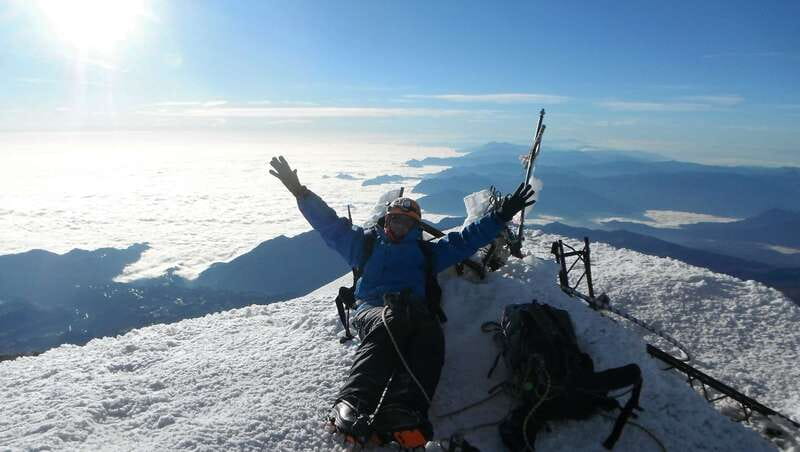
Pico de Orizaba sits at 5,700 meters, and the effort is built around that reality. Even with guides and equipment, this isn’t a stroll: you’re working on steep, cold ground while your body adjusts to altitude.
What I like most is that the schedule is designed to make the climb smarter. Day one is for getting your bearings and practicing the tools you’ll need later. Day two is the push, timed for glacier views and summit time in early daylight.
If you’re the kind of traveler who enjoys planning and precision—waking up early, moving efficiently, and trusting good instructions—you’ll probably love this format.
You can also read our reviews of more city tours in Mexico City
Getting from Mexico City to Tlachichuca and the Piedra Grande hut
You start from Mexico City and head toward Tlachichuca, Puebla. The meeting point is at the corner of Vicente Suarez and Michoacan, benches in front of the market. It’s simple, but it’s also one of those details you don’t want to wing; show up a bit early so you can settle your gear and be ready to go.
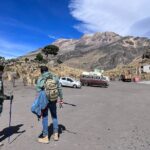
Once you reach the mountain area, you take 4×4 transport toward the hut at Piedra Grande. This matters for two reasons. First, it saves your legs before the real climbing starts. Second, it gets you into the high-mountain rhythm quickly, where cold, wind, and altitude are part of the experience from early on.
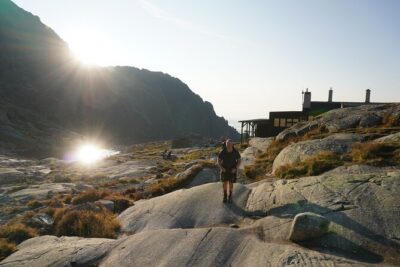
You sleep one night at the hut and return for transport back down the next day. That hut stay is the “base camp” feeling: not fancy, but purposeful.
Day 1: acclimatization walk, crampon practice, and a plan for tomorrow
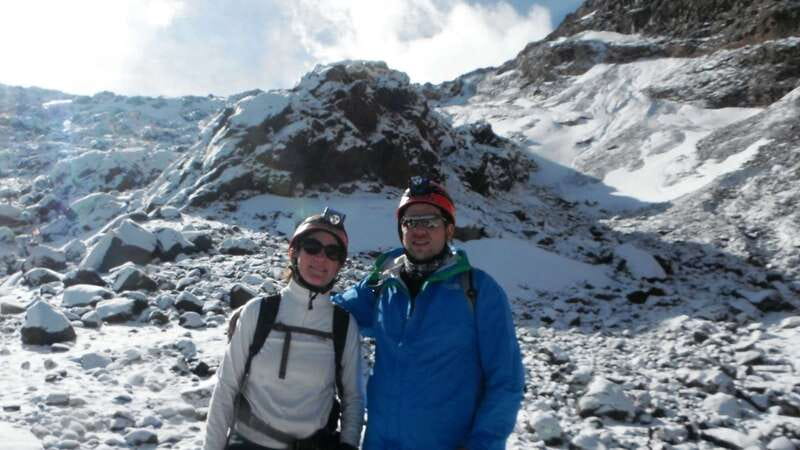
Day one is all about getting ready, not rushing. You arrive at the hut in Piedra Grande, then you head out for an acclimatization walk. The goal is to let your body adjust while you also get your feet and balance sorted on cold, uneven terrain.
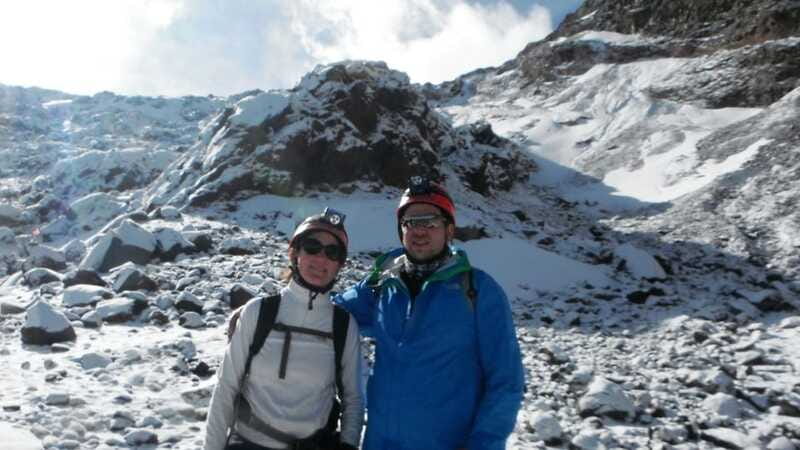
Then you do the practical stuff that makes a huge difference later: crampons and ice-axe practice. This is where the trip separates itself from the “we’ll figure it out on summit day” approach. When you’ve practiced how to move and how the tools feel under your boots, the second day becomes a lot less intimidating.
After that, you return to the hut for dinner and time to prepare. You’ll want to treat this night like a recharge, because you’re going early the next morning. One strong piece of advice: bring a good change of clothes and focus on warming up before sleep. Cold nights can steal energy even when you think you’re tired enough to sleep anywhere.
Day 2 before dawn: glacier sunrise and the summit push
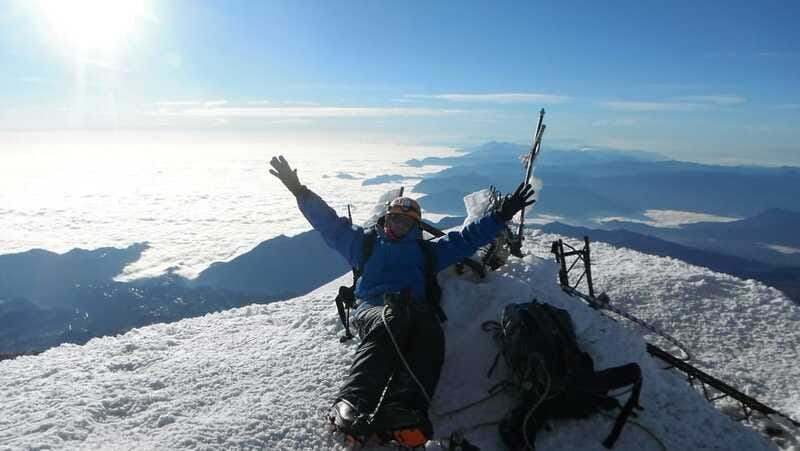
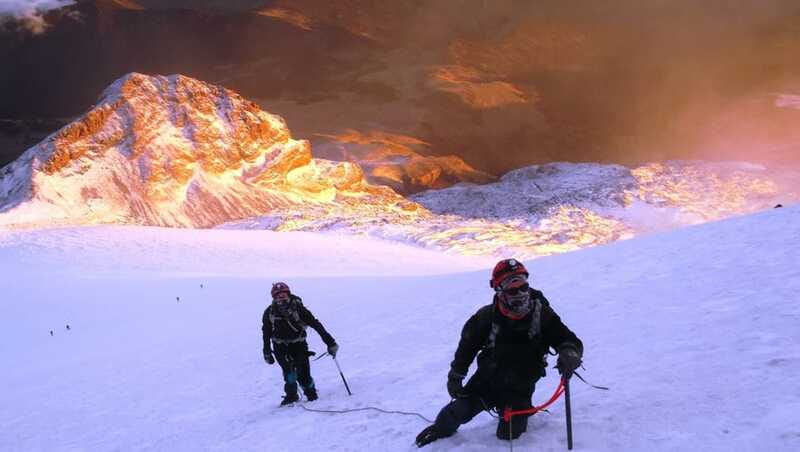
You start bright and early before dawn. You’re aiming to be well positioned before sunrise so you can watch the valleys light up and then enjoy the big moment: glacier light near the crater.
Then comes the glacier follow. You’ll move along the glacier to reach the summit at 5,700 meters, the highest point in Mexico. It’s also listed as the third-highest in North America, which gives you a sense of scale—but the real measure is how your breathing and legs feel as the altitude stacks up.
At the summit, you take in the views and then descend back down to the hut. Descent is still work, but it’s also where your momentum often shifts from “survival mode” to “managed effort.” After you reach the hut, your transport back to Tlachichuca is waiting, and you’ll eat a restorative meal before returning to Mexico City.
Timing can vary based on conditions and group movement. In particular, hard terrain and traffic within a small group can affect how fast you move, so plan for a long day and don’t gamble on being “done early.”
Guides and safety equipment: where this trip earns its confidence
This is one of those climbs where the guide team matters as much as the mountain. The trip uses qualified guides, and they’re there for safety and comfort—not just navigation.
From the feedback you can see clear patterns: guides like Bernardino are praised for explaining well and keeping people feeling secure. Alan is noted for being supportive, adapting to pace, and making someone new to ice and snow feel at ease. Carlos also shows up in the reviews as an excellent guide, with attention that goes beyond the technical parts.
You’re also covered on gear. Included items are not just “nice to have,” but core safety pieces:
- helmet
- head lamp
- crampons
- ice axe
- safety equipment
- accident insurance
That accident insurance part is particularly important for big-altitude activities. It’s not a substitute for good judgment, but it does add practical peace of mind.
A small group (up to 15) helps too. On steep, cold terrain, fewer people means fewer bottlenecks and more attention when you need it.
And yes, the 4×4 driver gets credit where it counts. Bentito is mentioned as an amazing driver, and that matters because getting to and from the mountain area is part of the total experience. Comfort during the “boring” parts keeps you fresher for the hard parts.
You can also read our reviews of more hiking tours in Mexico City
Meals and pace: what’s included, and how not to waste energy
Food is included in a way that supports a summit day. On day one, you have lunch and dinner. On day two, you get breakfast and lunch. After the descent, you also have a meal when you return to Tlachichuca.
What I like about this setup is that you’re not hunting for meals in cold, altitude-stressed moments. It’s built to keep your energy steady for training your body and then fueling your push.
Alcoholic drinks are not included, so if you like celebrating after a win, you’ll want to plan that for Mexico City or another stop rather than expecting it in the mountaineering schedule.
Pace is also part of the value. One hiker noted that the guide adjusted to their pace and helped them enjoy the day rather than just “endure it.” That’s exactly what you want: steady effort, good technique, and not getting dragged faster than your altitude tolerance allows.
The $599 price: what you’re really paying for
At $599 per person, the sticker price looks steep—until you break down what’s included.
You’re getting:
- qualified guides
- transport between Mexico City, Tlachichuca, and the mountain area
- entrance fees
- accident insurance
- a full meal plan across both days
- one night accommodation at the hut
- safety gear like helmet, head lamp, crampons, and ice axe
You’re also not paying separately for the kind of equipment that can be expensive to rent or buy if you don’t already own it. And more importantly, the price covers the human part you can’t DIY safely: planning, timing, instruction, and on-mountain decision-making.
If you already own proper mountaineering gear and have done this altitude before, you might compare the cost with other operators. But if you don’t, $599 starts to make sense as a “package for safety + summit logistics + instruction,” not just as a bus ride and a sunrise photo.
What to pack: the cold-weather checklist that actually matters
This trek gives you technical gear like helmet, head lamp, crampons, and an ice axe. You still bring the clothes and basics that keep you warm and functional.
Use this list as your core:
- sleeping bag
- warm clothing and thermal clothing
- gloves
- hat
- sunglasses
- sunscreen
- hiking shoes
- rain gear
- daypack
- change of clothes
- toiletries
- towel
A few practical notes from experience on cold mountains:
- Bring a real warm hat and gloves. You’ll feel small gaps fast at altitude.
- Pack a change of clothes for the hut night. Dry helps recovery.
- Rain gear matters even if the weather looks okay before you leave—mountains can be moody.
Also, pay attention to footwear fit. Shoes that are fine for dry trails can feel wrong when you’re managing icy surfaces and crampon compatibility.
Health and fitness: who this trek suits best
This climb requires excellent physical condition. The trip also recommends previous mountaineering experience. That’s a strong hint that the terrain is technical enough that you should already understand basic climbing movement or have done similar cold-weather steps before.
It’s not suitable for:
- pregnant women
- people with haemophilia
- people with heart problems
- people with back problems
If you have any condition that affects circulation, breathing, or mobility, you should be extra cautious and talk with a medical professional before booking. Altitude stress plus cold plus long effort adds up.
If you’re generally fit, comfortable hiking steep ground for long hours, and you’ve done crampons or similar before, you’re in the right target zone.
Who should book this 2-day Pico de Orizaba summit trek
You should book if:
- You want the challenge of a 5,700-meter summit with structured acclimatization
- You’re okay with a pre-dawn start and long, cold hours on hard terrain
- You prefer a guided, safety-first climb with a small group size
- You’d appreciate practice time for crampons and an ice axe before the summit push
You might skip if:
- You’re new to mountaineering tools and don’t have the recommended experience
- You have health limits that make altitude and strenuous effort risky
- You want a light activity. This is serious and physical by design
Final decision: should you book, or choose a gentler climb?
I think this trek is a great choice when you’re honest about your readiness. The value isn’t just the summit badge—it’s the combination of instruction, safety gear, and a schedule that respects acclimatization.
If you’re properly prepared, the day becomes about focus: moving safely on the glacier, enjoying the sunrise as it hits the glacier near the crater, and then earning the views from the top. If you’re not ready, altitude and hard terrain will punish that mistake fast.
So my simple advice: if you can handle strenuous cold-weather effort and you’re willing to train and follow your guides closely, this is a climb worth planning for.
FAQ
Where is the meeting point in Mexico City?
Meet at the corner of Vicente Suarez and Michoacan at the benches in front of the market.
How long is the Pico de Orizaba summit trek?
The duration is 2 days.
What is included in the price?
Lunch and dinner on the first day, breakfast and lunch on the second day, accident insurance, qualified guides, transport, safety equipment, entrance fees, head lamp, helmet, crampons, ice axe, and one night accommodation.
Is accident insurance included?
Yes, accident insurance is included.
What equipment do I need to bring versus what’s provided?
The trip provides safety equipment plus a head lamp, helmet, crampons, and an ice axe. You should bring items like a sleeping bag, warm and thermal clothing, gloves, hat, sunglasses, sunscreen, hiking shoes, rain gear, a daypack, toiletries, and change of clothes.
Are alcoholic drinks included?
No. Alcoholic drinks are not included.
What languages are available for the tour guide?
The live tour guide offers English and Spanish.
What’s the group size?
The group is limited to 15 participants.
Is the tour suitable for people with heart problems?
No. It is not suitable for people with heart problems.
Can I cancel and get a refund?
Yes. Free cancellation is available up to 24 hours in advance for a full refund.